CDC keeps level 2 alert for avian flu strain

LOW RISK: None of the deceased’s close contacts contracted the virus, and it is being viewed as an isolated incident with low risk of triggering an epidemic, officials said

The Centers for Disease Control (CDC) yesterday continued its level 2 travel alert for China’s Anhui and Zhejiang provinces, after a Chinese woman died of combined H3N2 and H10N5 strains of avian flu in a global first.

The CDC received a report from Chinese health authorities on Tuesday, describing a new case of fatal H10N5 infection in Anhui Province that originated via cross-species transmission, it said in a news release.

The sexagenarian, who had underlying health conditions, first presented symptoms on Nov. 30 last year and was hospitalized two days later at a medical facility in Zhejiang Province, where she died on Dec. 16, the CDC said, citing the Chinese report.

The Centers for Disease Control building in Taipei is pictured in an undated photograph.

Photo: Lin Hui-chin, Taipei Times

A sample from the woman on Jan. 22 tested positive for the two strains of bird flu and the Chinese Center for Disease Control and Prevention confirmed the result four days later, it said.

None of the deceased’s close contacts in Anhui and Zhejiang tested positive for either virus strain, suggesting that the infection was zoonotic, CDC Deputy Director-General Philip Lo (羅一鈞) said.

Citing Chinese health officials, tests on viral genetic materials revealed that the pathogens had originated from birds and the risk of human-to-human spread was low, he said.

This case marked the first human death by H10N5 and the WHO has yet to publish its evaluation of the virus’ infection risks or symptom severity, he said.

Current vaccines are effective against common flu viruses, but do not target H10N5, Lo said, adding that personal precautions are the main defense against the avian flu’s spread for now.

A total of 445 people submitted to voluntary H10N5 tests at Taiwan’s international airports and no traveler from China or its territories of Hong Kong and Macau had tested positive as of Saturday, he said.

The case in Anhui is likely an isolated incident with a low risk of triggering epidemic spread, the CDC said.

The CDC urged the public to only consume meat and eggs that are fully cooked, wash their hands with soap, wear a mask, seek medical attention if ill, make a full report of contact history to doctors when prompted and be vaccinated if expecting prolonged exposure to farm-raised animals.

People should refrain from trafficking or consuming meat products of uncertain origin, unnecessary contact with fowl and other farm-raised animals, wilding farm-raised animals or allowing them to mix with other animal populations, the CDC said.

The public is advised to avoid crowded or enclosed areas, while exercise and a balanced diet could increase immune system function, it said.

H10N5 is a type of novel influenza A virus, a term referring to viruses other than seasonal influenza A viruses commonly circulating in the human population, the CDC said, adding that these viruses usually jump the species barrier from birds or mammals.

The CDC has issued level 1 travel advisories for novel influenza A viruses for 18 Chinese provinces and administrative zones, and level 2 travel alerts for 13 provinces and zones where cases were reported, it said.

A level 1 advisory and level 2 alert respectively indicate that normal and enhanced precautions should be taken for travel in the designated areas, CDC guidelines state.

Bird flu roils poultry industry, raising concern over egg prices ahead of Easter

More than 2 million birds were killed in California over the last month as producers across the globe struggle once again to control the rapid spread of the virus.

Published Feb. 2, 2024

By 

Nathan OwensReporter

A chicken peers out in a barn as new outbreaks around the world cause concern.
A chicken peers out in a barn as new outbreaks around the world cause concern. Paula Bronstein via Getty Images

First published on 

A deadly wave of bird flu has infiltrated commercial farms throughout the U.S. and is devastating poultry growers in California. Once again, in what seems like a repeat of this time last year, the spread threatens to raise egg prices ahead of Easter.

Approximately 1.96 million birds raised for domestic meat or egg consumption in California were culled in January alone to prevent the spread of highly pathogenic avian influenza, according to the U.S. Department of Agriculture. Detections were found at seven commercial chicken, egg or turkey farms.

The monthly uptick is more than half of all the birds affected by the virus in California since October 2023, according to the data. Most of the commercial cases are contained to four counties, including Sonoma County, where local officials declared a state of emergency following two detections in early December.

As cases continue to climb and more birds are depopulated, Brian Earnest, a protein analyst with CoBank, said it will be difficult to replace the amount of poultry and eggs leaving the market, especially in California where there are cage-free laws that prohibit sourcing from conventional eggs.

“Overall, the market hasn’t seen much impact yet,” Earnest said. Retail and wholesale prices have seasonally weakened after growers rebuilt their flocks and production improved following the worst poultry disease outbreak on record. However, after months without any bird flu detections, the U.S. market outlook has grown murky again with HPAI’s reemergence in fall 2023.

Typically, egg production picks up at the end of the year, when consumers are doing a lot of baking and cooking for the holidays, Earnest said. After that, production winds down to give the industry a sigh of relief and an opportunity for some retooling. But prices could rise once demand picks up again in March, Earnest said, “especially if bird flu continues to be a detriment to the overall supply.”

“I expect as we get closer to Easter to be in a tight supply situation,” he said. “Those cage-free markets are going to see more shelves that are empty compared to other markets.”

BIRD FLU ATTACKS ANTARCTIC PENGUINS: “MANY MORE ARE DYING”

By Evan Williams

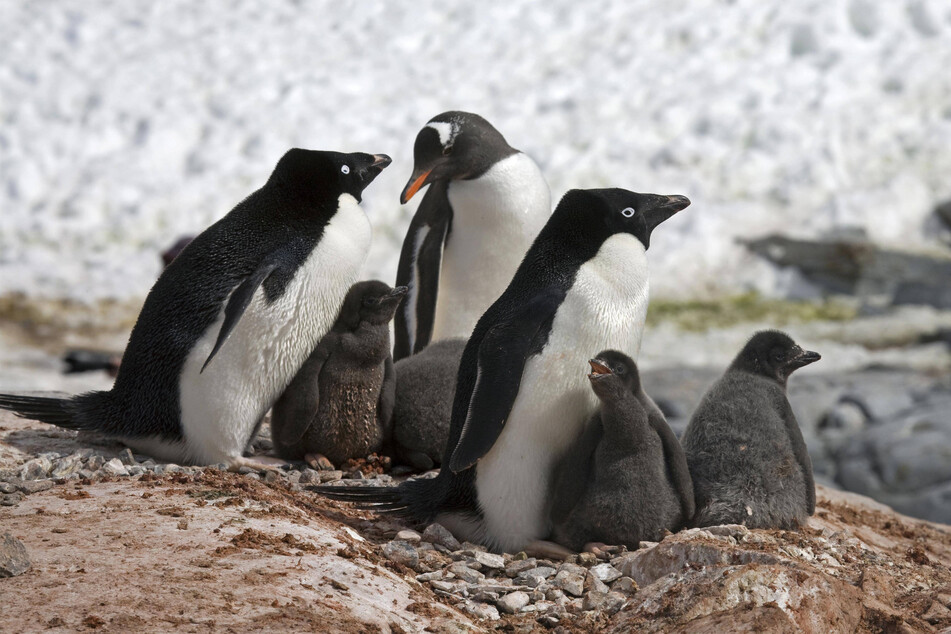
Sea Lion Island, Falkland Islands – After two gentoo penguins were found dead in the Falkland Islands a few weeks ago, the body count started rising. Now, an ecological disaster is on its way.

Two penguins were found dead from bird flu in the Falkland Islands on January 19, 2024.
Two penguins were found dead from bird flu in the Falkland Islands on January 19, 2024.  © imago/imagebroker

For years, scientists and governments have managed to keep diseases from sweeping the Antarctic region, avoiding an environmental catastrophe that could see hundreds of species suffer. Sadly, it seems those years have come to an end.

Avian flu is an extremely infectious virus that primarily targets aquatic birds and has been a problem for years. The CDC has identified the virus, known more specifically as H5N1, as being “highly pathogenic” and a “sporadic” threat to humans.

On January 19, however, the Falkland Islands Government recorded a never-before-seen case of the infection. Tragically, two gentoo penguins were found dead on Sea Lion Island, and hundreds soon followed.

https://www.tag24.com/science/environment/nature-facts/bird-flu-attacks-antarctic-penguins-many-more-are-dying-3086484

Putnam County Man Admits to Spray Painting Squirrels

Fri, February 2, 2024 by Lucas Day

SHARE NOW


pxhere

A Putnam County man has admitted to trapping and spray painting squirrels.

DEC officers arrested 62-year-old Mark Kuhn after they claimed he was trapping and painting the squirrels before releasing them in a nearby park.

Officers say Kuhn trapped the squirrels and spray painted them with apple-red colored “Rust-Oleum Paint + Primer” to “keep track of those returning to his yard and causing his dog to bark.”

‘Worst forms of cruelty’: Advocates warn of rise of deadly raccoon traps In Metro Vancouver

TEST_LogoiHeart_Lowfi

STAFF

CTVNewsVancouver.ca

Published date: Friday, February 2nd 2024 – 7:17 pm
Modified date: Friday, February 2nd 2024 – 7:17 pm

image.jpg
CTVNewsVancouver.ca

It appears a growing number of Metro Vancouver homeowners are fed up with raccoons, and they’re taking matters into their own hands.

Animal advocates have been finding more traps set on private property, traps they say are cruel and often lead to the animals dying.

The Fur-Bearers – a wildlife advocacy group – said they’re seeing more cases of raccoons trapped by duke cuffs.

“These devices are incredibly inhumane,” said Lesley Fox, the group’s executive director.

The device – made to catch raccoons – traps them by the paw, leaving the animal to struggle until it’s released, starves, or frees itself.

“(They) introduce the potential for some of the worst forms of cruelty that we’ve ever seen,” Fox said.

She cited an incident in Mission in late November.

“Neighbours had reported hearing screams coming from next door, and when they looked out their window, (they saw) three raccoons caught and struggling,” Fox said.

Two of the raccoons had to be euthanized, while the third is still recovering in care.

When animals are caught in the traps, homeowners need to dispose of them any way they can; some, Fox said, are killing them.

“(People are using) carbon monoxide from cars,” she said. “Raccoons have been drowned and also killed by a shovel.”

If they’re not killed, the BC SPCA said, many of the animals injure themselves trying to escape, breaking teeth and bones.

“Oftentimes, those injuries are so severe that they can’t rehabilitate the animal, and so the only option is humane euthanasia,” said Andrea Wallace, manager of wild animal welfare for BC SPCA.

Instead of trapping, the SPCA said, people should contact professionals. It has started Animal Kind, an online list of accredited pest control companies in B.C. that are humane.

“(They use) exclusion and prevention techniques in making sure wild animals are being treated humanely,” Wallace said.

Wildlife groups want homeowners to take more steps to make their yards unattractive to raccoons and other pests, things like bringing in garbage, keeping property maintained and not leaving food out.

And if raccoons do keep coming back, advocates said to try methods like bright lights and apple cider vinegar rather than trapping.  

https://www.iheartradio.ca/ctv-news-content/worst-forms-of-cruelty-advocates-warn-of-rise-of-deadly-raccoon-traps-in-metro-vancouver-1.21563878