Why the spread of bird flu to a Texas dairy worker is so alarming (Opinion)

RESOURCE LINKS

  • PUBLISHED Apr 16, 2024

Washington Post

Since early 2022, a highly pathogenic strain of avian flu, H5N1, has been infecting wild aquatic birds and domestic poultry in the United States. More than 85 million birds in 48 states have died as a result of the virus or have been culled after exposure to infected birds.

This same strain has now spread to cows. Health officials have detected H5N1 in cattle across 16 herds in six states. And earlier this month, the Centers for Disease Control and Prevention reported a case of bird flu in a dairy worker in Texas who likely contracted the virus from cattle.

This is an alarming situation that must be monitored closely. Livestock workers and owners of backyard flocks need to take extra precautions, and clinicians should be on the lookout for new human cases. Most Americans, though, should not be concerned about the risk of avian flu to them at this time. Avian influenza is not new. The first description of it dates from the late 1800s. Like human flu viruses, there are multiple strains of bird flu. Some strains cause mild or no symptoms. Others are associated with mortality rates as high as 90 to 100 percent in domesticated bird species.

Many bird flu viruses originate in wild aquatic fowl and are then passed on to chickens, turkeys and other domestic birds. While most transmission occurs among birds, some viral strains can cross over to infect mammals. The H5N1 strain has already been detected in more than 200 mammals in the United States.

That includes humans. In addition to the Texas dairy worker, an individual in Colorado working with poultry was diagnosed with H5N1 in 2022. The dairy worker’s only symptom was eye inflammation, and the poultry worker experienced fatigue. But prior cases from elsewhere in the world have resulted in pneumonia, multiple organ failure and death.

Continue reading https://www.unmc.edu/healthsecurity/transmission/2024/04/16/why-the-spread-of-bird-flu-to-a-texas-dairy-worker-is-so-alarming/
Leave a com

Crossing Species: The Rising Threat of H5N1 Bird Flu in the U.S.


Image courtesy of T N/Flickr

The CDC recently confirmed a human case of HPAI A (H5N1) in Texas. Renowned epidemiologist Syra Madad and distinguished virologist Jason Kindrachuk offer tips to farmers, animal caretakers, and the general public on how to avoid contracting and spreading this strain of avian influenza.

Published April 16, 2024

By Syra Madad, D.H.Sc., M.Sc., MCP, CHEP and Jason Kindrachuk, PhD

Avian influenza H5N1, commonly known as bird flu, is a viral infection that affects both domestic and wild birds, along with a wide array of other animals. First identified in 1996, H5N1 has recently re-emerged in a significant panzootic form, specifically clade 2.3.4.4.b, impacting a broad spectrum of wildlife and domestic animals, including more than 200 mammal species.

Concerningly, this has included confirmed infections among numerous species not previously known to be susceptible to H5N1, including marine mammals, as well as in agricultural mammalian species such as cattle and goats. The rapid geographic expansion to all continents except Australia is also concerning. This notable spread across species is particularly alarming due to the potential for severe illness and death in humans as well as economic and food security impacts. This includes both within the agriculture industry as well as among communities reliant on wild game as a food source.

Confirmed Case in Texas

In March, the CDC confirmed a human case of HPAI A(H5N1) in Texas, related to contact with infected dairy cattle, marking the first recorded instance of probable mammal-to-human transmission in the U.S., and the second human case since 2022. Although human infections are rare and no sustained human-to-human transmission has been reported in the U.S., this event underlines the real risk H5N1 poses to individuals in close proximity to infected animals or contaminated environments.

Of note, a single mutation previously found to be associated with adaptation to mammalian hosts was identified within the viral genome sequence isolated from the recent U.S. case (PB2 E627K). However, while this demonstrates the need for continued surveillance and analysis of H5N1 genome sequences, there is no current evidence suggestive of altered human-to-human transmission for the virus or increased antiviral resistance. The CDC currently deems the risk to the broader U.S. populace as low; nevertheless, people with unprotected, extended exposure to infected birds or animals, or to contaminated areas, are at an elevated risk of contracting the virus.

The table below outlines recommended preventive measures for both the general public and those at heightened risk due to their work or recreational activities, aiming to reduce the likelihood of H5N1 infection.

Missing dog found wrapped in duct-tape and abandoned inside dumpster

Default Mono Sans Mono Serif Sans Serif Comic Fancy Small CapsDefault X-Small Small Medium Large X-Large XX-LargeDefault Outline Dark Outline Light Outline Dark Bold Outline Light Bold Shadow Dark Shadow Light Shadow Dark Bold Shadow Light BoldDefault Black Silver Gray White Maroon Red Purple Fuchsia Green Lime Olive Yellow Navy Blue Teal Aqua OrangeDefault 100% 75% 50% 25% 0%Default Black Silver Gray White Maroon Red Purple Fuchsia Green Lime Olive Yellow Navy Blue Teal Aqua OrangeDefault 100% 75% 50% 25% 0%A $1,000 reward was offered for information leading to an arrest Source: WOWT

By 6 News staff reports and Akim Powell

Published: Apr. 15, 2024 at 4:52 PM PDT|Updated: 19 hours ago

OMAHA, Neb. (WOWT/Gray News) – A missing dog in Nebraska was found wrapped in duct-tape and abandoned inside a dumpster.

Animal Control officers were called to Sweet and Associates after employees found a small dog, identified as Leo, in their dumpster with his head wrapped in duct tape.

He reportedly also had his front and back legs taped together, WOWT reported.

Leo was quickly rushed to the Nebraska Humane Society where they removed the tape. After the tape was removed, he perked up and started wagging his tail, according to a social media post.

Shortly after, Leo’s owner was located through the microchip ID.

WOWT reported that she reported Leo missing on Thursday, believing that he got out while getting her child ready for school.

As of now, there are no cameras in the area where Leo was put in the dumpster.

Authorities are investigating this incident and offering a $1,000 reward for information leading to an arrest.

Those responsible could face a misdemeanor charge, which can incur a $500 fine and up to six months in jail.

Turkish fishermen wrap up season with hunting ban

ANKARA
Turkish fishermen wrap up season with hunting ban

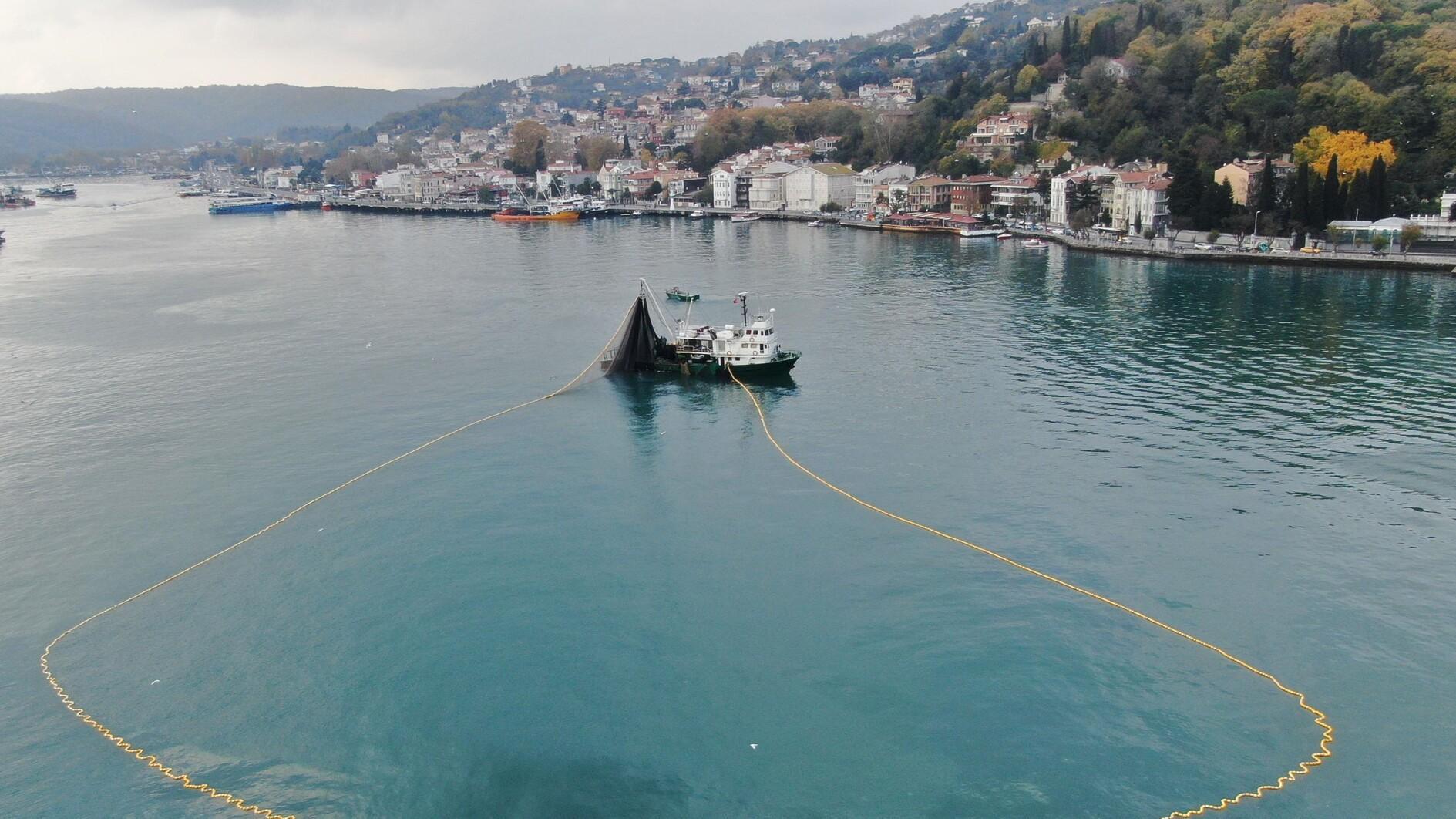
With the conclusion of the fishing season in the Turkish seas, the annual hunting ban has commenced to ensure wildlife conservation and sustainable resource management.Play Video

https://imasdk.googleapis.com/js/core/bridge3.633.0_en.html#goog_1406609429

Haberin Devamı

https://www.hurriyetdailynews.com/turkish-fishermen-wrap-up-season-with-hunting-ban-192502

In a statement declaring the fishing ban starting from April 15, Agriculture and Forestry Minister İbrahim Yumaklı said that this year’s season witnessed a bountiful catching.

The seasonal end marks a ban on industrial fishing activities until Aug. 31, with exemptions granted for small-scale coastal fishermen. A fishing ban is imposed every year between April 15 – Sept. 1 to preserve fish eggs and ensure sustainable fish farming.

On the other hand, fishermen will be able to continue purse seine and trawl fishing in international waters during the four-and-a-half month fishing ban period, provided that they obtain permission from the ministry and comply with the determined rules.

As the fishing hiatus commences, Yumaklı reassured that public fish needs could be sufficiently met through small-scale and cultivated fisheries during the summer months.

The ministry conducted rigorous inspections and enforcement activities, resulting in seizures of almost 600 tons of poached products and fines totaling around 74 million Turkish Liras ($2.2 million) imposed on violators.

Do You Have Toe Nail Fungus? Try This Tonight (It’s Genius)Health ShapeLearn More

Price of A Private Jet Near Winthrop Might Surprise! (Take a Look)PopularSearchesLearn More


by Taboola 

Yumaklı outlined plans to introduce new regulations for the upcoming season, informed by scientific research and stakeholder input, aimed at preserving aquatic resources for future generations.

“New rules based on sustainability within the balance of conservation-utilization will be put into practice. It is important for the future of fish and fishermen to comply with the bans imposed during the reproduction and growth period of fish in order to maintain the aquatic wealth of our country in a sustainable manner by taking into account scientific, environmental, economic and social factors,” he stated.

For the Aegean province of İzmir, a prominent fishing hub with an annual catch of approximately 5,000 tons where the ban is being mulled, Mustafa Şahin from the ministry’s provincial office underscored the importance of adhering to fishing regulations.

With hefty administrative fines ranging from 8,000 to 200,000 liras slated for violators, Şahin highlighted ongoing efforts of maritime authorities to combat illegal fishing.

He stressed the critical role of compliance with prohibited periods in safeguarding fish populations for future generations, urging public cooperation and awareness.

https://26e85a02a3bb087473f902fcfc804d3e.safeframe.googlesyndication.com/safeframe/1-0-40/html/container.html

Haberin Devamı

“If there is no buyer during the ban period, there will be no seller. Consumers can see which fish is in the banned period on our website,” he said.

“Consumers should be aware of the ban to avoid buying fish under protection during this period. They will also contribute to the transfer of fish to the next generation by showing responsible behavior.”