
This is all common sense stuff we already knew, but it’s good to hear it from the mouths of state wildlife agency biologists…
Predator management by state wildlife agency biologists questioned
I recently had encounters with three state wildlife agency biologists. All of them were quite open with their criticisms of their agencies predator policies. I can’t reveal their names and I will change a few details to hide their identities.
The first biologist told me there was no reason to kill predators. He said it only creates greater social chaos which in turn leads to more unnecessary killing. He told me that increasing the kill of predators by hunters—whether cougars or wolves—seldom reduced conflicts. If it’s good habitat, the vacuum created by killing a cougar or a wolf pack will soon be filled by immigrants. So in the end livestock operators have to learn to discourage predation by practicing good animal husbandry. Predator killing just doesn’t work.
Another reason predator control fails is that most hunters pursue animals that live on the larger blocks of public land, while most of the conflicts occur on the fringes of towns or on private ranch lands. In other words, the majority of cougars and wolves killed by hunters are animals that are not causing any conflicts.
He went on to say that hunting predators had no benefits. Period.
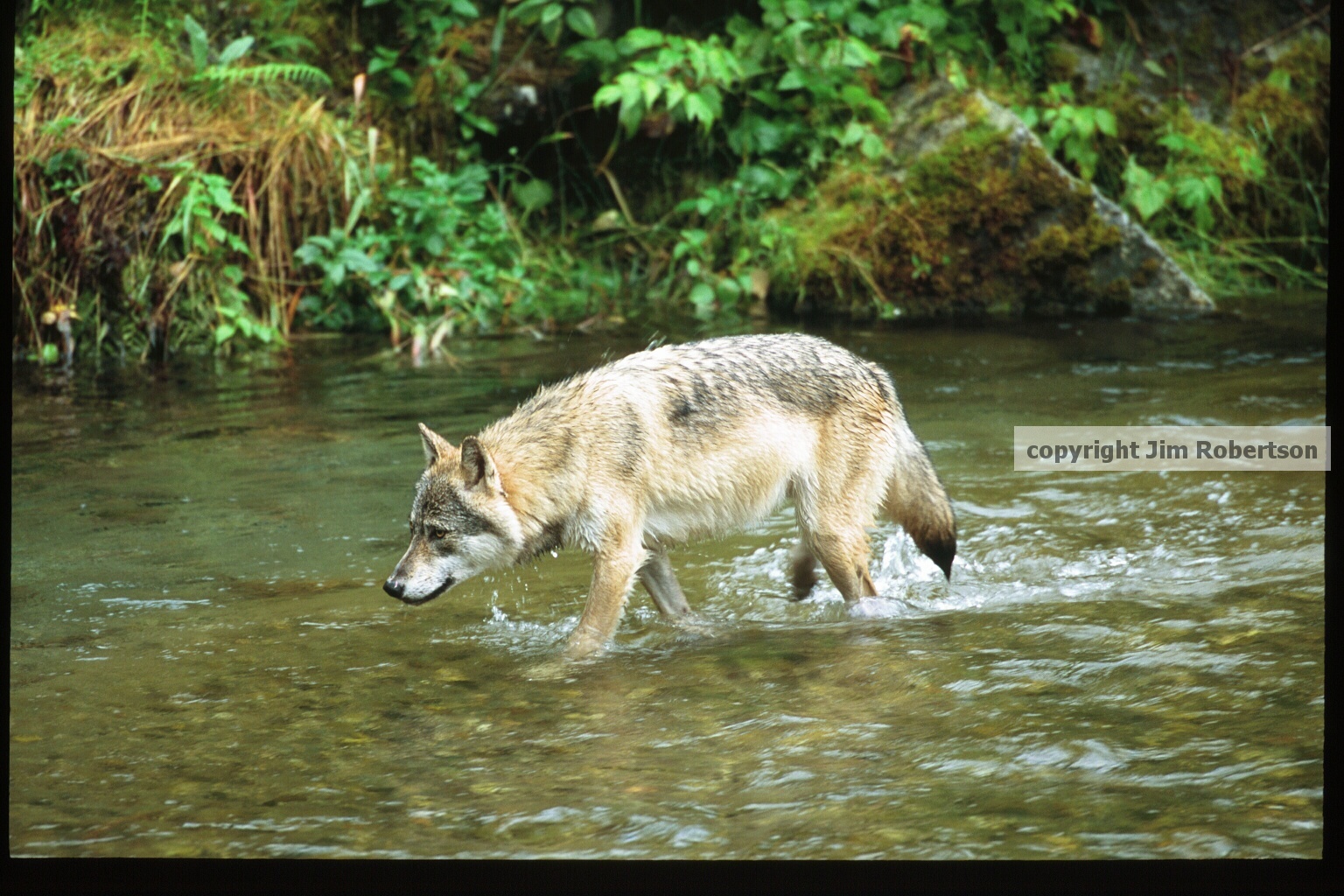
The second biologist told me that wolves were not harming elk and deer herds. Rather elk and deer populations have increased in the state since wolves were introduced. He pointed out that wolves were also not destroying the livestock industry though he did acknowledge that individual ranchers might be challenged by wolf depredations.
He also reiterated that hunting predators was indiscriminate. The specific predator killing a rancher’s livestock is often not the animal killed by hunters so arguing that killing predators will reduce conflicts is at best a half truth.
The third biologist told me that his agency missed the boat by not responding to the misinformation from the Rocky Mountain Elk Foundation and Toby Bridges of Lobo Watch. By not countering the distortions put forth by these organizations, fabrications and half-truths were widely distributed by the media.
He also acknowledged that wolves could not increase indefinitely. They expand their range into new territories but their densities are socially maintained. In other words, you will not get more and more wolves living in the same basic area. He said people have to learn to live with natural processes which include predation.
What these encounters demonstrate to me is that many biologists working for these state agencies are sympathetic to predator supporters. They are muzzled by their agencies and unable to speak the truth. Still it is refreshing to know that supporters of predators have some friends within state agencies—biologists who are hoping that legal attempts to stop unnecessary and indiscriminate hunting and trapping will succeed.
This also means that citizens and those who support predators have to create the political space where these biologists can feel free to speak their minds. Keep up the pressure, there are some in these state wildlife agencies who know the score, and are as devoted to wildlife as anyone.
 Exposing the Big Game
Well put!
George……thankyou for bringing this up. I’ve run into the same comments from some of these biologists who go to school at the U. of M. to learn about wildlife management based on science and then, to save their jobs,must turn their backs on all they learned in school to satisfy an agency that is driven by a political agenda. They seem willing to talk about this “off the record” and in a one on one conversation. A very frustrating situation for them… they’re “trapped” in their job.
Same goes for those that do the research…they’d better come up with research their agency supports or they lose their funding as well as permits to trap and collar wildlife.
I believe that’s where the term “biostitutes” originated, but in reality most are hard working honest people who are caught in a bad situation.
thank you for sharing this. a month ago, citizens and advocates joined to together in Salem, Oregon’s capital, to fight efforts by lobbiests. I was happy to testify that as a stockman living in cougar country i have expereinced NO problems and i do NOT support decriminalizing hunting cougars with dog packs. Something I learned at the hearing that i did not previously know, is that a lively blackmarket for animal parts of predators and live babies fuels the desire to hunt them…..
This was great to read even though, as you say, we know it already. My kingdom for the day when these voices are the predominant ones. In your experience, where does the buck stop in terms of the agencies stifling these employees? Where does the real culpability lie for the corruption in these systems?
I’ve been a neighbor of the US Forest Service long enough to know that they are well practiced at the musk oxen stance whenever one of them are challenged–no matter how wrong they are.
Is it from the top down? Middle managers? It seems like field agents would know better, right?
Reblogged this on Carinas space and commented:
Nice to know that when push comes to shove there are voices of reason to be reckoned with inside state wildlife agencies.
Excellent, excellent, excellent!!