
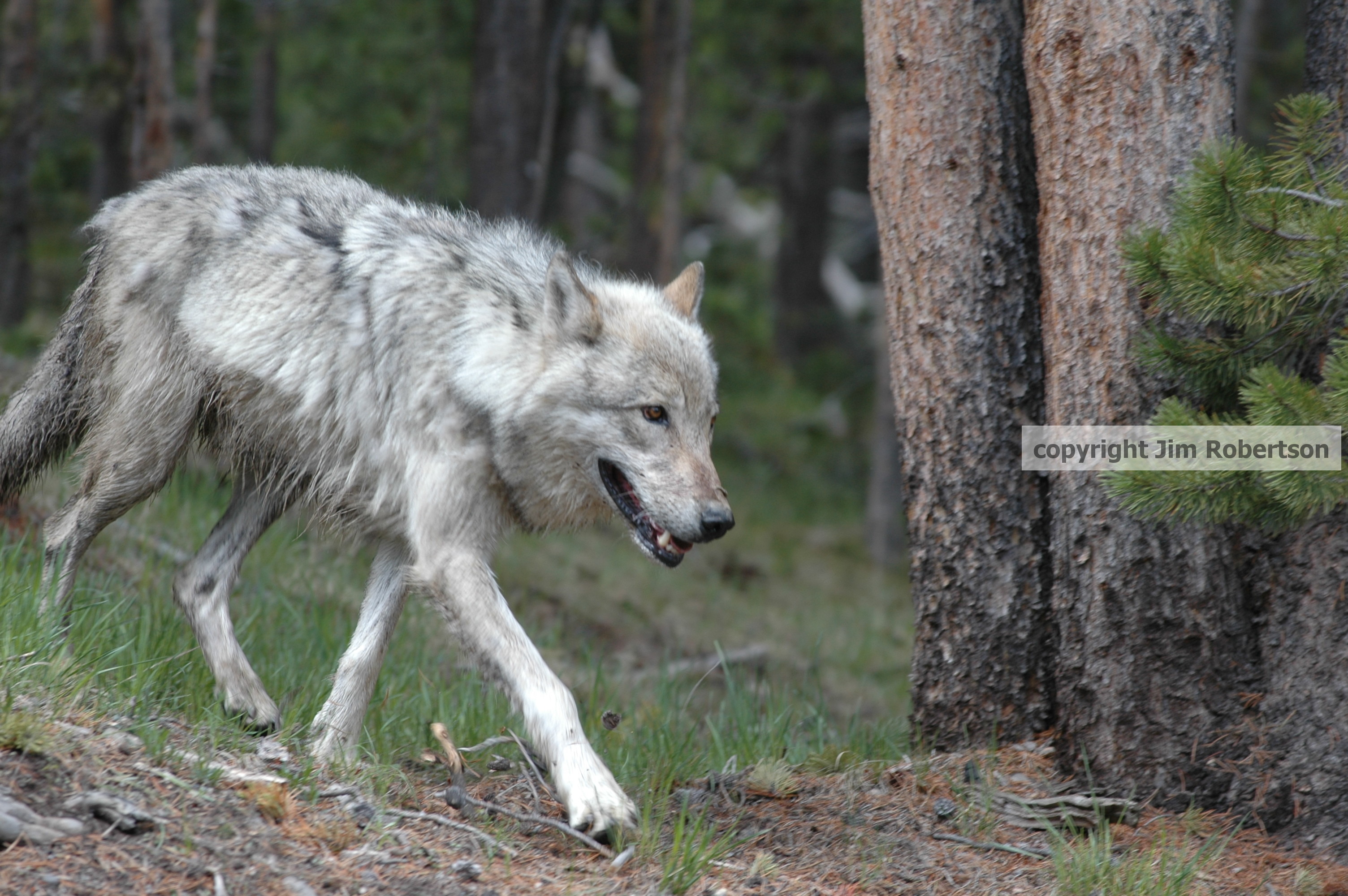
by Stephen Capra
So much has been written about wolves that a person can be understandably tired of hearing any more. Yet, one is compelled to keep a voice alive in the wilderness that is everyday life. The numbers continue to pour in and wolves are losing, genetic diversity is losing, as is the environment. What exactly are we losing to remains the most important question?
For some the easy answer is the livestock industry. Let’s be clear, the livestock industry is one of the major culprits. Their continued ignorance and greed not only has destroyed wolves and their recovery, but is at the heart of so many problems that plague the West. Yet, the wolf issue is more complex and demands elucidation, if change is ever to occur.
It begins with literature. You see much of people’s view of wolves can be framed by Little Red Riding Hood. No joke. For so many that never leave the confines of civilization, that simple and misleading fairy tale helped to frame fear in their minds as it relates to wolves. Being subjected to such a story in such a young and impressionable time of life, and if like myself, you wanted that story read over and over again, can leave a powerful impression.
Culture and custom! This is perhaps one of the most damaging aspects of wolf recovery, the ignorance that comes from a perceived culture. In rural America, there is a hunting culture, a sense of being part of the land and an independence born of necessity. Somehow, this culture has had a long history of killing not only the Native Americans that stood in the way of their land grab, but of wildlife that was viewed as threatening to their livelihood. In this culture, grizzly bears left the plains, wolves were shot on sight, and bison became a symbol of our perfidy.
Game and Fish Departments- In our modern times it is this department that holds the key to wolf recovery and survival. Yet, it’s this very agency that continues to operate from Idaho to New Mexico with a 19th century mindset. It is this select group of commissioners and directors that play not to the population base of the state, but to the rural, hunting and livestock culture. The reason is simple. Hunting tags and funding from the sale of rifles and ammunition support and pay for these agencies to exist. If this does not change, then the will to enter the 21st century is not a priority for the agency and its corrupt commissions. Conservationists are going to have to be willing to pay, in the form of an annual fee for using the outdoors and a surcharge on the sales of outdoor gear, if we are to level the field with sportsmen and have a real voice in the commissions.
Many have suggested removing the commissions, but that is something that comes with being Governor in many states and politicians are not inclined to lose their power. With the ability to raise funds, we would also be in a position to dictate how it is spent. That could mean earmarking funds for retiring grazing leases, for endangered species recovery, for land acquisition and for demanding serious peer reviewed science in decision making and animal harvest quotas.
Outfitters.-If there is money to be made killing wildlife, outfitters want to make it. By not having peer reviewed science, this group can lobby the agency to demand more opportunity to kill and profit. In New Mexico that has led to the killing spree on black bears and the continued “varmint” label on species like coyotes, prairie dogs to name just a few.
US Fish and Wildlife- An agency void of a moral compass and fearful of republicans that consistently threaten their funding. This agency which is the front line for wildlife must grow the balls necessary to protect and educate the public about the value of wolves in the wild. Instead, they try to “compromise” as we watch the very ecosystems dependent on them becoming sterile. The agency needs an overhaul and leaders that put wildlife before their personal retirement pension.
 Exposing the Big Game