
RONALD ORENSTEIN
CONTRIBUTED TO THE GLOBE AND MAIL
Published Monday, Aug. 03, 2015 6:00AM EDT
http://static.theglobeandmail.ca/1cc/news/world/article25795815.ece/ALTERNAT
ES/w620/web-wo-cecil-digest31nw4
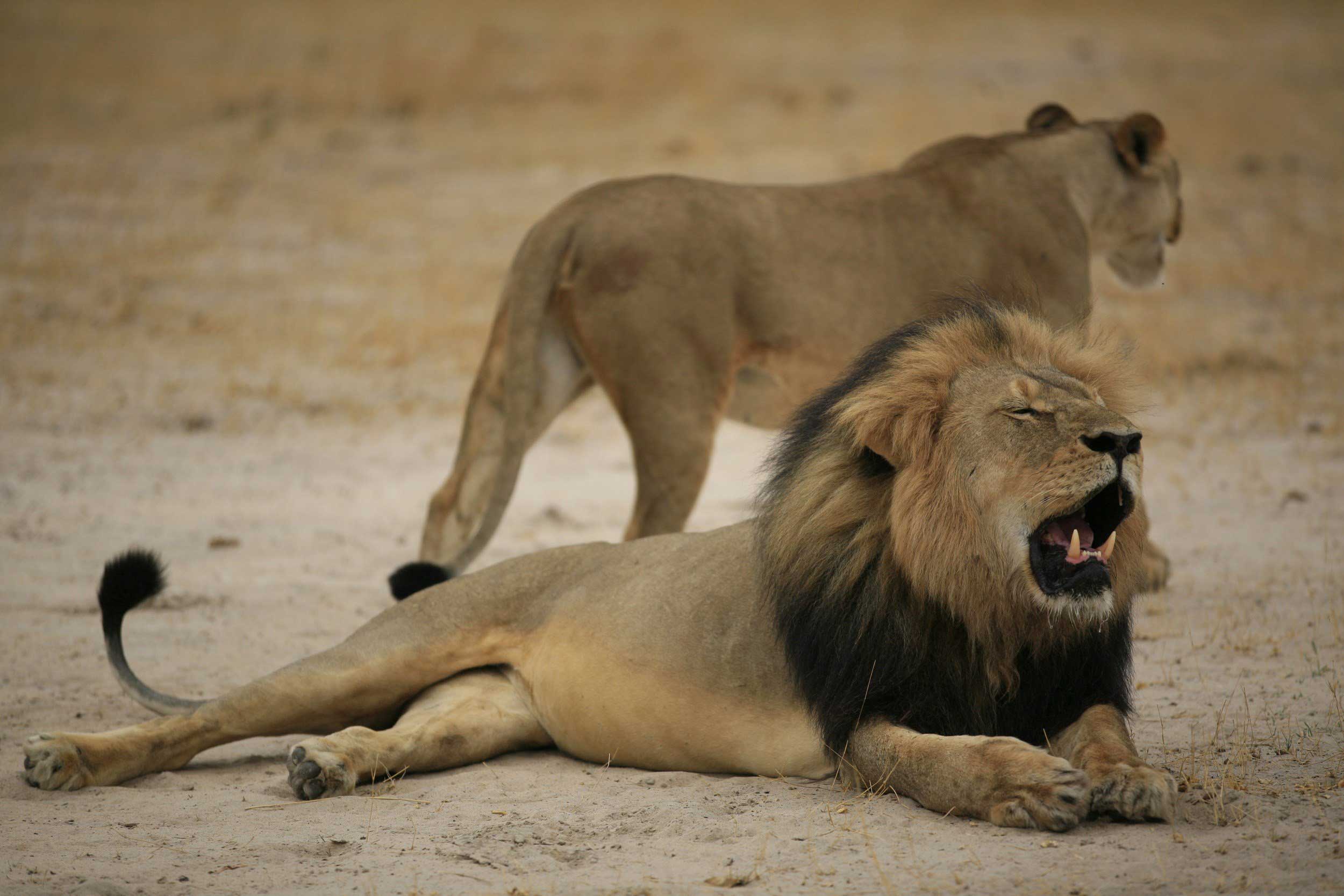
Cecil the lion is shown in a handout photo taken Oct. 21, 2012, and released
on July 28, 2015, by the Zimbabwe National Parks agency. (AFP/GETTY IMAGES)
Ronald Orenstein is a Canadian zoologist, author, lawyer and wildlife
conservationist. He is the author of Ivory, Horn and Blood: Behind the
Elephant and Rhinoceros Poaching Crisis.
The death of Cecil the lion has shocked and angered people around the world.
It should. But perhaps the most shocking thing about his killing at the
hands of a selfish American hunter and his guides is that there may have
been nothing unusual about it. Zimbabwe’s government may have created the
situation that led to Cecil’s death.
Hwange National Park is ringed with private landholdings where hunting is
legal, though the land where Cecil was killed did not have an assigned quota
for lions. Luring Cecil out of Hwange has been called “unethical” by the
Safari Operators Association of Zimbabwe, and the Zimbabwe Parks and
Wildlife Act makes it illegal to “entice” an animal out of a national park
without a permit. However, a 2007 study found that 24 lions radio-collared
in Hwange were shot by sport hunters between 1999 and 2004. Further
killings have been alleged since. The difference this time is that Cecil was
famous.
Zimbabwe has been treating its wildlife as a commodity for years. Though the
kills have decreased recently, its hunting quotas for lions, among the
highest in Africa, have been called unsustainable by lion biologists. Lions
as young as two years old have been shot for trophies, despite
recommendations that only animals at least five years old should be hunted
to give young males a chance to reproduce.
In early July, despite protests from around the world (and arguably
violating its own laws against animal cruelty), Zimbabwe exported 24 baby
elephants from Hwange to a dubious safari park in China, claiming that the
move relieved elephant overpopulation. Zimbabwe’s Environment Minister at
the time, Saviour Kasukuwere, said that “it made commercial sense” to send
the country’s wildlife to China. The Zimbabwe Independent cited claims that
the money went to pay a shoe manufacturer for boots for the military.
Hunters argue that the fees they pay for the right to shoot a lion can
benefit conservation and alleviate rural poverty. Conservation is certainly
expensive, and money helps – though tourism revenue exceeds hunting revenue
in many African countries, and a 2010 study, published by the pro-hunting
International Council for Game and Wildlife Conservation and the United
Nations Food and Agriculture Organization, found that hunting companies in
Tanzania contributed only about 3 per cent of their revenues to local
communities.
When a hunter is willing to pay tens of thousands of dollars into a corrupt
system, the benefits can be hard to find. Zimbabwean blogger Alex Magaisa
claims that there is “a huge amount of corruption and skullduggery” in
Zimbabwe’s hunting industry, and warns that there will be “more Cecils in
future.” The enormous prices hunters pay tempt operators to give clients
what they want, and fund the bribes needed to get it. When hunting quotas
are based on the industry’s bottom line, and the rules that exist are
ignored, trophy hunting becomes little more than organized, legalized
poaching, and the hunters’ targets little more than contraband.
African lions have been in serious decline for years. Numbering an estimated
75,800 in 1980, a combination of human population growth, habitat loss,
disease and hunting pressure has reduced their number to no more than 32,000
today (and possibly a good deal less). It is a decline that has gone largely
unrecognized. A 2011 petition to list the African lion under the U.S.
Endangered Species Act – a listing that would require the United States to
prohibit trophy imports unless they can be shown to benefit conservation –
still awaits action.
The revulsion at Cecil’s death may have been, in part, because he was an
animal with a name. I hope, nonetheless, that it leads countries like the
United States, the biggest importer of lion trophies, to take a closer, and
tougher, look at “sustainable” wildlife management, and to clamp down on
trophy imports that threaten the survival of Cecil’s nameless kin. If they
do, perhaps Cecil will not have died entirely in vain.
http://www.theglobeandmail.com/globe-debate/was-cecil-the-lions-death-busine
ss-as-usual/article25805515
 Exposing the Big Game
Pingback: Lay Cecil the Lion to Rest on the White House Lawn | Exposing the Big Game