

Spring in India can be a rough time for farmers in a warming world.
The vast, flat lands that compose much of India depend on waters flowing down from snow melting in the Himalayas. And a reliable influx of moisture in the form of the Southeast Asian monsoon is a much-need backstop to the heat and dryness of April, May, and early June.
But the warming of our world through fossil fuel burning and related greenhouse gas emissions is causing the glaciers of the Himalayas to melt. It is causing temperatures during spring to increase — which more rapidly dries the rivers and wells of India’s plains. It is creating a hot, dry atmospheric barrier that increasingly delays the onset of India’s monsoon. And since the 1950s India’s rainfall rates have been decreasing.
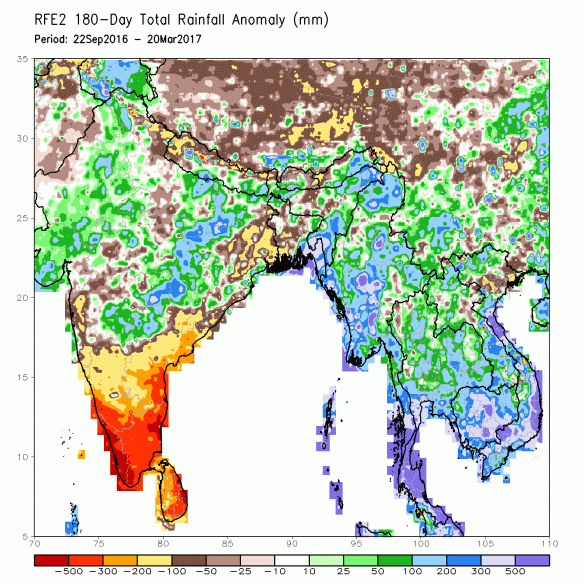
(NOAA rainfall anomaly map for the past six months showing a severe deficit for…
View original post 428 more words
 Exposing the Big Game