

Human carbon pollution is melting the Arctic, but aerosol pollution is slowing it down
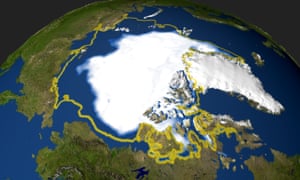
The Arctic is one of the “canaries in the coal mine” for climate change. Long ago, scientists predicted it would warm quicker than other parts of the planet, and they were right. Currently, the Arctic is among the fastest-warming places on the planet. Part of the reason is that as the Arctic warms, ice melts and ocean water is uncovered. The ocean is darker than ice so it in turn absorbs more sunlight and increases its warming. This is a feedback loop.
Another reason is that the Arctic doesn’t get that much sunlight so…
View original post 784 more words
 Exposing the Big Game