
Van Valkenburgh and more than 40 other wildlife experts wrote that preventing the extinction of lions, tigers, wolves, bears, elephants and the world’s other largest mammals will require bold political action and financial commitments from nations worldwide.

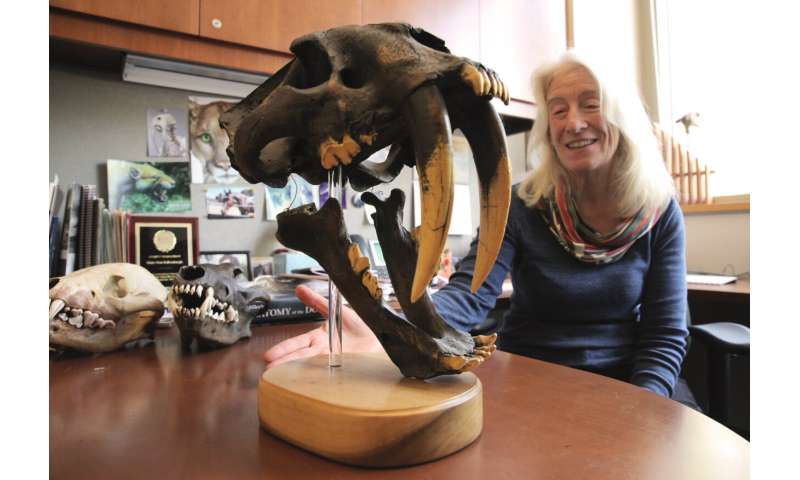
UCLA evolutionary biologist Blaire Van Valkenburgh has spent more than three decades studying the skulls of many species of large carnivores—including wolves, lions and tigers— that lived from 50,000 years ago to the present. She reports today in the journal eLife the answer to a puzzling question.
In the research, Van Valkenburgh reports a strong link…
View original post 705 more words
 Exposing the Big Game