

JULY 9, 2020
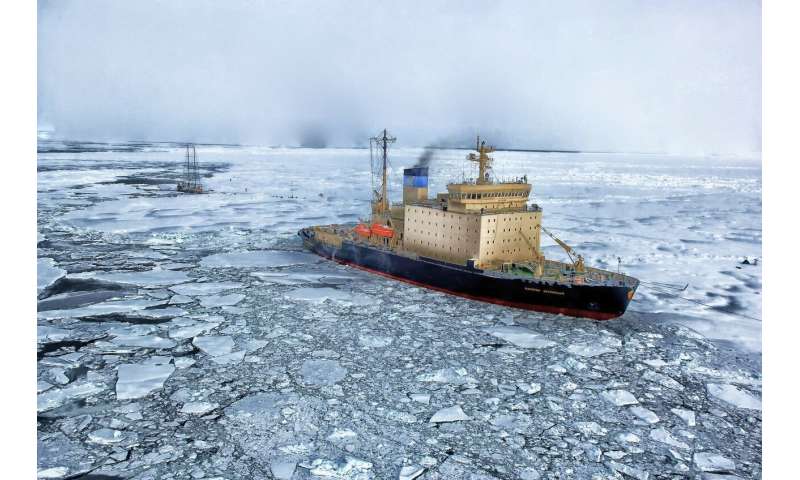
Scientists at Stanford University have discovered a surprising shift in the Arctic Ocean. Exploding blooms of phytoplankton, the tiny algae at the base of a food web topped by whales and polar bears, have drastically altered the Arctic’s ability to transform atmospheric carbon into living matter. Over the past decade, the surge has replaced sea ice loss as the biggest driver of changes in uptake of carbon dioxide by phytoplankton.
The study centers on net primary production (NPP), a measure of how quickly plants and algae convert…
View original post 841 more words
 Exposing the Big Game