Anyone growing up in Washington would surely have heard it referred to by its nickname, “The Evergreen State.” But not all of the conifers coating the forested mountainsides are “ever”green. A few species of coniferous trees actually turn a brilliant color and shed their needles each fall, only to return to their green phase in the spring and summer.
Western Larches and their alpine cousins, the tamarack, can be found in extreme northern Washington, across Idaho and Montana to the Rockies and up into British Columbia and Alberta, Canada. Some are even found in suitable (usually cold and shady) habitats in the Arctic.
The larch forest zone is home to some distinctive animal species, including snowshoe hare, lynx, timber wolf and woodland caribou; gray jay, mountain chickadee and the Clark’s nutcracker (pictured here), all of whom thrive in some of the harshest climates the planet has to offer.
During the winter, after larches have lost their orange needles, they may appear to be standing dead snags. But each spring these unique conifers again sprout new, light green needles, which turn a darker shade of green as the days grow longer and their short growing season begins again in earnest.
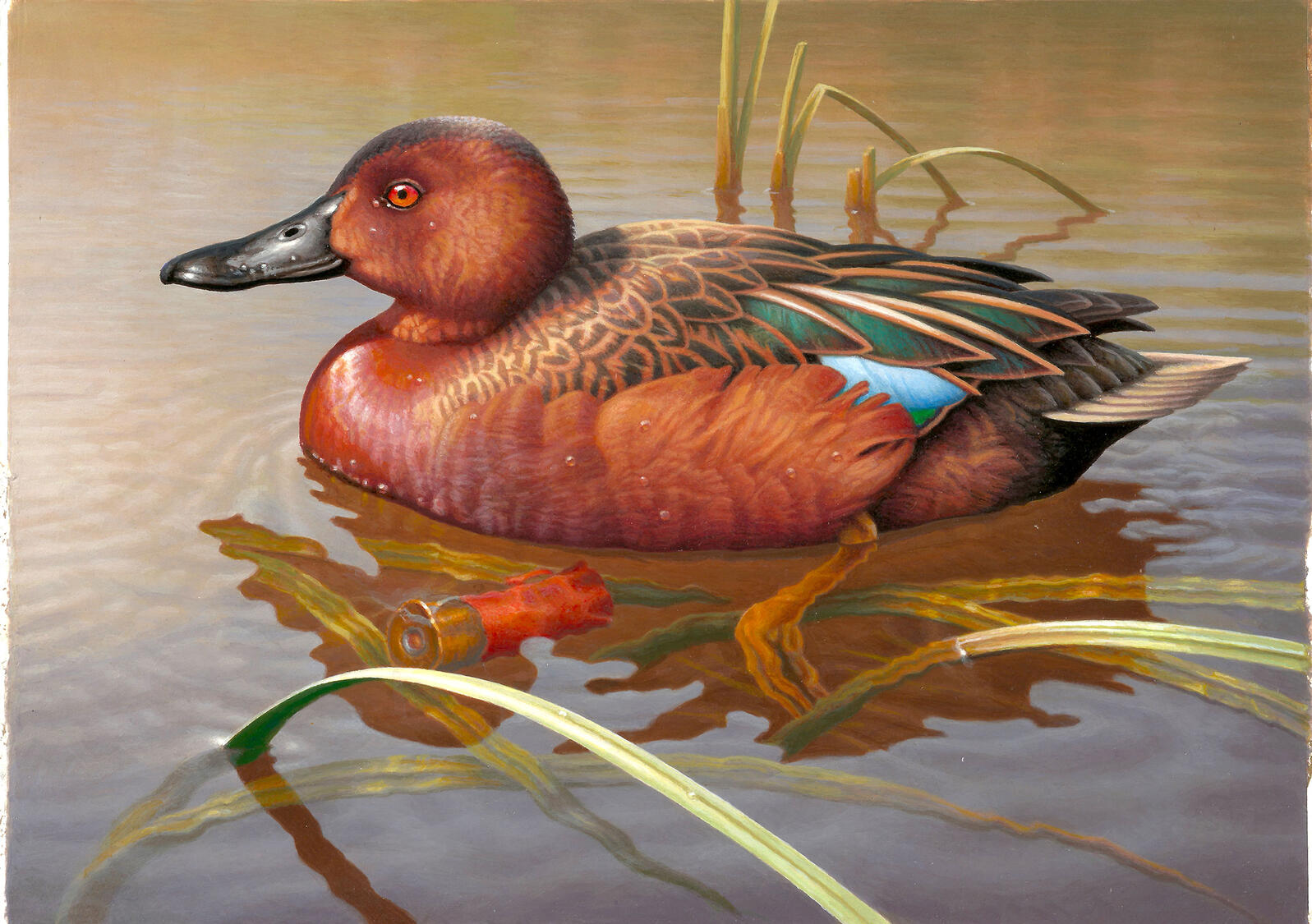
Duck Stamp Artists Turn to Spent Shotgun Shells to Meet New Pro-Hunting Mandate
The government art competition now requires hunting imagery, a change that some wildlife painters say undermines its conservation message.By Andy McGlashenAssociate Editor, Audubon MagazineOctober 06, 2020
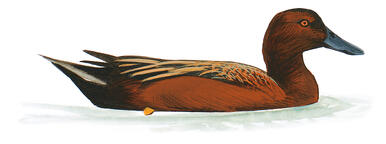
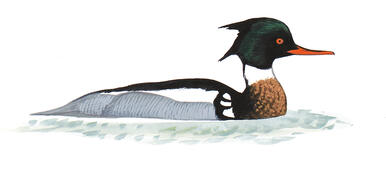
The paintings submitted for this year’s federal duck stamp contest feature familiar images of wildlife art: A Cinnamon Teal bobs on a mountain lake. Two Brant tuck in to land in coastal chop. A placid pair of Red-breasted Mergansers float side by side…


 Exposing the Big Game