

ByJENNIFER CHU, MASSACHUSETTS INSTITUTE OF TECHNOLOGYDECEMBER 17, 2020
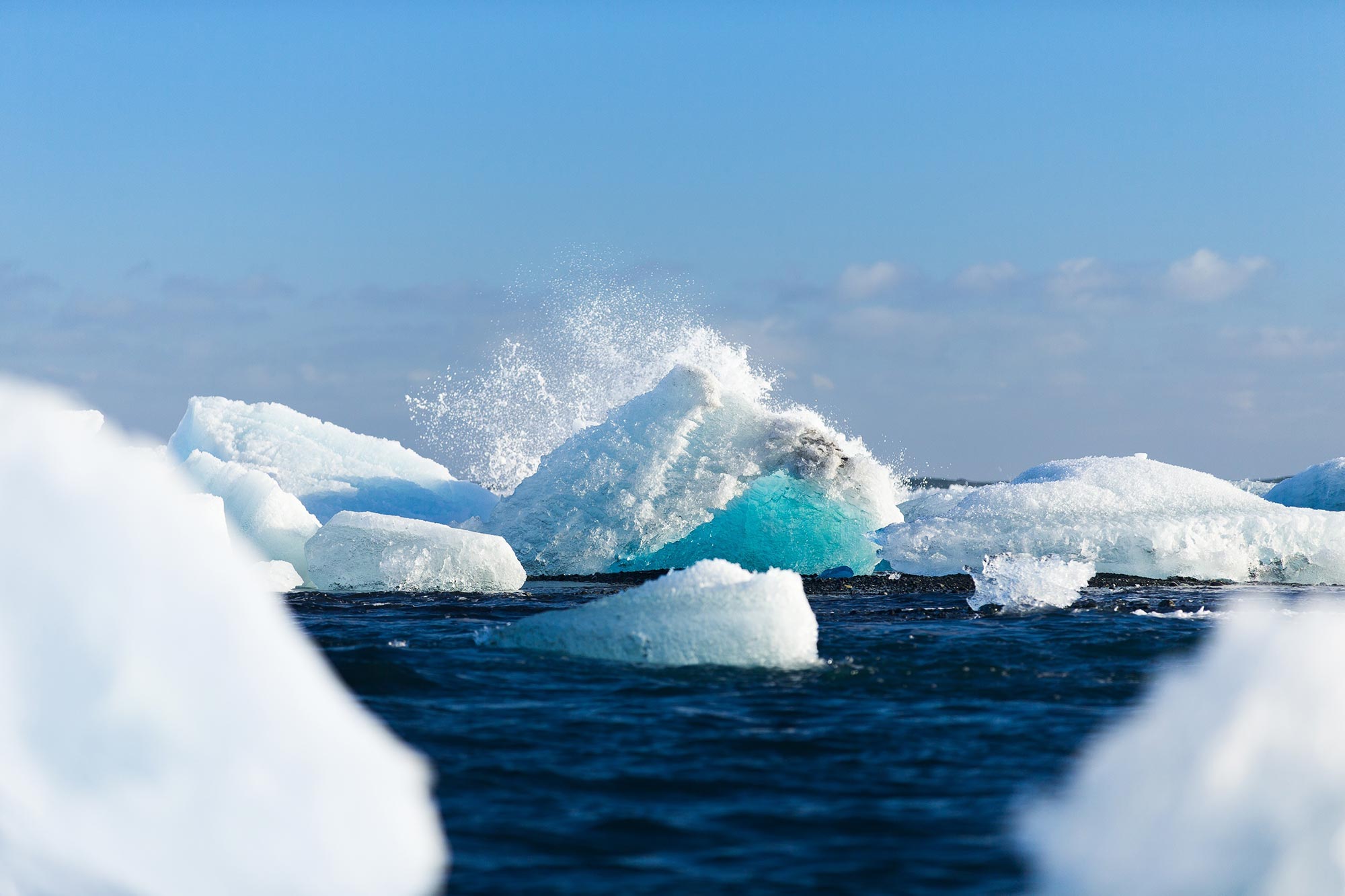
New study suggests waters will become more turbulent as Arctic loses summertime ice.
Eddies are often seen as the weather of the ocean. Like large-scale circulations in the atmosphere, eddies swirl through the ocean as slow-moving sea cyclones, sweeping up nutrients and heat, and transporting them around the world.
In most oceans, eddies are observed at every depth and are stronger at the surface. But since the 1970s, researchers have observed a peculiar pattern in the Arctic: In the summer, Arctic eddies resemble their counterparts in other oceans, popping up throughout the water column. However, with the return of winter ice, Arctic waters go quiet, and eddies are nowhere to be found in the first 50 meters beneath the ice. Meanwhile, deeper layers continue to stir up…
View original post 1,001 more words
 Exposing the Big Game