

The next decade is crucial to tackle both big polluting gases.
BYSARA KILEY WATSON|UPDATED AUG 18, 2021 12:03 PM
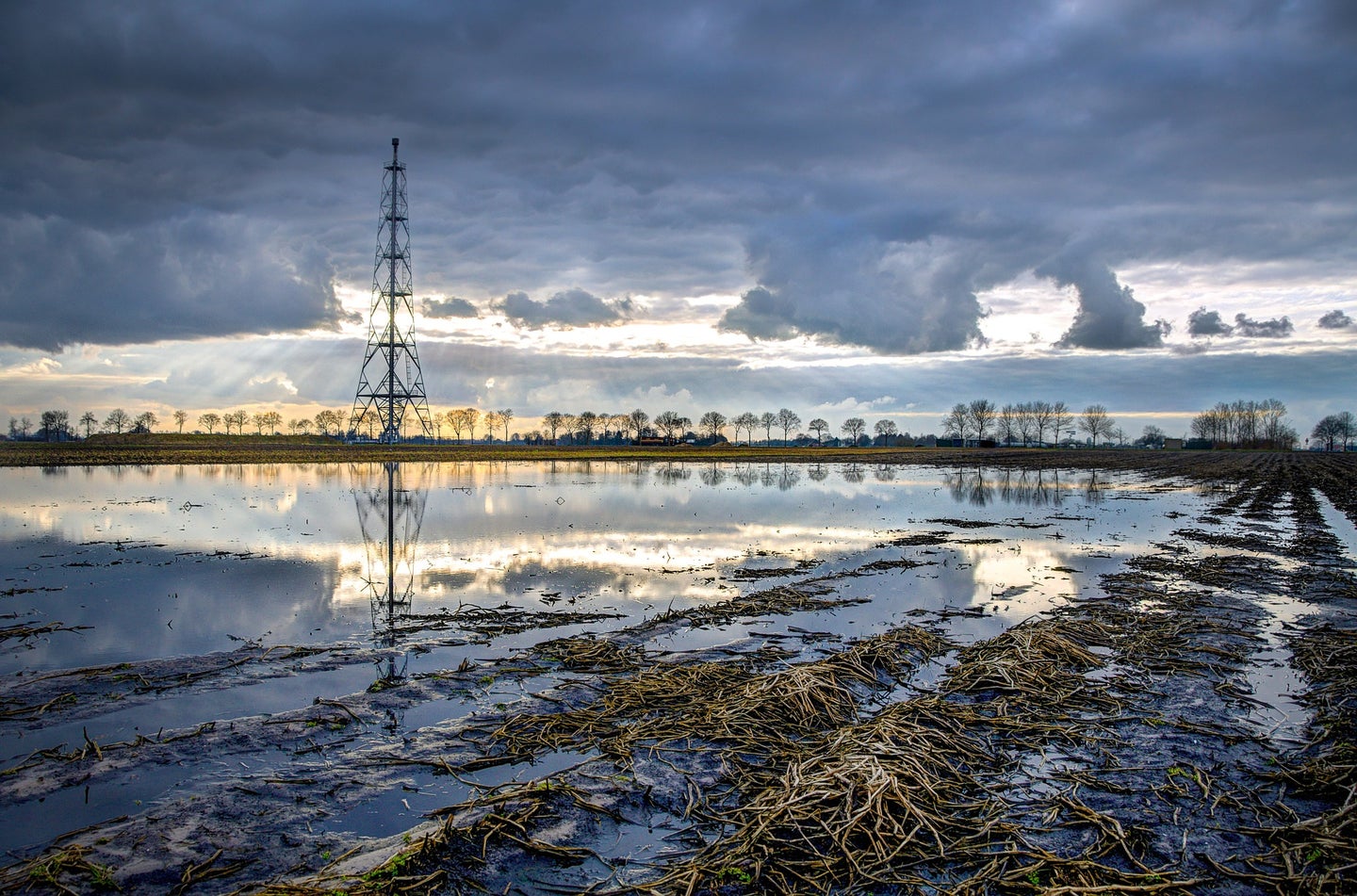
New methane-tracking methods revealed that natural atmospheric levels were far lower than previously reported, and that fossil fuel-produced levels were much higher.Rudy and Peter Skitterians from PixabaySHARE
You may have heard the story of the tortoise and the hare, and how the lesson is that slow and steady wins the race. But what happens when the race changes from a marathon to a sprint?
 ttps://imasdk.googleapis.com/js/core/bridge3.479.1_en.html#goog_2009612741https://imasdk.googleapis.com/js/core/bridge3.479.1_en.html#goog_1876987714https://imasdk.googleapis.com/js/core/bridge3.479.1_en.html#goog_2029469121javascript:falsejavascript:falsejavascript:false
For years, climate scientists have seen carbon dioxide as our tortoise—the slow, steady enemy we need to wrestle back to prevent climate change. And it’s true, CO2has a half life of somewhere between 19 to 49 years, meaning it stays in the Earth’s atmosphere anywhere from 300 to 1,000 years. That’s why over the past century or so…
View original post 666 more words
 Exposing the Big Game