
Sustainable food systems are a cornerstone to cutting emissions but have been largely absent from the agenda in Glasgow

The age of extinction is supported by

About this contentPhoebe Weston and Jonathan WattsTue 9 Nov 2021 07.30 EST
“The cow in the room is being ignored at this Cop,” says Carl Le Blanc of Climate Healers. “Animal agriculture has been taken off the agenda and put on the menu.”
Le Blanc was one of a number of campaigners who joined climate marches on Saturday in Glasgow to demand action for a new sustainable food system. They fought strong gales to make their point with four giant inflatable animals tethered on ropes above their heads or strapped to the ground. Each symbolised a different problem of the livestock industry: a 40ft cow for methane, a chicken for Covid and health, a fish for microplastics, and a pig for obesity.
Many industry representatives and campaigners feel not enough attention has been paid to food and farming at Cop26, despite it being one of the keys to cutting emissions over the next few decades. Food served at the canteen has been criticised – nearly 60% of dishes contain meat or dairy, which campaign group Animal Rebellion described as the equivalent of “serving cigarettes at a lung cancer conference”.Advertisement
During the two weeks of the conference, themes such as finance, energy and transport have been allocated their own days, but there has been no dedicated day for agriculture or food systems. Farming was included in Nature day on Saturday, where there was a lot of talk about protecting forests but less about cutting meat consumption, food waste and firm pledges to change farming subsidy systems.
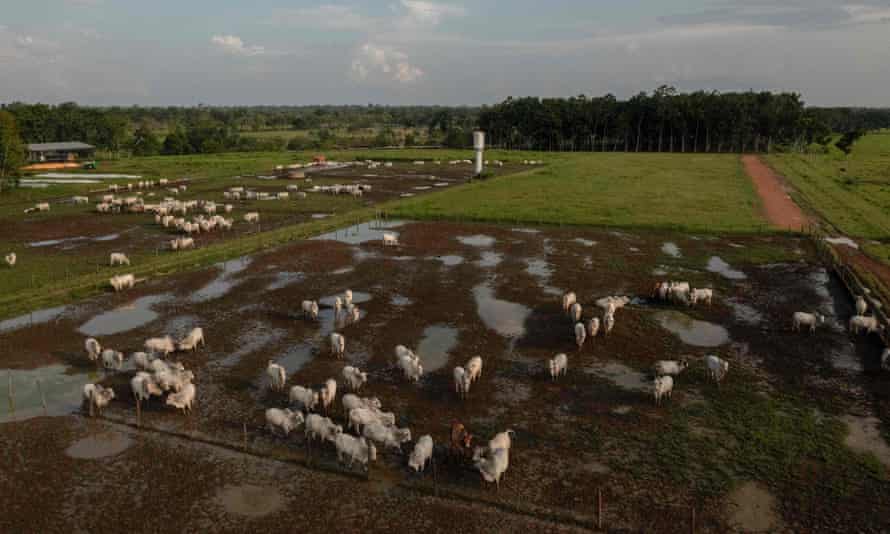
Farming is a complex issue on the journey to net zero, as it is both a source and sink for emissions. About 20% of global emissions come from agriculture and land use, and this rises to more than 25% for the food system as a whole, which includes processing, packaging and transport. Yet huge amounts of carbon can be sequestered by modifying farmland, with the creation of more forests, healthier peatlands and wetlands. Although some argue that we should stop consuming animal livestock altogether, others believe that low densities of grazing animals such as cattle are an important part of creating farmland habitats that produce food and also provide a home for wildlife.
In terms of individual action, moving to a more plant-based diet is one of the single most effective ways to reduce emissions, but the UK government appears to be unwilling to put the science on this issue into policy. It quickly deleted research alongside its net zero strategy that encouraged levies on high-carbon foods, such as meat.
None of the presidents of the UK’s four farming unions present at Cop26 believe they should reduce livestock numbers in their respective countries, or that people need to reduce their meat consumption. They told the Guardian methane emissions could be dealt with through new technologies rather than reducing the number of cows on farms. Thomas Vilsack, the US secretary of agriculture says he believes Americans can carry on eating the same amount of meat while keeping the world within safe limits on global heating.
 Exposing the Big Game
It’s hard not to lose all hope when I hear this nonsense. Did somebody excavate Vilsack from the 1800s? I am intolerant of such stupidity, and the fact that he is supposed to be some kind of leader on agricultural practices — or, really, on anything — makes me burn with resentment. Maybe agricultural decision makers shouldn’t be recruited from the good ole’ boys Farm Bureau and stock producers networks since they are firmly rooted in centuries past.