

NATURE27 August 2022
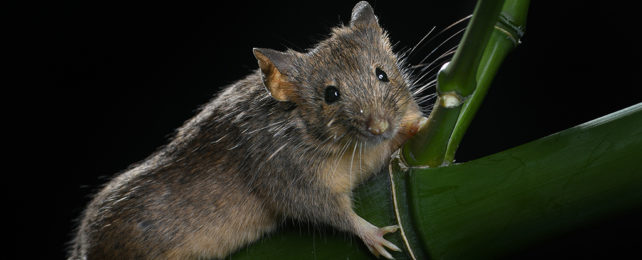 One of the lab mice used in the research.(Qiang Wang)
Changing the number of chromosomes an animal has can take millions of generations to happen in nature through the course of evolution – and now, scientists have been able to make these same changes in lab mice in a relative blink of an eye.
The new technique usingstem cellsand gene editing is a major accomplishment, and one that the team is hoping will reveal more about how the rearrangement of chromosomes can influence the way that animals evolve over time.
It’s in chromosomes – those strings of protein and DNA inside cells – that we find our genes, inherited from our parents and blended together to make us who we are.
For mammals like mice and us humans, chromosomes typically come paired. There are exceptions, such as in sex cells.
View original post 510 more words
 Exposing the Big Game