
By Haley Brink and Michelle Watson, CNN
Published 11:36 AM EDT, Sun September 18, 2022
https://www.cnn.com/2022/09/18/weather/california-mosquito-fire-rain/index.html
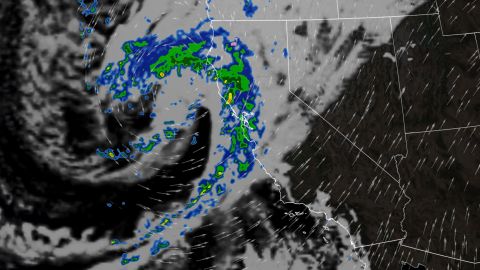
An unseasonably wet storm will bring rain relief to California this weekend.CNN WeatherCNN —
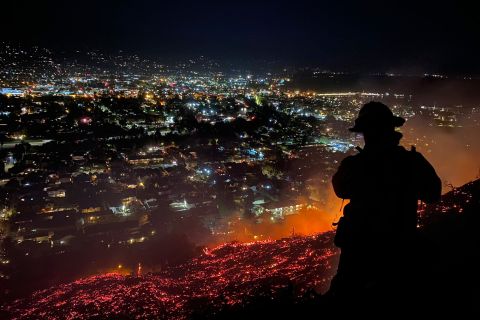
A wet weekend in central and northern California has helped firefighters better contain the Mosquito Fire, the state’s largest fire of the year.
The Mosquito Fire, which has burned nearly 75,000 acres, is now 34% contained, a significant jump from the 20% containment on Friday, according to a Sunday morning update on InciWeb.
The update said that fire behavior overnight was “minimal” because all areas of the fire received precipitation.
Ad Feedback
“Rain is expected to be light and sporadic Sunday morning, but by the afternoon and evening, rain showers will be heavy and widespread. By Monday morning, most of the fire could have received more than an inch of rain,” the update said.
“Rain changes the firefighting strategy to some degree but does not change the priority of improving conditions in evacuated areas such that residents can be allowed to return.”
The storm system represents an early and substantial rain event that experts believe could help slow the ongoing fire season – at least temporarily. While rain and cooler temperatures this weekend may help with immediate fire containment in the short-term, the long-term drought persists across the state.
“Fuels are still critically dry, near record levels, and a period of warmer, drier weather will likely follow the rain,” the National Weather Service sin Sacramento tweeted. “But the good news is that any rain will help ongoing or new fires!”
Nearly the entire state of California remains under drought conditions and dry conditions are likely to continue to fuel the development of new fires later this month and into October.
Caitlin Ochs/Reuters
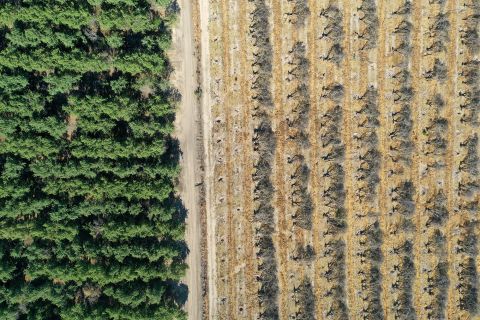
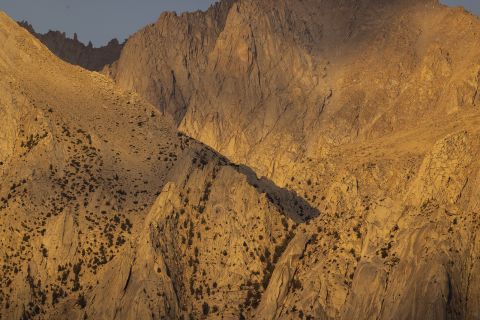
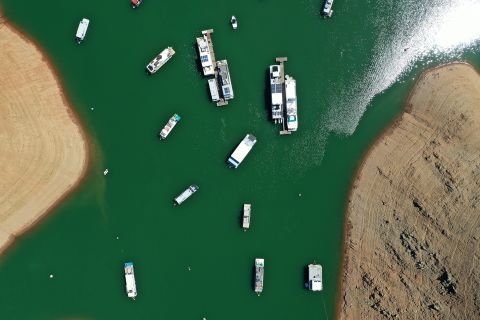
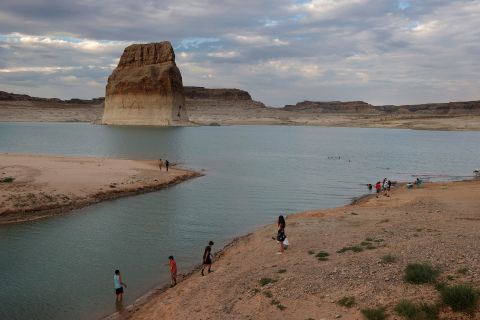
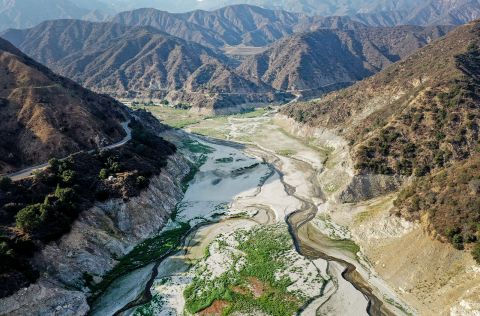
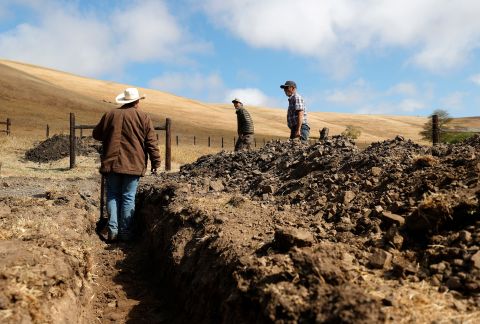
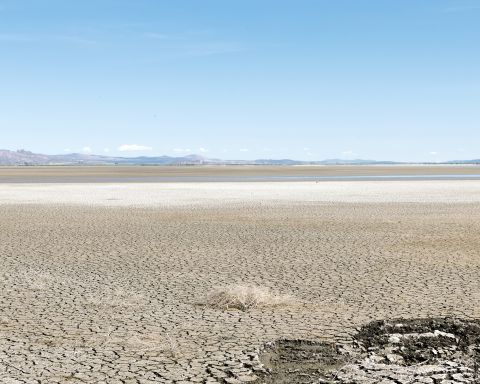
An aerial view of Lake Powell and the Glen Canyon Dam in Page, Arizona, on April 20. The Department of the Interior said on August 16 it is prepared to take action to limit the water releases from Lake Powell to prevent it from plunging below 3,525 feet above sea level by the end of 2023. Below that level, the Glen Canyon Dam, which forms the reservoir, cannot produce hydropower.


1 of 25PrevNext
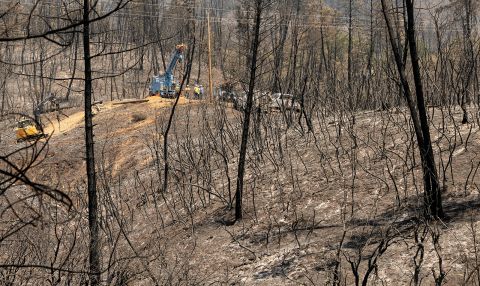
The Mosquito Fire has become the largest fire in California this year since igniting more than a week ago in the forest between Sacramento and Lake Tahoe in the Sierra Nevada Mountains.
Track the Mosquito Fire’s growth here
More rain expected Sunday and Monday
CNN Weather
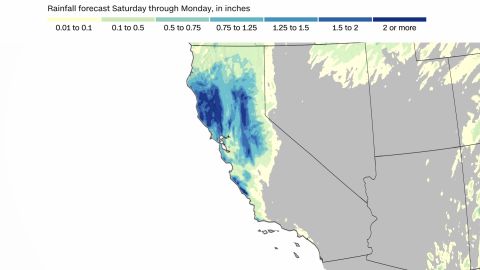
The heaviest rainfall from the system is likely to occur Sunday through Monday, when widespread rainfall totals of 0.3 inches along the coasts to 3 inches up in the mountains are possible.
Enter your email to sign up for the Wonder Theory newsletter.

Want to stay updated on the latest space and science news?
We’ve got you.Sign Me Up
By subscribing you agree to our
To put the unseasonably high rainfall totals in perspective, San Francisco and Sacramento average less than a tenth of an inch of rain for the month of September.
San Francisco last saw rain on August 1, but it was a measly one hundredth of an inch. It has been a dry year for The Golden City with only 1.9 inches of rain recorded since January 1, putting the city nearly 11 inches below normal rainfall so far this year.
The last time Sacramento saw measurable rain was more than three months ago on June 5. They have only seen 2.17 inches of rain this year, which is about 10 inches below normal to date.
September is also the third-driest month of the year for these cities, behind August and July, which lines up with the peak of northern and central California’s fire season of September-October.

The fight against drought in California has a new tool: The restrictor
A Level 1 of 4 risk for excessive rainfall has been issued for Sunday, across coastal portions of northern and central California, as rainfall rates of a half inch per hour are possible, which could lead to flooding.
“Though much of the rainfall may be beneficial, some isolated runoff issues may occur in urban areas and/or in areas of steep terrain,” the Weather Prediction Center said.
The low-pressure system is likely to linger off the West Coast through early next week, keeping rain chances in the forecast through at least Tuesday.
Rain will not be the only benefit from this storm. Temperatures will also plummet to well below normal through the weekend with highs only in the 60s and 70s for much of central and northern California.
Temperatures may actually be cold enough in the Sierras at elevations above 8,000 feet, for some light snowfall to accumulate Sunday into Monday night.

CNN Weather
The NWS office in San Francisco said the weekend temperatures are “definitely a welcoming site given the record-breaking heat much of the area experienced just last week.”
The unseasonable weather pattern is a welcome relief, but it is not expected to last long.
“Warmer and drier weather is then forecast for the area during the latter portion of next week as most [weather models] show high pressure over the Northeast Pacific trying to develop,” the NWS office in Eureka said.
The Climate Prediction Center 8- to 14-day outlook also shows indications of warmer and drier weather returning the last week of September into October.
CNN meteorologist Allison Chinchar and Cheri Mossburg contributed to this report.
 Exposing the Big Game
Reblogged this on The Extinction Chronicles.