
The Avian Flu outbreak has led to the destruction of over 1 million birds in the region, causing significant economic damage to farmers, workers, and customers alike.
Listen to Story
ADVERTISEMENT
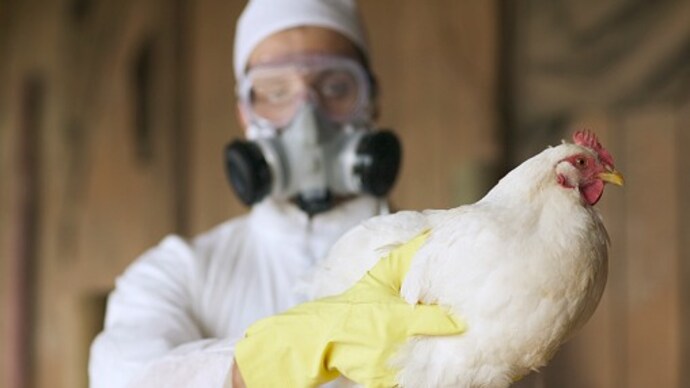
Avian flu or bird flu is caused by the influenza A virus. (Photo: Getty Images)

New Delhi,UPDATED: Jan 29, 2024 13:37 IST
In Short
- Avian flu outbreak has led to the destruction of over 1 million birds in California farms
- This highly contagious viral disease is seen in domestic poultry
- In humans, the symptoms can range from mild to severe
Over the last few weeks, the US state of California, once known as the “Egg Basket of the World,” is facing a severe crisis as highly pathogenic avian influenza (HPAI) wreaks havoc across its poultry farms.
In Sonoma County, a state of emergency has been declared following the infection of Mike Weber’s Sunrise Farms, where 5,50,000 egg-laying hens had to be culled to prevent further spread of the disease.
ADVERTISEMENT
This outbreak has led to the destruction of over 1 million birds in the region, causing significant economic damage to farmers, workers, and customers alike.

MUST READ
‘Mummy, Papa, I can’t do JEE’: Teen dies by suicide in Kota, second this year
TRENDING TOPICS:
Bihar Political TurmoilRam MandirBharat Jodo Nyay YatraINDIA BlocIsrael-Hamas War
WHAT IS AVIAN FLU?
Avian flu or bird flu is caused by the influenza A virus which usually birds contract, but it can infect humans too.
This highly contagious viral disease is seen in domestic poultry including guinea hens, ducks, geese, and chickens. People can get this virus if they come in contact with a sick bird.
SYMPTOMS OF AVIAN FLU
Avian flu presents various symptoms in birds, including diarrhoea, breathing difficulties, swollen heads, and sudden death.

ADVERTISEMENT
In humans, the symptoms can range from mild, such as cough, headache, sore throat, and fever, to severe conditions like pneumonia requiring hospitalisation.
Other human symptoms include shortness of breath, chills, fatigue, congestion, muscle aches, and in some cases, conjunctivitis.
Transmission of Avian Flu to Humans
The transmission of avian flu to humans typically occurs through direct contact with infected birds, contaminated surfaces, or bird droppings.
It is unlikely for the virus to spread to people from consuming undercooked eggs or poultry.
However, people who handle infected birds or come into contact with their environments are at higher risk.
Preventive Measures
To prevent the spread of avian flu, experts recommend several measures:
- Properly handle and cook poultry and eggs to an internal temperature of 73.8°C to kill viruses.
- Practice good hygiene, especially when handling raw poultry.
- Use separate utensils for cooked and raw meat.
- Avoid contact with live birds and poultry.
- Implement biosecurity measures, such as restricting access to poultry farms and disinfecting clothing and equipment.
Treatment for Avian Flu
While there is no specific treatment for avian flu in birds, infected flocks are euthanised to contain the virus.
For humans, antiviral medications such as oseltamivir may be prescribed to treat the infection.
It is crucial for individuals who suspect they have been exposed to avian flu to seek medical attention promptly.
 Exposing the Big Game
Too much livestock needed to feed too many people, and it is destroying the planet. That is simply the root of all of this.