
Volunteers say the wounds found on stray cats in Ehime prefecture suggest it is very likely the animals are being deliberately harmed
Reading Time:3 minutes
Listen
Further Reading
Japan winds down Russia outreach as geopolitical rifts eclipse soft power aims
Cat falls into toxic chemical tank in Japan and escapes, sparking health scare
‘Overflowing with faeces, urine’: 150 dead cats found in Japanese woman’s home
Discover MORE stories on
Terror in the deep: a Philippine lake’s myths are rewritten in bones
Opinion | Is the world heading back to a 1930s-style war economy?
Daughter sues Japan hospital over triple billing for Chinese mum’s treatment
related topics
discover more stories from
Letters | Hong Kong is no Cappadocia, but balloon fest should have been better handled
Sobering trend: nearly half of young Japanese never drink alcohol, survey shows
Browse other locations
China
Asia
North America
Middle East
Europe
Russia and Central Asia
Oceania
Africa
Americas and Caribbean
NEWSLETTEREvery Monday
Pressing stories and in-depth analysis from the Asia region.
By submitting, you consent to receiving marketing emails from SCMP. If you don’t want these, tick here
By registering, you agree to ourT&CandPrivacy Policy
Before you go
scmp poll
Published: 9:30am, 13 Sep 2025Updated: 1:35pm, 13 Sep 2025
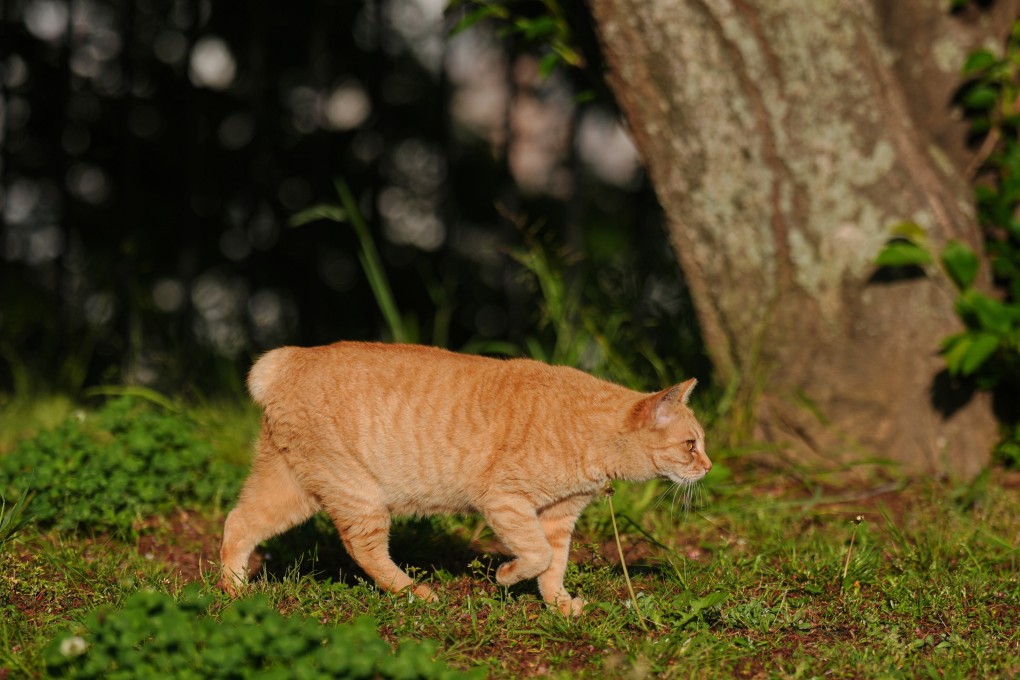
Police in southern Japan are investigating what animal welfare advocates fear is a pattern of deliberate cruelty, after at least 10 stray cats were found with a leg amputated and left untreated.
The first case surfaced roughly a year ago in Niihama, Ehime prefecture, where a stray was spotted with a front leg severed just above the knee. Since then, similar injuries have been reported on multiple cats in the area, with the most recent victim brought to a veterinary clinic in August.
Kaoru Matsuo, a volunteer at the Ehime Dog and Cat Association, has been treating the injured animals and coordinating rescue efforts with local residents. She believes the wounds are too clean and consistent to be accidental.
“When cats are involved in traffic accidents or caught in hunters’ traps, their legs are still often partially connected,” she told Ehime Broadcasting Corp. “But the cats that we have treated had their legs completely torn off.”
The local hunting association has assured police that no traps for boars have been set in the area recently, while experts have also ruled out attacks by wild animals on the grounds that the cats all appear to have suffered virtually identical injuries.
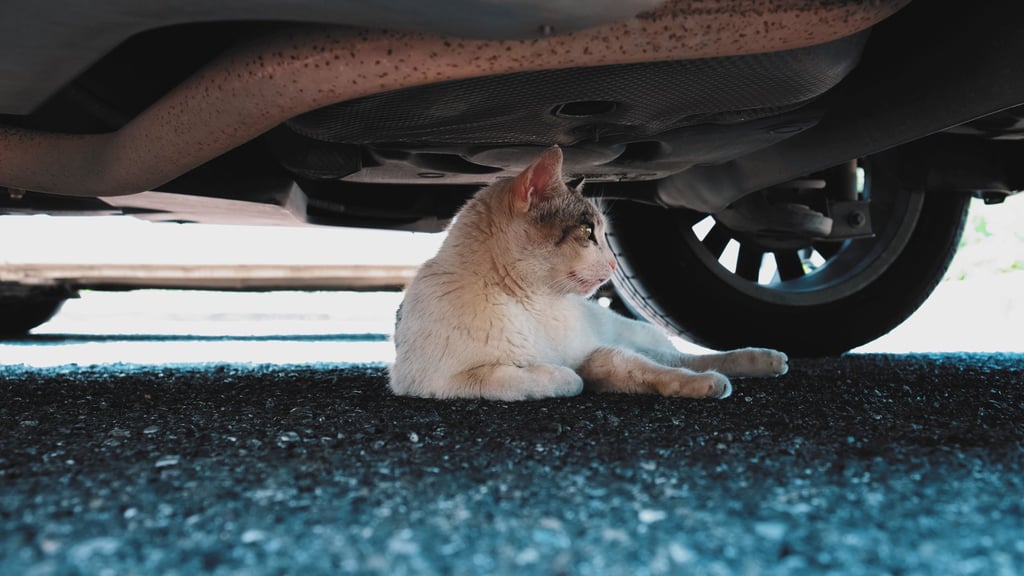
At least three other cats with amputated legs have been reported in the area, according to Matsuo, suggesting it is very likely they are being deliberately harmed.
In a message to the perpetrator, she said, “Please stop taking lives or harming animals for the purpose of mischief or abuse.”
Ren Yabuki, founder and director of the animal welfare NGO Life Investigation Agency, believed that this case and others like it were linked to discontent with Japanese society and factors ranging from financial hardship to stress and distrust of politics could have been a trigger for the offender.
“If this is not an accident but deliberate abuse, the perpetrator may be attempting to convey a message to society,” he told This Week in Asia. “They might cut off just one leg without killing the cat, release it back into the town and then secretly watch for it to be discovered.”
“This likely correlates closely with the increasing number of people diagnosed with mental disorders or similar symptoms within Japan, as well as with social anxiety,” he said.
Yabuki also blamed the proliferation of the internet for animal cruelty as “it facilitates the gratification of impulses to abuse others or to have others witness one’s abusive behaviour”.
“The internet enables the casual sharing of abusive acts and the acquisition of misguided validation,” he said.
The Niihama cases appear to reflect a broader and disturbing trend.
In March, police in Matsuyama City – also in Ehime prefecture – arrested 23-year-old Akimasa Sato on suspicion of violating Japan’s Animal Welfare Act. Sato allegedly tortured multiple cats both in his home and in a public park, including setting some on fire.
A similar case drew headlines abroad in August, when police in Sliema, Malta, arrested 31-year-old Japanese national Satoshi Okamura on charges of mutilating and killing cats.
Local authorities identified Okamura using security camera footage, which showed him committing the acts in public spaces. He resisted arrest, according to the Times of Malta, and is scheduled to be sentenced on Monday.
Okamura, who works as a game developer, has provoked widespread outrage among Malta’s Japanese expatriate community, who have raised more than €12,000 (US$14,075) for animal welfare organisations in response.

03:41
Survivors of Japan’s deadly earthquake struggle to pick up the pieces over a month since disaster
Survivors of Japan’s deadly earthquake struggle to pick up the pieces over a month since disaster
An online petition demanding the “maximum penalty” for Okamura – five years in prison and a €50,000 fine for each of the seven cats he killed – has also gained momentum.
“Animal Guardians Malta and all the people signing this petition are humbly demanding justice for each cat tortured by Satoshi Okamura,” the petition read, rejecting the possibility of probation or a suspended sentence.
One supporter commented on the petition: “As a fellow Japanese, I feel deeply ashamed. This cruel act is unforgivable and I demand the maximum penalty.”
Another added, “Deliver a sentence with a firm message: animal cruelty is unacceptable and will not be tolerated.”
Japanese government statistics show a record 181 violations of the animal welfare law in 2023 – the highest since data collection began and part of a sharp upwards trend over the past 15 years.
In 2010, when such figures were first compiled, just 33 people were arrested or referred to prosecutors for animal abuse. Most cases were reported by neighbours, while others were flagged by veterinarians or animal welfare groups.
Cats were the most frequent victims of abuse in 2023, accounting for 97 cases, followed by 65 involving dogs. There were also incidents of abuse involving horses, cows, ferrets and turtles. Many of the pets were abandoned, while others were not fed or were deliberately injured or killed.
 Exposing the Big Game