

36K Followers
Story by Ariana Garcia
• 15h •
3 min read
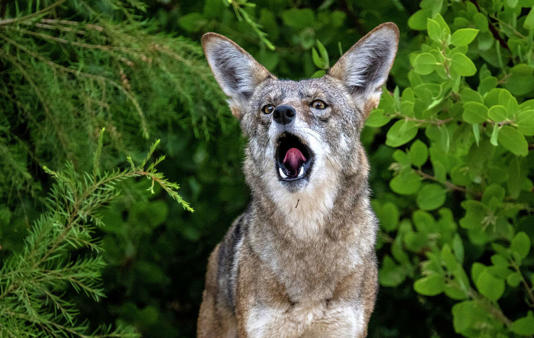
Coyotes have become a familiar sight in many Texas neighborhoods. A city’s decision to use sharpshooters for coyote control drew sharp criticism this week. (MediaNews Group/Orange County Re/MediaNews Group via Getty Images)
Leaders in a Dallas suburb are facing backlash over how they’ve chosen to respond to a recent rise in coyote activity. This week, the City of DeSoto announced plans to work with the U.S. Department of Agriculture’s Wildlife Services to curb incidents involving coyotes, including several reported attacks on pets.
Americans Over 55 Are Ditching Hearing Aids for This New Device


According to a public notice, the coyote removal operation was scheduled for early Wednesday morning, beginning around 2 a.m. The targeted area was between East Wintergreen Road and East Belt Line Road to the north and south, and I-35E and North Westmoreland Road to the east and west.
The operation was to be carried out by USDA Assistant Director Supervisor Adam Henry and a partner traveling in a gray truck. They were directed to alert the Southwest Regional Communications Center (SWRCC) before and after the operation to ensure dispatchers were aware of their presence.
Sexual Harassment Training – Simple. Affordable. Effective. – Free Course Preview
USDA Wildlife Services planned to remove coyotes from their vehicles in coordination with DeSoto police. Officials warned that residents might hear gunfire during the operation, adding that it would be part of the planned removal and “should not be cause for alarm.”
City officials told WFAA that professional marksmen, authorized under federal wildlife management protocols, would conduct the culling from vehicles. The early-morning timing, they said, was intended “to minimize public activity and ensure safety.” Officials added that an “after-action report” would be released if deemed necessary by executive staff and code enforcement.
News of the operation quickly drew sharp criticism online. “This is absolutely wrong!!! The city of DeSoto should be ashamed of itself!” one Facebook user wrote. “Trapping is a better approach than firing guns in the neighborhood at 2 am. BE BETTER DO BETTER DESOTO,” another said.
“THIS IS SICKENING! WHAT IS WRONG WITH YOU ALL?” read another comment.
“This is pathetic, killing animals for going to their home,” someone else added.
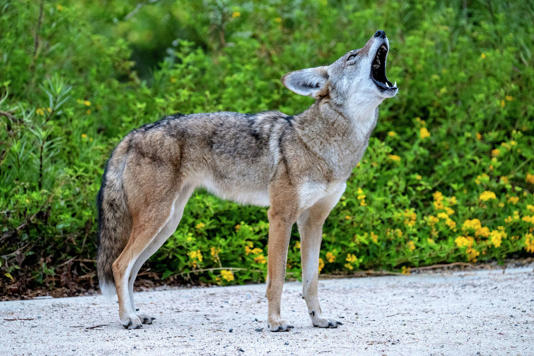
DeSoto residents slammed the city’s decision to use sharpshooters during an early-morning removal operation. (MediaNews Group/Orange County Re/MediaNews Group via Getty Images)
Among those voicing opposition was Rebecca Hamlin, who runs the North Texas Wildlife Center, an animal rehabilitation facility. In a series of posts, Hamlin urged residents to contact the city and ask officials to reconsider the plan.
Hamlin recounted her own experience losing a pet cat to a coyote years earlier. “It was devastating, but I very quickly came to understand that the fault was mine,” she wrote. “I violated both city and HOA ordinances that were in place to keep pets safe.”
Jitterbug Flip2 – Easiest Jitterbug Phone Ever – Easy-To-Use Big Button Phone
She said her loss motivated her to advocate for coexistence with urban wildlife. “Coyotes are part of our natural environment, they act on instinct, not malice,” she wrote. “We can’t villainize wildlife for being wild and doing what they’re hard-wired to do.”
Hamlin also cited Project Coyote, an animal advocacy group that has long criticized the USDA Wildlife Services’ lethal control program, calling it cruel, wasteful and ineffective. The organization has urged federal and local officials to pursue nonlethal coexistence strategies instead.
Coyotes are considered a keystone species by the Texas Parks and Wildlife Department and other conservation groups for their role in maintaining ecological balance. Wildlife experts say sightings tend to rise in the fall as young coyotes leave their family groups to establish new territories, often leading to more encounters in neighborhoods and green spaces.
City officials told WFAA that at least five pet attacks have been documented since June, resulting in the deaths of “several small dogs.” No human attacks have been reported.
It remains unclear whether DeSoto went through with the operation or how many coyotes, if any, were killed. City officials did not respond to multiple requests for comment from Chron.
 Exposing the Big Game