

By Ken MacGillivray Global News
Posted December 22, 2025 6:54 am
Updated December 22, 2025 5:38 pm
2 min read
Leave a comment
Share this item on FacebookShare this item on XSend this page to someone via emailSee more sharing optionsDescrease article font sizeIncrease article font size

The Alberta Society for the Prevention of Cruelty to Animals (ASPCA) says in a Saturday social media post that this is the second confirmed fatal case of bird flu in a dog in Canada.
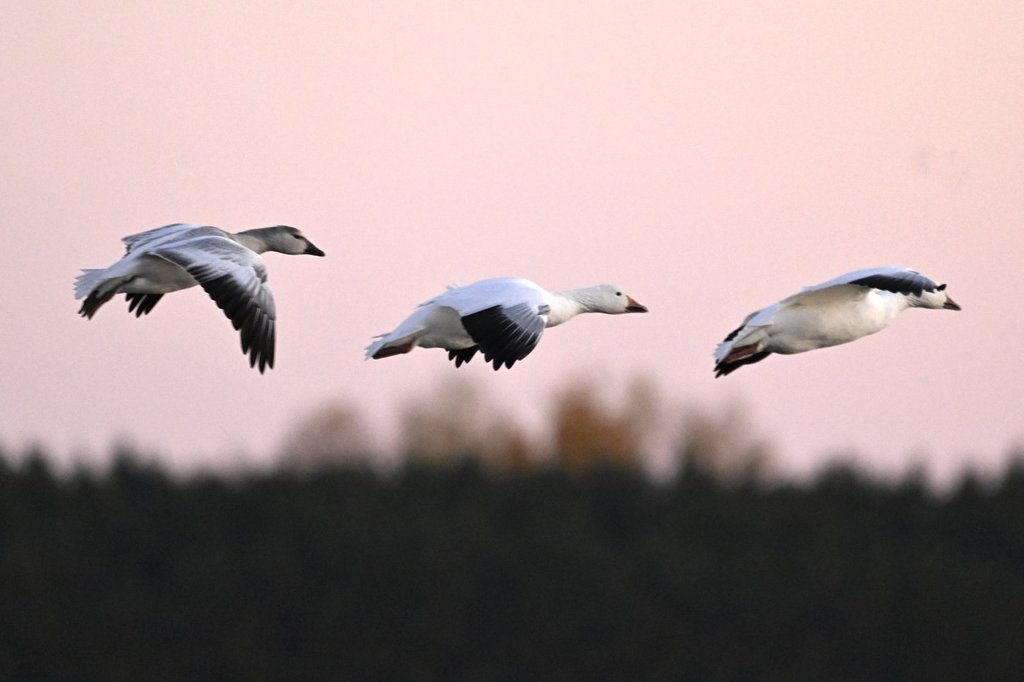
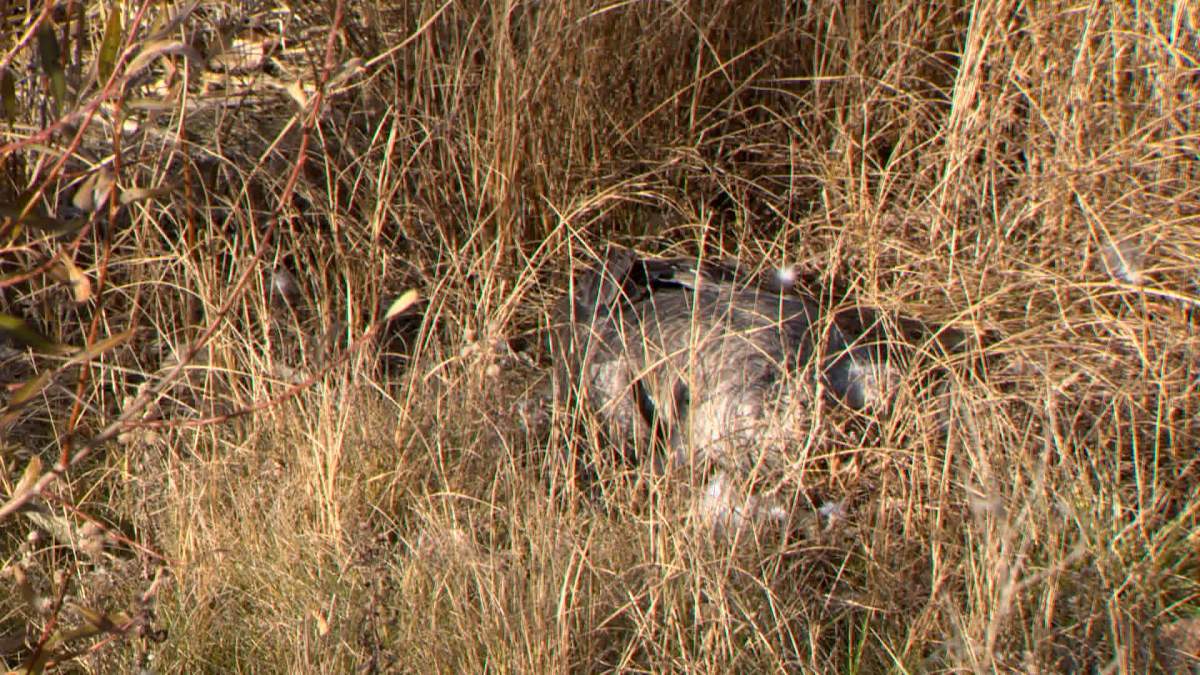
Dr. Hussein Keshwani, Alberta’s deputy chief provincial veterinarian says the golden retriever-poodle cross became ill in November, after scavenging on a snow goose carcass and because of the history and the way it presented to the clinic there was a suspicion it was infected with avian influenza.
Subsequent testing by the University of Calgary faculty of veterinary medicine, a provincial agricultural lab in Edmonton and the Canadian Food Inspection Agency (CFIA) all confirmed the animal was infected with H5N1 or avian influenza.
The first case of avian flu in a dog in Canada was in Ontario in April 2023 when a dog became ill and later died after it too was discovered to have been chewing on a wild goose.
Story continues below advertisement
Keshwani says there have also been at least two cases of avian flu in cats in Alberta, typically barn cats or ones that live outdoors.

Get daily National news
Get the day’s top news, political, economic, and current affairs headlines, delivered to your inbox once a day.Sign up for daily National newsletterSign Up
By providing your email address, you have read and agree to Global News’ Terms and Conditions and Privacy Policy.
“While I don’t think this case is cause for alarm, it’s just a reminder that there is a risk to domestic pets, especially cats, mainly avoiding contact with wild birds and their carcasses,” said Keshwani. ” So to that end, keeping cats indoors if people can, keeping dogs on leash, particularly during those peak migration times in the spring and fall.”
He says it’s also a warning for people who serve their pets raw diets. “We always recommend avoiding raw meat diets, but particularly when we’re talking about avian influenza, don’t feed your dog or cat raw meat from poultry or wild birds. And certainly if people have concerns about their pet’s health and getting in touch with their veterinarian,” added Keshwani.
Story continues below advertisement
While there are vaccines available for some canine influenza viruses, there is no vaccine for avian influenza for cats or dogs.
The CFIA, says most cases of avian flu in mammals involve direct contact with infected birds, but exposure to heavily contaminated environments such as ponds or other areas where birds congregate could also lead to infection.
The symptoms of avian flu in cats and dogs include conjunctivitis, fever, lethargy, lack of appetite, difficulty breathing and neurological problems such as tremors and seizures.
The CFIA website also shows there have been more than two dozen investigations into outbreaks or suspected outbreaks of avian flu in flocks of domestic birds in Alberta so far in 2025.
In Calgary, the detection of the highly infectious H5N1 virus in the area earlier this fall also led to the temporary closure of a local petting zoo and prompted the Calgary Zoo to close some exhibits, move some animals indoors and restrict public access to some other parts of the zoo.
 Exposing the Big Game