
Written by Lianna Tedesco
Published: January 7, 2026
Quick Take
- Wisconsin road corridors experienced a 24% reduction in deer-vehicle accidents since the 1990s.
- Gray wolves adopt linear patterns using pipelines and roads to overcome territorial hunting obstacles.
- Studies discovered that wild wolves manage deer populations more effectively than human hunters.
- The “landscape of fear” presents a behavioral hurdle for deer attempting to navigate colonized land.
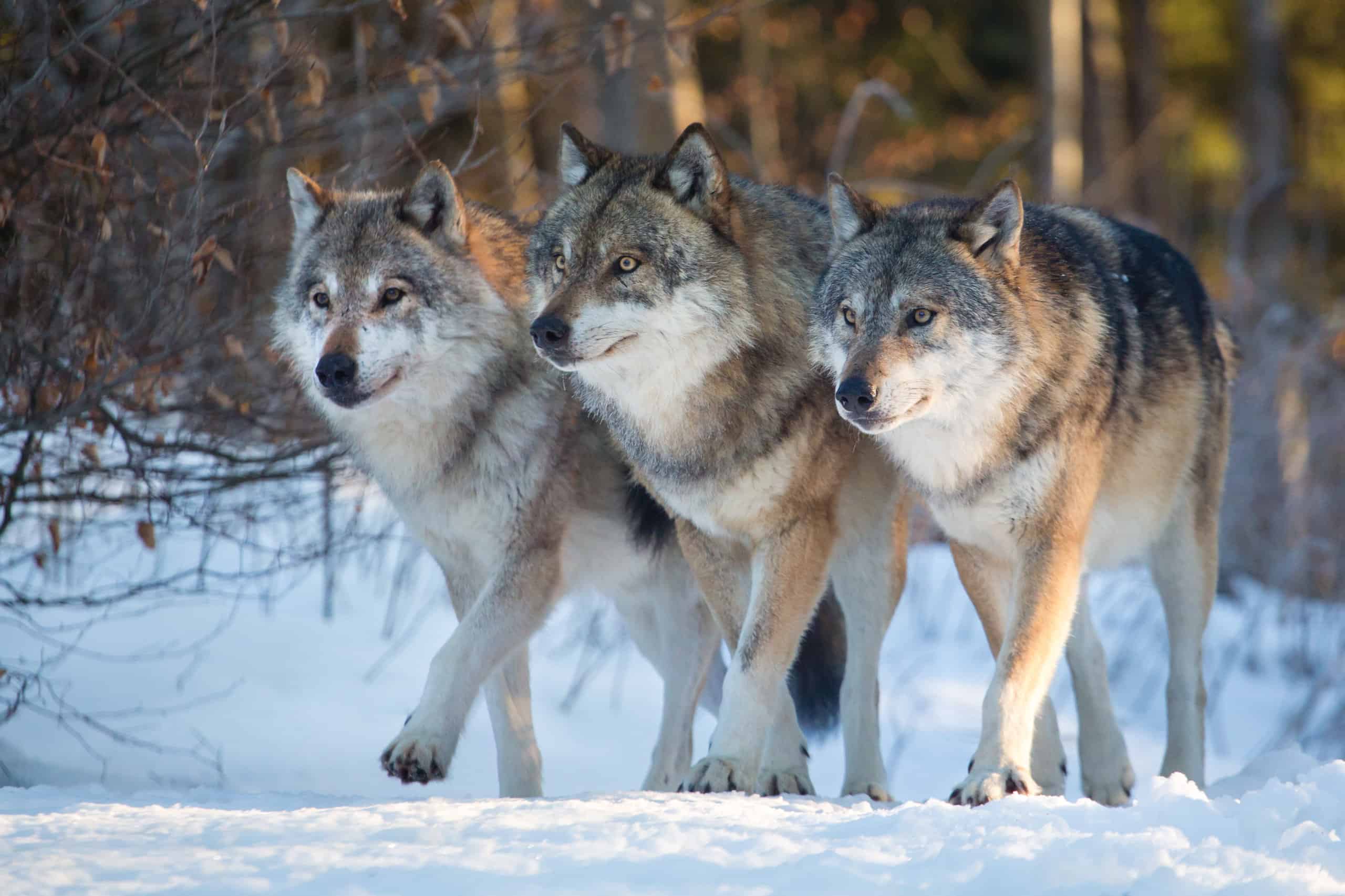
Gray wolves are currently listed as endangered under the Endangered Species Act in most of the lower 48 states, except for the Northern Rocky Mountain population. In December 2025, the U.S. House passed a bill to remove these protections, but as of January 2026, gray wolves remain federally protected until any new law is enacted. Fewer than 20,000 gray wolves currently live in the U.S. Given these numbers, it’s hard to believe wolf populations are actually saving lives when their own still hang in the balance.
However, recent data show that wolves still play a crucial role in their ecosystem despite their declining numbers. Not only are they steadily controlling deer populations, but they’re also helping in an unlikely way. When it comes to the number of deer-vehicle collisions in rural areas, wolves are unsung heroes.
How Are Wolves Saving Drivers’ Lives?
Between 1.5 and 2.1 million deer-vehicle collisions happen annually in the U.S. These are sometimes fatal, almost always for the animal, and occasionally for drivers and passengers. They result in thousands of dollars spent on car repairs, not to mention the cost of cars that are totaled in the accident. Some states have tried to address this, including installing wildlife bridges and adding more signage indicating animal crossings. While these are proactive measures, they do not rival the effectiveness of native wolf populations in reducing deer-vehicle collisions.
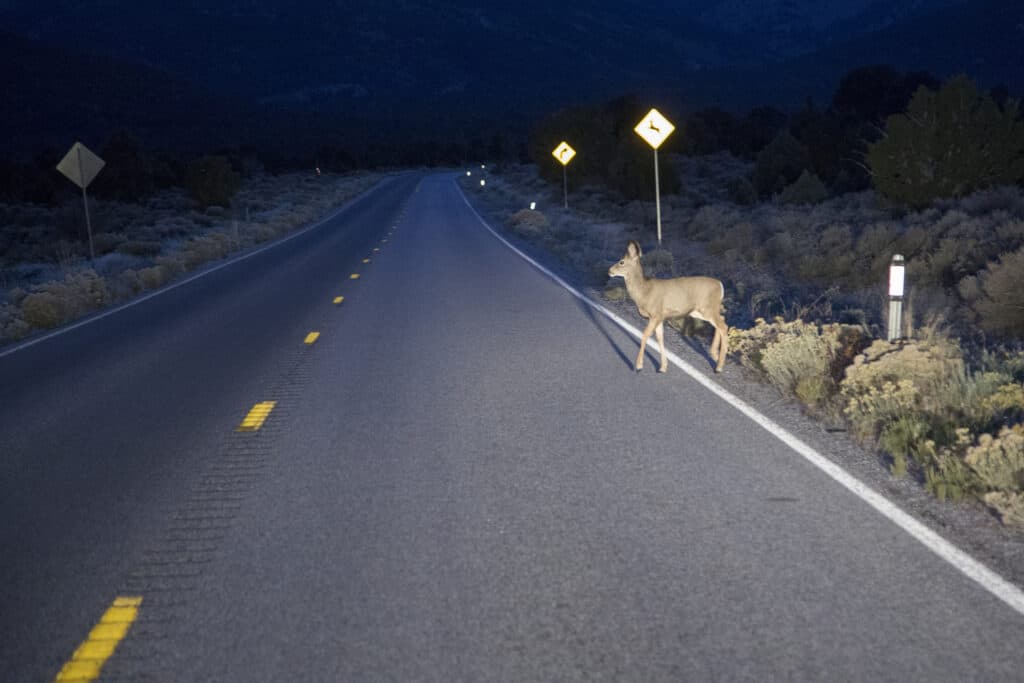
Wisconsin is typically ranked among the top five states for deer-vehicle collisions. But according to a recent study, these accidents have significantly decreased. From the 1990s onward, there was approximately a 24% decrease in accidents along major road corridors where gray wolves recolonized. This is a significant difference compared to other regions of the country without gray wolves. The theory? The gray wolf migration from Canada and Minnesota introduced not only an apex predator but also a means of population control.
Understanding the “Landscape of Fear”
Scientists now call the effect of wolves on a native deer population the “landscape of fear.” To understand this, we must first understand what happens when a predator colonizes new territory. During a wolf migration such as the one that occurred across Wisconsin, deer were introduced to a new threat. After 1985, Wisconsin saw an average annual population increase of 20%. This sent out a ripple effect. Farmers began to see more wolves than coyotes, livestock was hunted, and the deer population decreased.
White-tailed deer are the primary prey for gray wolves. Thankfully, Wisconsin has a healthy deer population, which means wolves and coyotes are not competing for food. Gray wolves also follow very linear patterns when moving into new territory and hunting. This causes them to follow straight paths such as railroad tracks, highways, pipelines, and waterways. As they hunt through these corridors, the deer population thins.
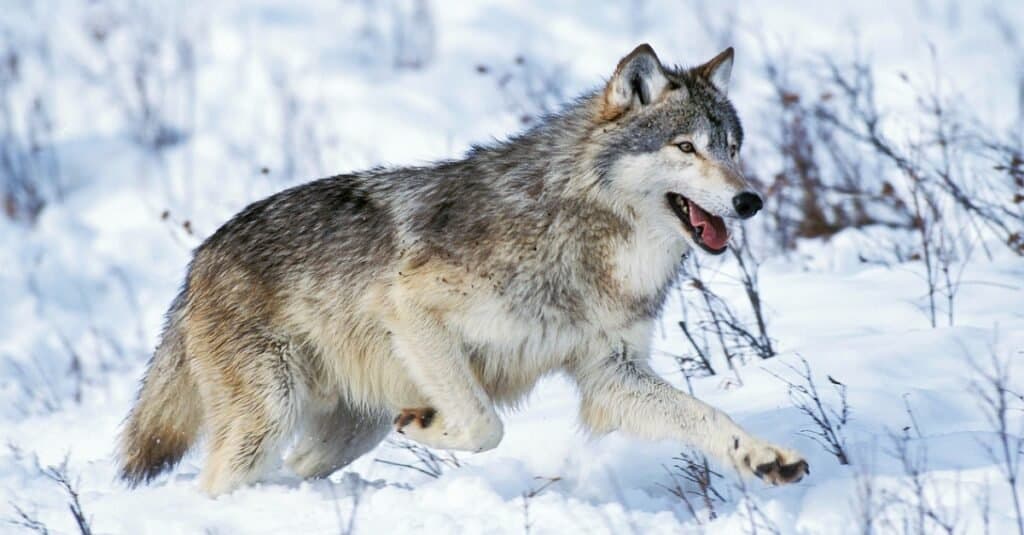
That is, until the deer begin changing their patterns. As this happens, white-tailed deer also move out of colonized gray wolf territory. By doing so, they avoid claimed areas, such as highways and roads, where wolves actively hunt. This “landscape of fear” is responsible for fewer deer crossing roadways, thereby reducing vehicle collisions.
How Are Wolves Outperforming Hunters in Deer Population Control?
Jennifer Raynor, Assistant Professor of Economics at Wesleyan University, was the first to report this 24% decrease in Wisconsin’s deer-vehicle collisions. Raynor was also the first to suggest that the “landscape of fear” is far more effective than hunting to control the deer population. This research is now invaluable, as it is helpful for both conservation and economics. Following recent legislative efforts to overturn Endangered Species Act protections for gray wolves, conservationists fought to save them in Wisconsin. Simultaneously, hunters were preparing to help control the population, which was affecting local farmers and livestock.

While hunters are dispatched to address these wildlife problems, this is not a flawless solution. Designated hunting grounds can potentially affect native wolf populations that are saving lives. There’s no way to tell if the wolves that are hunted are the same ones feeding along these travel corridors. Another significant issue with hunting is that its adverse effects cannot be determined until the season is over. Wolves are already at risk, and now their population decline is even more pronounced. Additional hunting pressure could threaten local populations while also increasing deer-vehicle collisions as the white-tailed deer population rises.
Gray Wolves Could Be a Crucial Turning Point
Raynor’s data now also serves as a middle ground, showing that maintaining a healthy, native wolf population can be more beneficial. Knowing that wolves may help save the lives of Wisconsin drivers makes a substantial difference. Raynor’s goal is for natural resource managers to make informed and sustainable decisions, many of which may affect the safety of the state’s roadways.
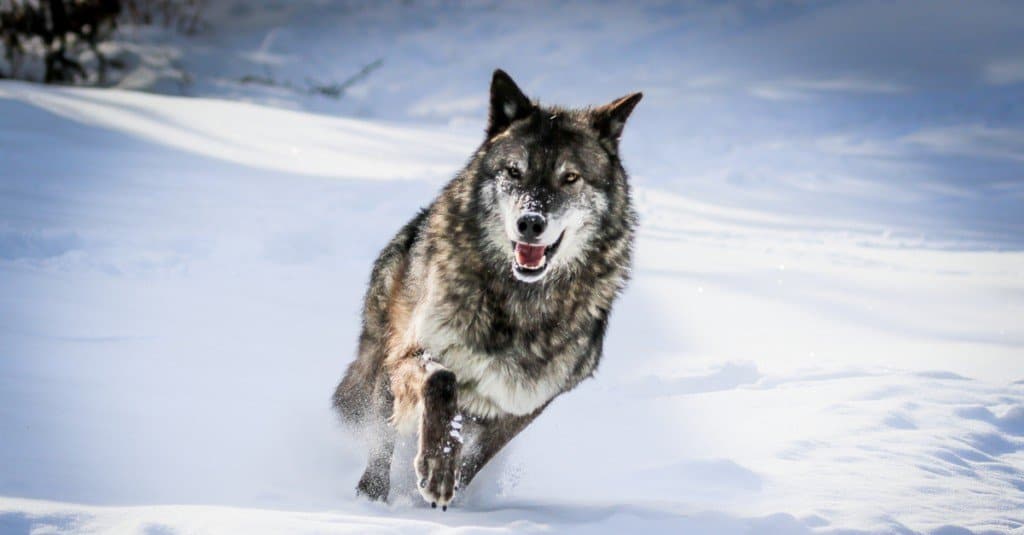
Another factor to consider is where wolves have previously been studied. Raynor’s data stands apart because of one crucial element: human behavior. This was a point made by Ed Yong in The Atlantic, and it is even more relevant today, as traffic is heavier. Whereas case studies conducted in national parks or rural regions don’t include statistics on vehicle collisions, this study does. Gray wolf studies in Denali National Park, Yellowstone, and Isle Royale National Park tell us about their interactions with moose, their habitat, and migration habits. However, none of these include their presence around humans or how that affects the wildlife around them. Studying these interactions could result in improved data for both conservationists and human safety.
 Exposing the Big Game