
Some articles in the mainstream media are so completely one-sided that they’re nothing short of sales pitches for animal exploiters. Reading them gives me the overwhelming urge to call “bullshit” at the top of my cyber-lungs (apologies to those with tender sensibilities). The following are excerpts from one such article (this one is from a Wisconsin newspaper).
My comments are between paragraphs (in parenthesis)….
Carolyn Schueppel was walking her dog in a privately owned conservation area near Lake Waubesa where dogs were commonly, but illegally, let off the leash. She let Handsome, her three-year-old Border collie mix, stretch his legs, and he raced out of sight. She found him just beyond the conservancy border in a Conibear trap that had been set to catch and kill raccoons. Terrified, Schueppel struggled with the trap but was unable to open it, and was forced to watch Handsome die.
(Sick. No one should have to go through that—raccoons or otherwise. The article makes a point to mention that she let her dog off leash “illegally,” yet does not condemn people for setting baited torture devices in the woods).
“It was horrible,” Schueppel says. “It’s still horrible. I’m struggling. The trapper set his trap on private land about 100 yards from where he was supposed to be. I don’t want to walk in the woods by myself anymore.”
(Typical, the animal exploiter ruins it for the rest of us.)
A year later Fred Strand and his golden retriever, Hank, were hunting for grouse and woodcock in northern Wisconsin when Hank stepped on a foothold trap intended to catch wolves. This time, the dog’s story ended happily. Strand is a wildlife biologist for the Wisconsin Department of Natural Resources and knew how to pry open the jaws of the trap. The foothold trap is the same design used by biologists who capture large predators to attach radio collars for studying their habits. Hank ran on without injury.
(Had it been a wolf, rather than a dog, the story would not have ended “happily.”)
New legislation will open most state parks to trapping for the first time this April. These parks will also be open for trapping from Nov. 15 to Dec. 15. Under the law traps need to be set more than 100 yards from trails, park shelters and other high-traffic areas.
(100 yards is not very far. Again, the laws are to protect people and pets; wildlife be damned.)
Conservationists say trapping is a useful tool for maintaining healthy wild animal populations. Trappers say they are harvesting a renewable resource to supply a global market for fur clothing.
(If I hear the words “useful tool” or “renewable resource” in reference to trapping animals again, I’m going to go on the warpath!)
Opponents say trapping is unnecessary and inhumane.
(Yep, it sure is.)
Beyond the philosophical differences, are we going to see an increase in the number of pet injuries or deaths in the state parks that now allow trapping? And how safe are hikers who step off the trails?
John Olson, a DNR furbearer biologist, says that traps on dry land “won’t have any impact on dogs at all.”
(Tell that to Carolyn Schueppel and her dog—rest his soul.)
He also doesn’t see any problem with traps set in water to catch beaver and muskrats. Olson says that hunting dogs used for game birds and water fowl have been sharing the trapping landscape for years without much conflict, and that trappers are experienced in trying to avoid places where their traps could catch a dog.
(Of course he doesn’t see any problem with it; he’s a DNR trapper-lackey.)
Trapping is increasing
The DNR Fur Trapper Survey of 2011-12 showed the number of trappers, the number of traps they set and the number of animals they caught are all increasing. The number of animals trapped during that time period by licensed trappers has been estimated at 588,000. That includes 151,400 raccoons.
(Sadly, trapping doesn’t seem to be a dying sport in that state.)
Brad Lease, a trapper from Ridgeway, began trapping about seven years ago. Lease used to bow hunt but quit when gun hunting was allowed during bow season in his part of the state, a change made by the DNR in response to the presence of chronic wasting disease in the local deer herd. He didn’t think it was fair to the deer, especially during the rutting season, when the animals are easy to shoot.
With trapping, he says, he can “be outdoors and enjoy everything you can see there. My son was 3 when I started trapping. I would bundle him up, put him in my trapping pack, and we’d go check traps.”
(Gee, lucky kid…)
Lease traps mostly raccoon and muskrat. When his son was 8, Lease signed them both up for a trapping class. “But catching the animal is only half the battle,” says Lease. “You have to skin the animal and comb it out and flesh it, which is taking all the meat and fat off the hide, and then stretch it on a form and let it dry so it’s ready to go to the auction.”
(Pretty morbid stuff to be teaching an 8 year old.)
Lease’s son, who is now 10, puts his trapping earnings into his college fund. He averaged $23 a raccoon in the January auction of the North American Fur Auction.
($23 every time he takes a life. Either tuition is dirt cheap in Wisconsin or the kid will have to murder and skin a whole lot of raccoons to pay for his schooling. Hopefully he’ll take a course in cognitive ethology and learn that non-humans experience pain and fear the way he would if he were caught in a trap.)
Heart of the fur trade
The fur trade in Wisconsin goes back long before statehood. By 1830 overhunting drove the furbearer populations almost to extinction.
(It was wrong then and it’s still wrong.)
Today Wisconsin is once again at the heart of the fur trade. The bulk of the international fur trade passes through the North American Fur Auction, held four times a year in Toronto. The company’s website states that it auctioned nearly one million raccoon skins in the past year, adding “it is these very large quantities that make NAFA the preferred supplier to our buyers, especially the Chinese.”
(One million skins of torture victims sold; what a thing to brag about—sounds like a McDonalds slogan.)
Many of these furs are funneled through the auction house’s facility in Stoughton. The bulk of the furs processed there are farm-raised mink, which are devoured by the global fashion industry. Most Americans have become repelled by the idea of wearing fur…
(Now that makes me proud to be American.)
Fur is seen as a renewable resource…
(Aaargh, they said it again!! Fur is not a fucking “resource,” it’s the hair and skin of a sentient being! Why don’t they get it?)
Only 2% of the wild fur harvested in the United States stays here, according to Dennis Brady, who is the trapper liaison for NAFA in Stoughton.
(“Harvested” is another one of those arrogant, anthropocentric words.)
Though he works for the auction house, Brady says money is the wrong reason to be a trapper.
“It’s hard to break even when you add up your time and fuel. I’m in it to learn. I’ve been trapping for 46 years, and I do know a lot, but I learn something new every day.
(It’s called an obsession—an unhealthy obsession with a victim, like a stalker or serial killer. And there are a lot of non-lethal ways to learn about wildlife.)
“Once you become a trapper and start learning where and how these animals live, it wakes up your awareness. Just because you are a trapper doesn’t mean you are out there just to kill everything.”
(Yes it does! It’s not like you’re not out there picking flowers, or mushrooms or berries, or observing an animal’s behavior through binoculars.)
For example, a foothold trap, which will not be permitted in Wisconsin state parks on land, is commonly used elsewhere to trap coyotes and wolves. “People think this is a monster trap with big teeth. But that kind of trap is not legal now,” says Olson. “You see old bear traps like that hanging on the walls in hunting lodges, but today we only allow small foothold traps that have been modified to improve animal welfare. It may have an offset that closes with the jaws slightly apart so the animal is held but not pinched. Some have padded jaws. Some are laminated to spread out the clamping force.”
(The monsters are the people who leave a wolf or coyote stuck in a trap for days and nights, unable to join the rest of their pack. Trapped animals aren’t out there thinking: “Boy, isn’t this a comfortably padded trap.” They are desperate to free themselves. Though trappers like to downplay or dismiss it, trapped animals often resort to chewing their own foot off to escape. I’ve seen several three-legged coyotes throughout the West and found the chewed-off foot of a lynx in British Columbia.)
In Wisconsin, says Olson, there were “61 reported foothold incidents with dogs since 1997, roughly four a year.”
(That’s not a low number in my opinion, although Montana has had 51 dogs get caught in traps this year alone!)
Cruel and inhumane
There are many who do not believe that any trap can be considered humane. The Humane Society of the United States opposes trapping as well as fur ranches. The group objects to any killing of animals for the production of apparel and accessories. However, the Dane County Humane Society has created a position statement recognizing that “wildlife populations may exceed the carrying capacity of their natural habitat” and that “trapping may be a useful and necessary method for managing these populations through appropriately trained individuals and entities such as state wildlife agencies.”
(Clearly, the Dane County “Humane” Society is not affiliated with the HSUS.)
The local opposition to trapping of any kind is led by Patricia Randolph, an artist who maintains a wildlife refuge on her property near Wisconsin Dells. She writes a nature column in The Capital Times called Madravenspeak every other week.
Randolph says the expansion of trapping on publicly purchased land will “in the most cruel and dark-ages way, destroy the rest of our wildlife.” She urges those who oppose hunting and trapping to get involved in the state’s Conservation Congress, which helps to determine regulations for hunting, trapping and fishing in Wisconsin.
(And it doesn’t get much darker than trapping.)
The Humane Society of the United States sees no justification for any form of trapping except where live trapping benefits animals or their ecological systems.
Laura J. Simon, wildlife biologist for the group, says that “foothold traps cause animals to suffer tremendously. Wild animals panic when they are caught in a trap. Plus, if predators see a trapped animal, it can be eaten alive. Being caught in a trap is a pretty bad experience for most wildlife.”
(Well said, except for the use of the word, “most.”)
Learn what to do if your pet is caught in a trap.
The Lincoln County Humane Society has prepared a comprehensive guide to freeing a dog from three common traps that are legal in Wisconsin: the foothold trap, snares and the body-gripping (Conibear) trap. Print it out and put it in your glove box: http://www.furrypets.com/pets/images/documents/RemoveDogFromTrap.pdf
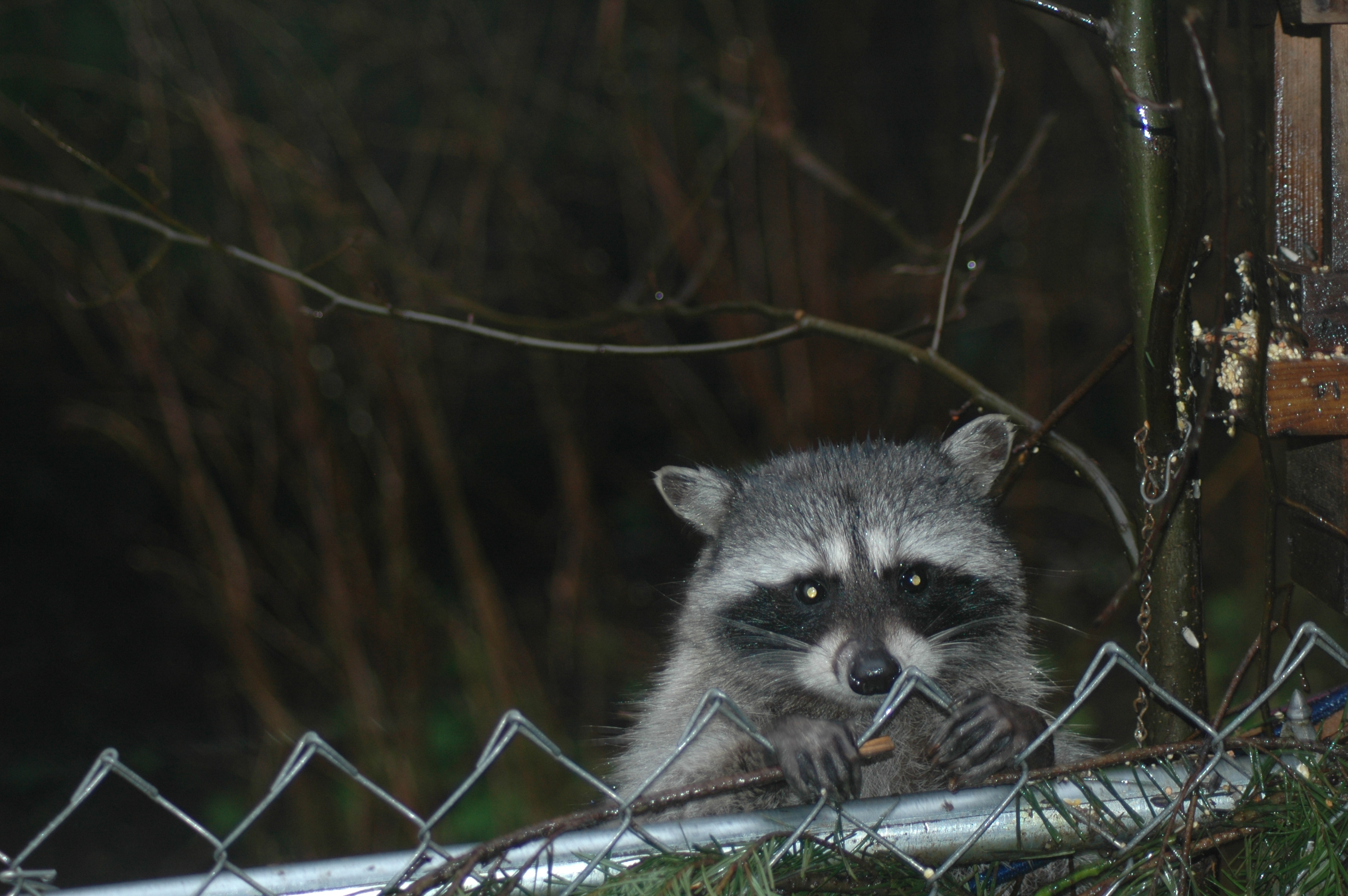
Wildlife Photography ©Jim Robertson, 2013
 Exposing the Big Game
You know Jim, Wisconsin is currently my home and I was born and raised here, but damn have we let a minority take over the policies regarding other life with giddy will to destroy. Now November 15- December 15 is a small window, but I’ll be dipped in vegan chocolate before activists in Wisconsin just sit by and do nothing.
Good to hear they’re in the minority in your state, Dywane. The way wolf-killers run roughshod everywhere, you’d think they were the vast majority.
Reblogged this on Wisconsin Wildlife Ethic-Vote Our Wildlife and commented:
Exposing the Big Game “exposing” the ridiculous pro-trapping article that appeared in the Isthmus newspaper this weekend. The article was nothing but DNR propaganda and painted wildlife advocates in a bad light. It turns out the author used to work for the DNR. How convenient.
In addition, the comments I submitted about the article on the dailypage.com weren’t “approved” and therefore not printed. In fact, there weren’t any additional comments printed, to my knowledge. What has happened to the Isthmus? Truly sad.
Aren’t hunters and trappers the minority in ALL states?? I think so. What does that mean? That everyone else is either indifferent, ambivalent or clueless. Maybe some are too scared to speak up. It’s a helluva situation but I have a sense that the tide is turning, but slowly.
For example, take a look at some of the comments here:
http://www.kare11.com/rss/article/1017026/14/Wolves-contribute-to-moose-decline#.UUdQAb-s4PM.facebook
Here is my letter (which they edited greatly!) which has been “printed” in the Chicago Sun-Times newspaper (one of two major Chicago newspapers):
Many Illinoisans enjoy heading up north to “the Dairy State” for hiking, biking and kayaking in Wisconsin’s state parks and forests. However, some ugly legislative changes have taken place: Hunting and trapping are now allowed in Wisconsin state parks and forests!
Wisconsin politicians felt that opening up state parks to hunting would attract more people to take up the state’s hunting heritage. Gun and archery hunting, as well as trapping, now are allowed from April 1 through the Tuesday nearest May 3, as well as from Nov. 15 through Dec. 15.
Better wear your flak jacket if you’re considering a hiking trip. Beware of traps; although trapping is not allowed within 100 yards of any designated trail or other designated area, pet dogs have been killed by them. Oh, and you water sports lovers? Beware! Trappers sometimes place their deadly devices under water.
Wow! Let’s look at the bright side of this. Your trip could be a potentially thrilling vacation while you try to dodge hunters’ bullets and arrows.
Great letter Elizabeth, and congratulations for getting it in the Sun Times! I especially liked this line;)… “Better wear your flak jacket if you’re considering a hiking trip.”
Read it in the paper Elizabeth ….. kudos to you! And thanks. 🙂
p.s: here’s the link to my letter: http://www.suntimes.com/opinions/letters/18936411-474/beware-of-hunters-in-wisconsin.html
I’m sharing it on Facebook and other animal sites.
When a law is immoral, the moral thing to do is break it! Activists should be out scouring the state parks looking for traps and when finding one making sure it will never be used again. The only rule one needs to respect is to not get caught. “Shoot, shovel, and shut-up” — it’s not just for endangered species-killers anymore.
Yep and in Montana the law states that if someone’s dog gets caught in a trap, the dog becomes the “property” of the trapper and can’t legally be freed without the trapper being present. Now THAT’s an immoral law!
That’s bull shit. If my dog (god forbid) got caught in one of those traps, I’d get her out the trap first, then I would discard the damn thing.
I have always wanted to go & find traps …….. then dis-arm them ……. then throw them away.
Jim, I live in Montana and whats being done here to Wolves and other wildlife is not only immoral, it should be criminal as well ! Sad part is, MFW&P sanctions the conduct.
this has to stop. please do not kill these beautiful wolves. thank you.
Jim, thank you for this detailed discussion and rebuttal. When I first became a vegetarian in the early 80s, and first immersed myself in the literature and causes of animal welfare and animal rights, I couldn’t conceive that more than 30 years later, such frivolous exploitation of animals (for fur, entertainment, etc) would still be in existence. There was momentum back then toward the positive but sadly, we’ve had backsliding and backlashes of both the political and cultural kind. It breaks my heart to read about increases in trapping — an obviously archaic, brutal and inexcusable practice in any context. I have to steel myself to endure what I hope will be a transitory time to a new age of compassion and enlightenment. These days do feel like dark ages, indeed.
Yes, better days must lie ahead…
I read this in print and was instantly frustrated with the biases presented, as well. With my science background, I was most annoyed by the final sentence under the “Cruel and Inhumane” section:
“But unlike biologists and trappers, who provide data on the safety of trapping, opponents do not seem to have collected contrary evidence to prove their case.”
First of all, I am a biologist myself, and it really pisses me off that the author associates biologists and trappers. Trappers do not conduct research so they should not be given any credit for providing data; they are the same people who want a wolf hunt because the deer population is decimated. No it is not, it has been getting healthier in correlation to the rise in the wolf population.
The single biologist interviewed focuses on fur-bearing species, is a seasoned trapper himself, and works for the DNR. Gee, I wonder what kind of data he will present. How about interviewing a biologist that does not affiliate with trapping/hunting or anti-trapping (completely unbiased)? I bet he would encourage less human management for the improved health of the entire ecosystem.
I could talk for days about the ways data can be construed to make a point, but I will only refute it with rhetoric. Why does the fact that limited instances involving dogs make it safe? If a few people drown in a river, it is deemed unsafe. If a few people die from a contaminated food source, it is deemed unsafe. If a bear-hound is killed by a wolf, wolves are deemed unsafe. Perhaps those unfortunate people who lost their pets should seek compensation from the DNR, just as hounders get to do. That might get the DNR’s attention, seeing that they make decisions based on money now, and not real research.
Glad to hear a biologist’s take on the PR that trappers know or care about the wildlife they brutalize. And yes, anyone who has a dog killed in a trap should definitely get DNR compensation as long as the DNR allows trapping.
http://lacrossetribune.com/news/state-and-regional/wi/demand-for-fur-in-china-helps-wisconsin-mink-farms/article_9f148355-2f4d-576e-aee2-daa3bcb5466f.html?utm_source=twitterfeed&utm_medium=twitter
Wisconsin’s mink farms are growing with demand for high-quality furs in China.
Fur rancher Bob Zimbal, of Sheboygan Falls, says he had 34,000 mink at his three farms a decade ago. Today, he has 54,000 breeding females, 26 miles worth of cages and an on-site feed plant.
Zimbal was among those who struggled after pelt prices sunk to $25 each in the late `90s. He says competition from farmers producing cheap pelt overseas made it hard to get by. But today, mink pelts are going for an average of $94 each.
A U.S. Department of Agriculture report says Chinese fur processors are buying foreign pelts because the country’s homegrown furs have low quality resulting from inbreeding, high feed costs and ensuing poor nutrition.
Wisconsin is the top mink-producing state.
Poor mink, stuck all their lives in crowded cages for human vanity.
Speaking of WISCONSIN!! Check this out. http://washingtonexaminer.com/wis.-lawmaker-wants-open-season-on-woodchucks/article/feed/2081965
I would like to find a trap, sit and wait like a hunter. When the trapper arrives, force him into the trap and sit and watch as he begs for help. I’d leave. Then I would move to the next trap and sit and wait! I also have had hunters on my private land, hunting!!! We have children who play in the woods, a dog park about 200 yards away from my wooded yard. Don’t tell me no one would get hurt. I have heard gun shots, caught an illegal hunter, called the police and DNR and nothing is ever done about it. These traps will be used illegally by many. Regardless, legal or not, it’s in wrong!!! Maybe these idiots need to watch as an animal or child gets trapped and screams out in pain. Heartless, cruel pricks. Step a foot too close to my house with a trap. Lets see what happens!
stealtraps.com