
Friday, Feb 14, 2014
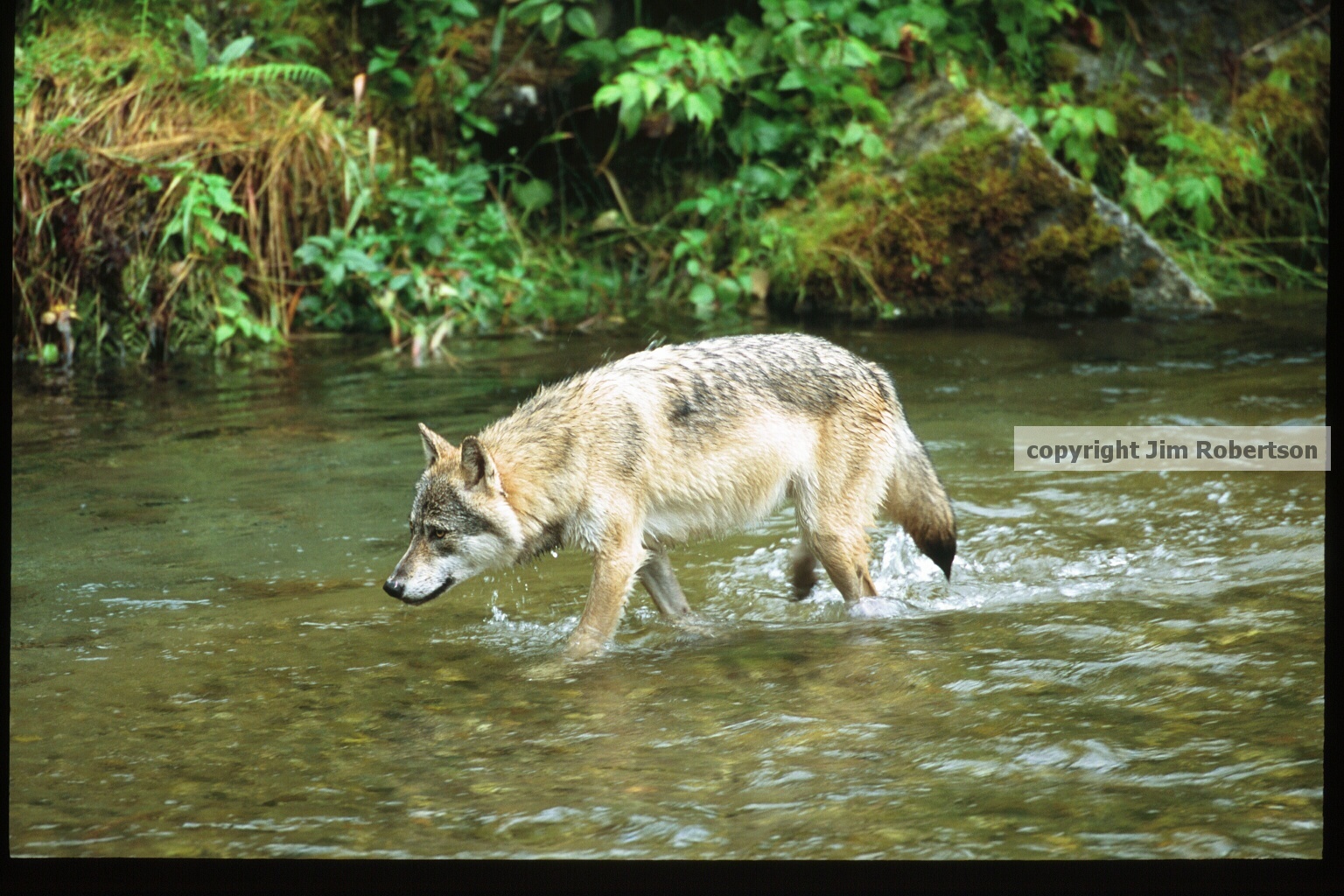
OnEarth About 300 wolves live in the nearly 2-million-acre swath of central Ontario forest known as Algonquin Provincial Park. These wolves are bigger and broader than coyotes, but noticeably smaller than the gray wolves of Yellowstone. So how do they fit into the wolf family tree? Scientists don’t agree on the answer—yet it could now affect the fate of every wolf in the United States.
That’s because last June, the U.S. Fish and Wildlife Service proposed removing gray wolves across most of the country from the endangered species list, a move that would leave the animals vulnerable to hunting. To support its proposal, the agency used a contested scientific paper—published, despite critical peer review, in the agency’s own journal—to argue that gray wolves never existed in the eastern United States, so they shouldn’t have been protected there in the first place.
Instead of the gray wolf, the service said, an entirely different species of wolf—the so-called “eastern wolf,” a species whose remnants perhaps survive in Algonquin Park—once inhabited the forests of eastern North America. Canid biologists have argued over the existence of this “lost species” for years. Yet researchers on all sides say that even if the Algonquin wolves are a separate species, that shouldn’t preclude continuing protections for the gray wolf.
On Friday, an independent panel of five leading geneticists and taxonomists came down hard on the agency’s proposal to delist gray wolves, unanimously concluding that the service had not relied on the “best available science.” Individual panel members described “glaring insufficiencies” in the supporting research and said the agency’s conclusions had fundamental flaws.
“What’s most significant,” says Andrew Wetzler, director of land and wildlife programs for the Natural Resources Defense Council (which publishes OnEarth), “is that this is coming from a group of eminent biologists who disagree with each other about the eastern wolf—and even so, they agree that the agency hasn’t properly understood the scientific issues at hand.”
 Exposing the Big Game
Eastern wolf or gray wolf of the Midwest (timber wolf) and and West ranging to deep south. What difference does it make? The gray wolf was exterminated, except maybe isolated remnants in the Northwest USA. Any wolf, no matter the taxonomy mainly by geography was exterminated or nearly so in the USA, with only remnants remaining. Wolves traveled and intermingled across lands that at one time had no man geographical boundaries, and continued to do so afterwards. Wolves may change with regard to size or fur color in different regions, but are still wolf. It seems that wrong distinctions are being emphasized here and absurd arguments by USFWS for delisting (politically motivated) and wolf biologists nitpicking and exaggerating relatively small differences. To the extent that there are viable niches for the gray wolf, or red wolf, or eastern wolf, then they should be protected until they have filled those niches. Then we should not play nature management Gods by then trying to control natural migrations and mixing as this is what they did before. The wolf is good for any true wilderness ecology, flora and fauna, in which they formerly occupied; so let man facilitate a return not block it.
Reblogged this on Ravens-Tree.com.
Roger Hewitt–you are right on the core problem. The idea of any wildlife “management” is fatally flawed. We need to protect their remaining natural systems, remove human activities from these areas, and work on “managing Homo sapiens” if we want to save what is left of Nature on this planet. Thanks for you comments.
Reblogged this on Vegan Lynx.