
March 16, 2014 8:45 pm 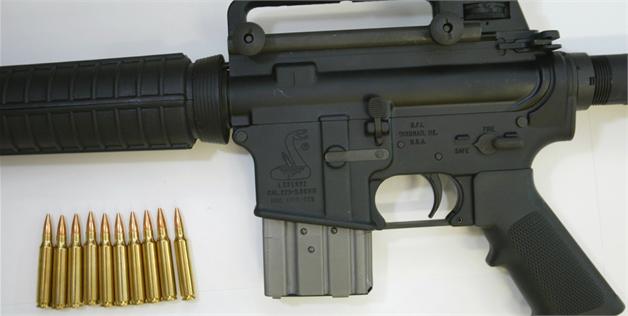
By Staci Matlock
The New Mexican
Two thin bald eagles brought to The Wildlife Center near Española in January died despite efforts by staff to save them.
The culprit was lead poisoning, according to blood tests and necropsies performed on both birds.
Lead ammunition is a deadly problem for animals and birds, even when they haven’t been shot with it, according to Katherine Eagleson, executive director of The Wildlife Center. In the case of the two eagles, they likely scavenged carcasses of animals that had been shot with lead bullets.
Lead ammunition in carcasses left behind by hunters is one source of lead that can poison wildlife. Lead shot and bullets used for target practice in rural areas like a stock pond on the Caja del Rio mesa is another source of lead poisoning. A third is lead sinkers anglers use to weigh down fishing line. Waterfowl accidentally consume abandoned line weighted with the sinkers or eat fish that have ingested the tiny lead sinkers.
Eagleson said there are plenty of other ammunition choices.
“We’re not saying don’t hunt. There are alternatives that work. Go buy them. It is a simple fix,” Eagleson said.
While steel shot is more expensive and some gun enthusiasts say it isn’t as accurate as lead bullets, Eagleson suggested hunters “get closer and hunt better.”
She said there are plenty of alternatives to lead sinkers that aren’t more expensive.
The link between lead and health problems in humans and animals is widely known. Lead accumulates in tissue over time. In people, it has been linked to anemia and neurological problems. Lead was federally banned from paint in 1977 and from pipes for drinking water in 1981.
The health impacts of lead shot on waterfowl and scavengers have been heavily studied in the past few decades, but impacts on other wildlife have been studied less. A 2011 study found high levels of lead toxicity in a free-roaming cougar in Oregon.
The federal government banned the use of lead shot for hunting waterfowl over water bodies in 1991 after it was estimated that 2,700 tons of shot was ending up in wetlands each year. More than 30 states, including New Mexico, have some restrictions on lead ammunition. New Mexico bans the use of lead ammunition when hunting common moorhens (marsh hens), soras (marsh birds), Virginia rails, snipes, doves, band-tailed pigeons, upland game or migratory game birds on all lands owned or managed by the state Game Commission.
New Mexico’s neighbors vary widely in restricting lead ammunition. Colorado bans lead shot only in the Alamosa/Monte Vista/Baca National Wildlife Refuge Complex.
But that still leaves plenty of land where lead shot can be used. It is particularly popular for people who shoot coyotes. Those carcasses are eaten by a variety of other wildlife that may eat the lead shot, Eagleson said.
Texas bans lead bullets for use on game birds in wildlife management areas and federal wildlife refuges. In 2013, California became the first state to ban all ammunition containing lead. The ban will be phased in completely by 2019.
Not everyone agrees with restricting or banning lead ammunition.
The National Shooting Sports Foundation trade group opposes any bans or restrictions on “traditional ammunition” containing lead cores unless “sound science” proves lead bullets adversely affect wildlife, human or environmental health. Hunters have used lead-based ammo for centuries without adverse health affects, according to a statement on the group’s website.
Studies of lead toxicity in wildlife and birds are available from The Journal of Wildlife Diseases, http://www.jwildlifedis.org.
 Exposing the Big Game
We have seen so many sites around New Mexico where such poisonous trash is found. Now, too more precious bald eagles are dead, because of hunting. I guess I’m prejudice, but to me, all hunters are slobs, few leave the areas they shoot up clean. Fishers are the same. The few lakes up in the Las Vegas, NM and Springer Areas (both Federal Wildlife “Refuges” are always trashed during fishing season. Now that these lakes are drying up, they actually look better, because there is little or nothing to fish. When we go to these areas, we take several large trash bags with us, & gloves, to pick up the cans, ammo, fishing hooks & lines, etc.
Sorry, in the second line, I mean’t to type “two” not “too.”