
Vote in Poll on lower right column here:“A group of wildlife conservationists asked Cape Cod National Seashore officials to ban hunting for meat-eating predators such as coyotes and foxes on the 44,000-acre park. Do you support the ban or the hunters?”…Conservationists call on park leaders to prohibit coyote and fox hunting
By Mary Ann Bragg
mbragg@capecodonline.com
Posted Dec. 12, 2014
SOUTH WELLFLEET – A request from wildlife conservationists to ban coyote and fox hunting in the Cape Cod National Seashore will be considered by the agency’s managers in the next few weeks.
Predator Defense, a conservation group in Oregon, joined with backers, including about 30 people on Cape Cod, to ask Seashore officials in a letter Tuesday to ban the hunting of meat-eating predators within the Seashore’s 44,000 acres. The Seashore boundaries include public and private lands across the Cape’s six easternmost towns.
Meat-eating predators found in the Seashore would include Eastern coyote, red fox, river otter and fisher, and in the future, could include gray fox, bobcat and black bear, according to the Predator Defense letter.
The Seashore follows state hunting regulations except for banning all hunting from March 1 through Aug. 31 and allowing a spring turkey hunt, according to Seashore Chief of Natural Resource Management Jason Taylor. The Seashore also operates under a 2007 final environmental impact statement hunting program that manages traditional hunting practices with National Environmental Policy Act standards, such as minimizing the effect on wildlife populations and ecosystems.
“The EIS was fully vetted over multiple years, so I’m not sure why we’re talking about this now,” Taylor said Thursday. Taylor said he and Seashore Superintendent George Price would likely meet to discuss the letter within the next few weeks and craft a response. He said he supported the idea in the letter that predator species are important to maintain a balance within the ecosystem, but that the Seashore is experiencing an imbalance with too many animals because of humans feeding them or leaving trash behind.
In response, Brooks Fahy of Predator Defense and wildlife conservationist Louise Kane, of Eastham, said Thursday that the Seashore had no data to back up a claim of imbalance with coyotes.
“We’d like to meet with them,” Kane said.
For 2014, state regulations allowed coyote hunting Jan. 1 through March 8, and then from Oct. 18 through the end of the year. In 2014, red and gray fox hunting was allowed Jan. 1 through Feb. 28, and then from Nov. 1 through the end of the year. There are no daily or season hunting limits for coyotes or foxes, state records show.
The state’s trapping season in 2014 for coyote and fox was Nov. 1 through Nov. 30, and the trapping season for river otter is Nov. 1 through Dec. 15. The trapping season for fisher was Nov. 1 through Nov. 22.
Statewide, there are an estimated 10,000 coyotes, and they and fox are considered abundant throughout the state including on Cape Cod, according to state Division of Fisheries and Wildlife Chief of Information and Education Marion Larson. There is not a state estimate on the number of foxes, Larson said.
On Cape Cod, there are an estimated 200 to 250 coyotes at the end of the winter, before new pups are born, according to coyote researcher Jonathan Way of Barnstable. The coyotes in Massachusetts, called Eastern coyotes, are a hybrid of a coyote and a wolf, according to Way, and he refers to them as “coywolves.” Way was one of the backers of the Predator Defense letter.
The Seashore does not maintain population studies or harvest records on coyotes or other animals hunted under state regulations, Taylor said. “What we see is basically what we observe as we do the other work on the park,” he said.
State records show 24 coyotes and two red foxes were killed in the 2013-2014 season in Barnstable County. Larson said all hunters and trappers are required to report their harvests.
Way, though, said about 100 coyotes are killed each year on Cape Cod.
Coyotes have a natural ability to regulate their population size, and typically would have a pack of three or four adult animals and a territory of about 6 to 10 square miles, Way said. Killing through hunting disrupts the packs and territories and can lead to problems such as more pups being born and more predation of domestic animals, Way said.
“The national park is the ultimate place to have a setting where you can actually study them,” he said. “The population gets stable and they can actually act like a coyote.”
The concerns noted in the Predator Defense letter include that killing “top” predators such as coyotes can cause an overabundance of smaller predators. Hunting does not reduce predation, and killing coyotes for sport rather than to eat is unethical, according to the letter. Heavily hunted animals also show signs of higher stress, the letter stated.
— Follow Mary Ann Bragg on Twitter:@maryannbraggCCT.
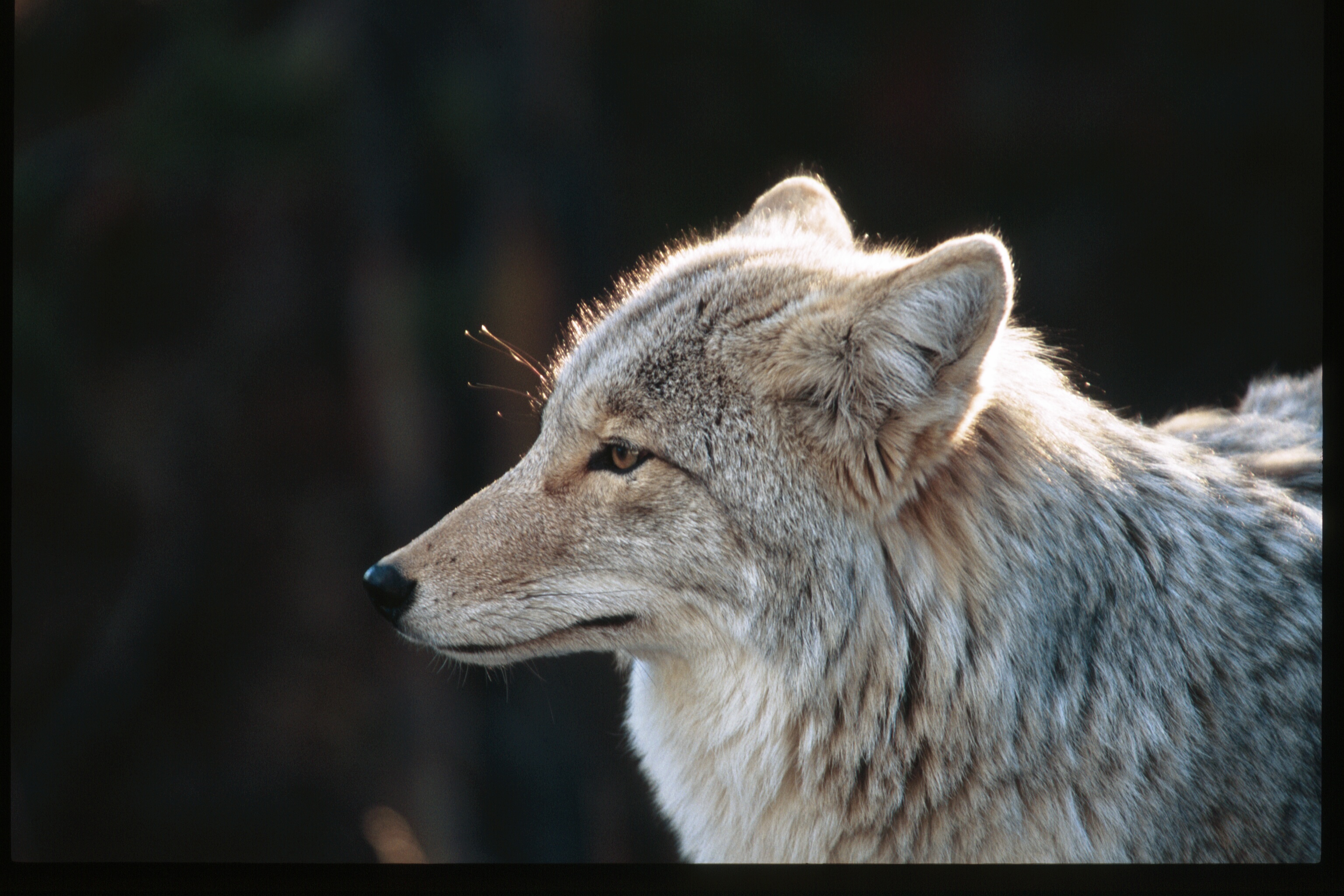
—Wildlife Photography ©Jim Robertson
 Exposing the Big Game
Reblogged this on Coalition for American Wildbirds.
Wow.. Thanks for sharing.