

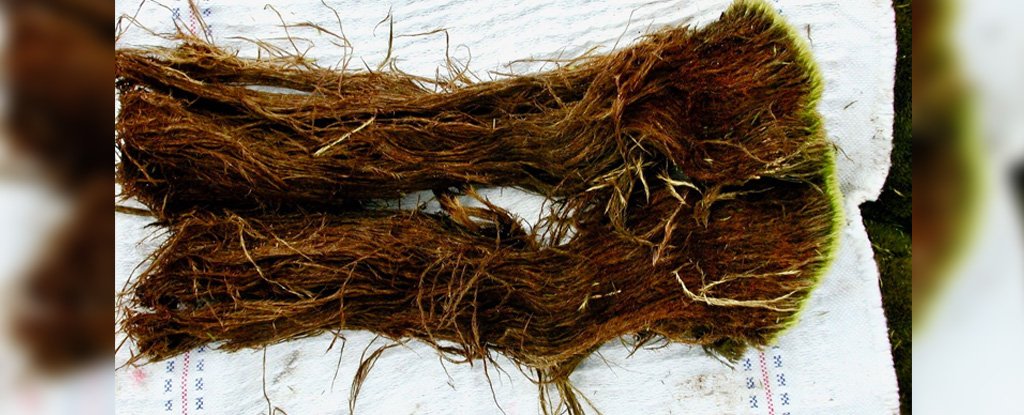
A sample of the reawakened moss. (P. Boelen/BAS)
From about 1550 to 1850, a global cold snap called the Little Ice Age supersized glaciers throughout the Arctic. On Canada’s Ellesmere Island, Teardrop Glacier extended its frozen tongue across the landscape and swallowed a small tuft of moss.
Since 1850, the plant lay frozen under a 100-foot-thick slab of ice as humans discovered antibiotics, visited the moon and burned 2 trillion tons of fossil fuels.
Thanks to this latest exploit, evolutionary biologist Catherine La Farge arrived centuries later at Teardrop’s melting edge to find the tuft of the species Aulacomnium turgidum finally free from its icy entombment. The moss was faded and torn but sported a verdant hue – a possible sign of life.
Climate change stories often highlight the teetering fragility of Earth’s ecological system. The picture grew even more…
View original post 1,130 more words

