Exposing the Big Game

Forget Hunters' Feeble Rationalizations and Trust Your Gut Feelings: Making Sport of Killing Is Not Healthy Human Behavior

Exposing the Big Game

Warmest Oceans on Record Could Set Off a Year of Extreme Weather

Exposing the Big Game's avatarThe Extinction Chronicles

  • Pacific, Atlantic and Indian Oceans have reached record highs
  • Hurricanes, wildfires and severe thunderstorms all affected

The world’s seas are simmering, with record high temperatures spurring worry among forecasters that the global warming effect may generate a chaotic year of extreme weather ahead.

Parts of the Atlantic, Pacific and Indian Oceans all hit the record books for warmth last month, according to the U.S. National Centers for Environmental Information. The high temperatures could offer clues on the ferocity of the Atlantic hurricane season, the eruption of wildfires from the Amazon region to Australia, and whether the record heat and severe thunderstorms raking the southern U.S. will continue.

In the Gulf of Mexico, where offshore drilling accounts for about 17% of U.S. oil output, water temperatures were 76.3 degrees Fahrenheit (24.6 Celsius), 1.7 degrees above the long-term average, said Phil Klotzbach at Colorado State University

View original post 808 more words

Laboratory in Wuhan breaks silence to deny claims that the coronvarius originated there

Exposing the Big Game's avatarThe Extinction Chronicles

“There is no way this virus came from us,’ said Yuan Zhiming, a vice director of the Wuhan Institute of Virology.
Image: Wuhan

Residents wearing masks pass by government propaganda posters featuring Tiananmen Gate in Wuhan. Ng Han Guan / AP

By Adela Suliman, Alex Shi and Eric Baculinao

A laboratory in the Chinese city of Wuhan has broken its silence to deny accusations that the novel coronavirus originated there.

Yuan Zhiming, vice director of the Wuhan Institute of Virology, told Chinese state broadcaster CGTN, that this was a “conspiracy theory” designed to “confuse” people. He also denied the virus was manmade.

It is the first time anyone from the institute has spoken publicly.

“As people who carry out viral study, we clearly know what kind of research is going on in the institute and how the institute manages viruses and samples. As we said early on, there is no way…

View original post 419 more words

There’s a Bigger, Scarier Public Health Crisis Skulking Behind COVID-19

Exposing the Big Game's avatarExposing the Big Game

ttps://www.peta.org/blog/wet-markets-factory-farms/
Published  by Katherine Sullivan.

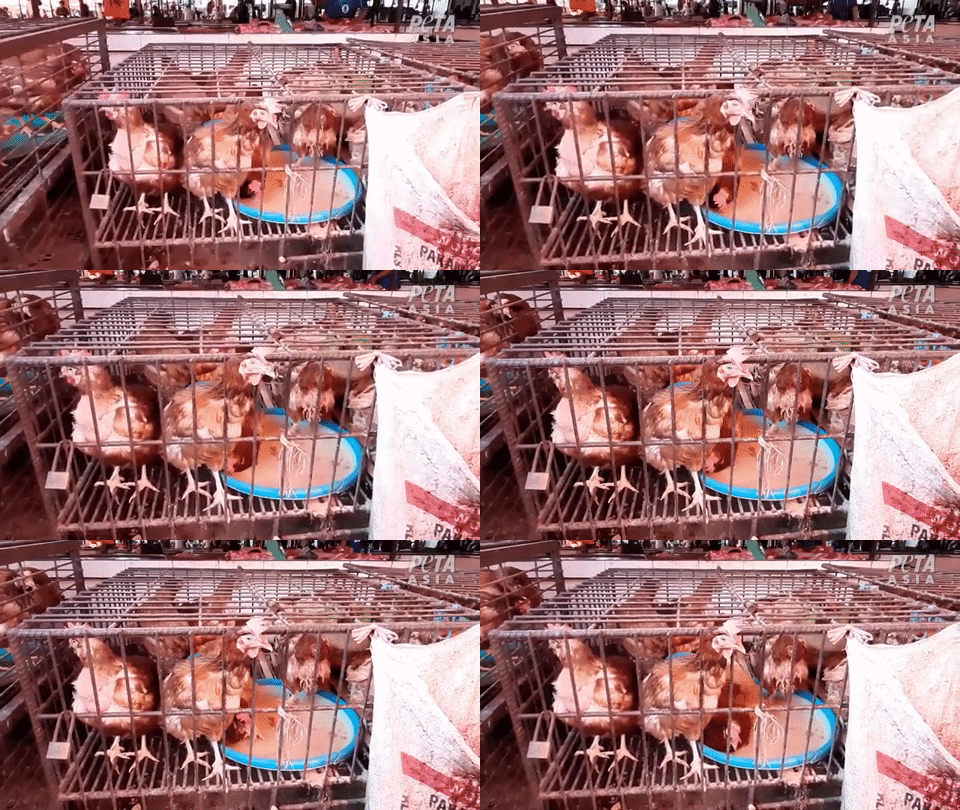
Can you tell the difference between these scared chickens in cramped, filthy cages …

chickens wet market

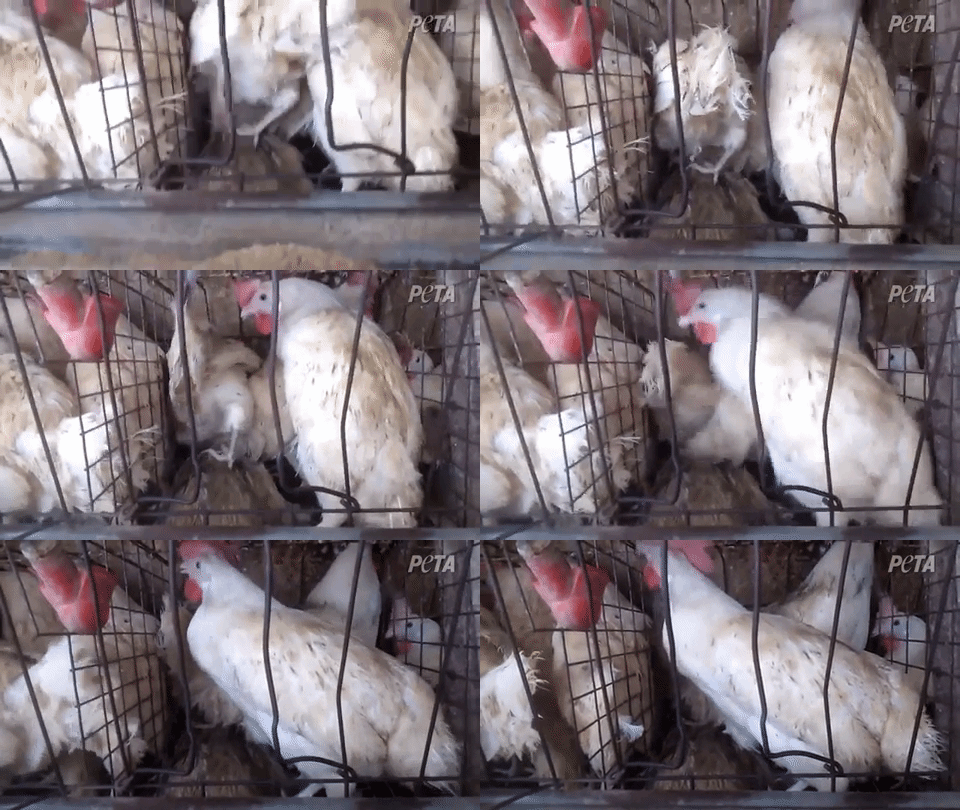
… and these forced to live alongside dead and dying cagemates?

chickens small cage dead cagemates

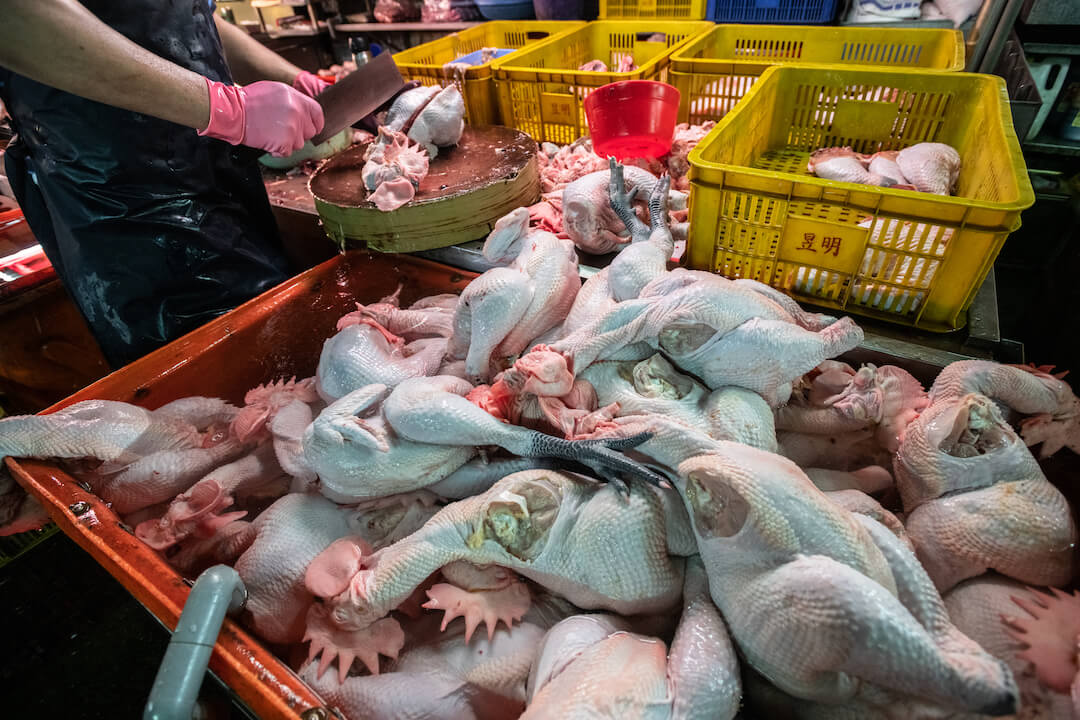
The chickens directly above were kept at a filthy egg factory farm in Oklahoma, while the ones above them were being sold at a blood-soaked “wet market” in Thailand—not that there’s much difference. And all these birds suffered immensely—slaughtered chickens at a wet market in the Philippines …

Vendor chops newly-delivered chicken carcasses at a wet market in Taipei.© Jo-Anne McArthur / We Animals

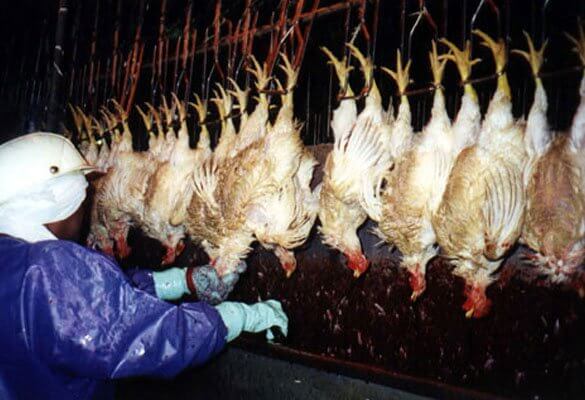
… and birds at a Tyson Foods slaughterhouse, whose throats were manually cut by a worker because the mechanical blade missed them:

covid-19 slaughterhouse concerns

It doesn’t matter if we’re talking about a wet market, a traditional factory farm, a “free-range” farm, an “organic” farm, or any other animal agriculture operation—humans’ appetite for flesh and other animal-derived foods is…

View original post 809 more words

There’s a Bigger, Scarier Public Health Crisis Skulking Behind COVID-19

ttps://www.peta.org/blog/wet-markets-factory-farms/
Published  by Katherine Sullivan.

Can you tell the difference between these scared chickens in cramped, filthy cages …

chickens wet market

… and these forced to live alongside dead and dying cagemates?

chickens small cage dead cagemates

The chickens directly above were kept at a filthy egg factory farm in Oklahoma, while the ones above them were being sold at a blood-soaked “wet market” in Thailand—not that there’s much difference. And all these birds suffered immensely—slaughtered chickens at a wet market in the Philippines …

Vendor chops newly-delivered chicken carcasses at a wet market in Taipei.© Jo-Anne McArthur / We Animals

… and birds at a Tyson Foods slaughterhouse, whose throats were manually cut by a worker because the mechanical blade missed them:

covid-19 slaughterhouse concerns

It doesn’t matter if we’re talking about a wet market, a traditional factory farm, a “free-range” farm, an “organic” farm, or any other animal agriculture operation—humans’ appetite for flesh and other animal-derived foods is killing more than the meat industry’s intended victims.

Wet Markets vs. Factory Farms: Which Are Worse?

Most people are now familiar with wet markets (also sometimes referred to as “live-animal markets”)—one where live and dead animals are sold for human consumption—and their connection to the dry cough heard ’round the world. Experts believe that the novel coronavirus originated at a wet market in Wuhan, China. But while bats and pangolins (who hitch rides on their mothers’ tails as pups in nature) are the suspected reservoir species for COVID-19, deadly outbreaks like mad cow disease, avian flu, swine flu, and other zoonotic diseases have stemmed from farming domesticated (not wild or exotic) animals for food. Even more recent than the COVID-19 outbreak in the U.S. is an avian flu (aka “bird flu”) outbreak in South Carolina—a week ago, the U.S. Department of Agriculture (USDA) confirmed that highly pathogenic H7N3 avian influenza was identified among turkeys being raised for food. This strain reportedly mutated from a low pathogenic strain that had been previously identified in poultry in the same area.

JUST BECAUSE YOU DON’T SHOP AT A WET MARKET DOESN’T MEAN THAT YOU’RE SAFE FROM ZOONOTIC VIRUSES … OR ANTIBIOTIC-RESISTANT BACTERIA.

Farms crammed full of stressed animals are breeding grounds for deadly pathogens, including influenza viruses, which have originated in chickens and pigs. It’s these crowded, filthy conditions that breed antibiotic-resistant bacteria, too, also known as “superbugs.”

Why should you care about antibiotic-resistant bacteria?

When you get sick, the antibiotics prescribed by your doctor may not work because of the emergence of superbugs. On farms across the U.S., the antibiotics that we depend on to treat human infections are now used to keep cows, pigs, chickens, and others alive in horrific conditions that would otherwise kill them and to fatten them before slaughter.

COUNTLESS NEW STRAINS OF ANTIBIOTIC-RESISTANT BACTERIA HAVE DEVELOPED AS A RESULT OF THIS ABUSIVE PRACTICE.

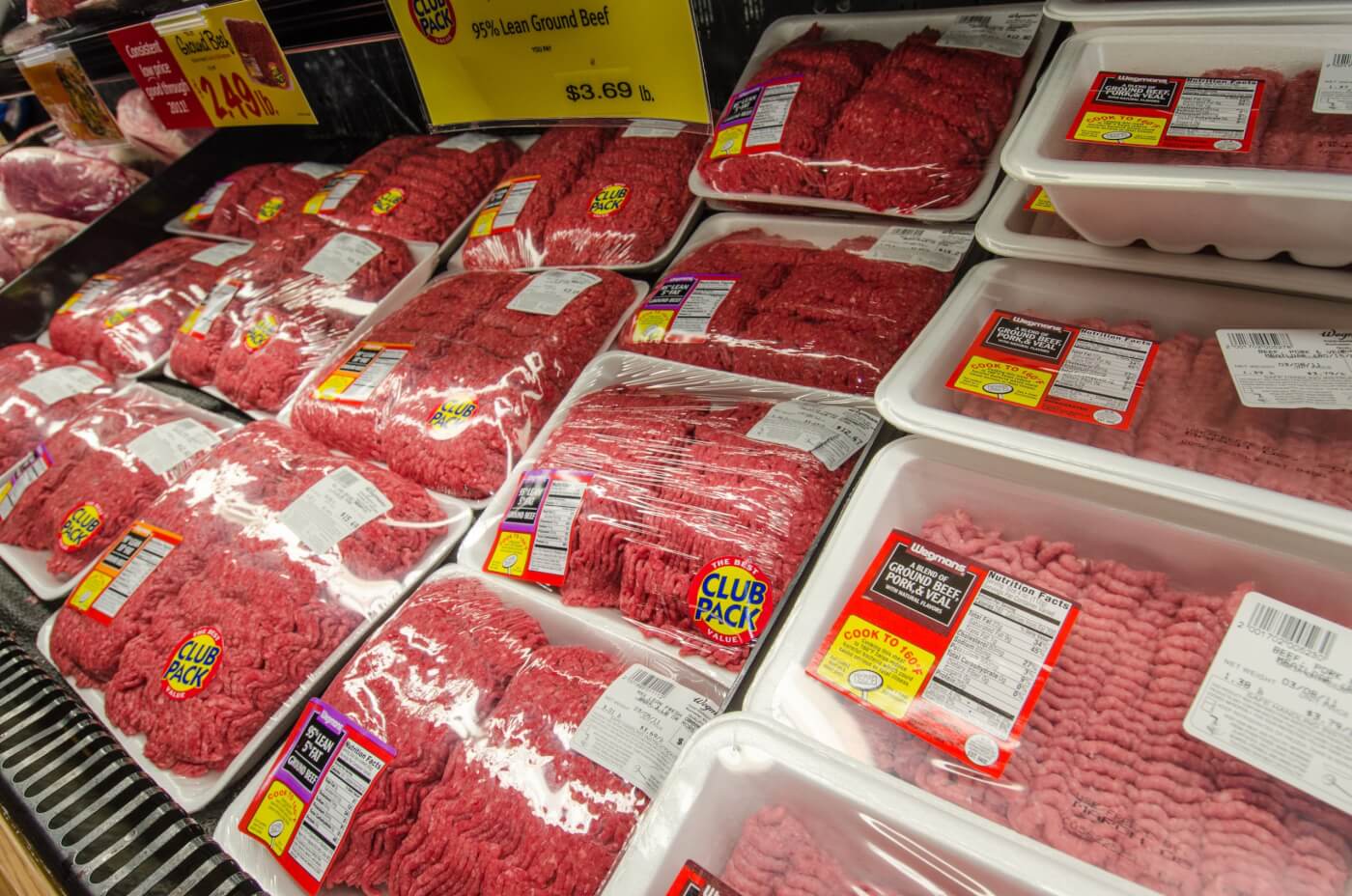
Antibiotic use is now more common on farm prisons than in human medicine. Roughly 80% of all antibiotics sold in the U.S. are given to animals on farms, who are likely now the largest source of drug-resistant bacteria. Nearly 80% of all meat found in U.S. grocery stores contains antibiotic-resistant bacteria, according to the Environmental Working Group.

raw meat supermarket

Findings indicate that these drug-resistant genes spread more extensively and quickly on farms than scientists previously thought. Researchers sounded the alarm on the meat industry, which has tried to downplay the concerns raised by experts, apparently deliberately putting the public at risk in order to protect its own interests. One infectious disease physician who studies antibiotic-resistant pathogens, James Johnson, likened the animal agriculture industry and its practice of “subverting public health” to the tobacco industry.

What about “antibiotic-free” labels?

Just like “organic,” “free-range,” and “cage-free” labels, “antibiotic-free” labels mean nothing to animals and are misleading to consumers. The U.S. Centers for Disease Control and Prevention (CDC) admits that the “antibiotic-free” label is not approved by the USDA and that it “has no clear meaning.” Furthermore, “antibiotic-free” meat is not necessarily free of antibiotic-resistant bacteria: “All animals carry bacteria in their gut, and some of these can be resistant germs,” the CDC website warns.

THINGS FOR ANIMALS ON FARMS—AND FOR THE HUMANS WHO EAT THEM—ARE ONLY EXPECTED TO GET WORSE.

The United Nations has called the emergence of drug-resistant superbugs “the biggest threat to modern medicine.” It’s anticipated that by 2050, antibiotic-resistant bacteria will kill one person every three seconds. In fact, some studies claim that by this time, more people will be dying of antibiotic-resistant diseases than of heart disease—which is the number one killer of humans in the world and kills one person every 37 seconds in the U.S. alone.

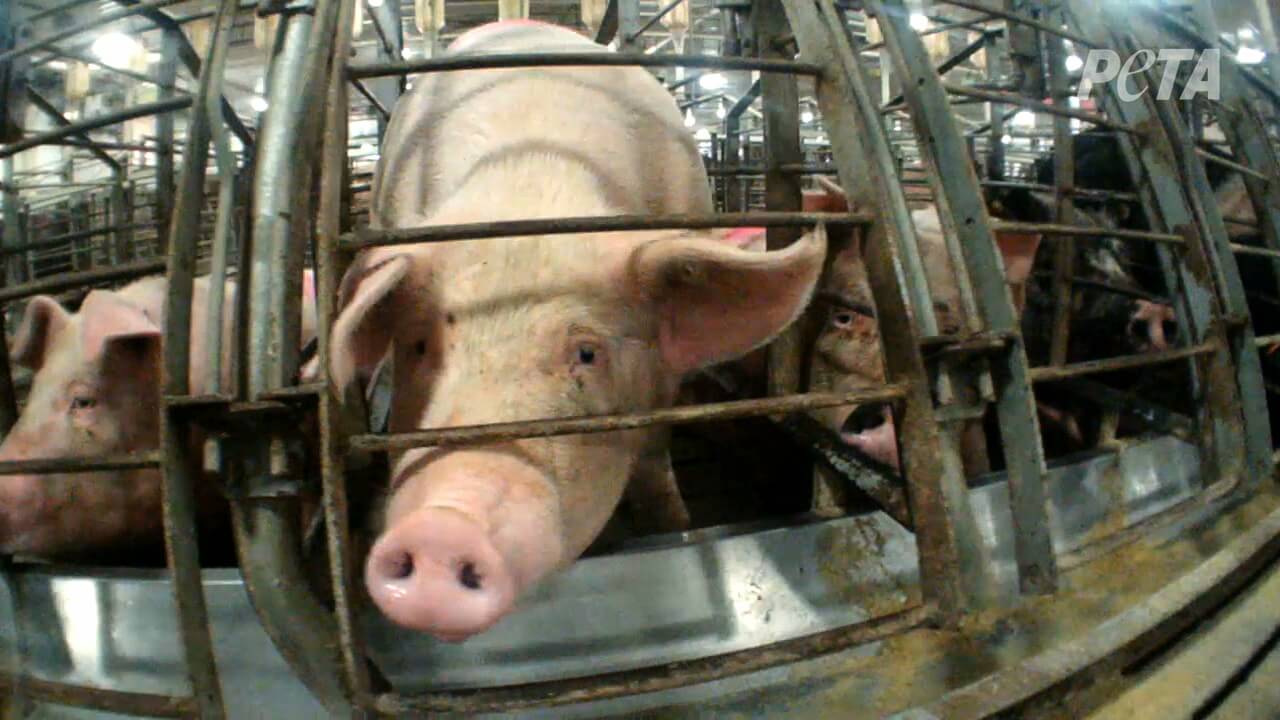
pig cage filthy farm

We’ve already seen these superbugs manifest in the form of global health pandemics. The 2009 H1N1 flu pandemic, for example, only saw humans infected, but the virus included genes from humans, birds, and pigs—it was a “quadruple-reassortant virus,” meaning that it contained genes from four different influenza virus sources. To put it simply, if there were no animal agriculture, it’s likely that neither “classical swine H1N1” viruses nor the 2009 H1N1 flu virus (which reportedly infected roughly 1.4 billion people and killed between 151,700 and 575,400 worldwide) would have existed.

THE ONLY WAY TO AVOID FARM-TO-TABLE PANDEMICS IS FOR EVERYONE TO GO VEGAN AND SHUT DOWN ANIMAL-FARMING OPERATIONS.

So while we should certainly call for a global ban on wet markets …

DISEASE-PRONE WET MARKETS HAVE GOT TO GO

… we should also crack down on all other industries that abuse, neglect, and slaughter animals. We can’t afford to wait for the next H1N1 flu or coronavirus. Please, ban meateggs, and dairy from your plate—before the next deadly zoonotic disease hits:

AVOID MEAT LIKE THE PLAGUE IT IS

Alaska’s Remote Tribes Call for Emergency Hunting Permits During the Pandemic

Exposing the Big Game's avatarCommittee to Abolish Sport Hunting Blog

Deer and moose seasons don’t start until later this year, but Kake is trying to get the OK for village residents to hunt for their own sustenance now.

https://www.vice.com/en_us/article/n7jxkm/alaskas-remote-tribes-call-for-emergency-hunting-permits-during-the-pandemic
By Jelisa Castrodale
Apr 17 2020, 2:51pm

PHOTO: GETTY IMAGES

The tiny city of Kake, Alaska covers just under eight square miles of land on Kupreanof Island, one of the remote islands that make up southeastern Alaska’s Alexander Archipelago. It’s one of only two real settlements on the island, and because it isn’t on any road system, it’s only accessible by a twice-a-week state ferry, or by plane. (“Except for weather-related interruptions,” a U.S. Department of Transportation website says of the daily flights.)

But Alaska hasn’t been exempt from the coronavirus pandemic—it wasn’t even the last U.S. state to report a confirmed case—and as of this writing, the state has had 300 confirmed cases and nine deaths attributed…

View original post 423 more words

TV preview: Dr Jane Goodall remains relentless in her pursuit of a better understanding of the natural world

Jane Goodall in Gombe

Picture: PA Photo/Jane Goodall Institute

Jane Goodall in Gombe Picture: PA Photo/Jane Goodall Institute

https://www.heraldscotland.com/arts_ents/18388662.tv-preview-dr-jane-goodall-remains-relentless-pursuit-better-understanding-natural-world/

Dr Jane Goodall talks to Gemma Dunn ahead of her latest National Geographic documentary, Jane Goodall: The Hope.

One of the most important figures in wildlife conservation, Dr Jane Goodall remains relentless in her pursuit of a better understanding of the natural world. And she’s hopeful for lasting change, she tells Gemma Dunn.

When Dr Jane Goodall arrived on the shores of Tanzania in 1960, she hadn’t envisaged where it may lead.

Aged just 26, the keen ethologist had set her sights on Gombe Stream National Park and it was there, with her mother in tow, that she began her field research on the little-known world of wild chimpanzees.

Equipped with little more than a notebook and binoculars, Dr Goodall – who immersed herself in their natural habitat – would observe the primates, coming to understand them not only as a species, but also as individuals with emotions and long-term bonds.

Among her findings was the discovery that chimpanzees make and use tools – a breakthrough that remains one of the greatest achievements of 20th-century scholarship.

Understandably, Dr Goodall, now 86, describes those days as ‘the best time of her life’.

“I knew those chimps; they were like part of my family,” she reasons. “I was joyful with them when they had a baby and I was grieving when one of them got sick or died. Being out in the forest, it was an amazing time.

“Then in 1986, realising that the chimps across Africa and the forest were in trouble, in captivity, I knew that my time had come to pay back.”

Her decision to embark on this journey was to be the marker of her groundbreaking legacy; a plea that’s seen her go on to transform environmentalism, non-human animal welfare and conservation; and redefine the relationship between humans and animals in ways that emanate around the world.

Yet today, Dr Goodall DBE, much like the majority of us, is at home.

It’s a forced break from her usual 300-plus days spent abroad each calendar year.

“I’m actually busier; it’s more exhausting than being on the road to be honest!” she whispers down the phone, having retreated back to her family home in Bournemouth during the Covid-19 pandemic.

“I hate the airports, the aeroplanes, but now I’m busy all day trying to get out on social media [Dr Goodall boasts in excess of 3.5 million followers across the board], trying to make up for not being able to travel!

“We’ve had pandemics before, but we’ve never reacted quite like this,” Dr Goodall follows.

“But having lived through the Second World War, through other pandemics and through nasty situations in Africa, I know that we will get through this.

“I guess I’ve learned from being battered,” she muses. “There’s a poem [Invictus, by William Ernest Henley] that says, ‘My head is bloody, but unbowed’. I like that.”

As for what we can learn from this crisis, “It’s our messing with nature, cutting down forests, hunting animals, eating them and selling them, that’s led to these viruses spreading from animals to people,” warns the primatologist-cum-anthropologist.

“I’m hoping what will emerge from this is a better understanding of our relationship with the natural world.”

One offering likely to inspire such thinking – and our reason for chatting today – is her latest National Geographic venture, Jane Goodall: The Hope.

“Well, isn’t it amazing that a film called The Hope should come out right now, when we desperately need hope!” she says with a chuckle.

“If we don’t have hope, we all give in, right? There’s no point in planning anything for the future, if you don’t have hope.”

The two-hour documentary special – released in conjunction with the 50th anniversary of Earth Day – charts Dr Goodall’s rise to worldwide icon, from her days in Gombe and the 1977 formation of the Jane Goodall Institute (JGI) to her Roots & Shoots youth empowerment programme, founded in 1991, and beyond.

“It’s in 24 countries – nearly 25,” she announces of JGI, which has a strong base in the UK, and was set up to inspire hope through action across the globe.

“And Roots & Shoots is in 65 countries and growing. It’s all over the world – kindergarten, university, rich children, poor children and children in different environments. It can grow on any soil, in any place, in any culture.

“What I’ve learned of young people,” she continues, “is once you give them the tools to understand the problems, you empower them to take action to solve them. Listen to their voices, don’t dictate to them. They’re so dedicated, determined and passionate and hopeful.

“We are going to change the world; we will slow down climate change.”

Achieving lasting change is in the approach, Dr Goodall – a mother and grandmother herself – has learned.

“You know, when I first began talking to the scientists in the medical research labs – these awful 5ft by 5ft cages – there were animal rights people who refused to speak to me,” she recalls.

“They said, ‘How can you sit down with those evil people? How can you talk with them?’ And I said, ‘But if you don’t talk, how on earth do you think you’re going to change them?’

“I think sometimes at the beginning of a movement, this kind of aggressive approach may be necessary to wake people up, but I couldn’t do that,” says Dr Goodall. “My way has always been to go and talk to the people quietly.

“The way I have of dealing with people, that’s why Roots & Shoots is all over China,” she adds. “We have one of the very few registered foreign NGOs, the Jane Goodall Institute China, endorsed by the government.

“Certain cultures, you must not make people lose face,” she counsels. “You want to change their heart.”

Through her travels, Dr Goodall has certainly done just that, unwavering still in her relentless commitment and determination to spread a message of hope.

It’s brought her a plethora of fans from every corner of the globe, she admits.

“I have to say, my email is overwhelmed with everybody wanting me to stay alive, [asking] ‘Am I taking care?'” she shares. “It’s heartwarming, because they all promise – grown-ups and children – that they’re going to do their bit.

“Those who’ve lost hope say, ‘You’ve given me hope, I promise I’ll do my bit’.”

It’s what keeps her on the road.

“I can’t slow down, can I? Obviously I’ll never get done all that needs to be done. But I’ll just go on, struggling till the end,” she realises.

“I want to grow Roots & Shoots in every country; I was going to go to India. I hope I still can, but who knows? There are a lot of places I want to try and make a difference in – that’s what I want to do now.

“I hope this film inspires people,” she finishes. “I hope it gives them hope – it’s title should, if nothing else!”

Jane Goodall: The Hope, National Geographic and National Geographic WILD on Wednesday, 6pm.

Shops across Scotland are closing. Newspaper sales are falling. But we’ve chosen to keep our coverage of the coronavirus crisis free because it’s so important for the people of Scotland to stay informed during this difficult time.

However, producing The Herald’s unrivalled analysis, insight and opinion on a daily basis still costs money, and we need your support to sustain our trusted, quality journalism.

To help us get through this, we’re asking readers to take a digital subscription to The Herald. You can sign up now for just £2 for two months.

If you choose to sign up, we’ll offer a faster loading, advert-light experience – and deliver a digital version of the print product to your device every day.

Click here to help The Herald:

https://www.heraldscotland.com/subscribe/

Are Chickens Sentient Beings?

Exposing the Big Game's avatarCommittee to Abolish Sport Hunting Blog

United Poultry Concerns <http://www.UPC-online.org>
18 April 2020

– On Being a Mother Hen

Vegan India! is a blog that publishes essays, interviews, and product
reviews
related to a vegan lifestyle. The Vegan India! canvas is huge and aspires to
encapsulate the various constructive streams of thought in the global
movement
to free animals of their pain and suffering, and strive for justice. See:
Vegan <https://www.veganindia.net/>
India <https://www.veganindia.net>. Today, UPC is pleased to share this
post, featuring an article by Karen
Davis, PhD, about the Mother Hen. Vegan India introduces the article:

“Mother hen” is an expression used to describe anyone displaying over
protectiveness and worry about their children. Rightly so, the term
originates
from the nature of a mother hen, who has been observed to have profound
motherly
instincts. Yet many ask – are chickens sentient beings? In this post, we
most
gratefully publish…

View original post 82 more words

How factory farming breeds deadly viruses and epidemics

How factory farming breeds deadly viruses and epidemics

FOOD

Published on 16 APR 2020
by

JOSLYN CHITTILAPALLY
Factory farming conditions and antibiotic-resistant pathogens emerging as a result of them pose an existential threat to humans in the form of zoonotic diseases. Why it’s time to produce and consume food more thoughtfully.

Much has been written about the coronavirus and how people can prevent being exposed to it, including through social distancing and good hygiene. It’s now vital to get to the root cause of this pandemic and focus on primary prevention so as to avoid another, perhaps even harsher, outbreak. While the illegal wild animal trade and wet markets have been singled out, factory farming of animals in general is much less discussed. More attention needs to be paid to its public health risks – before it’s too late.

Wet market, Philippines, coronavirus

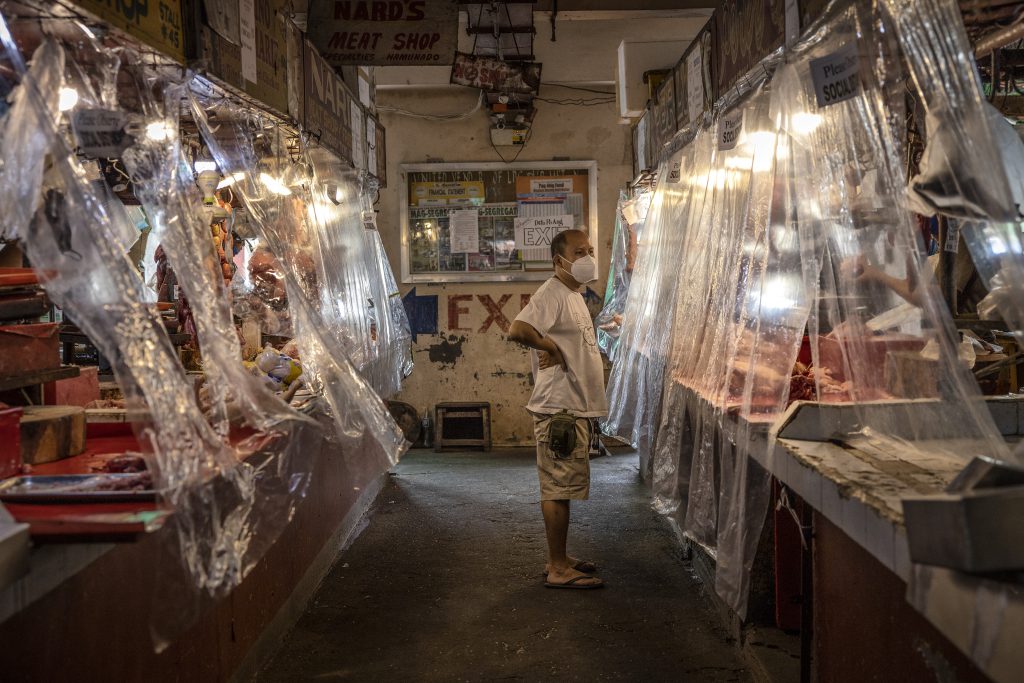
Stalls inside a wet market in Manila, in the Philippines are covered in plastic to enforce social distancing to prevent the spread of Covid-19 © Ezra Acayan/Getty Images

What are zoonotic diseases

Animals can sometimes carry harmful germs like viruses, bacteria, parasites and fungi that spread to people and cause illnesses which are known as zoonotic diseases or zoonoses. Around 60 per cent of all known infectious diseases in humans are of this type, as are 75 per cent of emerging ones according to a 2016 UN report.

For example, wet markets are commonplace in many countries including China, India, Vietnam and in other parts of Southeast Asia; they sell fresh meat or fish, often (though not always) killed on demand at roadside slaughterhouses, and many, though not all, sell wild animals. This way, domesticated animals not only get viruses from the wild animals that are also sometimes sold in these markets (this is thought to have happened with the novel coronavirus) but can also become carriers and spreaders of diseases originating due to the filthy conditions they’re kept in, as in the cases of bird and swine flu.

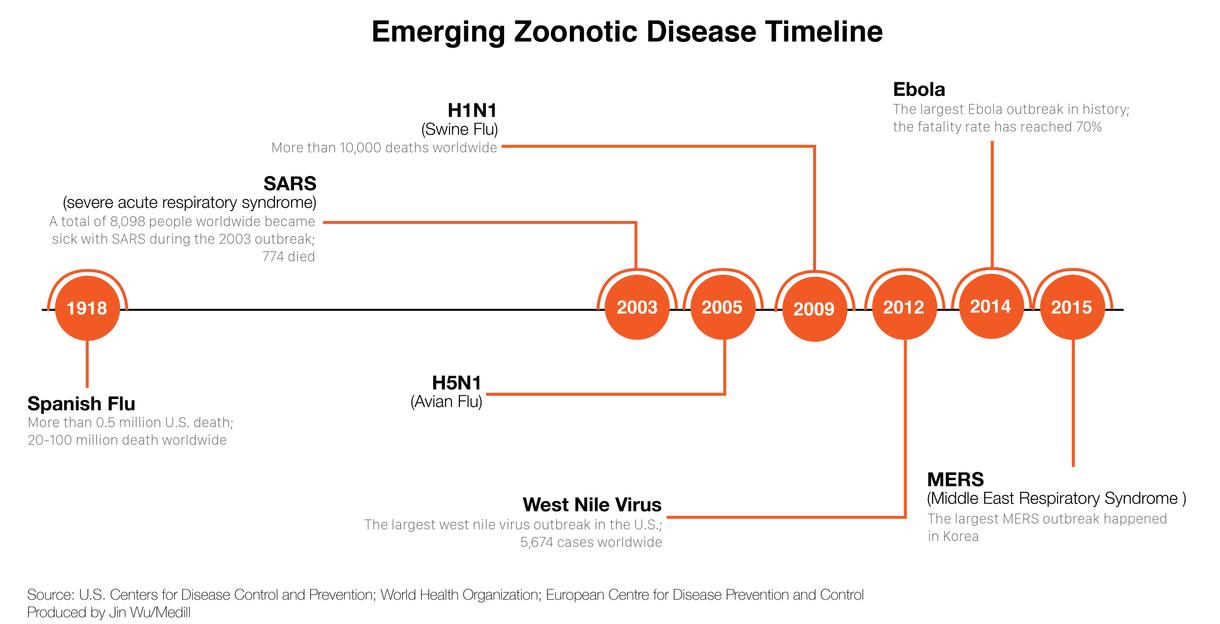
As Covid-19 joins the list of zoonotic diseases, the world has already seen millions of deaths in the past due to the consumption of and contact with animals. Starting with three pandemics that have emerged since 2000, Severe Acute Respiratory Syndrome (SARS) in 2003, swine flu (H1N1) in 2009 and now the disease Covid-19 caused by the virus Sars-CoV-2: evidence suggests the latter has come from animals, as did SARS which spread from civet cats and bats in China, whilst animal to human transmission of swine flu first took place in an intensive pig farm in Mexico.

Other than these, there have also been outbreaks of bird flu (avian influenza) from poultry, the Middle East Respiratory Syndrome (MERS) first transmitted from camels, Ebola from monkeys and pigs, Rift Valley fever from livestock, West Nile fever from birds, Zika from monkeys and Nipah from bats and pigs. The human immunodeficiency virus, or HIV, is widely thought to have originated from the consumption of bush meat. Incidentally, avian influenza continues to mutate and wreak havoc in poultry farms around the world including in Germany, China, India and the UK, and an outbreak of African swine fever (ASF) was reported in Poland recently.

Read more: Ebola exists. A day at the heart of the epidemic in the Democratic Republic of Congo

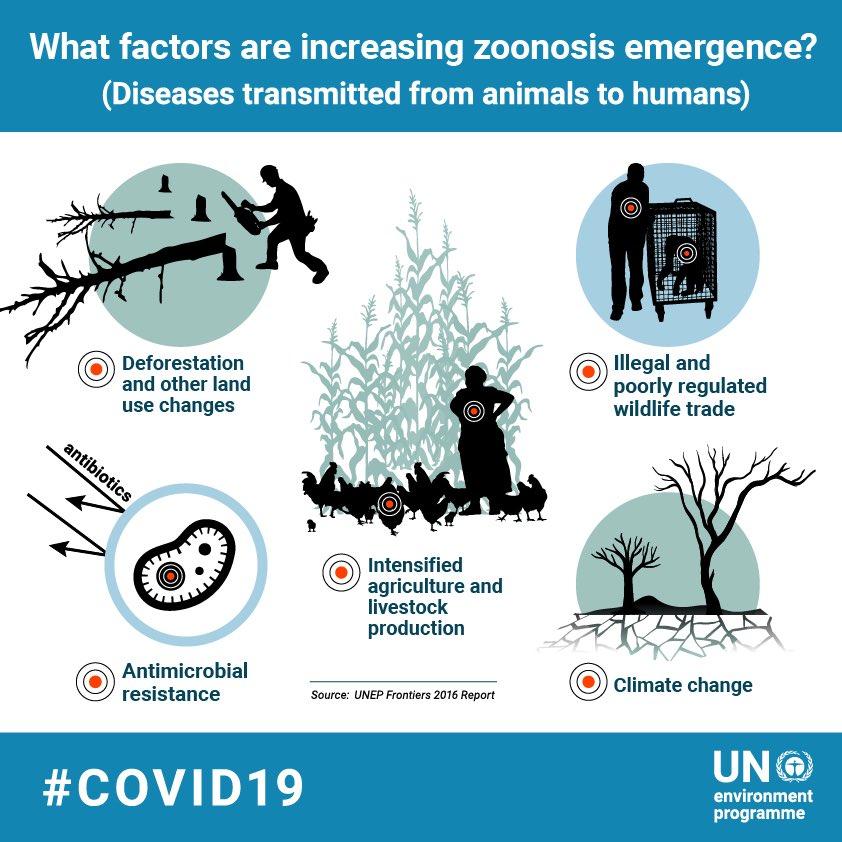
As the human population surges towards eight billion, demand for food is growing, alongside the need for space to produce it, which means encroaching on wild animals’ natural habitats– it’s no secret that animal agriculture is one of leading causes of deforestation and environmental degradation in the world. This has brought humans closer to wild animal species and increased the risk of disease transmission. Additionally, the conditions in which animals are often kept accelerate the emergence of pandemics.

Although some zoonoses are probably unavoidable as these viruses have always been present in wildlife, much human suffering resulting from them could be avoided by changing the way people come into contact with animals. In particular, by establishing a more balanced and respectful relationship with other living beings.

Read more: Ilaria Capua. To the coronavirus we’re just another host animal, so let’s use our intelligence

Factory farming of animals triggers pandemics

There’s clearly a link between the emergence of highly pathogenic avian influenza viruses and intensified poultry production systems.Marius Gilbert, spatial epidemiologist at the Université Libre de Bruxelles, Belgium

Our demand for meat and other animal products means that huge numbers of animals such as cows, chickens and pigs are crammed together in crowded, faeces-ridden farms, transported in filthy lorries, and slaughtered on killing floors soaked with blood, urine, and other bodily fluids – the perfect breeding grounds for pathogens. Public health experts have been ringing the alarm about zoonotic diseases for years. Among these is Doctor Michael Greger, author of the book Bird Flu: A Virus of Our Own Hatching, who says factory farming is a “perfect storm environment” for infectious diseases.

In a video (above) that first appeared more than a decade ago, Greger states that there have been three eras of human disease: first, that of domestication, when we brought wild animals to barnyards who in turn brought diseases with them; the second started in the 18th and 19th centuries with the Industrial Revolution, leading to epidemics of the so-called diseases of civilisation – diabetes, obesity, heart disease, cancer, etc; and finally, the third era of human diseases started about 30 years ago due to land use and agricultural intensification.

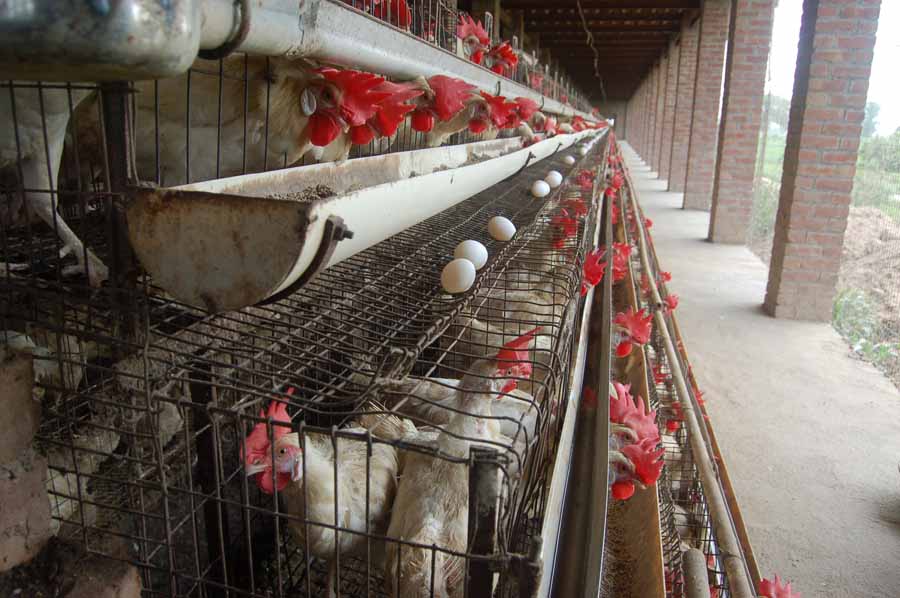
“About half of the egg-laying hens on this planet are now confined in what are called battery cages,” he points out. “In these small barren wire enclosures extending down long rows and windowless sheds there can be up to a million birds on a single farm. About half of the pigs on the planet are crowded into these intensive confinement operations. These intensive systems represent the most profound alteration of the human-animal relationship in 10,000 years”. In words that seem prophetic now, he concludes by saying: “The next pandemic may be more of an unnatural disaster of our own making. A pandemic of even moderate impact may result in the single biggest human disaster ever [and] has the potential to redirect world history”.

Chickens in battery cages on egg farm.

Chickens in battery cages on an egg farm © Anipixels

2004 joint consultation of the World Health Organisation (WHO), Food and Agriculture Organisation of the United Nations (FAO) and World Organisation for Animal Health (OIE, the world’s leading veterinary authority), concluded that “anthropogenic factors such as agricultural expansion and intensification to meet the increasing demand for animal protein” are one of the major drivers of zoonotic disease emergence.

Given such warnings, it may come as a surprise that policymakers haven’t taken them seriously enough to enforce sufficient preventive measures. In fact, as an editorial in the American Public Health Association journal observes: “It’s curious, therefore, that changing the way humans treat animals – most basically, ceasing to eat them or, at the very least, radically limiting the quantity of them that are eaten – is largely off the radar as a significant preventive measure … Failure to think ahead can’t repeatedly be excused”.

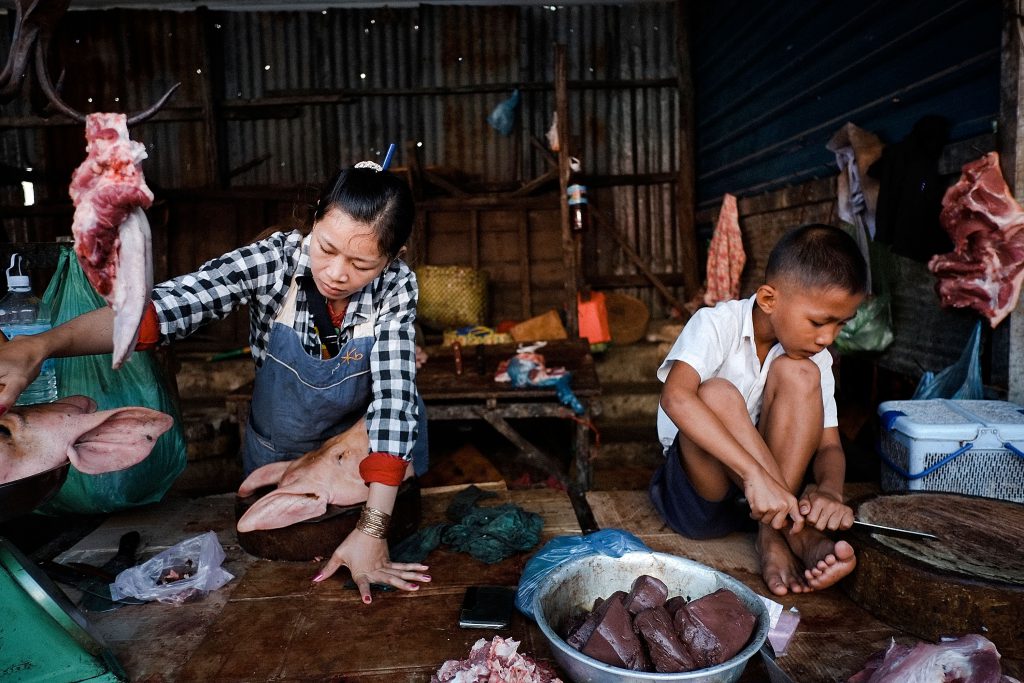
A wet market in Siem Reap, Cambodia.

A wet market in Siem Reap, Cambodia © Rahman Roslan/Getty Images

Antibiotic resistance and infections

In addition, animals on factory farms are routinely fed vast amounts of antibiotics in order to keep them alive in conditions that would otherwise kill them. Because of this, even the most powerful antibiotics aren’t effective against certain bacteria, contributing to the emergence of “superbugs” – new, aggressive, antibiotic-resistant pathogens. According to the US Food and Drug Administration (FDA), an estimated 80 per cent of all antibiotics produced is sold to livestock farms, and a 2019 study documents how the growing demand for animal protein resulted in a tripling of the occurrence of antibiotic resistance in disease-causing bacteria in livestock between 2000 and 2018.

In the US, a person dies every 15 minutes because of an infection that antibiotics can no longer treat effectively, a total of 35,000 deaths per year. According to the Centers for Disease Control and Prevention (CDC), antibiotic resistance is “one of the world’s most pressing public health problems,” and other experts predict that at the current rate, more people will die of diseases caused by antibiotic-resistant bacteria than of cancer by 2050.

Just as humans are more likely to succumb to disease when we’re stressed, weakened or wounded, these same factors also suppress the immune systems in animals, leaving them extremely vulnerable to catching new infections. As a result, the worldwide animal trade creates very sick animals and ideal conditions for pathogens to multiply and jump from animal to animal, and ultimately to humans. To prevent the next pandemic, we need to look beyond the wet markets or illegal trade in China.Aysha Akhtar, neurologist, public health specialist and author, US Public Health Service Commander and Oxford Centre for Animal Ethics Fellow
factory farming, chickens, pandemics, coronavirus

Chickens raised for meat on a large poultry farm in India © Anipixels

Time to rethink our choices

The ultimate culprit are our patterns of animal consumption. Yet the re-opening of Chinese wet markets and bizarre promotion of bear bile as a coronavirus antidote beg the question about how serious the world really is about taking this crisis head-on. However, there are some positive signs.

The consumption of vegan products has increased exponentially and according to a report by Allied Analytics LLP, the global vegan food market, valued at 14.2 billion US dollars in 2018 will reach 31.4 billion in the next five years. China is already beginning to demand safe, reliable and healthy food and companies like US-based Just, which makes plant-based egg products, are fielding a wave of inquiries from Chinese food companies. An online petition urging the WHO to shut down live-animal meat markets has surpassed 100,000 signatures.

Read more: Veganism in India, how the dairy-loving country is embracing a plant-based diet

Also, given the economic fallout of the coronavirus pandemic, through collaborative networks like the FAIRR initiative investors are increasingly assessing their investee companies’ readiness to operational risks through the animal welfare standards set by the Business Benchmark on Farm Animal Welfare.

Read more: Animal welfare, how investors are abandoning factory farming

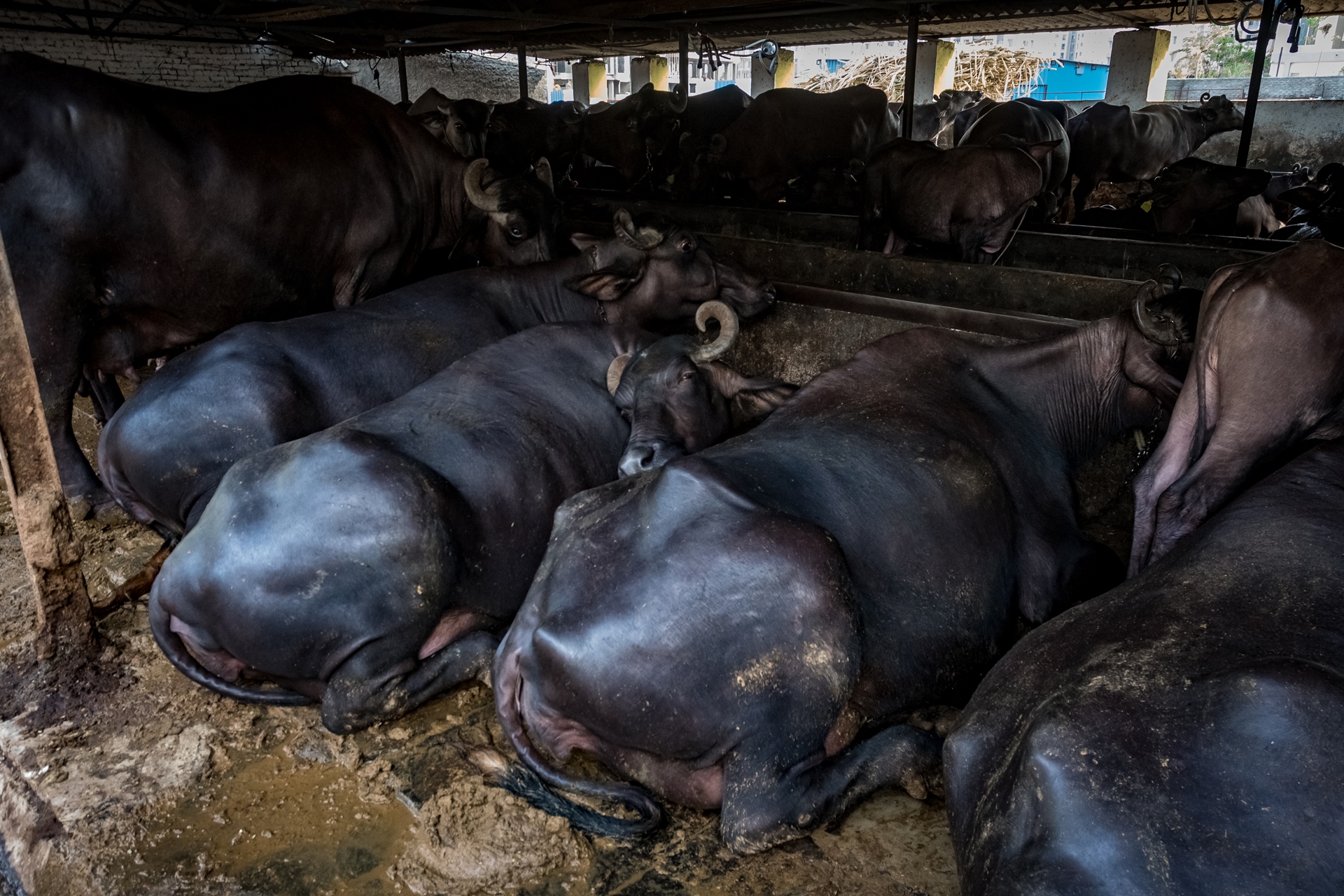
buffalos, india, factory farming

Buffaloes lying down, chained, in a dark and dirty urban dairy farm in India © Anipixels

Could this be au revoir?

As David Benatar writes in the editorial Chickens Come Home to Roost, “it’s time for humans to remove their heads from the sand and recognise the risk to themselves that can arise from their maltreatment of other species”. If all stakeholders in society – be it investors, consumers, governments or food manufacturers – fail to rethink their business-as-usual practices and work towards a new normal, Covid-19 will likely not be the last pandemic that humankind witnesses, and perhaps not even the deadliest. And just like the effects of climate change, the poor and vulnerable will be the worst affected.

Read more: India’s coronavirus lockdown causes deaths among migrant labourers forced to return home

We have the power to decelerate the emergence of new zoonoses. Or even reduce the harshness of the next outbreak. If we have the will to shut down entire societies for weeks on end, something that would previously have been considered extreme and “not an option”, surely we have the will to change our diets and global food system. Until we don’t go all the way in preventing the spread of these viruses by outlawing unsanitary live-animal markets, questioning the factory farming model at its core and creating awareness around food choices – therefore, until all animals aren’t treated better – zoonotic diseases will likely continue to resurface. Ultimately, it’s time to stop wilfully spinning this pandemic roulette.

https://www.lifegate.com/people/lifestyle/factory-farming-epidemics-coronavirus

‘Meanwhile, is the virus just waiting for us to come back out?’

Exposing the Big Game's avatarThe Extinction Chronicles

California Gov. Gavin Newsom issued the first state-wide home isolation executive order for residents of his state on Thursday, March 20, in an attempt to halt the spread of the COVID-19 virus. New York Gov. Andrew Cuomo announced a stay-at-home order the next day. And here we are.

Almost — but not quite — a month later, this way of life, recently unthinkable, has become routine. The new norm, as they say. We hear about nothing else. The televised national news is all about coronavirus, the novel coronavirus, the COVID-19 virus or simply “the virus.”

The correct, scientific name for the new virus currently running our lives is SARS-CoV-2. This is the name of the virus itself; COVID-19 is an acronym for “coronavirus disease 2019,” the disease caused by the virus.

“This is not life as usual,” Gov. Cuomo said. “Remain indoors…

View original post 607 more words