Exposing the Big Game

Forget Hunters' Feeble Rationalizations and Trust Your Gut Feelings: Making Sport of Killing Is Not Healthy Human Behavior

Exposing the Big Game

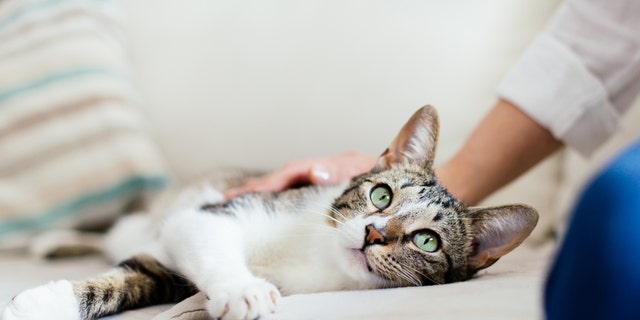
Coronavirus can infect cats, study finds

Heads up, cat lovers: Your feline friend may be susceptible to the novel coronavirus after all.

A new study conducted by researchers in China found that SARS-CoV-2, the virus that causes a COVID-19 infection, does not appear to infect dogs, pigs, chickens, and ducks, but can infect ferrets and cats. And not unlike humans, cats can likely catch the virus via respiratory droplets.

POSSIBLE CORONAVIRUS TREATMENT LEAVES LUPUS PATIENTS WITH NEW CHALLENGES: ‘THERE ARE BACKORDERS’

For the study — which was aimed at finding animals susceptible to the virus so they can be used in testing potential coronavirus vaccines, according to Reuters — researchers infected dogs, pigs, chickens, ducks, ferrets and cats with a high dose of SARS-CoV-2.

In cats, the virus was detected in the felines’ noses, mouths and small intestines. The researchers also tested kittens, concluding that they, too, are susceptible to the virus, discovering what they described as “massive lesions” in their noses, throats and lungs.

“These results indicate that SARS-CoV-2 can replicate efficiently in cats, with younger cats being more permissive and, perhaps more importantly, the virus can transmit between cats via respiratory droplets,” they wrote.

Cats can be infected with the novel virus, the researchers found.

Cats can be infected with the novel virus, the researchers found. (iStock)

In ferrets, the researchers detected the virus in the animals’ nasal passageways, soft palate, and tonsils, but did not detect the virus in any other organs, indicating that the virus “can replicate in the upper respiratory tract of ferrets, but its replication in other organs is undetectable,” the researchers said.

SARS-CoV-2, which first emerged in Wuhan, China, in December, likely originated in bats before spreading to humans, though a study from March suggests that bats may have spread the virus to another animal, possibly a pangolin, which then transmitted it to humans.

As of now, there is limited evidence that suggests pets can spread the virus to humans. But the results from the study prompted the World Health Organization (WHO) and its partners to “look more closely at the role of pets in the health crisis,” Reuters reported.

 MICHIGAN NURSE DEMONSTRATES CORONAVIRUS SPREAD USING GLOVES IN VIRAL VIDEO

“We don’t believe that they are playing a role in transmission but we think that they may be able to be infected from an infected person,” WHO epidemiologist Maria Van Kerkhove said during a Wednesday news conference, as per the outlet.

The news comes after a tiger at the Bronx Zoo, in New York City, tested positive for the coronavirus after likely being exposed to it by an infected worker. And earlier this week, the British Veterinary Association, expressing concerns that the virus could be found on cats’ fur, encouraged pet owners to keep their felines indoors, if possible, in an effort to stop the spread of the novel virus.

https://www.foxnews.com/health/coronavirus-can-infect-cats-study-finds

Fauci on US after coronavirus: No shaking hands ‘ever again’

Exposing the Big Game's avatarThe Extinction Chronicles

Americans would be smart to carry some lessons with them into the future after the nation’s coronavirus crisis is over, according to Dr. Anthony Fauci.

“One of them is absolute compulsive hand-washing,” Fauci, a member of the White House Coronavirus Task Force, said Wednesday during a Wall Street Journal podcast.

“The other,” he added, “is you don’t ever shake anybody’s hands. I don’t think we should ever shake hands ever again, to be honest with you.”

NEW YORK-AREA CORONAVIRUS OUTBREAK ORIGINATED PRIMARILY IN EUROPE, NOT CHINA: REPORT

The Brooklyn, N.Y.-born Fauci, 79, who has been director of the National Institute of Allergy and Infectious Diseases since 1984, then explained the potential benefits of ending what has long seemed an innocuous gesture of courtesy and friendship — one that grew, according to one…

View original post 418 more words

California Court Approves Ban on Federal Wildlife Poisoning, Trapping

Restrictions Aim to Protect Rare Tricolored Blackbirds, Beaver, Gray Wolves

SAN FRANCISCO— In response to a lawsuit filed by wildlife advocacy groups, a federal animal-killing program must restrict its use of bird-killing poisons in Northern California and stop setting strangulation snares and other traps in places like the Sacramento National Wildlife Refuge Complex.

The agreement, approved today by a San Francisco federal court, also directs the U.S. Department of Agriculture’s Wildlife Services to analyze the environmental impacts of its killing of coyotes, bobcats, mountain lions and other wildlife in California’s “Sacramento District.” This 10-county region covers Colusa, El Dorado, Lake, Marin, Napa, Placer, Sacramento, Solano, Sonoma and Yolo counties.

“This victory will save hundreds of animals that would have needlessly suffered and died in traps set by Wildlife Services over the next several years,” said Collette Adkins, a Center for Biological Diversity attorney representing the conservation groups involved in the lawsuit. “It’s another important win in our fight to shut down this agency’s destructive and indiscriminate war on bobcats, coyotes and other wildlife.”

Under the court order approved today, Wildlife Services must provide, by the end of 2023, an “environmental impact statement” that analyzes the effects and risks of its wildlife-killing program in the Sacramento District. It must also offer opportunities for public input.

Pending completion of that study, the court order imposes several measures to protect wildlife in the 10-county area. For example, it restricts use of the avicide DRC-1339 to prevent accidental poisoning of state-threatened tricolored blackbirds. It also bans any use of body-gripping traps, such as strangulation snares, in several areas.

The court order further ends most beaver-killing in waterways where endangered wildlife depends on beaver-created habitats. The order also spells out several measures to protect California’s endangered gray wolves from being accidentally killed in traps set for other carnivores.

“We are pleased that Wildlife Services has agreed to consider the environmental impacts of its wildlife-killing program,” said Cristina Stella, an attorney at the Animal Legal Defense Fund. “Wild animals in California deserve our protection, and this victory assures that they will be free from some of the cruelest killing practices until Wildlife Services complies with federal law.”

“This agreement will ensure greater transparency and accountability from a federal agency that has run roughshod over America’s wildlife for far too long,” said Camilla Fox, Project Coyote executive director. “Many cost effective, non-lethal solutions exist to address human-wildlife conflicts that are more humane, ecologically sound and ethically defensible. We are hopeful that this settlement will propel a shift in this direction statewide.”

Today’s victory is the result of a lawsuit filed in August 2019 by the Center for Biological Diversity, Animal Legal Defense Fund and Project Coyote.

Background

The U.S. Department of Agriculture’s Wildlife Services is a multimillion-dollar federal program that uses painful leghold traps, strangulation snares, poisons and aerial gunning to kill coyotes, cougars, birds and other wild animals. Most of the killing is in response to requests from the agriculture industry.

In 2018 Wildlife Services reported killing nearly 1.5 million native animals nationwide. That year, in California, the program reported killing 26,441 native animals, including 3,826 coyotes, 859 beavers, 170 foxes, 83 mountain lions and 105 black bears. The 5,675 birds killed in 2018 in California included blackbirds, ducks, egrets, hawks, owls and doves.

Today’s victory follows several other recent wins by wildlife advocates in their campaigns against Wildlife Services, including in California (2019 and 2017), Oregon (2018), Colorado (2017), Arizona (2017), Idaho (2019 and 2018) and Wyoming (2019).

# # #

Project Coyote is a national nonprofit organization and a North American coalition of wildlife educators, scientists, ranchers, and community leaders promoting coexistence between people and wildlife, and compassionate conservation through education, science, and advocacy. For more information, visit www.projectcoyote.org

The Center for Biological Diversity is a national, nonprofit conservation organization with more than 1.7 million members and online activists dedicated to the protection of endangered species and wild places.

The Animal Legal Defense Fund was founded in 1979 to protect the lives and advance the interests of animals through the legal system. To accomplish this mission, the Animal Legal Defense Fund files high-impact lawsuits to protect animals from harm; provides free legal assistance and training to prosecutors to assure that animal abusers are punished for their crimes; supports tough animal protection legislation and fights harmful legislation; and provides resources and opportunities to law students and professionals to advance the emerging field of animal law. For more information, please visit aldf.org.

Will Dr. Fauci Call for Closure of U.S. Wet Markets?

APRIL 7, 2020 BY 

During an interview on Fox News on April 4,  Dr. Anthony Fauci, the Director of the National Institute of Allergy and Infectious Disease, said that wet markets in “certain countries” should be shut down. While he did not specify the countries, he was referring to China, which is where COVID-19 is believed to have jumped from animal to human, and to other Asian countries that have similar wet markets that sell and slaughter live animals. Dr. Fauci made no mention of wet markets in the United States:

“I think they should shut down those things right away. It boggles my mind how, when we have so many diseases that emanate out of that unusual human/animal interface ,that we don’t just shut it down. There are certain countries in which this is very commonplace. I would like to see the rest of the world really lean with a lot of pressure on those countries that have that because what we’re going through right now is a direct result of that.”

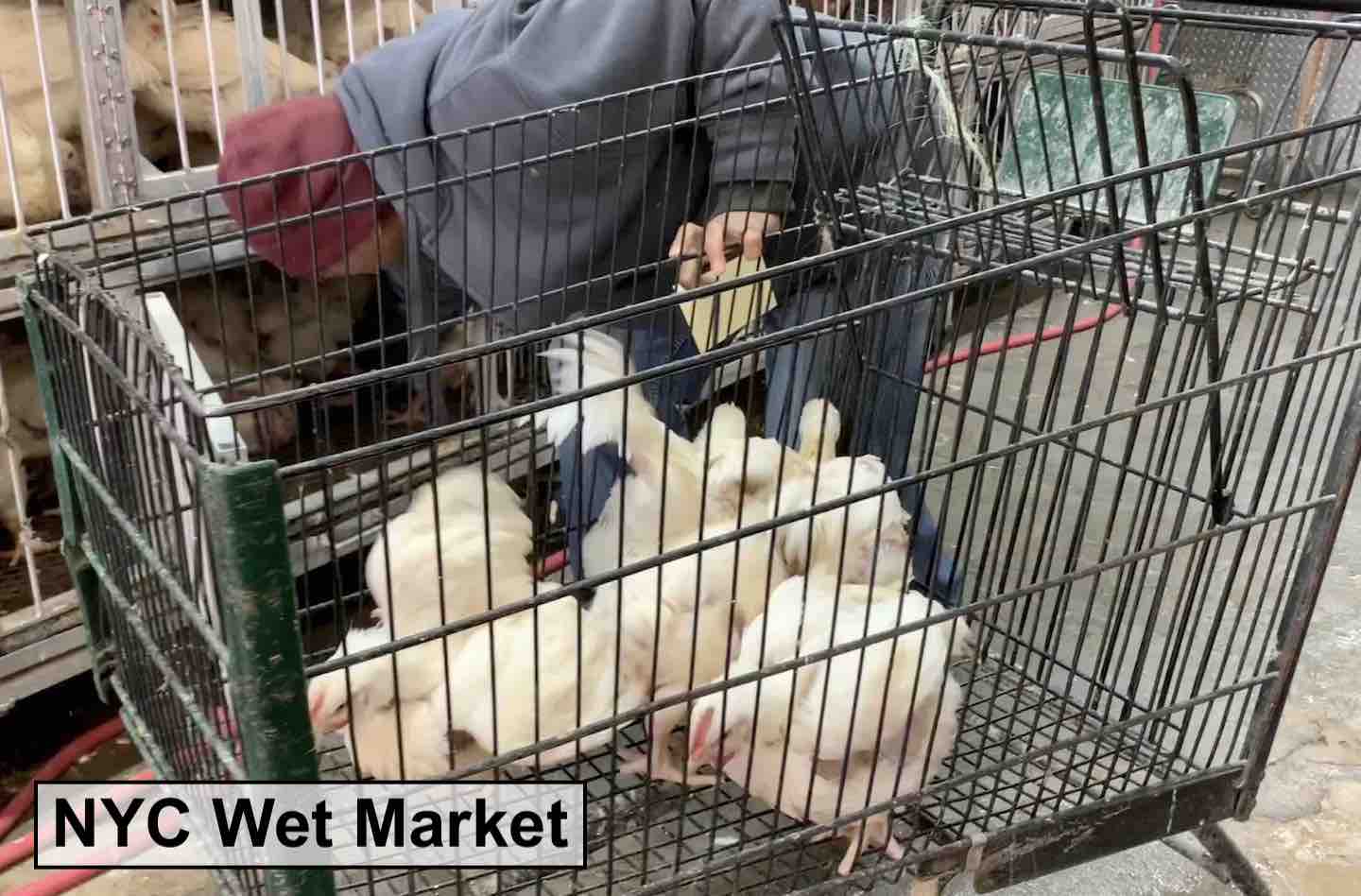
A wet market in NYC where customers, including children and the elderly, handle live animals

“Why would Dr. Fauci call on world leaders to pressure countries in Asia to shut down their wet markets without calling for the closure of live animal markets in his own country?” said Jill Carnegie, co-organizer of Slaughter Free NYC, an advocacy group working to shut down NYC’s 80+ wet markets and slaughterhouses. “Do we need to wait for an outbreak of a novel strain of bird flu or swine flu before shutting down these breeding grounds of infectious disease?”

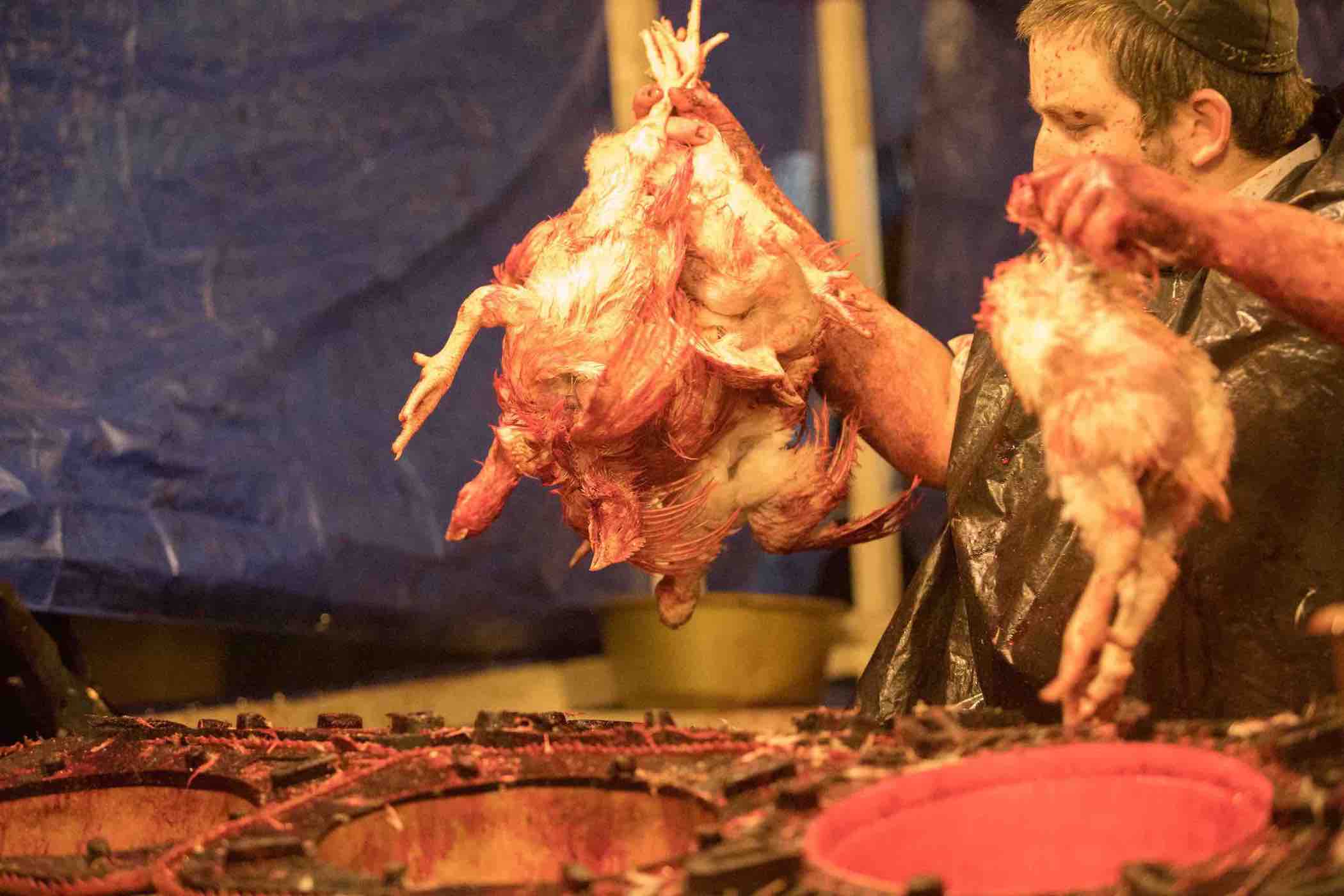
Wet markets in NYC sell at least 10 species of live animals and slaughter them on site for their customers.

Following Dr. Fauci’s remarks, several mainstream media news outlets, including CNN, ran substantive stories in which they aired footage of Asian wet markets, but they did not not address the widespread prevalence of wet markets in the United States. Through videos, letters, petitions and social media, animal advocacy groups are working to inform both the mainstream media and Dr. Fauci of the presence of wet markets in the United States, including three in Bensonhurst, the Brooklyn neighborhood where he was raised.

On April 7th, the Physicians Committee for Responsible Medicine (PCRM), a nonprofit health organization of 12,000 physicians, sent a letter to the U.S. Surgeon General urging him to shut down live markets in the United States:

“There must not be another pandemic. To ‘prevent the introduction, transmission, and spread of communicable diseases’ in the United States, the Surgeon General must promulgate regulations that prohibit the sale, transfer, donation, other commercial or public offering, or transportation, in interstate or intrastate commerce, of live birds, mammals, reptiles, and amphibians to retail facilities that hold live animals intended for human consumption.”

Dr. Neal Barnard, PCRM’s President, announced the news on a live webcast with TV journalist Jane Velez-Mitchell.

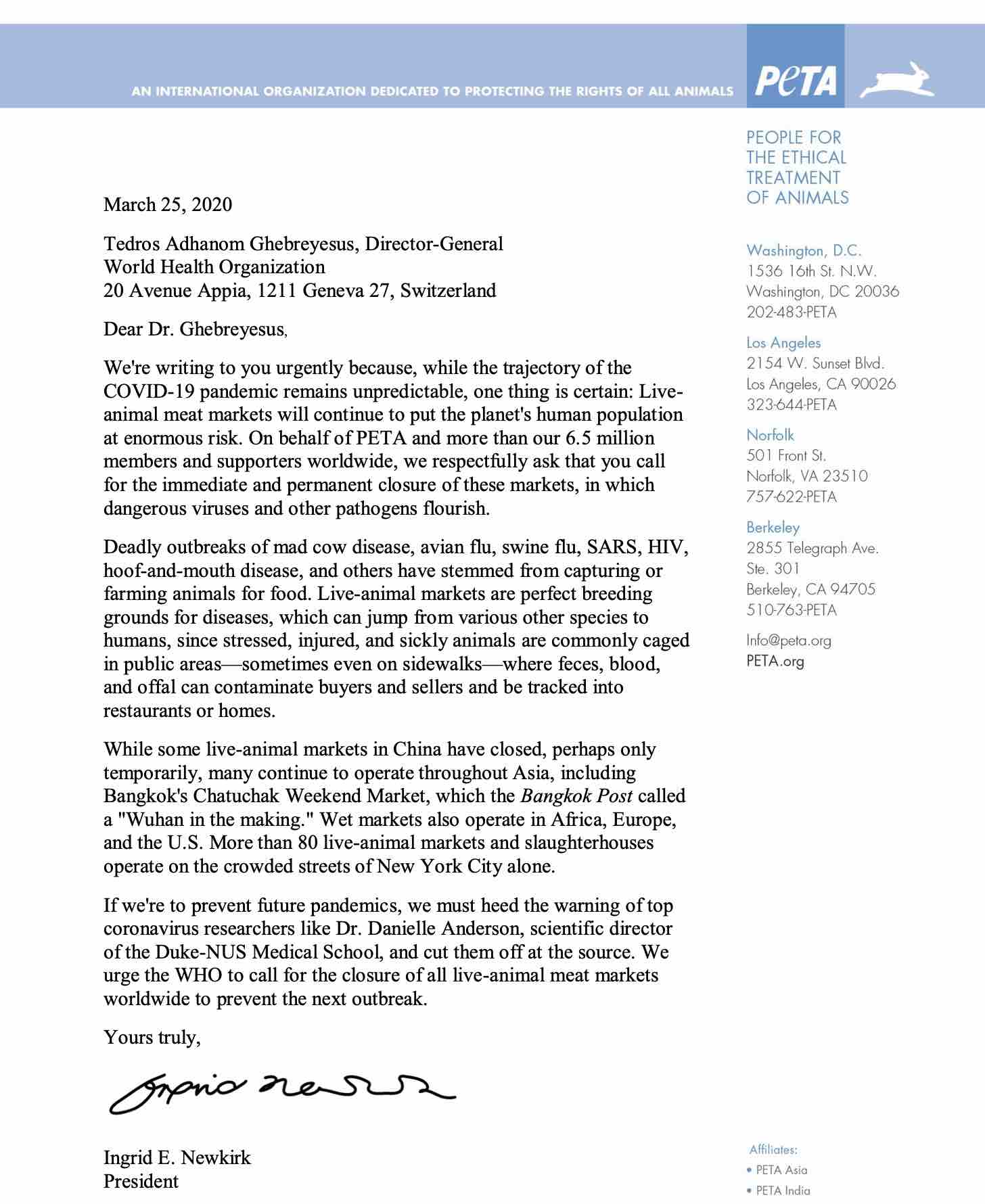
People for the Ethical Treatment of Animals (PETA) is also calling for the closure of wet markets. In a letter to Tedros Adhanom Ghebreyesus, the Director-General of the World Health Organization, PETA President Ingrid Newkirk wrote, “On behalf of PETA and our more than 6.5 million members and supporters worldwide, we respectfully ask that you call for the immediate and permanent closure of these markets, in which dangerous viruses and other pathogens flourish.

In several American cities, including New York, Chicago and Los Angeles, animal advocacy groups have been, through lobbying, litigation and protest, sounding alarm bells about the wet markets for the past several years — long before the COVID-19 outbreak. In New York City, a lawsuit filed by neighbors of one annual wet market reached New York State’s highest court. The lawyer for the plaintiffs argued that the Court should mandate that the NYPD and Dept. of Health enforce the 15 City and State laws that are violated by this wet market. The Court of Appeals judges ruled that municipalities have discretion over which of its own laws to enforce.

While the wet markets in the United States do not sell bats and pangolins, the animals believed to have transmitted COVID-19 to humans, they do intensively confine thousands of animals, some of whom are visibly ill, in pens and cages where customers shop. In one Brooklyn wet market, where animals are used in an annual religious sacrifice, customers handle the animals themselves — purchasing live chickens and swinging them around their heads before bringing them to a ritual slaughterer. According to a toxicologist who conducted an investigation on behalf of area residents, the wet market activities “pose a significant public health hazard.”

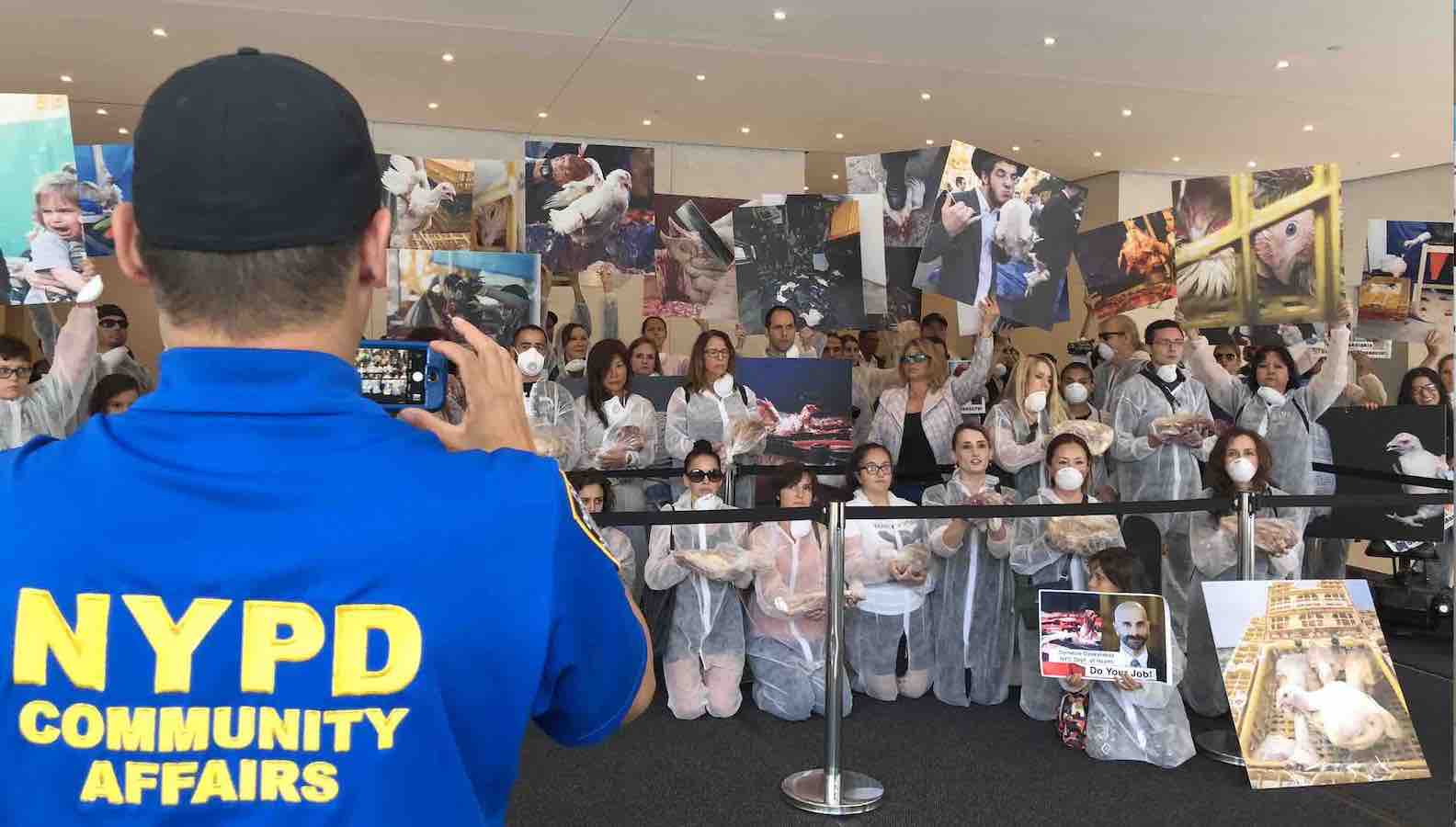
Dozens of public health and animal rights advocates occupy the New York City Dept. of Health to demand that the Deputy Commissioner of Disease Control, Dr. Demetre Daskalakis, shut down a wet market that violates seven City health codes


Shut down ‘wet markets’ worldwide: A job for the United Nations

Exposing the Big Game's avatarThe Extinction Chronicles

Residents wearing face masks purchase seafood at a wet market on January 28, 2020 in Macau, China.
Residents wearing face masks purchase seafood at a wet market on January 28, 2020 in Macau, China.(Anthony Kwan/Getty Images)

The underlying circumstances that made the explosive outbreak of today’s COVID-19 pandemic possible still exist. If we want to prevent another pandemic, it’s urgent we start eliminating those circumstances, right now. A good place to start would be by shutting down animal “wet markets” worldwide.

There is broad consensus that the present pandemic likely emerged from an animal wet market in Wuhan, China. Wet markets are place where wild and domestic animals, alive and dead, are bought and sold as food. They very commonly are uninspected, poorly regulated, noxiously unsanitary and appallingly cruel. They have repeatedly been identified as the key locations where newly emerging diseases are transmitted from infected animals to humans.

The…

View original post 477 more words

Harmful Contacts with our Living Earth and Redounding Shots Across the Bow

robertscribbler's avatarrobertscribbler

About two-thirds of all infectious diseases in humans have their origins in animals. Scientists say the ability of a virus to mutate and adapt from animals to the human system is very rare, but the expansion of the human footprint is making that rare event much more likely. — Jeff Berardelli

Contact — the state or condition of physical touching.

Harmful or unwanted contact — an assault.

Redound (archaic) — to come back upon; rebound on.

*****

How do you get sick from a virus? In the most simple sense, the virus touches your skin, your eye, the inside of your mouth, your blood or some other part of your body. It makes contact. Then it gets inside to do its damage. Often, this is through some action that you take. Some voluntary, some involuntary. Breathing, moving, picking up objects, putting contaminated clothes or blankets on or venturing into environments…

View original post 2,776 more words

Ban live wild animal meat markets

Emily Beament

7th April 2020
Hundreds of wildlife groups worldwide sign open letter to WHO calling for a ban on wildlife meat trade to stop future potential global pandemics.

The World Health Organisation (WHO) should recommend governments shut down wild animal markets to prevent future pandemics, conservationists have said.

More than 200 wildlife groups across the world have signed an open letter calling on WHO to do all it can to prevent new diseases emerging from the wildlife trade and spreading into global pandemics.

The evidence suggests Covid-19 has animal origins, likely from bats, and may have come from “wet markets” where live and dead creatures are sold for eating, leading to a temporary ban on the markets by the Chinese government.

Health

Previous global epidemics including severe acute respiratory syndrome (Sars) and Ebola have also been linked to viruses that spread from animals to people.

The letter calls on WHO to recommend to governments worldwide that they bring in permanent bans on live wildlife markets and act to close down or limit trade in wildlife to reduce the threat to human health.

The groups also want the use of wildlife, including from captive-bred animals, to be “unequivocally” excluded from the organisation’s definition and endorsement of traditional medicine.

Conservationists also said the WHO should work with governments and international bodies such as the World Trade Organisation to raise awareness of the risks the wildlife trade poses to human health and society.

It should also support and encourage initiatives that deliver alternative sources of protein to people who survive on eating wild animals, in order to further reduce the risk to human health.

Business

The letter has been co-ordinated by wildlife charity Born Free and its Lion Coalition partners, and backed by organisations including the Bat Conservation Trust, International Fund for Animal Welfare (IFAW) and the Zoological Society of London (ZSL).

Dr Mark Jones, head of policy at Born Free, said markets selling live wild animals were found in many countries but had rapidly expanded and become more commercial, increasing the risks to human and animal health.

The trade in wild animals is also a major contributor to global declines in wildlife and has severe consequences for the welfare of millions of individual animals, he said.

“We need to dig deep and reset our fundamental relationship with the natural world, rethink our place in it and treat our planet and all its inhabitants with a great deal more respect, for its sake and for ours.

“Once Covid-19 is hopefully behind us, returning to business as usual cannot be an option.”

Survival

Separate research by wildlife charity WWF found high levels of public support in Asia for closing illegal and unregulated wildlife markets and the trade in wild animals.

A survey conducted in March among 5,000 participants from Hong Kong, Japan, Burma, Thailand and Vietnam found 93% supported action by their governments to eliminate illegal and unregulated markets.

Marco Lambertini, director general of WWF International, said: “People are deeply worried and would support their governments in taking action to prevent potential future global health crises originating in wildlife markets.

“Taking action now for humans as well as the many wildlife species threatened by consumption and trade is crucial for all of our survival.”

Brendan Montague, editor of The Ecologist, added: “Those of us who are in the global North need to also examine how our meat industry and its practices – such as the use of pesticides, hormones and antibiotics – are risking both biodiversity collapse and future human health crises.”

Less ice, more methane from northern lakes: A result from global warming

Exposing the Big Game's avatarThe Extinction Chronicles

Date:
March 26, 2020
Source:
University of Eastern Finland
Summary:
Shorter and warmer winters lead to an increase in emissions of methane from northern lakes, according to a new study. Longer ice-free periods contribute to increased methane emissions. In Finland, emissions of methane from lakes could go up by as much as 60%.
Share:
FULL STORY

Shorter and warmer winters lead to an increase in emissions of methane from northern lakes, according to a new study by scientists in Finland and the US. Longer ice-free periods contribute to increased methane emissions. In Finland, emissions of methane from lakes could go up by as much as 60%.

An international study by scientists from Purdue University in the US, the University of Eastern Finland, the Finnish Environment Institute and the University of Helsinki published in Environmental Research Letters significantly enhances our current knowledge of methane emissions from boreal lakes. The…

View original post 294 more words

Human impact on wildlife to blame for spread of viruses, says study

Exposing the Big Game's avatarCommittee to Abolish Sport Hunting Blog

Increased contact with animals likely cause of outbreaks such as Covid-19, say experts, as conservationists call for global ban on wildlife markets

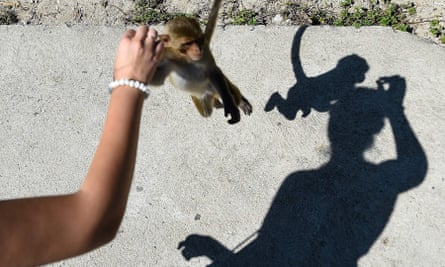
The study points to rodents, bats and primates as hosts for nearly 75% of all viruses.
The study points to rodents, bats and primates as hosts for nearly 75% of all viruses. Photograph: Nhac Nguyen/AFP/Getty Images

Hunting, farming and the global move of people to cities has led to massive declines in biodiversity and increased the risk of dangerous viruses like Covid-19 spilling over from animals to humans, a major study has concluded.

In a paper that suggests the underlying cause of the present pandemic is likely to be increased human contact with wildlife, scientists from Australia and the US traced which animals were most likely to share pathogens with humans.

Taking 142 viruses known to have been transmitted from animals to humans…

View original post 153 more words

Bats are not to blame for coronavirus. Humans are

CNN)Reclusive, nocturnal, numerous — bats are a possible source of the coronavirus. Yet some scientists concur they are not to blame for the transfer of the disease that’s changing daily life — humans are.

Zoologists and disease experts have told CNN that changes to human behavior — the destruction of natural habitats, coupled with the huge number of fast-moving people now on Earth — has enabled diseases that were once locked away in nature to cross into people fast.
Scientists are still unsure where the virus originated, and will only be able to prove its source if they isolate a live virus in a suspected species — a hard task.
But viruses that are extremely similar to the one that causes Covid-19 have been seen in Chinese horseshoe bats. That has led to urgent questions as to how the disease moved from bat communities — often untouched by humans — to spread across Earth. The answers suggest the need for a complete rethink of how we treat the planet.
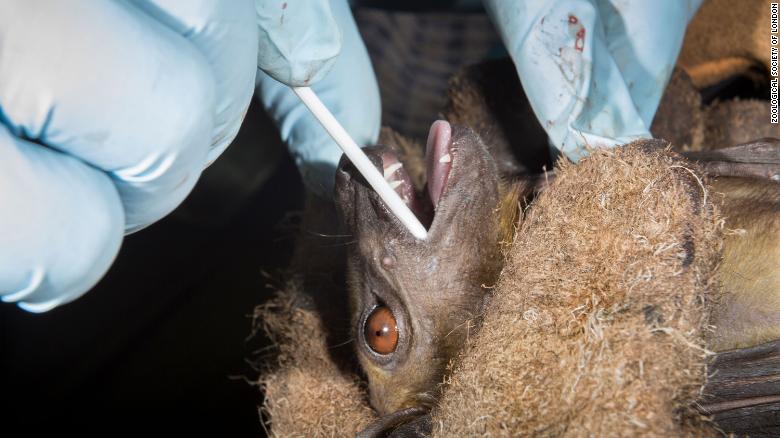
Bats are a possible source of the coronavirus, but some scientists say humans are to blame for the spread of the disease.

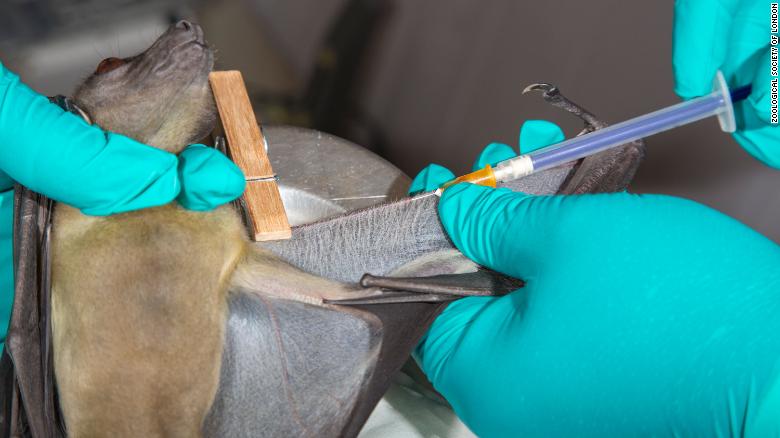
Bats are the only mammal that can fly, allowing them to spread in large numbers from one community over a wide area, scientists say. This means they can harbor a large number of pathogens, or diseases. Flying also requires a tremendous amount of activity for bats, which has caused their immune systems to become very specialized.
“When they fly they have a peak body temperature that mimics a fever,” said Andrew Cunningham, Professor of Wildlife Epidemiology at the Zoological Society of London. “It happens at least twice a day with bats — when they fly out to feed and then they return to roost. And so the pathogens that have evolved in bats have evolved to withstand these peaks of body temperature.”
Cunningham said this poses a potential problem when these diseases cross into another species. In humans, for example, a fever is a defense mechanism designed to raise the body temperature to kill a virus. A virus that has evolved in a bat will probably not be affected by a higher body temperature, he warned.
But why does the disease transfer in the first place? That answer seems simpler, says Cunningham, and it involves an alien phrase that we will have to get used to, as it is one that has changed our lives — “zoonotic spillover” or transfer.
“The underlying causes of zoonotic spillover from bats or from other wild species have almost always — always — been shown to be human behavior,” said Cunningham. “Human activities are causing this.”
When a bat is stressed — by being hunted, or having its habitat damaged by deforestation — its immune system is challenged and finds it harder to cope with pathogens it otherwise took in its stride. “We believe that the impact of stress on bats would be very much as it would be on people,” said Cunningham.
“It would allow infections to increase and to be excreted — to be shed. You can think of it like if people are stressed and have the cold sore virus, they will get a cold sore. That is the virus being ‘expressed.’ This can happen in bats too.”
Pathogens that have evolved in bats can withstand a high body temperature, so a human fever will not work as a defense mechanism.

In the likely epicenter of the virus — the so-called wet-markets of Wuhan, China — where wild animals are held captive together and sold as delicacies or pets, a terrifying mix of viruses and species can occur.
“If they are being shipped or held in markets, in close proximity to other animals or humans,” said Cunningham, “then there is a chance those viruses are being shed in large numbers.” He said the other animals in a market like that are also more vulnerable to infection as they too are stressed.
“We are increasing transport of animals — for medicine, for pets, for food — at a scale that we have never done before,” said Kate Jones, Chair of Ecology and Biodiversity at University College London.
“We are also destroying their habitats into landscapes that are more human-dominated. Animals are mixing in weird ways that have never happened before. So in a wet market, you are going to have a load of animals in cages on top of each other.”
Kate Jones, Chair of Ecology and Biodiversity at University College London, said increasing transport of animals and habitat destruction meant animals were mixing in ways they never had before.

Cunningham and Jones both pointed to one factor that means rare instances of zoonotic spillover can turn into global problems in weeks. “Spillovers from wild animals will have occurred historically, but the person who would have been infected would probably have died or recovered before coming into contact with a large number of other people in a town or in a city,” said Cunningham.
“These days with motorized transport and planes you can be in a forest in central Africa one day, and in a city like central London the next.”
Jones agreed. “Any spillover you might have had before is magnified by the fact there is so many of us, and we are so well connected.”
There are two simple lessons, they say, that humanity can learn, and must learn fast.
First, bats are not to blame, and might actually help provide the solution. “It’s easy to point the finger at the host species,” said Cunningham.
“But actually it’s the way we interact with them that has led to the pandemic spread of the pathogen.” He added that their immune systems are poorly understood and may provide important clues. “Understanding how bats cope with these pathogens can teach us how to deal with them, if they spillover to people.”
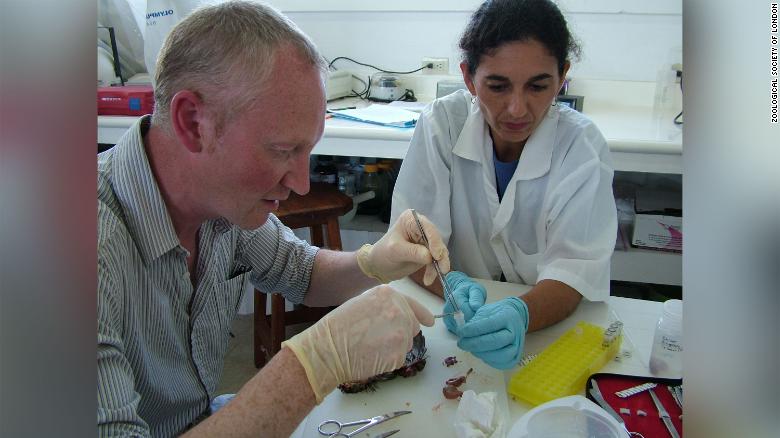
The cause of "zoonotic spillover,"  or transfer from bats or other wild species, is almost always human behavior, says Professor Andrew Cunningham from the Zoological Society of London.

Ultimately diseases like coronavirus could be here to stay, as humanity grows and spreads into places where it’s previously had no business. Cunningham and Jones agree this will make changing human behavior an easier fix than developing a vastly expensive vaccine for each new virus.
The coronavirus is perhaps humanity’s first clear, indisputable sign that environmental damage can kill humans fast too. And it can also happen again, for the same reasons.
“There are tens of thousands [of viruses] waiting to be discovered,” Cunningham said. “What we really need to do is understand where the critical control points are for zoonotic spillover from wildlife are, and to stop it happening at those places. That will be the most cost-effective way to protect humans.”
Jones said viruses “are on the rise more because there are so many of us and we are so connected. The chance of more [spillovers into humans] happening is higher because we are degrading these landscapes. Destroying habitats is the cause, so restoring habitats is a solution.”
The ultimate lesson is that damage to the planet can also damage people more quickly and severely than the generational, gradual shifts of climate change.
“It’s not OK to transform a forest into agriculture without understanding the impact that has on climate, carbon storage, disease emergence and flood risk,” said Jones. “You can’t do those things in isolation without thinking about what that does to humans.”