The two teens seen in aviral video showing the beating and torturing a white-tailed buck in Pennsylvania have resolved their cases in court, the Pennsylvania Game Commission said Friday.
The video shot Nov. 30 was shared on social media, and calls for the boys to be prosecuted grew as the game commission investigated for months afterward.
Alexander Brock Smith, 18, was charged as an adult and a 17-year-old boy was charged as a juvenile in January.
Initially facing felony counts, Smith pleaded guilty May 6 in Jefferson County court to a misdemeanor count of cruelty to animals and summary counts of disturbance of game or wildlife, unlawful possession of game or wildlife, using unlawful devices or methods while hunting and failure to wear the required amount of fluorescent orange while hunting.
Smith, the stepson of Brookville’s police chief, had been free…
POSTED BY SANA SIKANDERPUBLISHED: MAY 30, 2020, 1:19 PM IST
Representational Image
New Delhi: As the world continues to experience the deadly effects of COVID-19, PETA India has urged everyone to help stop another pandemic saying “India: It’s Time to Move Away From Meat”.
In a statement, the animal rights organisation said it is overwhelmingly believed that coronavirus has jumped the species barrier from infected animals to humans at a live-animal market in China.
“The PETA India is urging everyone to help stop another pandemic by running ads in newspapers that proclaim ‘India: It’s Time to Move Away From Meat’,” it said on Friday.
Filthy markets
The advertisement points out that India’s live-animal markets, factory farms, and slaughterhouses are as filthy as China’s “wet markets”, their floors covered with blood, urine, faeces, and offal and that no one needs to eat meat.
The Iowa Department of Agriculture has launched a program to help pork producers deal with hogs they can’t take to market after coronavirus shut downs at packing plants. Ag Secretary Mike Naig says it’s something no producer wants to deal with.
“Farmers are doing everything they can to avoid having to take the step of euthanizing and disposing of animals,” Naig says. “They are finding alternate ways to market, they are selling direct to consumers, they’re changing their feed ration to slow down the rate of gain — they are doing everything they can. This truly is an action, a decision of last resort.”
The Ag Department is offering producers 40 dollars for each animal to help cover some of the disposal costs for market-ready hogs.
“It won’t cover all costs, but it is a part of the cost that they’ll incur to euthanize and dispose of animals,” he says.
Naig says they are still hoping for federal help to cover the loss of revenue from the hogs. Iowa State University estimates that by mid-May there were approximately 600-thousand pigs in Iowa that were unable to go to the packing plants. Iowa producers were faced with killing thousands of chickens and turkeys during the bird flu outbreak five years ago — and Naig says they learned some things then.
“One of the key learnings from that was to really empower producers to make decisions and to take control of the situation,” according to Naig. “They know their operations better than anyone else. And they also know the resources at their disposal better than anyone else. We learned that back in 2015.”
He says they will hand out the funding in at least three rounds.
“The first round closes Friday of this week, and farmers will need to reach out to our office. They can call the main number or they can go to IowaAgriculture.gov and there is a way to apply there. And then we will subsequently roll out rounds two and three,” Naig says.
Naig says this will help producers deal with the short-term problem. In the long-term, he says they need to continue to get making the packing plants safe for workers.
He says that it will allow the employees to confidently show up and know that they can work safely. “That’s ultimately what it takes to return to full processing capacity. Today in Iowa we are running at about 75 percent of our normal processing capacity — an again that number steadily improves each day.” Naig says.
He says this could continue to be a problem throughout the summer. Each applicant who is approved will receive funding for at least one-thousand animals and up to 30-thousand each round, depending on the number of applicants. The money comes from federal coronavirus relief funding.
In the heart of central Jakarta, about 20 minutes from Joko Widodo’s Presidential Palace, the Pramuka Bird Market is open for business.
The aisles throng with people, few wearing masks, and hum with the din of humans, birds, reptiles and mammals all mixed together. It stinks too.
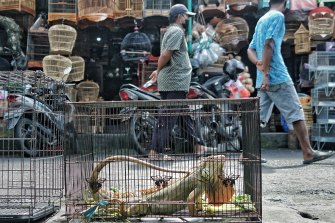
A live lizard is displayed for sale in a cage at the Satria market in Bali, Indonesia.CREDIT:AMILIA ROSA
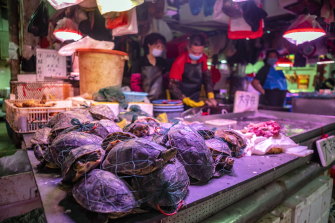
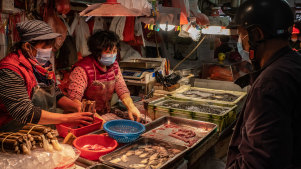
Today, Vonis, a local trader who uses just the one name, is holding forth about the origins of the coronavirus that has infected nearly 6 million people, killed more than 360,000, up-ended the global economy and more. It is thought to have passed from bats, via an unidentified animal, to humans at a wet market in Wuhan, China.
“It’s hoax. It is not true that bats caused COVID-19. I’ve been selling this [bats] for many years, nobody gets sick here. No one. Also, many Indonesians eat bat meat and nobody is sick. I myself healed my asthma after consuming bat. It happened when I was around 25 years old. I’m a bit over 40, I am healthy now,” he says.
Vonis sells birds, mostly, as pets, but he also has bats (about $25), civets (about $40) and squirrels. It’s for traditional medicine, he hastens to add. He sells about 30 bats a week and is happy to offer cooking tips.
“Just fry it, don’t put too many spices in like the Manado dish. Just a little salt. For chronic asthma you have to consume it twice a week. If it is only for keeping you healthy, eat it once a month.”
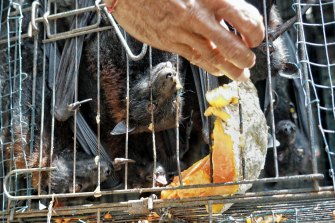
A man feeds bats for sale at the Satria market in Bali.CREDIT:AMILIA ROSA
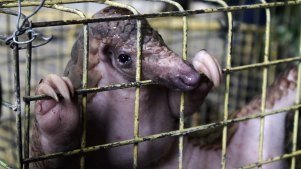
If you want a pangolin – thought to be the potential “bridge animal” between bats and humans in Wuhan – he can get you one of those, too.
“Nobody has it here [at the market]. But if you want, we can look for it. I have someone who can do it.”
The small, scaly mammal cost between $250 and $300 to source, and you have to pay half in advance.
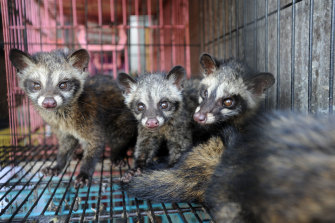
Civet cats for sale at a market in Bali.CREDIT:AMILIA ROSA
Vonis is far from the only person in the Pramuka market selling exotic animals for consumption. Indonesia is home to some large wildlife wet markets, such as the Beriman Tomohon in North Sulawesi, the Satria in Bali, Hewan Pasty in Yogyakarta, Depok in Solo and Jatinegara, also in Jakarta. There also smaller markets – up to 1000, according to the Jakarta Animal Aid Network.
At the Satria, pet shop owner Nengah Wita sells bats, rabbit, chickens, song birds and geckos. He’s at pains to stress he sells very few bats (they retail for about $120 each) and says they are only sold to help with asthma in traditional medicine.
He says people have “exaggerated” the part played by bats in the origin of the coronavirus.
“I would’ve fallen sick weeks ago if it was true. But I am fine, I sleep in the shop, I care for them every day, I even got bitten last week but you can see, I am not sick. Just like the last time, the bird flu, I sell birds too, but I was fine then too.”
These market traders are just the tip of the iceberg. Civets are widely available for sale on Tokopedia, Indonesia’s answer to eBay (some listings describe them as pets, others note they are very tasty). It isn’t hard to find pangolin scales for sale, either.
While experts such as Professor Wiku Adisasmito, who is part of the Indonesian government’s national COVID-19 taskforce, have warned that wild animal markets are an “animal cafeteria for pathogens” that could lead to the next coronavirus, the national government has shown little appetite for tackling the problem. Instead, it has suggested that it the responsibility of provincial governments.
It’s a similar story throughout the region where bats, pangolins, civets, rats, rare birds, dogs, and parts of rhinos, elephants and tigers are regularly traded.
China has, since the emergence SARS-CoV-2, flagged plans to ban the trade of live animals for food – but left exceptions for traditional medicine and fur. That’s more than most countries. A Vietnamese plan to ban the trade and consumption of wild animals seems to have stalled.
The illegal trade in wild animals for food, medicine, fur and as pets is big business worth an estimated $7 billion to $23 billion annually. The legal trade – loosely regulated by the Convention on International Trade in Endangered Species [CITES] of Wild Fauna and Flora – is worth perhaps 10 times as much and, until the new coronavirus was unleashed, it was booming.
Play Video
Play video
3:25
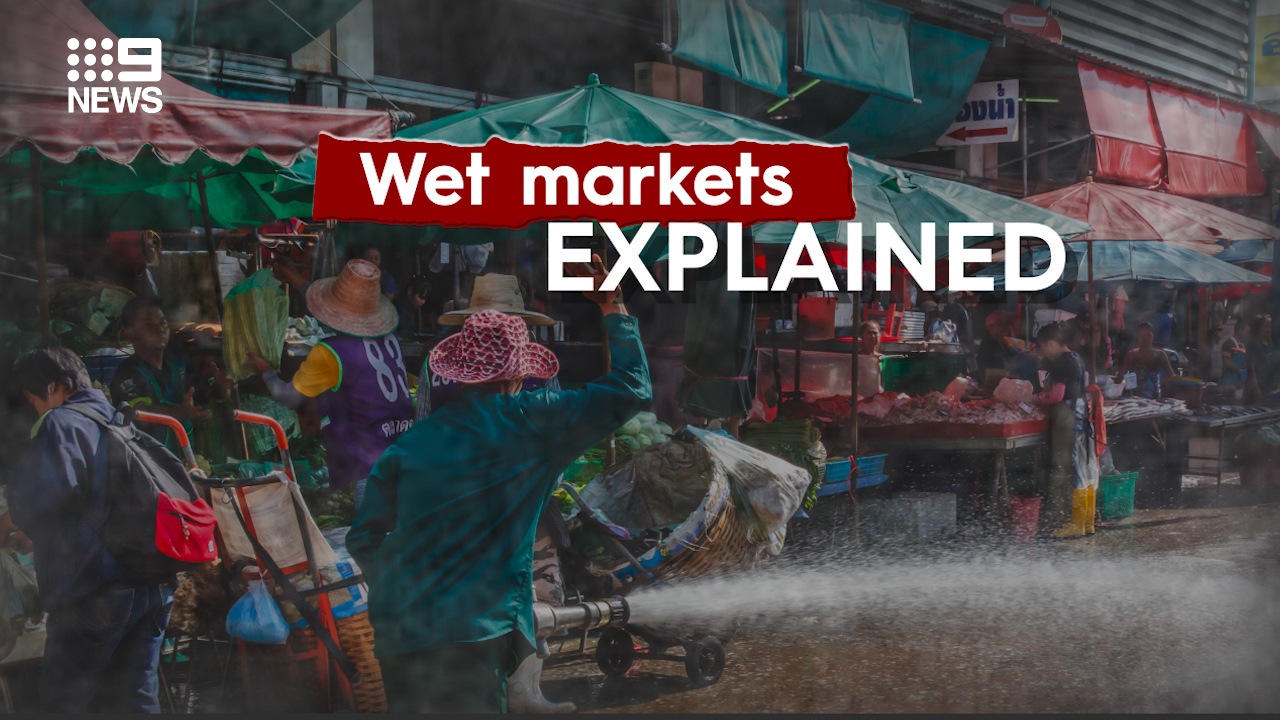
What is a wet market?
The reopening of China’s wet markets has sparked global debate and prompted calls to close them entirely. But with confusion around the definition of the term ‘wet market’, we take a look at exactly what it means, and how their permanent c…
Scott Roberton, the Bangkok-based director for Counter-Wildlife trafficking for the Wildlife Conservation Society, praises China for its post-COVID-19 plans to curtail the wildlife trade, though he admits it could go further.
“It’s a much bigger problem than a single market in Wuhan. We really need to break this idea that it’s only about markets. They are an important location, but huge volumes of the trade in wild animals in the region takes place outside of markets and poses similar risks of virus emergence,” he says.
“Wildlife is moved over provincial and international boundaries, stored in houses, warehouses, refrigerated storerooms, restaurants, shops and farms.”
Roberton, who was based in Vietnam for more than a decade, describes China as less of a “source” country now and as more of a destination for wildlife consumption, as well as a transit country for animals coming from places such as Cambodia and Laos. Indonesia, too, “is a source, destination and transit country”.
Live turtles for sale at the Xihua Farmers’ Market in Guangzhou, China.CREDIT:EPA/AP
Laos and Cambodia, some of the poorest countries in south-east Asia, operate as a source for both farmed and illegally caught wildlife. There is a domestic market, too, for consumption by tourists, as is the case with Thailand.
“This is one of the most valuable illicit trades, up there with drugs, weapons, human trafficking and counterfeit goods; it’s worth billions of dollars annually,” Roberton says.
“One reaction from some governments is that they don’t have the trade of wildlife for meat like in China, yet they do have trade for wildlife as pets and traditional medicine. The fact is that the conditions that lead to the emergence of zoonotic pathogens like COVID-19 and SARS occur in the wild animal trade whether they are being sold for meat, fur or medicine, so policies focused on only wildlife meat won’t significantly reduce the future threat of pathogen emergence.”
Australia has backed an international review of wildlife markets in the wake of the virus, which it has labelled a “big risk” to human health and food production.
Leanne Wicker, a senior vet at Healesville Sanctuary who worked in Vietnam for years and is an expert on species threatened by the wildlife trade, says such infectious organisms are “no risk to people when wild animals are left in the wild”.
The problem is that human behaviour, such as habitat destruction, ecotourism, hunting, the trade and consumption of wild animals and the farming of wild animals brings “people and wildlife into unnaturally proximity enabling the spillover of disease between species”.
Aside from COVID-19, she reels off rabies, Ebola, Hendra virus, henipavirus, the first SARS coronavirus, monkey pox, HIV, leptospirosis and rat lung worm, salmonella and toxoplasmosis as examples.
“The SARS-CoV-2 virus is not the first significant pathogen to arise from the wildlife trade and it most certainly won’t be the last.”
She’s also frustrated by the focus on wildlife or wet markets, arguing that restaurants, for example, can also pose a significant risk in spreading new and exotic viruses.
Australia’s Agriculture Minister David Littleproud said markets that exist across Africa and north and south-east Asia and sell animals for traditional medicine and food consumption are a “particular concern”.
“Even before COVID-19, we knew these sorts of markets posed a serious potential risk to human health and, if we obtain the scientific backing, we would like to see these markets phased out to ensure public health,” he says.
As Wicker says, the impact of the global wildlife trade is “devastating”.
“While I am acutely aware that the public health risks are significant, it is very hard to ignore the fact that this is a problem caused entirely by human greed. For me, the real tragedy lies in considering the fear, pain and discomfort felt by every single one of the many millions of individual animals who find themselves unlucky participants in this human atrocity.”
In his new book How to Survive a Pandemic, scientist and physician Dr. Michael Greger warned that a strain of bird flu borne from chicken farms could have “apocalyptic” consequences. He added that it could have the potential to “wipe out half of humanity,” the New York Post reported earlier today.
Greger, who formerly testified for Oprah Winfrey during a “meat defamation” trial, alleged that this new virus could come from “overcrowded and unsanitary chicken farms” if nothing is done to change them.
The vegan doctor believes that as long as humans continue to eat poultry, there will always be the potential for a deadly new viral strain.
“As long as there is poultry, there will be pandemics. In the end, it may be us or them,” he asserted.
Greger firmly believes that the “entire system” used to…
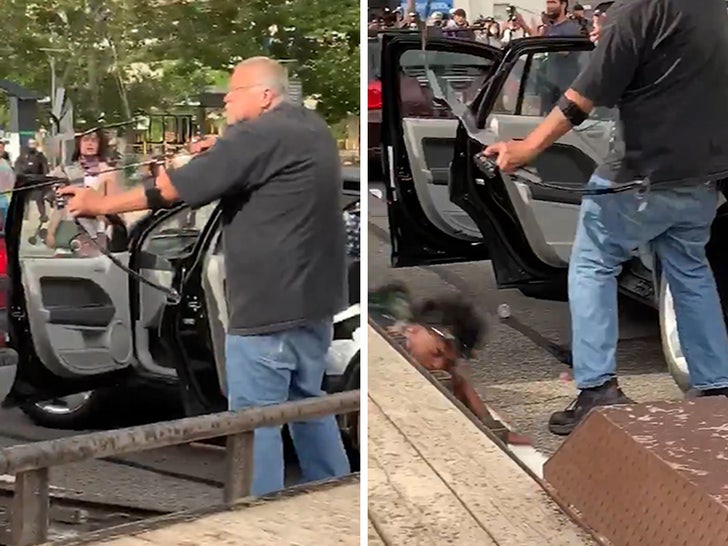
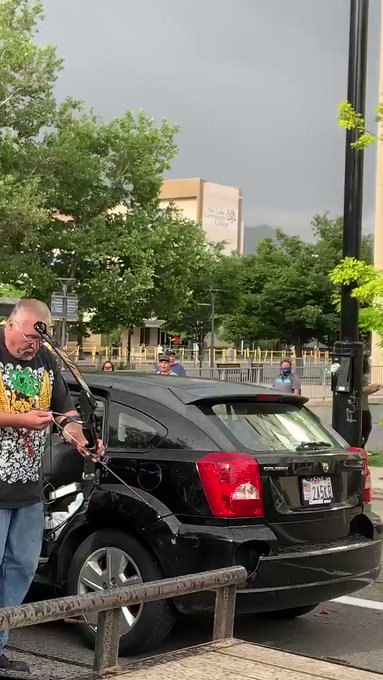
A rogue vigilante started firing arrows at protesters in Utah this weekend — and it cost him (and his car) dearly almost instantly.
The scene was filmed Saturday in Salt Lake City, where protests and riots are in full swing right now … as they are in many other parts of the country. Apparently, a group of protesters had blocked off the road somewhere there in town, and one man had had enough.
Titania v. 2.0@Gingersonfire
A civilian brought a hunting bow to the #slcprotest and began shooting it at protesters.
He emerged from his vehicle with a hunting bow he had on him and supposedly starting brandishing it toward the crowd … seemingly threatening to shoot arrows at people. One woman had a brief convo with the guy…
Protecting existing forests and planting new ones are surely good things to do. However, scientists say we must not place too much faith in trees to save us. In particular, last year one research group claimed we can plant a trillion extra trees and remove a quarter of the carbon dioxide currently in the air. These figures have been widely criticised as overhyped and unreliable. Trees will definitely help us slow climate change, but they won’t reverse it on their own.
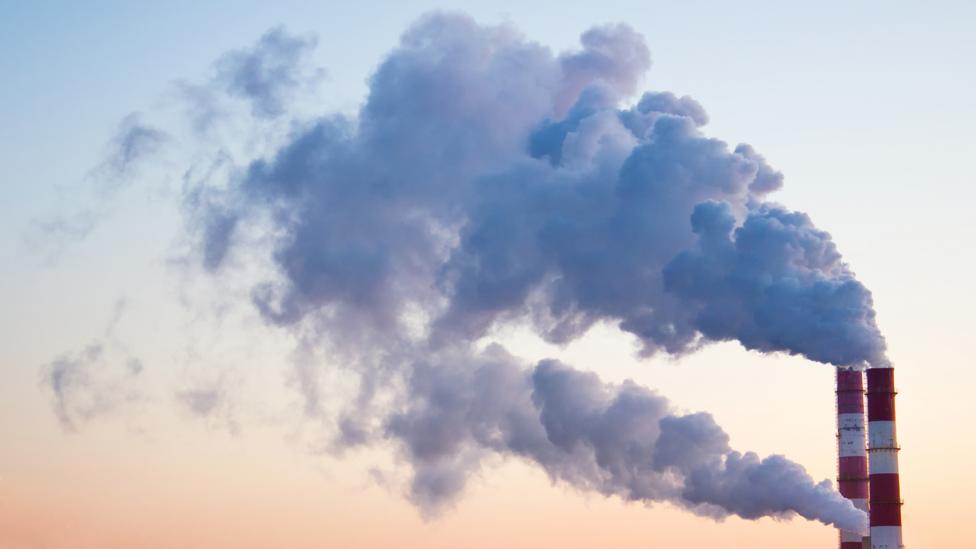
The underlying problem is that our society is releasing greenhouse gases, especially carbon dioxide (CO2), that are warming the Earth’s climate to levels we have never experienced before. As a result the great ice sheets are melting, contributing to rising seas, and extreme weather events like hurricanes and droughts are becoming more severe.
Trees have emerged as one of the most effective methods for drawing existing carbon out of the atmosphere (Credit: Getty Images)
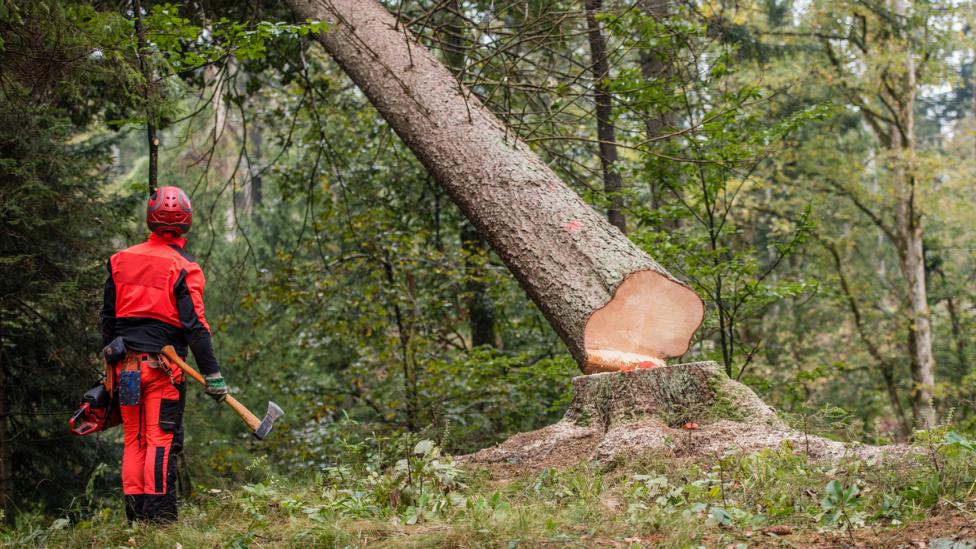
The solution is to stop emitting all greenhouse gases, for instance by replacing fossil fuels with renewable energy sources like solar power. Deforestation is actually one of the biggest sources of carbon dioxide, because when trees are cut down much of the carbon stored within them escapes into the air – especially if the wood is burned. For instance, in 2017 land use changes – mostly deforestation – contributed four billion tonnes of CO2 emissions to the global total of 41 billion tonnes of CO2. In other words, if we stopped cutting down trees we would cut our annual emissions by about 10%.
However, simply stopping all our emissions is no longer enough. At this point we have emitted so much CO2, and left emissions cuts so late, that we are almost certain to miss our targets of limiting warming to 1.5C or 2C. That means we must also find ways to actively remove CO2 from the air.
So long as a tree lives, that carbon stays within it – and trees can live for decades or centuries
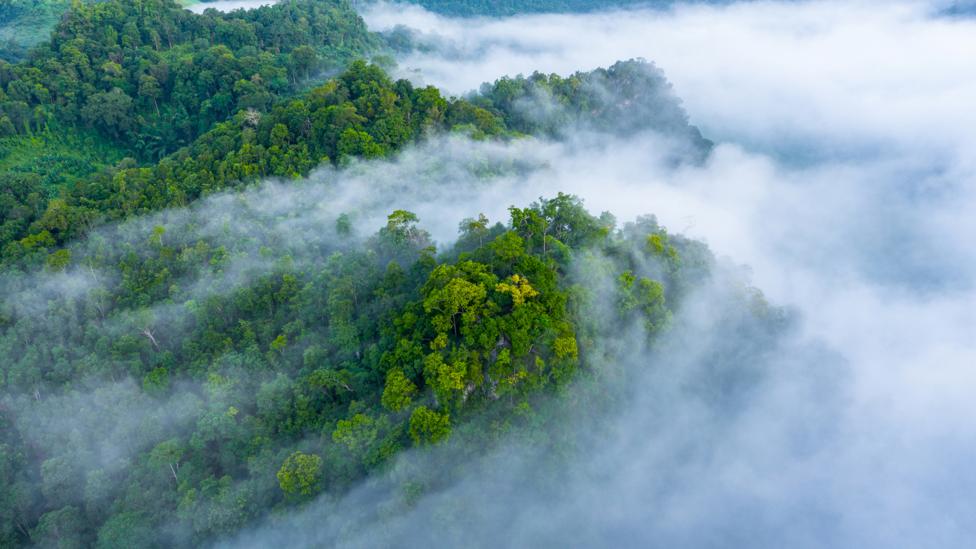
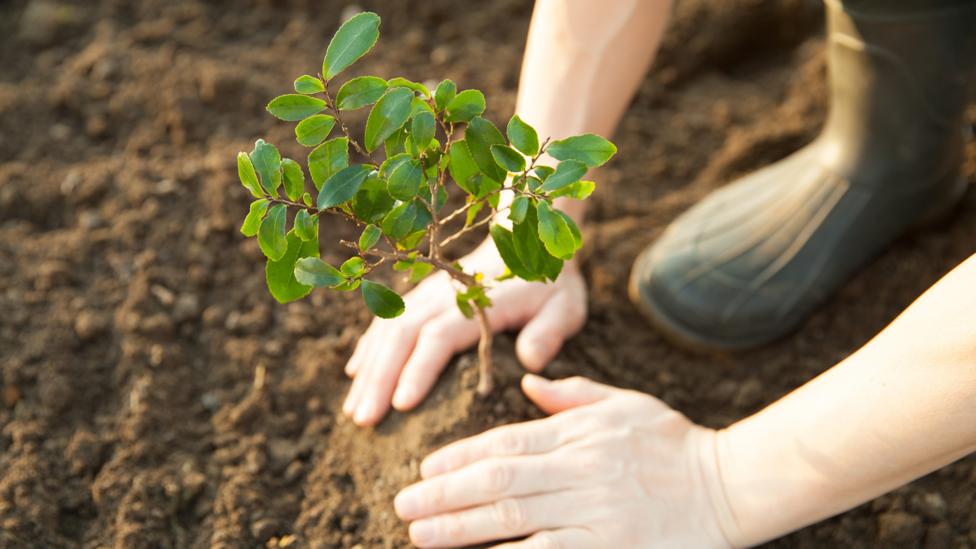
All sorts of technological approaches have been proposed, but trees are an obvious contributor. New trees can either be planted in regions that have been deforested (reforestation) or in places that have never had them before (afforestation). As the trees grow they pull in CO2 through their leaves and convert it into carbohydrates, which they use to grow. So long as a tree lives, that carbon stays within it – and trees can live for decades or centuries. Trees are a natural “carbon sink”. It follows that we should both stop chopping down forests – especially tropical ones like the Amazon, which store huge amounts of carbon – and start planting more.
This finding has had immediate, fierce pushback from other climate scientists. In October 2019, the journal Science published fourhighlycriticalcomments. These argued that the researchers had overestimated the carbon trees could store – by a factor of five. They also highlighted multiple mistakes. For instance, much of the land Crowther described as “available” for tree planting already has plants growing on it, all of them storing carbon, many of which would have to be removed, according to Sonia Seneviratne of ETH-Zurich and her colleagues.
Replanting trees nearer the poles is not as effective at drawing back carbon as trees planted in the tropics (Credit: Getty Images)
There are also deeper problems, because trees have more than one way to affect the climate.
The first issue is that trees are dark, at least compared to other things that might blanket the land, such as grass or snow. As a result, planting more trees typically makes the land darker. Since dark surfaces absorb more heat, a dark tree-covered surface will trap more of the Sun’s heat – and warm the local climate.
As a result, there is a delicate balance between trees’ ability to take in CO2, reducing warming, and their tendency to trap additional heat and thus create warming. This means planting trees only helps stop climate change in certain places.
Specifically, according to a 2007 study that has been repeatedly confirmed, the best place to plant new trees is the tropics, where trees grow fastest and thus trap the most CO2. In contrast, planting trees in snowy regions near the poles is likely to cause a net warming, while planting them in temperate climates – like that of the UK, much of Europe and parts of the US – may have no net effect on climate.
Trees’ emissions can also lead to warming if they react to form the greenhouse gas methane, or ozone
“You have to be careful where you do reforestation,” says David Beerling of the University of Sheffield in the UK.
Others say this problem is overblown. “They’re assuming that snow cover’s going to stay there with warming,” says Beverly Law of Oregon State University in Corvallis. She points out that the polar regions are warming faster than the rest of the planet, so much of the snow may melt in the coming decades – in which case planting trees will not make the ground that much darker. “That’s been kind of a red herring that’s held out there a lot,” says Law.
The other thing trees do is emit volatile chemicals into the air. “That’s the pine-y smell you get when you walk through a forest,” says Dominick Spracklen of the University of Leeds in the UK. These chemicals stick together to form tiny floating particles called aerosols, which have complicated effects.
For example, the aerosols create a faint haze. This scatters sunlight back into space, cooling the planet. “Probably the more important effect is those particles act as seeds for cloud droplets,” says Spracklen. This creates more low cloud, or thicker low cloud, which also bounces sunlight back to space.
Planting trees can play a part in reducing carbon in the atmosphere – but it cannot reverse global warming on its own (Credit: Getty Images)
However, the trees’ emissions can also lead to warming if they react to form the greenhouse gas methane, or ozone, which is a greenhouse gas at low altitudes. For Nadine Unger of the University of Exeter in the UK, this is a major problem. “The mutual relationships between forests and climate are actually really rather more complex and not fully understood,” Unger told the James Lovelock Centenary conference at the University of Exeter in July 2019.
However, other reforestation experts are critical of Unger’s findings. “The overall effect is quite small,” says Spracklen, who has studied the effects of aerosols. “Then the carbon storage blows all the rest out of the water.” Law agrees, saying the effects of aerosols are also “a red herring”.
Natural climate solutions could lock up the equivalent of 23.8 billion tonnes of CO2 per year
So how much can trees really help us solve our climate problem?
In a 2017 study, researchers led by Bronsom Griscom, now at Conservation International, estimated the full potential of “natural climate solutions”. This includes restoring wetlands and other ecosystems, and minimising emissions from farmland, but the biggest contributors by far were preserving existing forests and reforesting degraded areas.
For Law, it is one of the best estimates published to date. The researchers “really did a pretty good job”, she says.
When trees are cut down, it is important that the carbon they contain is not released again into the atmosphere (Credit: Getty Images)
The UK’s Royal Society came to similar conclusions in a 2018 report on greenhouse gas removal technologies. They estimated that reforestation could remove three billion to 18 billion tonnes of CO2 per year. These are significant numbers.
Uncertainties do remain, however. For instance, the climate will keep changing for many decades, and this will affect trees’ behaviour and growth – but we don’t really know how yet. “There’s still a question mark,” says Beerling. “Will they be limited by nutrient availability or increased fire or increased drought?” Similarly, planting trees in dry areas can cause water scarcity because they suck up so much – as China has discovered.
However, there are also surprise benefits of planting trees. For instance, a 2018 study suggested that large-scale tree planting in dry tropical regions would cause a shift in weather patterns, leading to more rainfall on land – enabling more plant growth and therefore more carbon storage.
The real uncertainties are not scientific, but socio-political
Also, planting trees is not just about stopping climate change. “As well as the climate emergency, we’re facing a biodiversity crisis,” says Spracklen. Planting trees can help with both, he says, “but only if we do it right”.
At the moment a lot of the trees being planted are monocultures of fast-growing commercial species like acacia or eucalyptus. These have “virtually no biodiversity benefits and may even replace something that was better”. It would be better to restore species-rich forests, he says. In line with this, Law has highlighted that planting rich new forests can boost local biodiversity, as well as improving water availability.
Areas that are now used for farming – such as rearing sheep on hill country – can be difficult to reforest (Credit: Getty Images)
The real uncertainties are not scientific, but socio-political. Put simply, where will people and nations allow the large-scale planting of trees? “As soon as you get down onto the land, there’s people living there and they have aspirations for how they want to live their lives that maybe don’t involve tree-planting,” says Spracklen. “There’s virtually nowhere where land’s just lying idle and you can just come along and do that.”
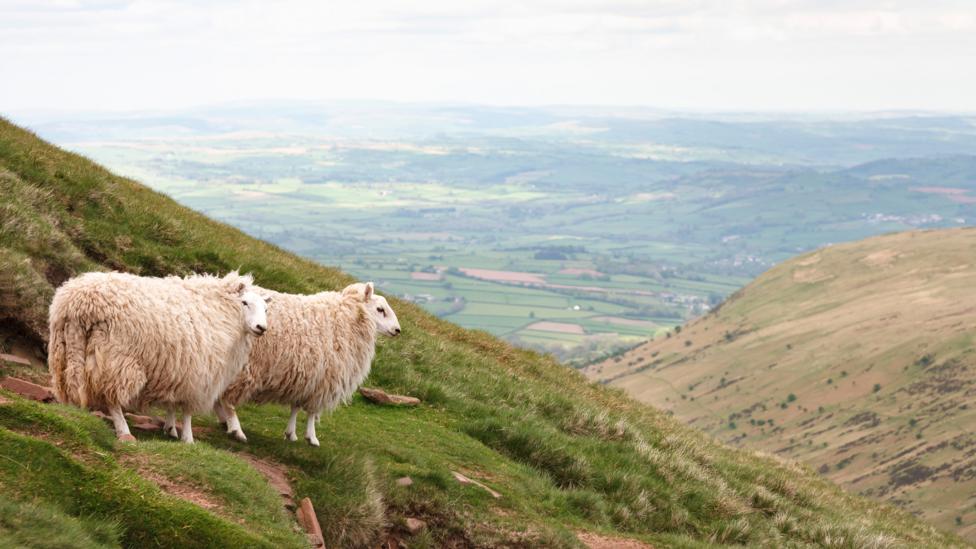
He points to the Welsh hills, which are severely deforested and consequently lacking in wildlife – but which are politically difficult to reforest because they are dominated by the sheep-farming industry. Similar conflicts over land use exist in all countries.
The message, then, is that trees can play a significant role in stopping dangerous climate change – provided we plant them in the right places. The challenge will be finding ways to fit huge new forests into our societies in such a way that people accept them.
A BC hunter is going to think twice about killing animals illegally.
According to RCMP, on May 21 at 6:48 pm, police and the BC Conservation Officer Service attended an address in the 2900 block of Spout Lake Road in Lac La Hache.
Crews attended after hearing that a mother bear had been illegally shot in the area.
Once on scene, officers spoke with the hunter. He was cooperative and didn’t cause any problems for RCMP.
After completing their investigation, conservation officers served violation tickets and seized the bear.
The two cubs, now without a mother, were left at the location to be monitored further by local conservation officers.
“It’s a sad fact that the United States missed the boat on getting adequate testing set up early enough to be able to stop the virus in its tracks.”
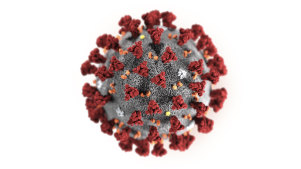
This electron microscope image from the National Institute of Allergy and Infectious Diseases Integrated Research Facility in Fort Detrick, Md., shows novel coronavirus SARS-CoV-2 virus particles, orange, isolated from a patient. Researchers at the CDC released a new analysis Friday suggesting local transmission of the virus in the U.S. took place in January. –NIAID/National Institutes of Health via AP
This story originally appeared on STAT, a health and medicine website that provides ambitious coverage of the coronavirus. Go here for more stories on the virus. Try STAT Plus for exclusive analysis of biotech, pharma, and the life sciences. And check out STAT’s COVID-19 tracker.
Former Minneapolis Police Officer Derek Chauvin Charged With Murder And Manslaughter In George Floyd Case
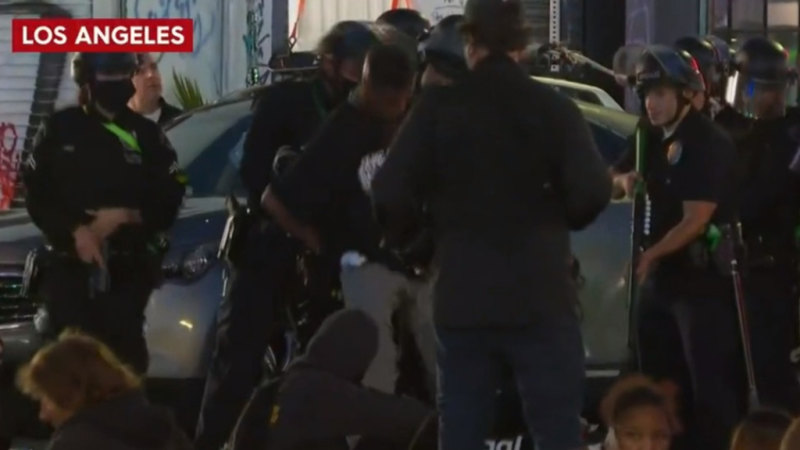
Growing civil unrest, riots and protests are raising the possibility of a second wave of the coronavirus outbreak, city and state officials warned, as the violence and public gatherings intensified into Sunday morning.
Thousands have gathered across multiple states to demonstrate following the death of George Floyd, who died after a police officer put his knee on his neck while arresting him in Minneapolis.






 Exposing the Big Game