Australis Mar reported finding 15m large cetacean at one of its sites in Chile.
Chilean aquaculture Sernapesca reports that the salmon farmer Australis Mar informed it that discovered the carcass of a sei whale at one of its sites.
The sei whale, around 15m in length, is believed to have died after it became entangled in one of the nets at the salmon farm around seven hours from Puerto Aysén, at the southern tip of Chile.
PHOTO: Sernapesca
On Monday, authorities after analysis determined that it was a sei whale. It had become almost entirely entangled with ropes of different length. Furthermore, a metal chain was found wrapped around the whale.
Sernapesca then instructed the owner of the salmon farm to dispose of the remains of the cetacean in a secured sector of the coast.
PHOTO: Sernapesca
“Once collected, all the information will be made available to the agencies and institutions that require it, as well as to international conservation bodies such as the International Whaling Commission (Response Network to Gillnetting of large cetaceans) and other forums of which Chile is a part of,” wrote Sernapesca.
Sei Whales are one of the fastest of all cetaceans (whales, dolphins, and porpoises), able to reach speeds of up to 50 mph for short sprints.
“There are about 80,000 sei Whales in the world today. That is about 1/3 of the population that existed in the world before the whaling boom of the late 1800s through early 1900s,” according to Oceanwide Expeditions.
Asian giant hornets are large and stripey, yes. But so are several other insects. If you see something that looks a little like these “murder hornets” you’ve heard so much about, you may be tempted to kill it and/or convince yourself that the apocalypse has truly arrived. But please don’t. It’s almost certainly a case of mistaken identity.
Remember: the invasive hornets have only been reported in Washington state, and they’re extremely rare even there. (Also, please recall that they are not out to murder you.)
“[The vast majority] of Americans will never see an Asian giant hornet in their lifetime,” says entomologist Matt Bertone. He takes insect identification requests at North Carolina State University’s extension and recently tweeted that his inbox was full of suspected Asian giant hornet sightings. None of them were Asian giant hornets.
Now, it’s totally possible that one could show up in North Carolina, or another place where the hornets haven’t yet been sighted. If you think you’re seeing the first, sending a photo to your local extension office is the right thing to do.
READ MORE
SKI
But you can also save your local entomologist a bit of trouble by knowing your local large stripey bois. Even if the thing yu is huge and unlike any hornet you’ve seen before, that may be because you’re seeing something special: bee or wasp queens emerging from hibernation to start this year’s colony, as they do each spring. (Queens are larger than typical individuals of their species.)
The following are a few of the insects that entomologists say people have been mistaking for Asian giant hornets. And, just for a refresher: Asian giant hornets are not actually called “murder hornets,” and they have no particular interest in murdering you. So don’t panic either way.
European hornets
Photo: Matt Bertone (NC State University)
Technically these hornets are invasive, but they’ve been in the US for over 100 years and they’re not going anywhere. Here’s a fact sheet on them from Penn State.
European hornets are typically 1 inch long, with queens measuring about 1.4 inches. They live in roughly the eastern half of the US.
The European hornet has irregular brown and yellow stripes; this comparison from the Tufts Pollinator Initiative shows a side-by-side photo. The European hornet’s head is mostly deep red. Asian giant hornets have orange heads and more sharply defined orange and black stripes.
European hornets build nests in hollow trees and occasionally the walls of houses, but they are also predators of other types of wasps, so that’s not necessarily a bad thing. Penn State entomologist Michael Skvarla says “when homeowners find a nest but it isn’t being too much of a nuisance (and no one in the immediate area is allergic to bee and wasp stings) I suggest they leave them be if at all possible.”
Cicada killers
Photo: Matt Bertone (NC State University)
These are solitary wasps that emerge in the summer to feast on cicadas. The males can aggressively defend their territory, but they don’t have stingers. Females won’t usually bother you unless you’re a cicada. Here’s a fact sheet on them from the University of Kentucky.
Cicada killers can be up to 2 inches long, and there are multiple species that live in different parts of the U.S. (There’s a map here.) Eastern cicada killers’ abdomens are long, pointy and mostly black.
Southern yellowjackets
Photo: Matt Bertone (NC State University)
You’ve seen yellowjackets before, and they don’t look too much like Asian giant hornets. But both Bertone and Skvarla told me they’ve gotten the occasional southern yellowjacket queen among their murder hornet inquiries. The queens are larger than others of their species and can appear orange and black rather than yellow and black. They mainly live in the southeast.
Bumblebee queens
Photo: Matt Bertone (NC State University)
Bumblebees are already large, and queens are larger still. There are many species of bumblebees, but they generally look fuzzy and, well, bee-ish. The Xerces society, a pollinator conservation group, noted that people are mistaking bumblebee queens for Asian giant hornets. Since a major concern with Asian hornets is that they may be a threat to bees, killing bee queens is not helping the cause.
These are some of the most common large, stripey insects in the US, but every area has its own array of lookalikes. The app iNaturalist can help identify species based on a photo if you’re not sure. If you live in or near Washington state, the state’s department of agriculture has put together this comparison chart of local insects you might mistake for Asian giant hornets.
Rachael Bonoan of the Tufts Pollinator Initiative adds that in addition to the above, German yellowjackets, paper wasps, and bald-faced hornets are all Pacific Northwest wasps that are on the large side, but none are as large as an Asian giant hornet.
If you do think you’ve seen an Asian giant hornet, report it to your local agricultural extension office. If you live in Washington, you can use this form to make a report.
This post was updated 5/6/2020 at 5:07 p.m. to clarify the color of the European hornet’s head.
A Covid-19 saliva test that recently received emergency use authorization from the US Food and Drug Administration is now authorized to allow patients to collect their own samples at home for testing.
Rutgers University announced today that its RUCDR Infinite Biologics lab received an amended emergency use authorization from the FDA late Thursday.
The new authorization for the lab’s Covid-19 saliva test now allows people to collect their own saliva at home and send their saliva samples to a lab for results. Testing for Covid-19 so far has usually involved nose or throat swab samples.
Using saliva to diagnose novel coronavirus infections could expand testing capacities across the United States.
“What’s new and next is expanding access to testing for people,” Andrew Brooks, chief operating officer and director of technology development at Rutgers University’s RUCDR Infinite Biologics lab, told…
The drought-ridden Puzhal reservoir on the outskirts of Chennai, India in June 2019Photo: Getty Images
El Niño is one of the most familiar climate patterns on Earth. Pools of water in the eastern tropical Pacific Ocean become abnormal warm, triggering changes in global weather patterns.
Thanks to the climate crisis, El Niño may have some competition. A new study published in Science Advances on Wednesday shows that as early as mid-century, global warming could cause an ancient climate pattern similar to El Niño in the Indian Ocean to reawaken. It would throw weather further into disarray, particularly in places in the global south that depend on rainfed agriculture.
The study builds on a previous one published by some of the same authors last year, which found that this climate pattern in the Indian Ocean may have existed during the last Ice Age, 20,000 years ago. Back then, thanks to…
South America is a key area of concern due to the rapid clearance of the Amazon. Photograph: Léo Corrêa/AP
Humanity’s “promiscuous treatment of nature” needs to change or there will be more deadly pandemics such as Covid-19, warn scientists who have analysed the link between viruses, wildlife and habitat destruction.
Deforestation and other forms of land conversion are driving exotic species out of their evolutionary niches and into manmade environments, where they interact and breed new strains of disease, the experts say.
Three-quarters of new or emerging diseases that infect humans originate in animals, according to the US Centers for Disease Control and Prevention, but it is human activity that multiplies the risks of contagion.
A growing body of research confirms that bats – the origin of Covid 19 – naturally host many viruses which they are more likely transfer to humans or animals if they live in or near human-disturbed ecosystems, such as recently cleared forests or swamps drained for farmland, mining projects or residential projects.
In the wild, bats are less likely to transfer the viruses they host to other animals or come into contact with new pathogens because species tend to specialise within distinct and well-established habitats. But once land is converted to human use, the probability increases of contact and viruses jumping zoonotically from one species to another.
As natural habitats shrink, wild animals concentrate in ever smaller territories or migrate to anthropogenic areas, such as homes, sheds and barns. This is particularly true of bats, which feed on the large number of insects drawn to lamplight or fruit in orchards.
Play Video
8:07
How coronavirus changed the world in three months – video
Two years ago, scientists predicted a new coronavirus would emerge from bats in Asia, partly because this was the area most affected by deforestation and other environmental pressures.
One of the authors, Roger Frutos, a specialist in infectious diseases at the University of Montpellier, said multiple studies have confirmed the density and variety of bat-borne viruses is higher near human habitation.
“Humans destroy the bats’ natural environment and then we offer them alternatives. Some adapt to an anthropomorphised environment, in which different species cross that would not cross in the wild,” he said.
Habitat destruction is an essential condition for the proliferation of a new virus, he added, but it is only one of several factors. Bats also need to pass the disease on to humans. There is no evidence of this being done directly for coronaviruses. Until now there has been an intermediary – either a domesticated animal or a wild animal which humans came into contact with for food, trade, pets or medicine. In the 2003 Sars outbreak in China, it was a civet cat. In the Mers outbreak in the Middle East in 2012, it was a camel. Scientists are not yet certain of the animal for Covid-19, though Frutos said initial theories that a pangolin was the intermediary now seem less likely.
In a soon-to-be-published paper in Frontiers in Medicine, Frutos and his co-authors argue the key to containing future epidemics is not to fear the wild, but to recognise that human activities are responsible for the emergence and propagation of the zoonosis. “The focus must be on these human activities because they can be properly organised,” notes the paper titled, the Conjunction of Events Leading to the Pandemic and Lessons to Learn for Future Threats.
Scientists have detected about 3,200 different strains of coronavirus in bats. Most are harmless to humans, but two very closely related sarbecoviruses found in east Asia were responsible for Sars and Covid-19. The paper says future sarbecovirus emergence will certainly take place in east Asia, but epidemics of other new diseases could be triggered elsewhere.
South America is a key area of concern due to the rapid clearance of the Amazon and other forests. Scientists in Brazil have found viral prevalence was 9.3% among bats near deforested sites, compared to 3.7% in pristine woodland. “With deforestation and land-use change, you open a door,” said Alessandra Nava, of the Manaus-based Biobank research centre.
The virus that caused the 2003 Sars outbreak in China came from bats via a civet cat. Photograph: Paul Hilton/EPA
She said diseases were naturally diluted in the wild, but this broke down when humans rapidly disrupted the ecological balance. As a local example, she pointed to Lyme disease, which has spread to humans through capybaras. Some municipalities are culling the giant rodents to prevent contagion, but Nava said this was not necessary in pristine forests that still had jaguars. “You don’t find Lyme disease in areas with jaguars because they keep the capybara numbers in check,” she said.
“The problem is when you put different species that aren’t naturally close to one another in the same environment. That allows virus mutations to jump to other species,” she said. “We have to think about how we treat wild animals and nature. Right now we deal with them far too promiscuously.”
Her conclusions were echoed by Tierra Smiley Evans, an epidemiologist at the University of California who studies virus distributions in the rapidly degrading forests of Myanmar. She has found that endangered or threatened species are more likely to have viruses than animals at lower risk of habitat loss and hunting. She said the connection between environmental stress and human health had been made more apparent by Covid-19 pandemic.
“I’m hopeful that one of the most positive things to come out of horrible tragedy will be the realisation that there is a link between how we treat the forest and our wellbeing,” she said. “It really impacts our health. It is not just a wildlife issue or an environmental issue.”
To prevent future pandemics, the academics said international cooperation was needed to encourage monitoring and education at a local level so that virus outbreaks could be detected and contained at an early stage. Although this would be expensive, they said it would more economically efficient than waiting for an outbreak to become a pandemic, which forces the world into lockdown.
They also emphasised that bat culls and bans on wet markets were likely to be ineffective and could prove counterproductive because bats play an important role in insect control and plant pollination. “Living safely with bats is what we should be focusing on, not eliminating them,” Evans said.
Conservation groups have also urged greater protection of existing habitats. A recent Greenpeace report warned the Amazon could see the next spillover of zoonotic viruses because the Brazilian president, Jair Bolsonaro, is putting a higher priority on opening up the forest than protecting people’s health.
“It’s unforgivable. His appetite for destruction is fuelling the current health crisis and will make future crises we face even worse,” Daniela Montalto, Greenpeace forests campaigner, said. “He must be stopped and forest protection prioritised. Without it, we will all pay the price.”
‘In the face of a global crisis…the Netherlands shouldn’t wait another four years to shut down its last remaining fur farms – it must take action now.’
With reports of minks contracting coronavirus on two Dutch fur farms surfacing, animal advocates are urging local governments to ban fur farming in the Netherlands and across the world.
Netherlands is already in the process of phasing out fur farms, the deadline for which is set for 2024 after levying a ban on new mink farms in 2013.
Banner
In a letter to Carola Schouten, the Dutch agriculture minister, PETA Netherlands urged her to bring that date forward.
Meanwhile, in a separate letter to Gov. Tony Evers, the charity not only called for mink farms to be banned in Wisconsin, but also offered to help retrain employees to grow snap…
An Asian giant hornet from Japan is held on a pin by Sven Spichiger, an entomologist with the Washington State Department of Agriculture, May 4, 2020, in Olympia. The insect, which has been found in Washington state, is the world’s largest hornet, and has been dubbed the “murder hornet,” a reference to its appetite for honeybees and a sting that can be fatal to some people. (Ted S. Warren/AP)
ADVERTISEMENT
In the hours after the New York Times published an article Saturday about an invasive hornet with a potentially lethal sting, the Washington State Department of Agriculture didn’t see too many emails from concerned residents. But by the time public engagement specialist Karla Salp checked her phone after a virtual church service Sunday morning, she realized it was going to be an all-hands-on-deck type of day.
“It’s been just totally insane here,” Salp said Monday. “I’ve worked here since 2015 and this far exceeds anything that I have ever dealt with in communication. We just had another outreach person start today, bless her heart … so she’s definitely experiencing a little bit of baptism by fire.”
The New York Times first covered the Asian giant hornet’s presence in Washington in December, but the Department of Agriculture has been sharing identifying information with the public at least since publishing a revised invasive species pamphlet in October. The first of two dead detected specimen in Washington state was reported late last year near Blaine in Whatcom County.
But the most recent news of “murder hornets” has captured international attention and monopolized the waking hours of insect, forestry and agriculture professionals in the ground zero state of Washington.
There are plenty of reasons to fear this hornet: It’s big, it turns its preferred forest floor habitat into landmines of underground hives, it can sting multiple times, and it can deliver seven times as much toxin per sting as a honeybee and can pierce a bee suit. About 50 people die in Japan from Asian giant hornet stings every year, hence the nickname.
Entomologist Chris Looney of the state Department of Agriculture, with a dead Asian giant hornet for scale. (Department of Agriculture)
Entomologist Chris Looney of the state Department of Agriculture, with a dead Asian giant hornet for scale. (Department of Agriculture)
Salp and others say they appreciate the hundreds of emails, calls and sighting reports; The department hosts an Asian Giant Hornet Facebook group that nearly tripled in size after the New York Times article dropped. But those involved in the study and eradication of these hornets in Washington state say that for most people the panic far outweighs realistic concerns, at least for now.
So far, none but the original two specimen reports have turned up positive identifications. Salp says the most popular species misidentified as Asian giant hornets are European hornets (which aren’t known to exist in Washington); cicada killers; yellow jackets; or bumblebees. The Department of Agriculture offers education around bumblebee identification to prevent people from killing them in error.
With most Americans sheltering during the pandemic, the murder hornet has clearly struck a nerve.
Todd Murray, director of the Agricultural and Natural Resources Extension Program Unit at Washington State University, says he thinks the “murder hornet” nickname is driving interest. “Note to self: Stick ‘murder’ in front of it and it sure gets attention,” Murray says.
He and his colleagues are fielding a couple of dozen media requests a day. “It’s interesting because in the entomology community, there’s some strong feelings about the stigma around wasps and hornets,” he says, ”so there’s been backlash within our own community about the term.”
‘We don’t need to freak out’
With only two confirmed hornet sightings, only a few groups of people have reason to be afraid right now, experts say. “We don’t need to freak out, you know, but it is a serious concern for our state,” Salp says.
“This isn’t an issue that we need to panic about, especially in light of the pandemic,” adds Murray. “But I think there’s a benefit of being aware of what it’s like to live in a global economy, a global environment, where we have people and products constantly moving across the world. And we are bound to get hitchhikers like this one — and in Washington state it’s become all too common for new insects to be introduced. Early detection is really critical.”
To the best of the state’s knowledge, the hornet hasn’t been seen outside of Whatcom County: The two sightings that were verified were near Blaine. A hive was also eradicated in Nanaimo in British Columbia after a specimen was discovered in August 2019. “If you live outside of those areas, I would have less concern, but still have an awareness and then definitely be thinking about your connection to those areas” says Justin Bush, executive coordinator with the Washington Invasive Species Council. For instance, if you live along Interstate 5, that could be a pathway for accidental hornet trafficking by semitruck or RV. “But naturally, if they fly, the spread is a little bit slower than that,” Bush says.
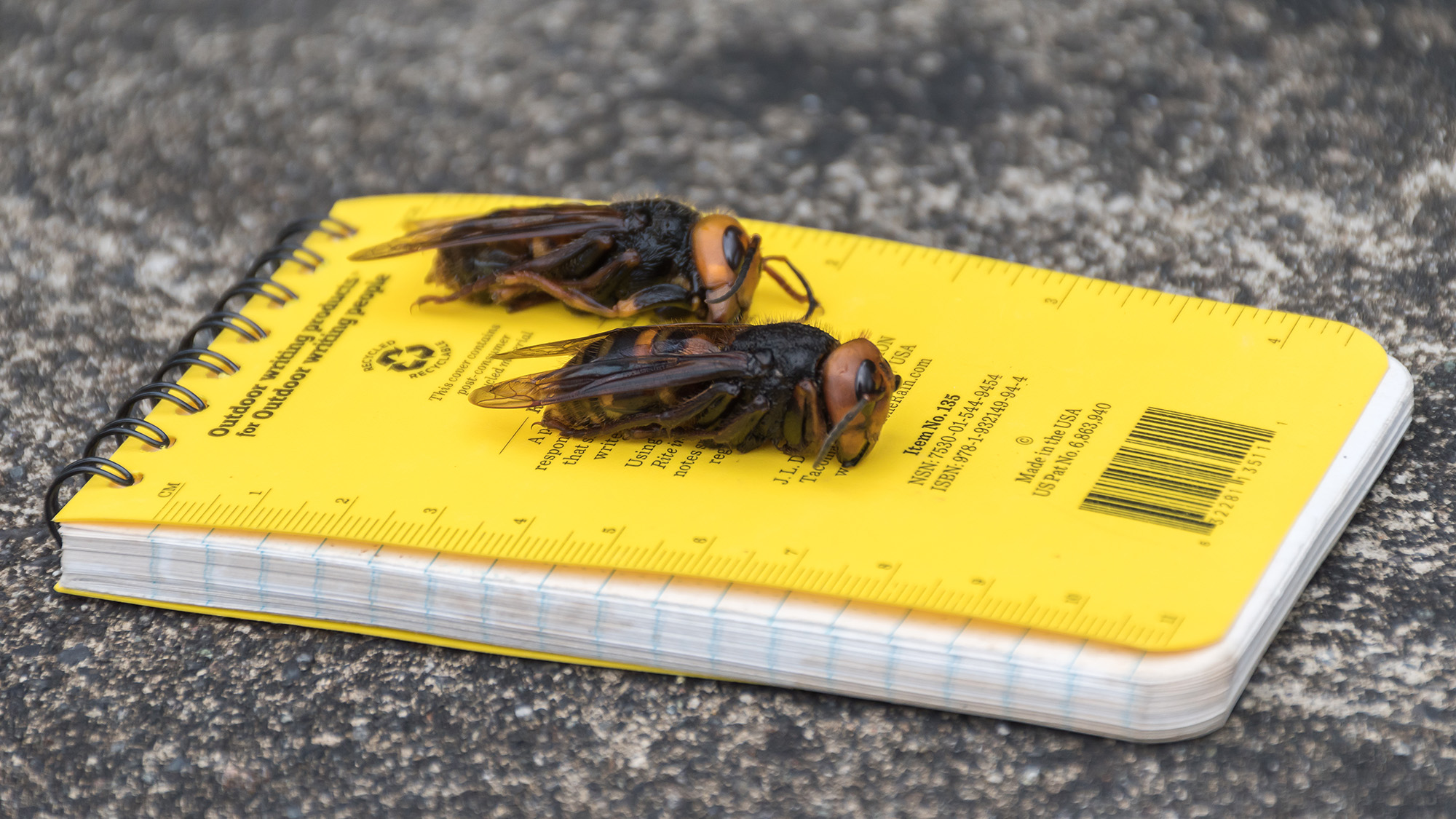
Dead Asian giant hornets rest on a field notebook. (Washington State Department of Agriculture)
Murray says that he would definitely be aware if he were in Blaine in semiforested conditions or where forest meets open fields.
Salp says Washington’s honeybees and the beekeepers and farmers who depend on them for honey and pollination have more serious reasons to be alarmed. The Asian giant hornets’ appetite for honeybees is enormous. The hornets take over beehives, chewing off the bees’ heads before feeding on their bodies. “They will defend that hive as their own, and if you try to approach or get them out of your hive yourself, you have a very high probability of being stung,” Salp says. The hornets can chew through more than 40 bees a minute and destroy a hive in 90 minutes.
With American honeybees already disappearing at an alarming rate, the invasive hornet further endangers the $20 billion sector of the U.S. farming industry that honeybees support. (A 2014 state report found bees in 2012 “added billions of dollars in harvest value to Washington’s economy, including nearly $3 billion from tree fruit and berries. The bees themselves added nearly $4 million from honey sales, but their chief value is as pollinators.”)
Murray says beekeepers are likely to be the first people to encounter the hornets this year if there’s an active population, but that might not be clear until late summer or early fall, when the hornets engage in their bee-killing sprees.
Ann Potter, a conservation biologist and insect specialist with the Washington Department of Fish and Wildlife, says she’s not aware of the hornets’ impacts on insect species other than honeybees, “but certainly there must be…. It’s unlikely to feed on only one species.” She notes that the European honeybees raised by beekeepers may be more vulnerable to hornets than also-declining native bees because they live in large colonies. (Japanese honeybees, on the other hand, protect themselves by cooking the Asian giant hornets alive.)
People allergic to wasp, bee, or hornet stings are vulnerable as well: Asian giant hornets carry more venom per sting than local bees and wasps. According to the Cleveland Clinic, about 2 million Americans are allergic to these types of stings, and approximately 50 people die every year from allergic reactions from them.
However, anyone who works or enjoys outdoor recreation should at least be aware and able to identify and report the giant hornets, Salp says — “not because Asian giant hornets are going to come after you, but [because] if you see them, we definitely want to know about it.”
“We don’t know how they’re going to interact with [our] environment,” Murray says. “We really don’t want this hornet to establish here in the Pacific Northwest because we really don’t know exactly how much it will impact our ecology and agriculture and, honestly, our daily life.”
Don’t panic — yet
Murray says he would be more concerned if people submitted sightings of the hornet over a much broader area than where they’ve been spotted, but he says there’s no reason to think it’s present elsewhere in the state yet. That means 2020 will be a critical year for trapping hornets and educating the public.
“The challenge is we don’t really know exactly how widespread it is for sure,” Salp says. Washington is home to vast amounts of the deep forest habitat the hornets prefer, and they are excellent fliers. Murray says some data show the hornets can forage up to 5 miles from their nesting site.
The only way to eradicate the bees, Salp says, is to track them back to their hives through live trapping, tagging and release because the colonies are almost always underground.
Murray says he’s “pretty optimistic” the hornet can be eradicated because the state was able to note its presence in December with the public’s help. “If we ignored this problem, each year that we get generation turnover, it would be likely significantly more difficult and very expensive to try and eradicate this,” he says.
Asian giant hornet traps can help people document specimens safely. The Department of Agriculture doesn’t want people to attempt to trap live hornets. (Washington State Department of Agriculture)
For people hoping to help the department take advantage of this critical window, Salp says the public should make sure to share and reference information only from reliable sources like Washington State University or the Department of Agriculture. They should submit possible sightings to the department via its web app with complete identifying information. Murray says if you see a live one, run and note your location for later. The Washington Invasive Species Counci’s Bush recommends sending photos, a GPS location and contact information in case someone with the state needs to follow up.
“With invasive species, especially ones that are relatively new [and high priority], a high percentage [of identifications] are going to be inaccurate,” Bush says. “And that’s OK, because the 1% or less than 1% [of IDs] that are accurate could help avoid millions if not billions of dollars of impact, that could potentially not be reversible.”
Murray says identifying an Asian giant hornet is easy. The Pacific Northwest is home to few large, flying insects. “The person that first detected it saw it come into a hummingbird feeder and it sure was obvious on its own. Some of our native beetles might get that large, but these look strikingly different.”
People in Whatcom, Skagit, San Juan, Jefferson and Clallam counties can also sign up for volunteer trapping, which Bush says is best done in June and July. The Department of Agriculture got state and federal funding for the trapping project, but there’s still limited capacity, Salp says. The pandemic is complicating tracking efforts as well. In-person trainings in Western Washington were canceled. There were also plans for specimen drop-offs at WSU, but now samples can be taken only by mail until stay-at-home restrictions are lifted.
“Between the beekeepers, the volunteers and our own staff, the project is moving forward — [but] this is all frankly kind of one big experiment,” Salp says. “The more folks that we have out there helping trap for them, the greater our chances of finding them and then eradicating them.” Useful resources:
Colorado cats may face a different future with new hunting opportunities proposed for the Western Slope.
State wildlife officials are seeing an increasing number of human-mountain lion conflicts, including areas of Eagle County and the Roaring Fork Valley. In an effort to manage healthy mountain lion populations, Colorado Parks and Wildlife (CPW) are proposing a new “West Slope Mountain Lion Management Plan” that would allow for the expansion of hunting seasons and zones, an increase in the number of lions harvested, and the use of electronic baiting in designated areas.
The Aspen Times says the new plan would allow for more mountain lions to be killed in the Glenwood Special Management Area, which covers most of the Roaring Fork River valley and portions of the Eagle River valley south of…
An investigation by the Daily Mirror has revealed that Border Agency staff seized more than 2,500 pounds of wild animal meat at UK airports in 2018 and 2019, leading to fears of future pandemics in the country.
Home Office data shows that this figure is on the rise, up from the 2,086 pounds of bushmeat smuggled into the country in 2016 and 2017, and more than double the amount confiscated in 2014 and 2015.
The illegal bushmeat trade is certainly detrimental to wildlife populations but can also put human health at risk, with experts cautioning that this horrific business could lead to the spread of zoonotic diseases, like the coronavirus, in the future.
“While this global pandemic started in Wuhan, it is just as possible for the next…
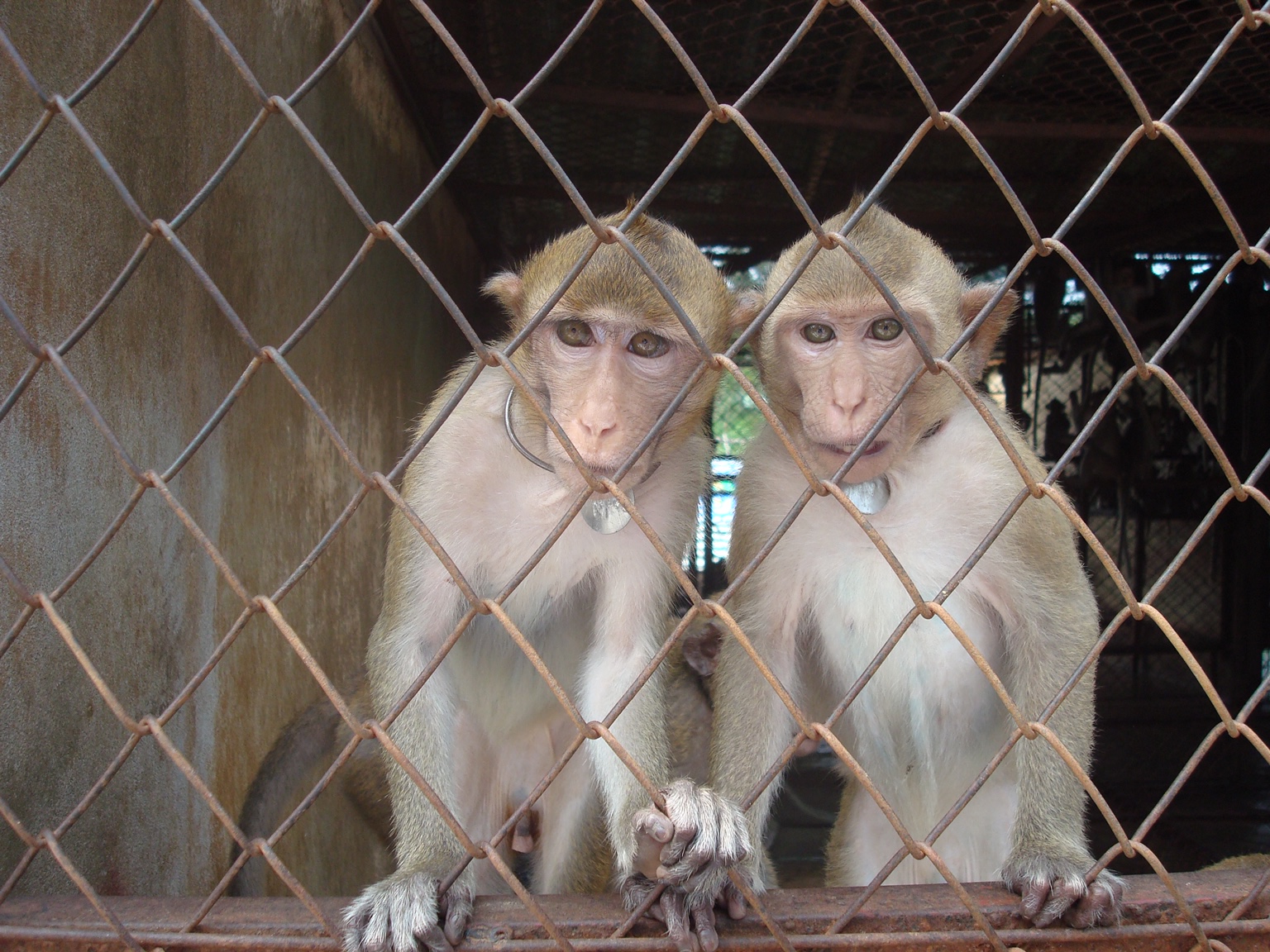
THEY BELONGTO THE FOREST Commonly known as “matsing” or “unggoy,” long-tailed macaques are a subspecies of the crab-eating macaques and are endemic to Philippine forests. —PHOTO FROM CRUELTY FREE INTERNATIONAL
MANILA, Philippines — Animal rights advocates have urged the Department of Environment and Natural Resources (DENR) to refuse any permits seeking to trap wild long-tailed macaques (Macaca fascicularis philippensis) in Romblon province for research and export purposes amid the reported population boom of these monkeys on the island.
The call came after reports that the DENR would consider applications for permits to capture the primates for breeding farms, which supply animals for laboratory experiments and testing.
ADVERTISEMENT
Trapping wild primates is cruel and taking them from their habitats and social groups can cause immense suffering in animals, said the Philippine Animal Welfare Society (PAWS) and Action for Primates.
“One of the reasons given by the DENR for considering an application for the capture of the wild monkeys is conflict arising between people and the monkeys,” the groups said in a joint statement on Monday.
“Conflict issues, however, are usually due to human activities, such as the destruction and fragmentation of the natural habitat, forcing primates to compete with people over land and resources,” they added.
Endemic, near-threatened
Commonly known as “matsing” or “unggoy,” long-tailed macaques are a subspecies of the crab-eating macaques and are endemic to Philippine forests.
They were classified as near-threatened in the most recent assessment by the International Union for Conservation of Nature in 2008.
In an interview, Henry Adornado, DENR director of Mimaropa region, confirmed the rising number of macaques in Romblon but said the agency had yet to estimate their total population.
Among the reasons for their increasing numbers are the absence of natural predators, such as the Philippine Eagle, and people leaving them alone in the wild.
Relocation, education
With their growing numbers, the monkeys pose a threat to banana and coconut plantation of communities, Adornado said.
But Nedim Buyukmihci, an animal rights activist and representative of Action for Primates, said there were human approaches to population control to resolve conflicts without resorting to the capture and removal of wild macaques from their natural habitats.
ADVERTISEMENT
These include reproduction control, relocation and educating communities so that monkeys would not be encouraged to rely on humans for food.
Protected area proposed
“At a time when there is increasing awareness of the devastating consequences that human activity is having on the natural world, including nonhuman primates, it is imperative that we learn to coexist with other species rather than just eliminate them when conflicts arise,” said Buyukmihci.
Instead of seeing these animals as nuisance, a protected area for macaques should be established in Romblon, said PAWS executive director Anna Cabrera.
“We can set things right by taking immediate steps to establish a protected area for macaques and to develop eco-friendly systems within human communities to allow them to live in harmony with wildlife,” she said.
Ricardo Calderon, director of the Biodiversity Management Bureau, said his office had yet to receive any applications for the capture and breeding of macaques in Romblon.
“Any application for permit will have to undergo site assessment and evaluation as part of the due diligence being required under existing rules and regulation,” Calderon told the Inquirer.
Breeding
Breeding of wildlife for commercial purposes is allowed under the Wildlife Resources Conservation and Protection Act through the issuance of a wildlife farm-culture permit. Only offspring of those bred in captivity may be traded and exported.
Earlier reports cited the Philippines as among the world’s major exporters of laboratory monkeys. In 2015, however, macaque exports were suspended after an Ebola Reston virus killed 11 monkeys. This particular strain was nonfatal to humans.
In the late 1990s, these exports were similarly halted after a monkey shipped from a primate farm in Laguna province died in Texas, also of the Ebola virus. At least 49 other primates had to be put to death due to the virus. INQ

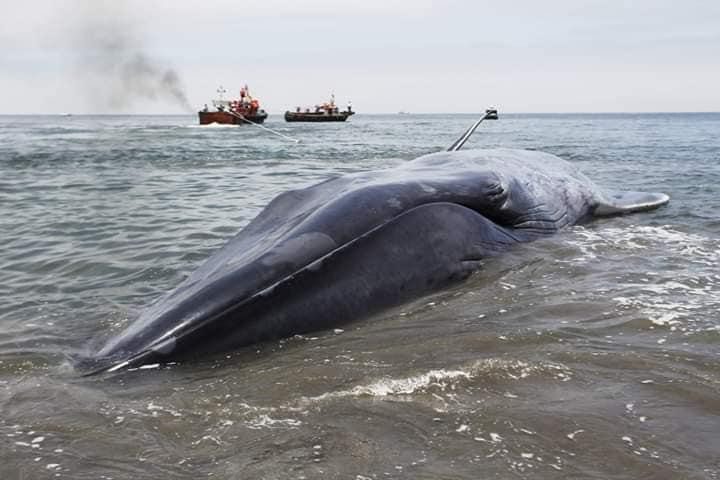
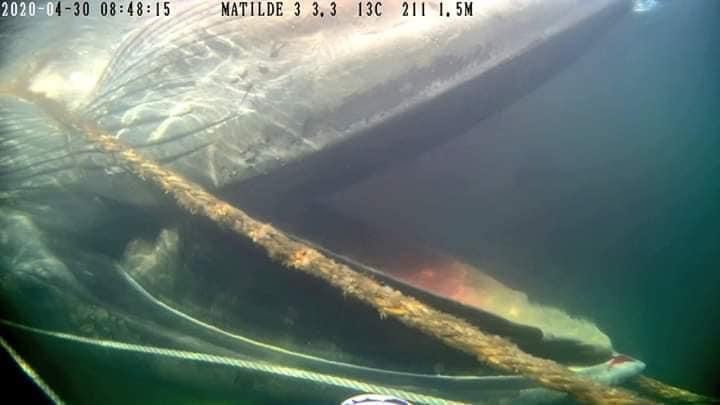
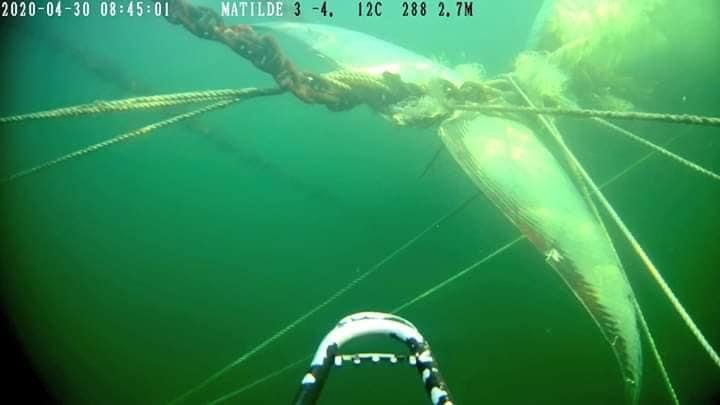


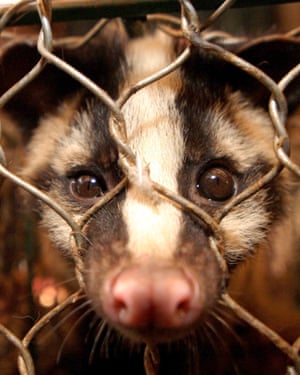
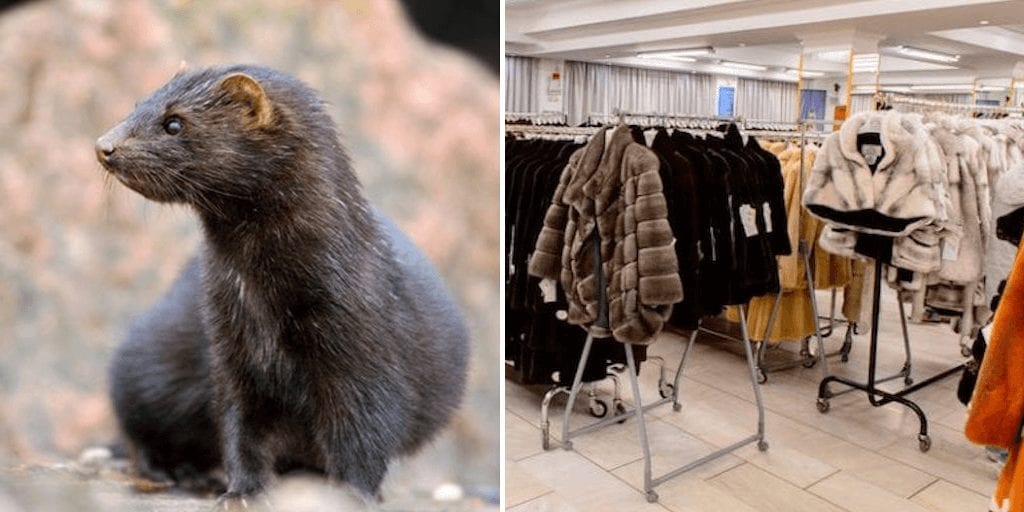 Image: Gallinago_media and Anton_Ivanov / shutterstock.com





 Exposing the Big Game