

- Jonathan Richie, Sentinel Editor
- 22 hrs ago
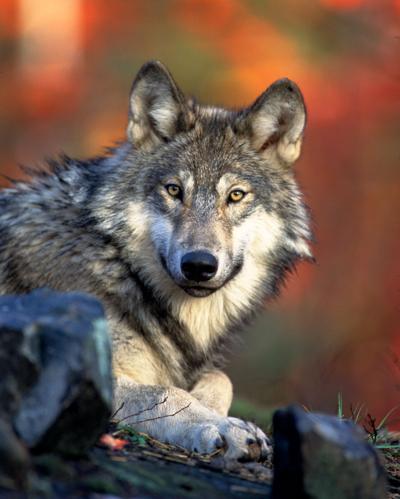
In January 2021 the gray wolf will no longer be protected by the federal Endangered Species Act. The U.S. Fish and Wildlife Service recently made the announcement about the wolves how had been on the list for over 45 years.

“The gray wolf has exceeded all conservation goals for recovery,” said David Bernhardt, Secretary of the Interior. “Today’s announcement simply reflects the determination that this species is neither a threatened nor endangered species based on the specific factors Congress has laid out in the law.”
According the U.S. Fish and…
View original post 231 more words
 Exposing the Big Game
Another thing people and news outlets refuse to understand is that once the poor animal is delisted, killing will start. Look at Wyoming and Idaho and to a lesser extent, I’m not sure, Montana.
The population is at a bare minimum now, and the states that have delisted are on a continual creep to complete removal. I think the lowest point was 1000 individuals left; today there are approximately 6,000. There must be enough to insure the genetic health of the animal, and enough habitat for connectivity. If Wyoming has ‘shoot on sight’ throughout the state as their scientific management plan, how does that help the species. The states must guarantee no hunting, because wolves manage their own numbers quite well.
It does not appear that the delisting states have any concern at all about the health of the species; only the health of the ranching industry.