

December 24, 2020
The promise of negative emissions is baked into most “net zero” pledges. But putting that into practice is easier said than done.
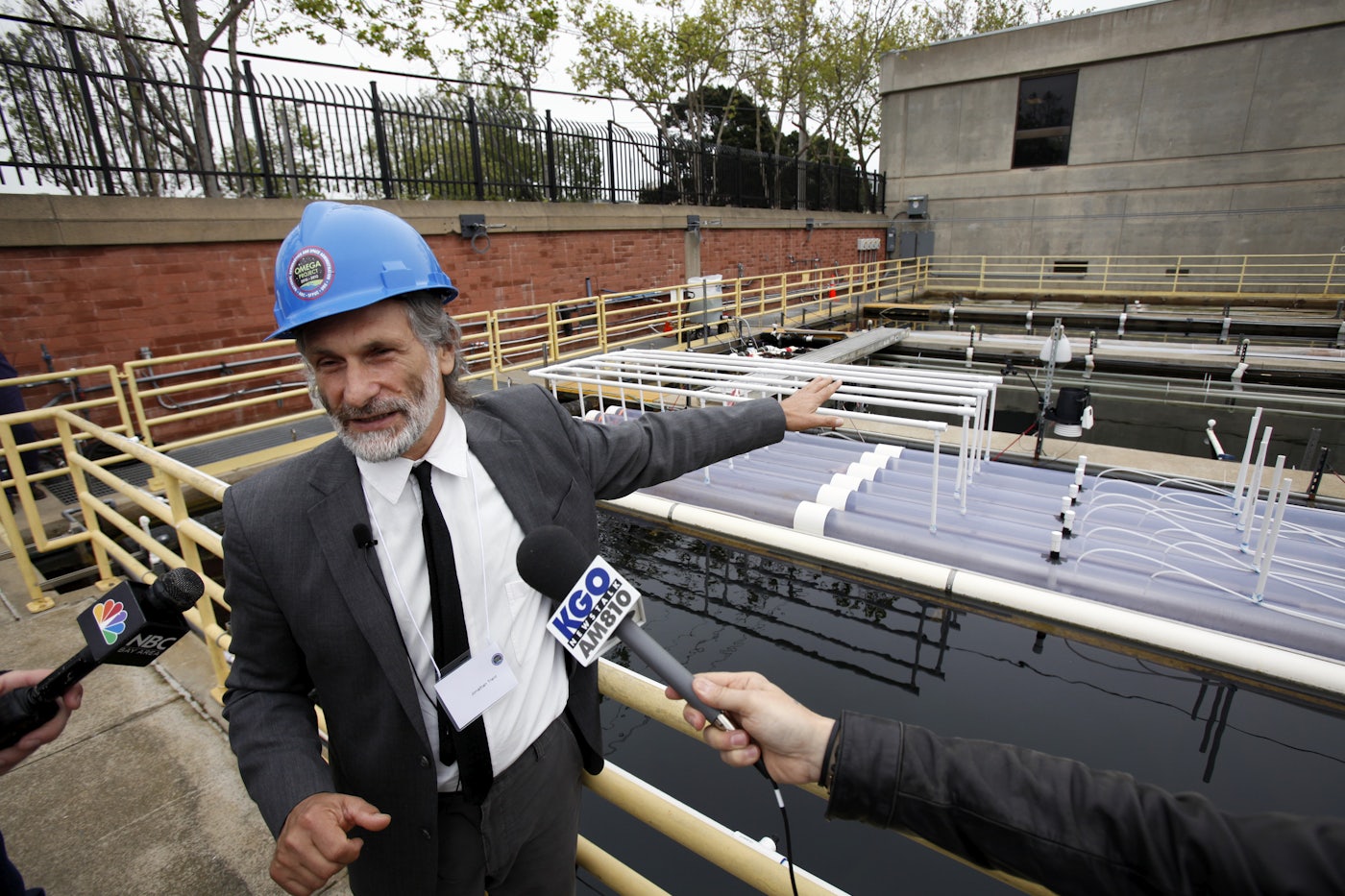 SARAH RICE/GETTY IMAGESAlgae at the wastewater biofuel system at the San Francisco Public Utilities Commission’s Southeast Water Pollution Control Plant (shown here in 2012) capture carbon dioxide and produce biofuel.
https://newrepublic.com/article/160754/carbon-capture-not-climate-savior
In December, the Vatican became one of the latest entities to unveil a plan to reach net-zero emissions by 2050, joining far less pious actors like BP, Shell, and President-elect Joe Biden. Net-zero plans have become all the rage as public concern about the climate crisis has grown. But approving coverage of these wide-ranging announcements rarely question what the “net” of net-zero actually means.
Meeting climate targets means releasing fewer fumes into the sky, for starters. And those plans include that. But they also include something else. The way they get to “zero” isn’t by…
View original post 2,283 more words
 Exposing the Big Game
“ In a country where rural, mostly white landowners can still stymie vital wind farm and transmission line projects, ”
Disagree. Wind companies are running rampant in my area. Virtually nothing stops them. They simply wait until a municipality is worn down. Compelling people to live under their shadows is a new social injustice. To watch swaths of forests razed to accommodate 600’ tall industrial turbines is eco injustice. They’ve now been given a free pass and are no longer accountable for incidental take of avian life forms.
Wind technology needs to be vastly improved. Too many needed for too little return and, make no mistake – they are invasive! Instead of tax credits and huge subsidies for big developers, let the govt sink money into new, efficient designs that don’t kill birds and bats, or compromise the physical and mental health of neighbors. Create models that EVERYONE will welcome. I’ve seen it all firsthand.