I Stopped Saying “Meat” and Here’s Why

18 February 2021

https://upc-online.org/alerts/210218_i_stopped_saying_meat_and_here_is_why.html

By Karen Davis, PhD, President of United Poultry Concerns

“As bad as it is to use euphemisms, it seems even worse when a word like ‘meat’ isn’t even thought of as a euphemism by people.” – Mike Spurlino

“The word meat is likely the most overused euphemism of them all.” – Craig ClineDrawing of woman with knife approaching a chicken, by Leslie Goldberg
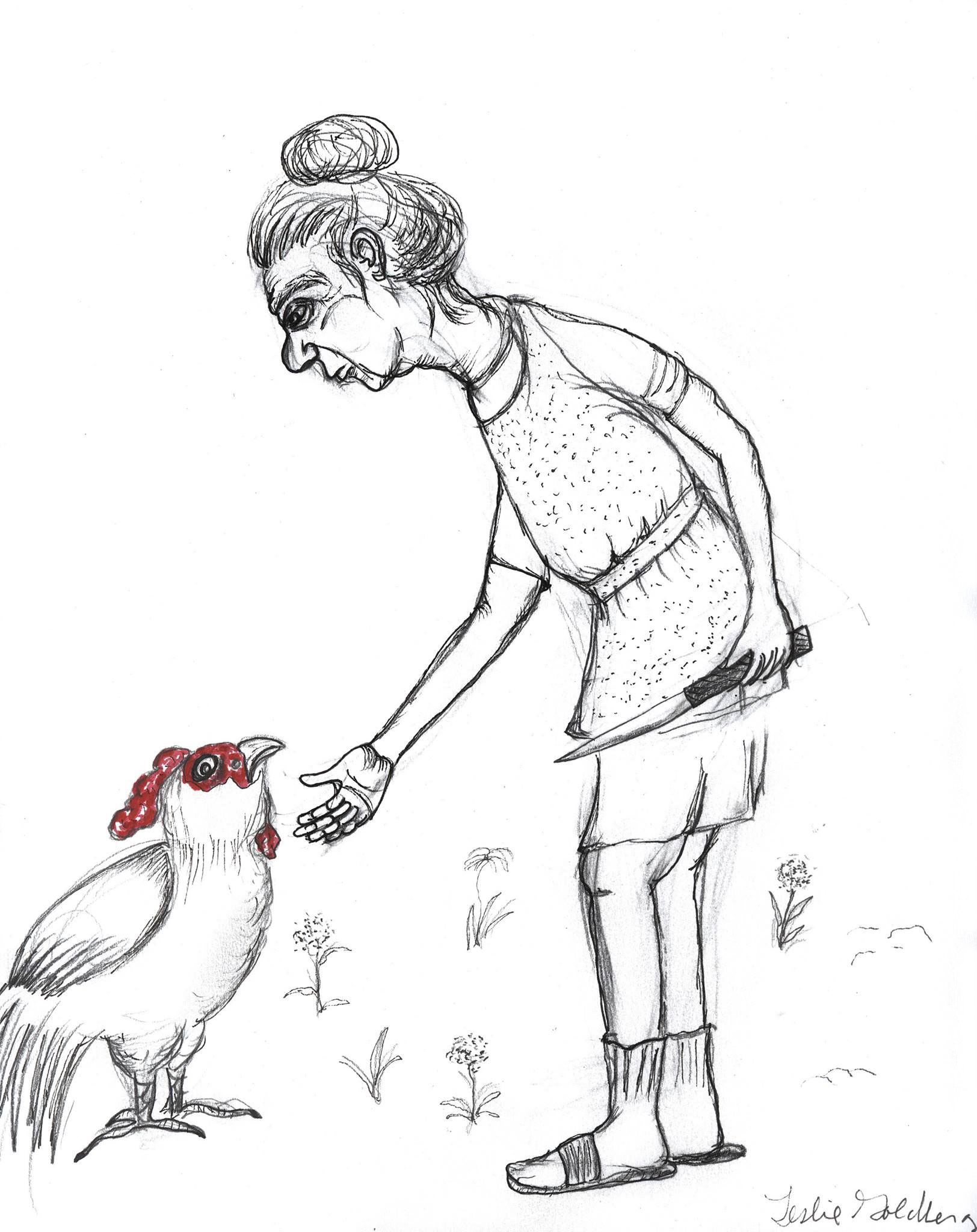
Drawing by Leslie Goldberg. “With friends like these . . .”

When asked in the past if I ate meat, I used to say “No.” When pressed whether this included chicken and fish, I said “Yes.” Now when the question comes up, I say, “I don’t eat animals.”

In 1974 I stopped eating animals after reading Leo Tolstoy’s essay describing his visit to a Moscow slaughterhouse. Before that, I was, I regret, an avid meateater. I did not make the connection, before Tolstoy’s essay, between “meat” and animals. That essay, “The First Step,” changed everything. I instantly became one of those people who, in the words of former chicken slaughterhouse worker Virgil Butler and his partner Laura Alexander, “could no longer look at a piece of meat anymore without seeing the sad face of the suffering animal who had lived in it when the animal was still alive.”

Picturing the face of an animal in a piece of meat after Tolstoy’s revelation, I felt sick of meat, and now I am sick of the word “meat.” Why?

“Meat” versus “Flesh”

Philosopher John Sanbonmatsu writes in “Why ‘Fake’ Meat Isn’t“: “Only in recent decades have we come to associate the word ‘meat’ exclusively with the flesh of animals. The word derives from the Old English mete, for food, nourishment or sustenance.”

But do we in fact associate the word “meat” with the flesh of animals in modern industrial society? I think we do not. The word “meat” in contemporary experience is separate from the animals the “meat” comes from, whatever its association with animals and their flesh at a time when raising and slaughtering animals was an integral part of everyday life on farms and in cities and towns.

Unlike “meat,” the word “flesh” conjures more readily the fact of a once living creature. While the meat from an animal is indeed dead flesh, it evokes less an animal’s body and more just food, whatever the food’s origin. “Flesh” is more complex and inclusive by comparison. By standard definition, it is “the soft substance consisting of muscle and fat that is found between the skin and bones of an animal or a human.”

Consider further that in the Bible, “flesh” is not just a synonym for meat; rather, it encompasses living creatures, seemingly of all species, as in Isaiah 40.5: “And the glory of the Lord shall be revealed, and all flesh shall see it together.”

Forgetting “Meat” is Dead

So detached from the animals from whom “meat” is obtained are most people in modern society that I believe few even think about meat as something that is dead. What starts as the conscious employment of euphemism by exploiters and market manipulators morphs through conventional usage into a nearly or completely unconscious linguistic and perceptual event, similar to how the animals are transubstantiated literally into edible products called “meat,” divorced from living creatures and the violence that meat represents.

An article in the February 1, 2020 issue of TIME magazine, “How China Could Change the World by Taking Meat Off the Menu,” says that “Until recently, the primary motivation for people to shun meat was concern for animal welfare. Not anymore.” This article provides an encouraging look at the growing appeal of plant-based foods in industrialized countries. But, I wonder, when were the majority of people motivated to shun meat out of concern for animal welfare? Animal rights activist Cynthia Cruser wrote to me that the article “mentioned animal welfare only once, and referred to it as some irrelevant passé subject which has been replaced by really important matters.”

Animal Welfare, Animals’ Rights, Animal-Free

Indeed, the term “animal welfare” is itself a euphemism, akin to a dead metaphor, “which has lost the original imagery of its meaning by extensive, repetitive, and popular usage.” But the euphemism “animal welfare” is not only dead: it’s a lie that reduces the animals and their human-caused misery to an abstraction that amounts to nothing more at best than abusing animals less abusively, less traumatically, less horribly.

Those who speak approvingly of “animal welfare” compound the problem by defining it illogically as treating the animals “more humanely.” But you cannot treat animals who by definition are being treated inhumanely, “more humanely.” Animal welfare is an institutionalized term referring to animal use that, as such, precludes the animals so used from truly faring well.

Even the term “animal rights” can obstruct the animals from view. For this reason, Veda Stram, managing editor of the All-Creatures.Org newsletter and website, has proposed a shift from speaking of “animal rights” to saying “animals’ rights” in order to keep the animals in sight.

Of course, we can’t always avoid the term “meat” in our advocacy, but we could say flesh a little more often than we do, and we could put the animals into discussions of food more frequently. That said, it’s wonderful seeing the words “vegan” and “plant-based” appearing more and more often on food, household, and personal care products. Time was when these terms never appeared in a supermarket.

In addition to “vegan,” “plant-based,” and “plant-powered,” I like to call vegan products animal-free. This puts the animals into focus and links them to the concept of liberation – their liberation and ours. “Free” conveys a welcome release from all sorts of captivity: Animal-free, egg-free, dairy-free, meat-free sound inviting, compared with “eggless,” “meatless,” and the like, which evoke blandness and deprivation.

Knowing Where Your Food Comes From

Thinking about putting the faces of animals back into the “meat” as an escape from euphemism and the dissociation of meat from animals, I’m aware that this project is also that of people who, in the opposite direction, enjoy slaughtering their own animals. Such people describe their pleasure in turning a living creature into something dead. They refuse “not knowing where your food comes from” and tout their liberation from such ignorance.

Similarly, the belief that “if slaughterhouses had glass walls, we’d all be vegetarian” is contradicted by people who prefer to select their own animals to be killed in front of them or behind a blood-spattered curtain in a live or “wet” animal market. They are not deterred by the sight or smell of suffering or the cries of the animals being slaughtered. Asked about it, they state a preference for this experience over buying meat in a supermarket.

One Day, All Flesh May Be Free

There is no shortcut to getting the majority of people to care enough about the animals who suffer and die for food to stop eating them on that account alone, whether the animals are visible or invisible. It’s exasperating, but we cannot succumb to frustration. Rather than give up, we must realize that the journey toward animal liberation has only just begun, and that we must stay the course in pursuit of the day when all flesh will, with our persistence, we hope, see this glorious day together. – Karen Davis

KAREN DAVIS, PhD is the President and Founder of United Poultry Concerns, a nonprofit organization that promotes the compassionate and respectful treatment of domestic fowl including a sanctuary for chickens in Virginia. Inducted into the National Animal Rights Hall of Fame for Outstanding Contributions to Animal Liberation, Karen is the author of numerous books, essays, articles and campaigns. Her latest book is For the Birds: From Exploitation to Liberation: Essays on Chickens, Turkeys, and Other Domesticated Fowl (Lantern Books, 2019).

FOR THE BIRDS: FROM EXPLOITATION TO LIBERATION
by Karen Davis, PhD

Animals at primate sanctuary freeze amid Texas power outage

https://abcnews.go.com/US/wireStory/animals-primate-sanctuary-freeze-amid-texas-power-outage-75934971

A chimpanzee, several monkeys, some lemurs and an uncounted number of birds have died after a nonprofit San Antonio-area wildlife sanctuary lost power amid record-low temperaturesByThe Associated PressFebruary 16, 2021, 4:36 PM• 2 min read

SAN ANTONIO — A chimpanzee, several monkeys, some lemurs and an uncounted number of birds died when a nonprofit San Antonio-area wildlife sanctuary lost power early Monday, yet another casualty of unforgiving winter weather that has seized much of Texas.

Brooke Chavez, executive director of Primarily Primates, told the San Antonio Express-News that the power went out about 6 a.m. Monday at the 70-acre sanctuary that housed more than 400 primates.Advertisement

Chavez said her 12 staff members and volunteers mobilized generators, space heaters, propane tanks and blankets in an effort to save the residents. As temperatures reached single-digit levels, the staff broke out carriers to evacuate animals to the San Antonio Zoo and another sanctuary in North Texas, but Chavez said she and her staff began to find dead animals throughout the sanctuary.

“I never, ever thought my office would turn into a morgue, but it has,” she said. “Someone asked me how many animals have died. I don’t know yet. I know we lost lots of monkeys, lemurs and tropical birds… We won’t truly know how many animals have died until the temperatures rise and the snow starts to melt.”

Now, with the big freeze expected to continue for a few more days and the electric grid for most of Texas ordering more rolling blackouts, Chavez and her staff asked for the public’s help to protect the sanctuary’s animals, most of which are elderly. Many animals remain at the sanctuary, including 33 chimpanzees that were too difficult to transport.

Coyote Killing Contests Serve No Purpose

Exposing the Big Game's avatarCommittee to Abolish Sport Hunting Blog

by Barry Kent MacKay in CanadaCoexisting with Wildlife on February 15, 2021

https://www.bornfreeusa.org/2021/02/15/coyote-killing-contests-serve-no-purpose/

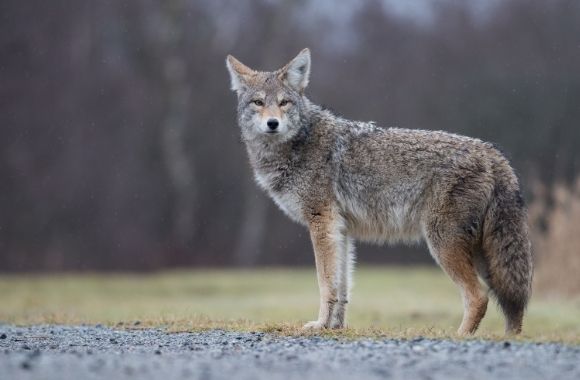
The original idea promoted by Chesher’s Outdoor Store, in Bellville, Ontario, was to hand out cash and prizes to the hunters who killed the biggest coyotes, the smallest, and the highest number, as well as a prize for each dead coyote. But, under Section 11 of the provincial Fish and Wildlife Conservation Act – unless specifically authorized by the Minister of Natural Resources and Forestry – it is illegal for a person to (a) hunt for hire, gain, or expectation of gain; (b) hire, employ, or induce another person to hunt for gain; (c) trap for hire, gain, or the expectation of gain; (d) hire, employ, or induce another person to trap for gain; or (e) pay or accept a bounty.

Despite the clarity of the law prohibiting this type of contest, the government allowed…

View original post 354 more words

Natural Resources Board approves a kill goal of 200 wolves for February hunting and trapping season

Exposing the Big Game's avatarCommittee to Abolish Sport Hunting Blog

https://www.jsonline.com/story/sports/outdoors/2021/02/15/wisconsin-wolf-hunting-and-trapping-season-planned-feb-22-28/6750136002/?fbclid=IwAR0kqeMe3Itg6WdGmzvr0ElVMKjwTd_OtPvdgx5be5NzB-zbAYgJKYjlyA8

Paul A. SmithMilwaukee Journal SentinelView CommentsAD-1:0-1https://imasdk.googleapis.com/js/core/bridge3.442.0_en.html#goog_1384831690

The Natural Resources Board on Mondayunanimously approved a statewide harvest quota of 200 gray wolves in a hunting and trapping season planned for Feb. 22-28 in Wisconsin.

The kill goal wouldbe spread across the state’ssix wolf management zones, excluding American Indian reservations.

The actual quota available to state-licensed hunters may be less than 200 depending on tribal declarations. As of Monday,Ojibwe tribes, which are entitled to 50% of fish and wildlife resources in territory ceded to the U.S. in treaties, had not issued a statement on the matter.

Permitapplications ($10) will be available beginning at 12:01 a.m. Tuesdaythrough midnight Saturday. Winners can purchase a $49 license beginning Feb. 22.

The flurry of activity comes after a Jefferson County judge ruled last Thursdaythat the Department of Natural Resources must hold a wolf hunting and trapping season this month.

State lawcalls on…

View original post 393 more words

Eating Fish Is Killing Off 90% of This Ocean’s Dolphin Population

Eating Fish Is Killing Off 90% of Global Dolphin Populations

Global dolphin populations are on the decline and eating fish may be the reason why as the mammals are frequenty bycatch of the fishing industry.BY CHARLOTTE POINTING

Fewer dolphins are turning up in fishing bycatch. Initially, this might seem like a reason to celebrate. But what this actually indicates, according to a new study, is that the population has declined and there are fewer dolphins left in the oceans to be caught.

What Is Bycatch?

Bycatch is one of the leading causes of death for dolphins and other cetaceans around the world. It happens when the animals accidentally swim into nets intended for fish, usually tuna.

Between 1950 and 2018, the fishing industry unintentionally caught around 4.1 million dolphins, says Dr. Putu Liza Mustika, who worked on the study. The research team—led by Dr. Charles Anderson of the Maldivian Manta Marine organization—looked at bycatch rates in the Indian ocean to draw its conclusions.

They estimate that the dolphin population in the Indian Ocean stands at 13 percent of what it was in the 1980s. Mustika notes that the figures in the study are “ball-park figures,” and therefore have a lot of uncertainties. But what they do confirm is the magnitude of the problem.

“Millions of dolphins [were] accidentally caught between 1950 and 2018,” she told LIVEKINDLY. “Millions. Not just a few hundreds of dolphins.”

Experts predict Iran has the biggest bycatch rate. Indonesia, India, Sri Lanka, Pakistan, Oman, Yemen, UAE, and Tanzania follow.

“The study includes a number of dolphins (and whale species), including indo-Pacific bottlenose dolphins, humpback, Risso’s, and common dolphins,” adds Dr. Sarah Dolman from Whale and Dolphin Conservation (WDC).

She told LIVEKINDLY, “the scale of bycatch is almost certainly impacting regional and local dolphin populations. The study states that although tuna catches are increasing, dolphin bycatch stagnated in the 1990s. [It] has since declined, and is therefore unsustainable and impacting populations.”dolphin population dropping

Dolphins often end up as bycatch.

The Problem With Gillnets

According to Mustika, gillnets—a wall of netting that hangs in the ocean—are particularly lethal for dolphins. They can vary in length, ranging from 100 meters to more than 30 kilometers.

“Gillnets used to be made of cotton or hemp,” Mustika says. “But in the late 50s, they changed it to stronger materials (monofilaments). And also smaller mesh size to catch more fish (to meet human demand).”

It’s not just dolphins that end up as bycatch. The World Wildlife Fund (WWF) says, “entanglement in fishing gear is the leading threat for whales and dolphins around the globe. [It’s] estimated to cause at least 300,000 deaths per year.

“Bycatch has led to the almost certain demise of the world’s smallest porpoise, the vaquita in the Gulf of California,” it adds. “Several more species are likely to follow if governments and fishers aren’t able to effective means to halt this unwanted and unnecessary cause of morality for cetaceans worldwide.”

According to Dolman, fishers caught 75 percent of odontocete species (toothed cetaceans)  in gillnets in the past 20-plus years. Sixty-four percent of mysticetes species (baleen whales) have ended up as bycatch in the same time period, as well as 66 percent of pinnipeds (that’s animals like seals, sea lions, and walruses).

Sharks can also be victims of the fishing industry. Angie Coulter—a researcher with the Sea Around Us initiative at the University of British Columbia—spoke to National Public Radio (NPR) about the dangers of sharks getting caught up in bycatch.

“Sharks are apex predators,” she explained. “They hold all of these food chains together. If we’re removing these sharks [from the ecosystem], they really can’t catch up and will decline more and more.”dolphin population falling

Fishers accidentally catch around 80,000 dolphins every year.

How Do We Save Dolphins From Bycatch?

Per 1,000 tonnes of tuna, the study estimates that 175 dolphins accidentally get caught in nets. At current levels, this means fishers accidentally catch about 80,000 dolphins every year.

“Bycatch is one of the main threats, if not the main threat to world-wide dolphin populations,” says Mustika. “If we can make fishing more sustainable, then we help dolphin populations.” She recommends that fishers use different gear, like a traditional pole and line.

Dolman notes that authorities have taken some action to mitigate the situation, including fishing bans and gear modifications, but more needs to be done.

“The countries who are fishing in the region and the Indian Ocean Tuna Commission is the Regional Fisheries Management Organisation that has responsibility for this issue, need to act,” she says. “There is much that can be done to better monitor, mitigate report, and enforce dolphin bycatch.”

She adds that the Food and Agriculture Organization of the United Nations (FAO) is currently producing best practice guidelines to prevent and reduce marine mammal bycatch. She notes: “this would be a good place to start.”

What About Tuna?

Dolphins, whales, and other cetaceans need urgent protection. But tuna themselves are at risk too. In 2018, fishers pulled nearly six million metric tonnes of tuna from the ocean.

Just like dolphins, some species of tuna are in decline. The World Wildlife Fund (WWF) says bluefin tuna is critically endangered.

“As the methods of catching tuna have advanced over the years, the conservation and management of tuna has not evolved as quickly,” says the WWF.

According to the FAO, most tuna stocks are “fully exploited” with “no room for fishery expansion.”

Shana Miller—the director of the Global Tuna Conservation Project—told NPR, “everywhere tuna swim, they’re being pursued by industrial fisheries.

Consider opting for vegan tuna, like Tuno.

Vegan Fish

One way to save the dolphins and the tuna? Avoid fish altogether and choose vegan fish instead. Brands like Atlantic Natural Foods’ Tuno and Good Catch offer plant-based alternatives to tuna.

“Overfishing is a global problem that is getting worse by the day,” Tuno founder Doug Hines told Forbes. “The number of illegal vessels and underreporting is rampant on the high seas. And governments tend to turn the other way.

Good Catch’s tuna features a six legume blend, but it still has that fishy taste, thanks to the addition of seaweed and algae extract.

CEO of the brand Chris Kerr told LIVEKINDLY, “our mission is to create delicious plant-based seafood options, giving people everything they like about seafood, but without the concerns about mercury and other pollutants, ocean harm or overfishing.

Bill Gates: How the world can avoid a climate disaster

Exposing the Big Game's avatarThe Extinction Chronicles

“Without innovation, we will not solve climate change. We won’t even come close,” Gates says. Anderson Cooper reports for 60 Minutes.

  • 2021Feb 15

https://www.cbsnews.com/news/bill-gates-climate-change-disaster-60-minutes-2021-02-14/

  • CORRESPONDENTAnderson Cooper
  • FACEBOOK
  • TWITTER
  • REDDIT
  • FLIPBOARD

https://www.cbsnews.com/embed/video/?v=cd16948338056448c73f6c96829e5bca#vVZZb9tGEP4rBB8LU1wey0NvVlMkaRPDiZNeZiDsRWnr5QEuKcsI%2FN87Q1GHXac50MY24OXu3Mc389FlQ9%2B0ht25874b1Jm70VI17vyjq3tVWXd%2B%2FdHt71rlzt1NI90zV0s4ZrGkNEmUJ3OeeXHIIy%2BjKfME5ZSGSZrnMgTaqt2%2BVeVL5Pjtz3IRVGTxYhmyXi1f%2Ffz64vdft2%2FeJCX%2F43n%2BmgO1NcMKKLk2xlsBkfWE0RUcPLFm9Up5CfEqXQ%2F4EpIw8EjoBTEw9ro3aOACOJ3nyDl33q2Vg0ROQpzXOyZH173qNlrdAo9UN8ABh3Iw5lsECFY3tRbMvPsG5l5Xyvasat15kARRFGc0JPADdg0d63VTu%2FOMpMfPV4wrA0qCaB6mIMDsvmswHlJSsZWymDOLoV73fWvnhV%2F4gtta3dpgBgcN%2BnotZqKpCn898MLXhd8VPppZ%2BCQs%2FCAufMrLlKZUeklaQmJFyr0sSYWneERZzKjMKCn8fj1UvGbaFH4Sk22UEJRQSpKmPCd5JHmahKQUZa5YSGWa8QxkY2LHvI4l5iVxEqSZNwmY%2FdWuwK%2F1kw5E%2F6MDQZiRbRrCZZnxBIo6IDENRJwzKco0CJI0ZZGQmUq%2BxIP7M7ftFGb5fWceuGJbo4WascqsZropfNaC%2BRuwepRV%2BJ9rkMKfBBe%2Be%2BjSE%2Flt18gZtOj4MpsCtwvW9AGqIFxrYx%2FHLMgSkickCqMsijCl4Fa8HAkrZqFqZ1U0ZHut4XdXWzYdwACoZS0GcWyIwt96VatW79%2B%2BAorhUbBvb28f2jIF%2BSuxZQy1ti%2BrtkF73HnJjAWMBMTUYsRILNe0jEMKle9FNFReECgAQ6Eyj8SpTHlAeR6qI7ydKELzKnajOouVr1XHOrEGIL4GImcigpfjh3PC8QEqjXWq7t%2BhMResUqPwPdycSlzc7Z6vH75fnAiDulWtto0EsjAEYxWzCEI0wvOqAj3wAOehhTK09hAKZsy5EHCzMI24OVxr%2B96q7mrgVnSaK3l4sG1T26bbQ9dabc%2BfqZINBvNLzuDXHW8Xx9soP4vpGc0RNzsmbnS9wthDXq1oOjWeoSgjQijJEkDmGJh%2BXFxdTNlHsE7g6gdUCR%2B1Xdp%2BucJ4YTx3N6xdMvDXvSj8c%2Ff%2BHvG9xTqzT%2BFR%2BEk82nN9vp9nTPLltkKDqmF72TWt6vq7XxTk3w3jVElGkyhIZUDjPM6DMIpYlLj3kPZK9WwEe4hGr1Z3eIa7dSN3LaJqOXowFuex3J4qQQzpbrjjCmDApZNx%2BqBYAK7g6tBI2zX0dKcMGCChdQ8CAYChlUPocPhDNDzNmLY%2F1YwbrIbdrsE6CKBR5wMY3%2BGacO0CSKdxyhMv4lk0NZOk5cNm%2BvCIdV%2FerJZQzU3tiAbDeUI37iARl3kZx7HHs7T04owkXh4T4UlCo6RMlFKUugeWy4E%2FA%2FcwHXtAoA4hc0JhZh%2FJ9uMfocVZ7cb%2Furl1elgBbpvOSAc2BYdtGi0d5kyo40htR4hzPOdBr%2B%2BF7pIiGtgZ6n453Y5rywamyPQslb0BKBox6pnaoKUuosJqT4C1usQ9DnMP%2F19oBLEvhRfkuFJit418EreQalIHwIDdrTfgucKNbsTJl1%2BBkf1DLHvCLlh9dKUBFuJDsK6aoRNjuPiOFIh4B7VwCeWJs2O0YGrdJdq7PEYOPyeFEwWaoZjRQ4U1C%2FOt1ObkGRmARNUYb5x%2B7v3JMvh46v9jEO0m4qfn0L4w%2FmUgVUpqdtmAIZCZKfRGMTnl%2FnuYgHqmqP0n8kZU%2Bazh3zzE7%2B%2F%2FBg%3D%3D

Bill Gates helped usher in the digital revolution at Microsoft, and has spent the decades since exploring – and investing in – innovative solutions to some of the world’s toughest problems – global poverty, disease, and the coronavirus pandemic, which he’s spent nearly $2 billion on.

Now he is focusing on climate change, agreeing with the overwhelming majority of scientists who warn of a looming climate disaster. The good news is Gates believes it’s possible to prevent a catastrophic rise in temperatures. The bad news? He says in the next 30 years we need scientific breakthroughs, technological innovations and global cooperation on a scale the world has never…

View original post 2,149 more words

Dinosaur-Killing Impact Came From Edge Of Solar System, New Theory Suggests

Exposing the Big Game's avatarThe Extinction Chronicles

  • Facebook
  • Twitter
  • Flipboard
  • Email

February 16, 20211:55 AM ET

https://www.npr.org/2021/02/16/968228310/new-theory-suggests-dinosaur-killing-impact-came-from-edge-of-solar-system

MATTHEW S. SCHWARTZTwitter

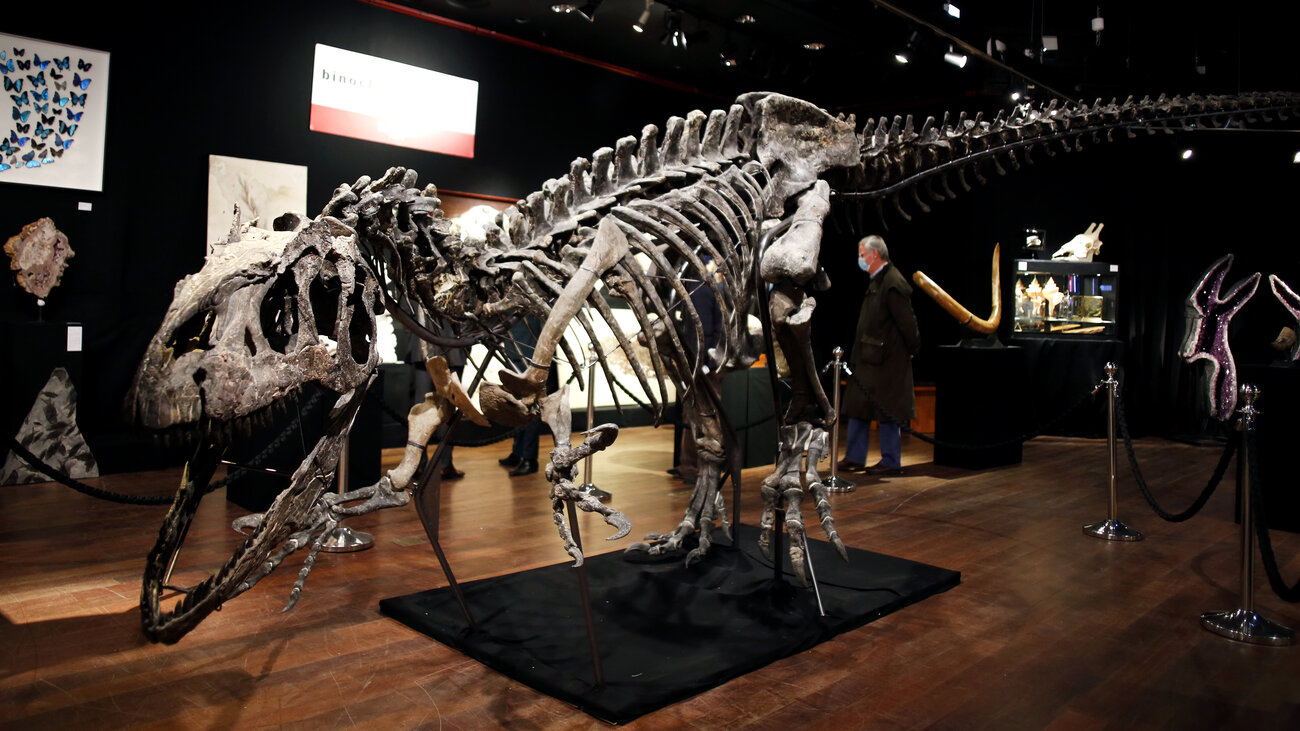
A skeleton of anAllosauruson display at Drouot auction house in Paris in October. A new theory says the dinosaurs were killed by a comet fragment that originally came from the edge of the solar system.Thibault Camus/AP

For decades, the prevailing theory about the extinction of the dinosaurs was that an asteroid from the belt between Mars and Jupiter slammed into the planet, causing cataclysmic devastation that wiped out most life on the planet.

But newresearchout of Harvard University theorizes that the Armageddon-causing object came from much farther out than originally believed.

According to this new theory, the devastation came not from a relatively nearby asteroid, but from a sort of long-distance comet that came from the edge of the solar system in an area known as the Oort cloud.

The gravity…

View original post 268 more words

Montana Trapping War Escalating

Exposing the Big Game's avatarCommittee to Abolish Sport Hunting Blog

When it comes to trapping, Montana is aiming for the bottom of the barrel through the 2021 legislature. Already, we are not far off.Trappers are bringing forth bad bills from the past, assimilating them withthe worst of Idaho and Wyoming’s maltreat of wildlife, and with the goal of stockpiling them into Montana law.

Making speedy headway are multiple bills in Montana to increase trapping and snaring, further endangering outdoor recreationists, private property owners, and indiscriminately destroying our precious wildlife.

These billsare passing with a 2/3 majority vote. Our newly elected Governor Gianforte is a life long member of the Montana Trappers Association just itching to sign these trapping bills into law.

In the Montana House: HB224 Wolf Snaring passed 66:33 and HB225 Allow Lengthening Wolf Trapping Season from the 2 1/2 to 3 1/2 months, passed 67:32. See how your legislator voted:
HB224http://bit.ly/3afzRZi. HB225http://bit.ly/3d4UCsG
The billsnow…

View original post 355 more words

Coyote Hunting with Hounds is Legalized Dog-Fighting

Exposing the Big Game's avatarCommittee to Abolish Sport Hunting Blog

 / WOLF PATROLhttps://www.youtube.com/embed/fiG5EfU-lGY?version=3&rel=1&showsearch=0&showinfo=1&iv_load_policy=1&fs=1&hl=en&autohide=2&wmode=transparent

Every winter across America a new breed of hunters take to the field, coyote hound hunters. While hunting coyotes has long been a favorite sport to those looking to take advantage of the year-round open season or no bag limit restrictions in most states, hunting coyotes with other dogs as a sport is growing.

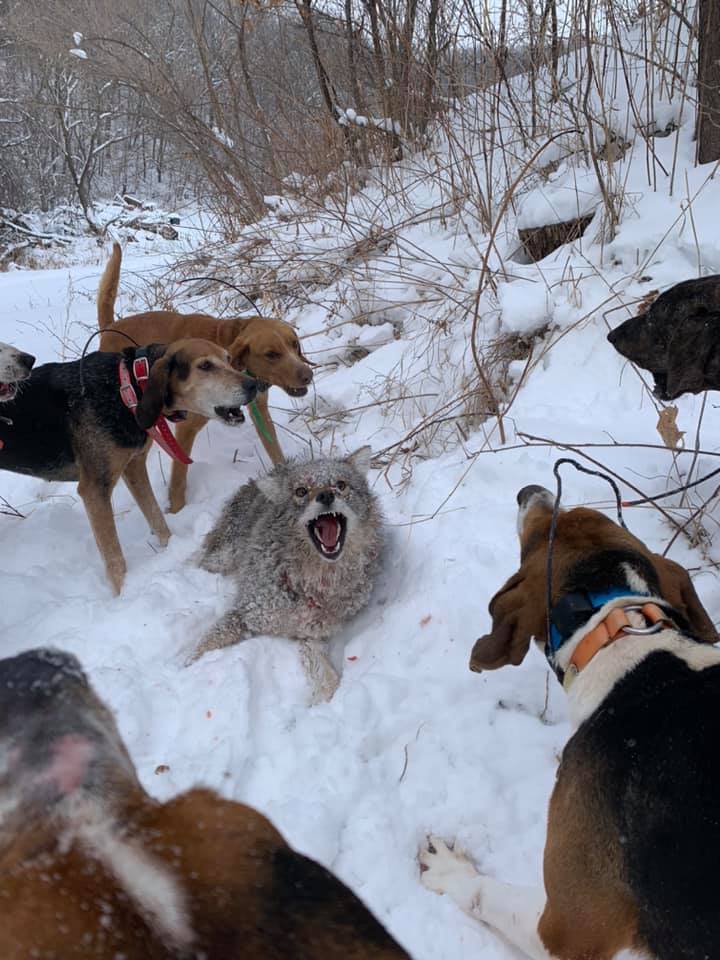
A photo shared on the Facebook private group, “Coyote Hunting with Hounds” on February 9, 2021 by Jonathan Graff.

With the argument that coyotes are an abundant “out-of-control” predator threatening livestock and pets, most states like Wisconsin allow coyotes to be hunted with a variety of means including hounds. Most coyote hound hunters use their dogs to hunt bear, bobcat and other game as well. But in the off-season, it’s coyotes that many hunt to keep their dogs in shape.

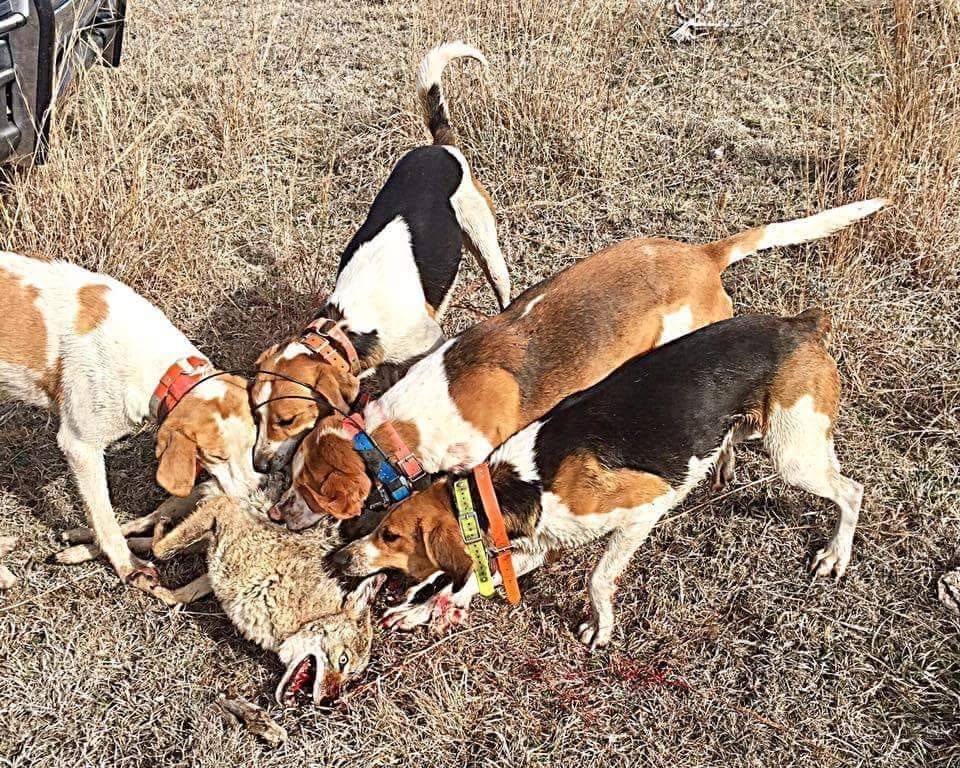
A coyote clearly still alive being mauled by a pack of GPS-collared…

View original post 494 more words