
- Tom Kuglin
- Aug 2, 2021
- 2
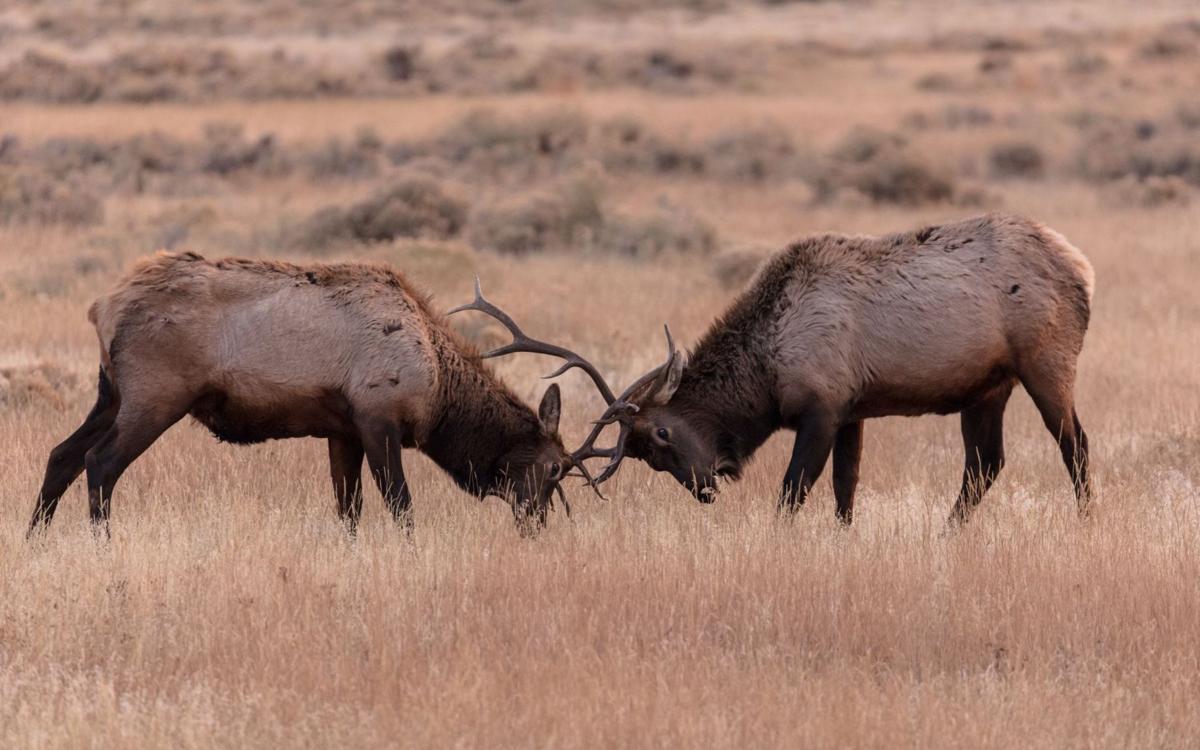
Hunting this fall could be largely shaped by the widespread drought hitting the state this summer, from potential access closures to impacts on wildlife fitness and location.
While some early hunts start in August, Montana’s hunting season really begins in earnest Sept. 4 with the start of the six-week archery season. On Oct. 23 general season kicks off for five weeks and ends the Sunday after Thanksgiving. And new for this year, traditional muzzleloader hunters will have their own nine-day season to chase elk and deer in December.

Most big game herds fared pretty well following a mild winter by Montana standards. Cold snaps remained relatively short-lived with little lower elevation snow. And hunter success hovered around average levels in most parts of the state.
Persistent drought this summer affected green up with many areas of Montana reporting stifled grass growth. That can mean less nutrition for elk, deer and other wildlife.
“I think we’re seeing that doubled-edged sword,” said Brian Wakeling, Game Management Bureau chief with Montana Fish, Wildlife & Parks. “We did see a relatively mild winter and were looking forward to that with fawns and calves hitting the ground. But the real challenge for that of course is we’re also dealing with drought (and) fires. So while we might’ve seen some favorable winter survival, we may see some reduced survival in terms of recruitment and getting those young animals into adulthood.”
Montana’s wide expanses mean a variety of habitats and different species handle tough conditions better than others. Northeast Montana has seen a surge in mule deer populations so numbers likely remain favorable, Wakeling said. In the southeast, mule deer numbers are not quite as rosy.
Whitetails overall seem to be doing better than mule deer and elk tend to be less sensitive to extreme summer conditions, Wakeling said.
Lush grasses in the spring and summer are when animals bulk up for the stresses of fall ruts and winter, said Butte-area FWP biologist Vanna Boccadori.
“Any calves or young born this year are probably going to be pretty darn light going into the fall,” she said. “Adults just won’t have the fat, which can affect breeding potential so you could see this affect two generations of animals.”
 Exposing the Big Game
Reblogged this on Committee to Abolish Sport Hunting Blog.