
Plant-based food company Oumph! developed a burger they say tastes just like people, for those willing to indulge in fake human flesh
The burger is made with soy, mushrooms, and wheat protein as well as ‘plant-based fats and a mysterious spice mix’, the company said

+ FOLLOW
Published: 3:52pm, 3 Jul, 2022
TOP PICKS
‘Shameless!’: video shows wife catching cheating husband and lover in the act

Girl, 5, uses father’s US$75,000 camera for homework wows 180 million online

Trouble in Paradise: George Clooney, Julia Roberts film stirs debate in Indonesia

Why Xi’s meet-and-greet with Hong Kong elite set tongues wagging on pecking order

End of ‘Angola model’ sees number of Chinese in oil-rich country plummet

Hong Kong’s John Lee convenes cabinet meeting to discuss to-do list from Xi

Hong Kong lawmaker tests positive for Covid after posing for photo with Xi Jinping

‘Hong Kong, add oil’ should not be taboo, says Canto-pop legend Jacky Cheung

Chinese policeman sparks fresh concerns about probe into attack on women

‘Trying to tear her arm off’: awkward Johnson-Ardern handshake goes viral

1
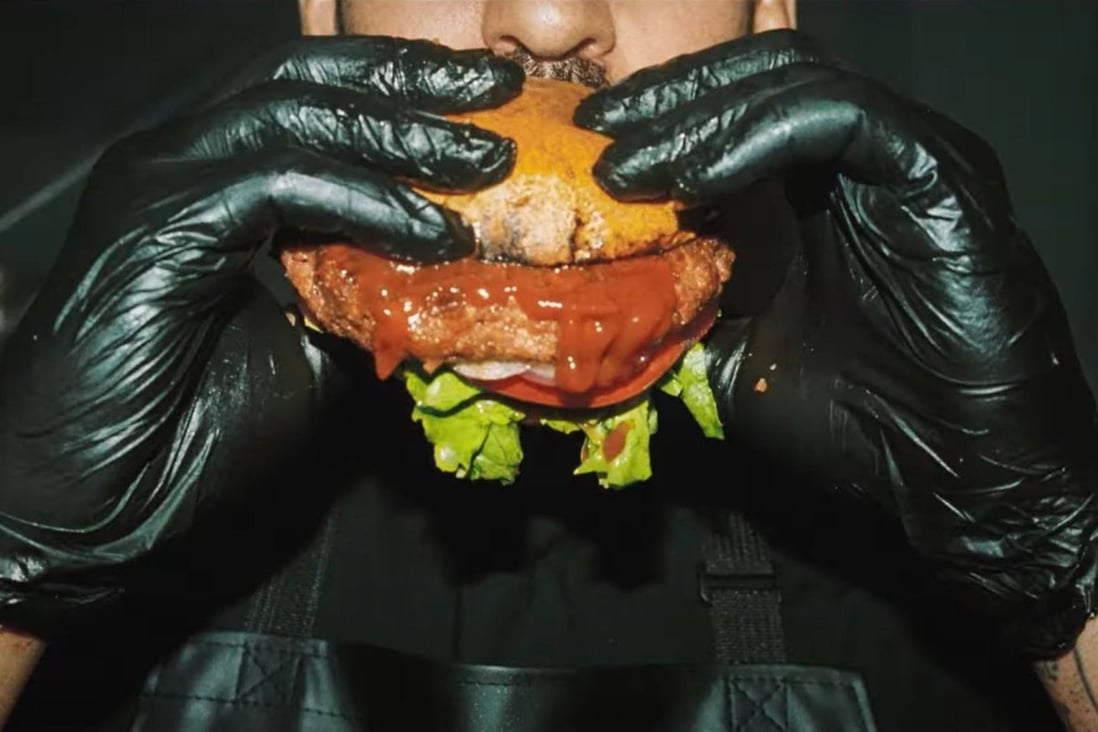
The Human Meat Plant-Based Burger was developed by European company Oumph! Photo: YouTube / Eat_Oumph
A plant-based meat brand decided to take an unusual — and cannibalistic — route to sway people to try their product.
European company Oumph! developed the Human Meat Plant-Based Burger — a burger they say tastes just like people — for those willing to indulge in fake human flesh.
“We developed this burger in no time as soon as we knew what taste and texture we were after,” Oumph! Co-Founder Anders Linden said in a YouTube video.
During Halloween last year, the company set up a food truck in Stockholm, Sweden, serving the “scariest plant-based food ever”.
The company released a short advertisement, complete with a sinister voiceover depicting dark scenes in a kitchen as a a chef develops the human-based meat. The commercial then dares people to try it.
LOLA MullenLowe, the agency behind the campaign, said they wanted to “convince” meat-lovers that plant-based products could “replicate the taste of any meat”.
“And of course, a solution was to make a tasty plant-based human meat burger,” Tomas Ostilglia, Creative Director at LOLA MullenLowe said.
The campaign won a Silver Prize at the Cannes Lions Festival, an international festival for the creative marketing community.
DAILY
SCMP Today: Intl Edition Newsletter
By submitting, you consent to receiving marketing emails from SCMP. If you don’t want these, tick here
By registering, you agree to our T&C and Privacy Policy
The burger itself is made with soy, mushrooms, and wheat protein as well as “plant-based fats and a mysterious spice mix”.
“No humans were injured in the development of this product,” the company said.
Read the original article on Insider

Veganism
Food and agriculture|
Sweden|
Offbeat
Read moreChina develops appetite for protein developed through fermentation
Read moreSingapore sites Asia’s biggest cultivated meat facility
Read moreFake meat and bugs can save the planet but you could just eat less meat too
Read moreHow Asia’s first plant-based butcher is winning over Singaporeans
+ FOLLOW
China’s appetite for protein developed through fermentation grows, amid drive to boost demand for meat alternatives, net-zero goal
Investors’ interest in alternative protein has extended to fermentation and cell-based protein technologies, which are more suitable for long-term deployment, think tank saysAt a meeting in March, Chinese President Xi Jinping said that it was necessary for China to develop proteins from plants and microorganisms or fermentation

Yujie Xue in Shenzhen
+ FOLLOW
Published: 11:00am, 23 Jun, 2022
TOP PICKS
‘Shameless!’: video shows wife catching cheating husband and lover in the act

Girl, 5, uses father’s US$75,000 camera for homework wows 180 million online

Trouble in Paradise: George Clooney, Julia Roberts film stirs debate in Indonesia

Why Xi’s meet-and-greet with Hong Kong elite set tongues wagging on pecking order

End of ‘Angola model’ sees number of Chinese in oil-rich country plummet

Hong Kong’s John Lee convenes cabinet meeting to discuss to-do list from Xi

Hong Kong lawmaker tests positive for Covid after posing for photo with Xi Jinping

‘Hong Kong, add oil’ should not be taboo, says Canto-pop legend Jacky Cheung

Chinese policeman sparks fresh concerns about probe into attack on women

‘Trying to tear her arm off’: awkward Johnson-Ardern handshake goes viral

Post
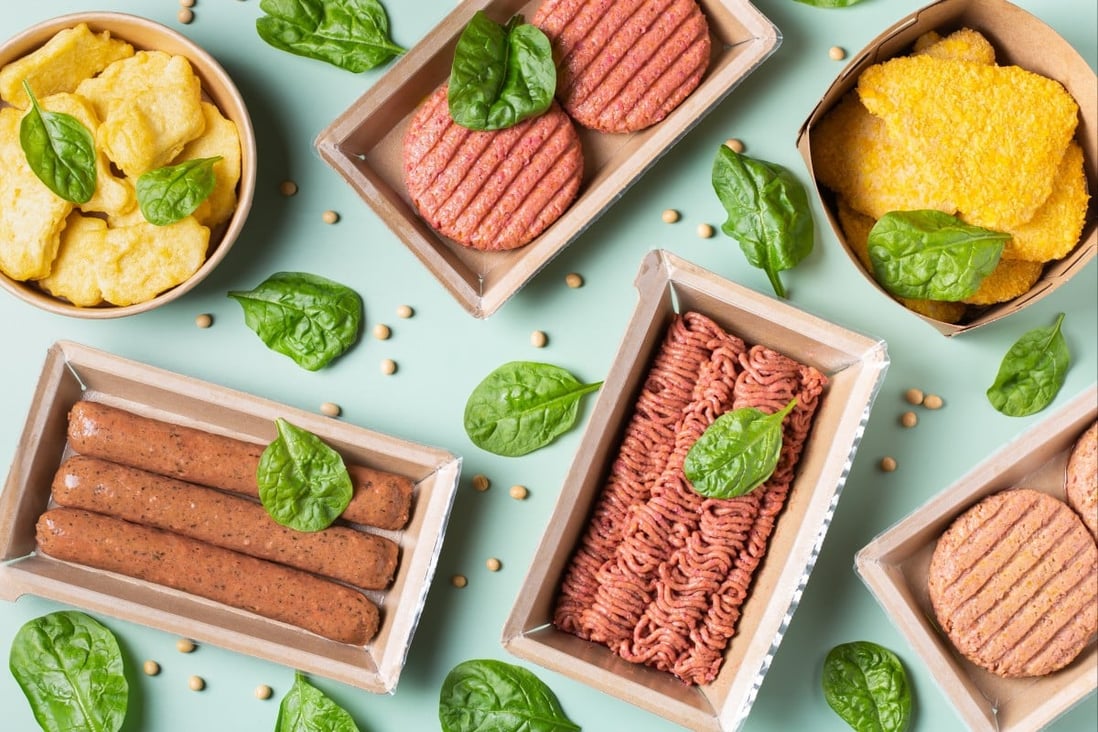
Fermentation can also be used to fix the shortcomings of plant-based meat products, for example, to add nutritional value and enhance texture and flavour, according to GFI APAC. Photo: Shutterstock
Chinese investors and policymakers are showing a growing interest in fermentation and cell-based protein technologies, with the expectation that they can diversify China’s protein supply, reduce food-related carbon emissions and overcome the challenges of current plant-based meat products.
The country’s fermentation alternative proteins sector has recorded eight investment deals since 2020, with total financing of more than 80 million yuan (US$11.9 million), according to GFI Consultancy, the Shanghai-based strategic partner of Good Food Institute Asia-Pacific (GFI APAC), Asia’s leading alternative protein think tank.
Fermentation-enabled and cell-based proteins are expected to play an integral role in a more self-sufficient food system in China. The country’s “alternative protein industry has ushered in a critical transition period, from rapid expansion to quality development”, the consultancy said in a report published on Wednesday.
“Investors’ interest in alternative protein has extended to fermentation and cell-based protein technologies, which are more suitable for long-term deployment,” it added.
Convenience chain Lawson to sell heat-and-eat boxes featuring Beyond Meat17 May 2022
Industry studies show that interest in plant-based meat and other alternative proteins is on the rise. China’s plant-based meat market has been continuously growing in the past few years, reaching 748 million yuan in market size in 2020, up 10.6 per cent from 2019, according to the latest research released by market research firm Euromonitor International last year.
The plant-based meat sector, however, faces several key hurdles in the Asia-Pacific region. According to a consumer survey conducted by leading global food company Kerry Group last year, consumers in the region believe current plant-based meat products still have much room to improve, especially in terms of taste, texture and nutrition.
China’s alternative protein market sees rapid expansion amid climate push18 Apr 2022
As far as China is concerned, a transition to diversified protein sources is crucial, as the country has pledged to reduce carbon emissions in all sectors, including animal agriculture, to reach carbon neutrality by 2060. The country could also face a total meat deficit of more than 53 million tonnes in the 10-year period from 2021 to 2030, according to GFI Consultancy.
“With adequate investment and support, fermentation-enabled proteins could almost single-handedly resolve the global protein deficit, while simultaneously mitigating ecological degradation and delivering the familiar tastes and flavours that Chinese consumers crave,” said Mirte Gosker, acting managing director of GFI APAC.
Fermentation uses microbes to break down compounds and create proteins. It can also be used to fix the shortcomings of plant-based meat products, for example, to add nutritional value and enhance texture and flavour, according to GFI APAC.
Beyond Meat opens store on Pinduoduo as Chinese demand for vegan food soars24 Mar 2022
According to a 2019 report by global consultancy AT Kearney, by 2040, up to 60 per cent of meat will be alternative proteins, with cultivated meat comprising 35 per cent and plant-based meat reaching 25 per cent. Plant-based proteins will take the market share in the short term, but cell-cultivated and fermented technologies will dominate the market in the long term.
Last month, China released its latest five-year plan for bio-economy development, which included a particular call to expand the production of “synthetic proteins” to “reduce the pressure on environmental resources brought about by conventional animal agriculture” from 2021 to 2025.
EVERY SATURDAY
SCMP Global Impact Newsletter
By submitting, you consent to receiving marketing emails from SCMP. If you don’t want these, tick here
By registering, you agree to our T&C and Privacy Policy
At a joint meeting in March with agriculture, social security and social welfare advisers, Chinese President Xi Jinping also said that it was necessary for China to develop proteins from plants and microorganisms or fermentation.
Impossible Pork heads to Jollibee-owned Tim Ho Wan, ParknShop stores23 Sep 2021
Building a thriving research and manufacturing landscape for fermentation-enabled proteins can help China diversify its protein supply and reduce its reliance on overseas imports of soybeans, corn and other crops traditionally fed to farmed animals raised for meat, according to GFI APAC.
“It allows the nation to produce more food with fewer resources – the quintessential win-win,” said GFI APAC’s Gosker.
 Exposing the Big Game
Reblogged this on Exposing the Big Game and commented:
Disgusting. Just how do they think they know what human meat is supposed to taste like?