How do you move 250 elephants to their new home? Very carefully

  • [Very cruelly, that is.]

https://www.npr.org/2022/07/14/1111555644/elephants-moved-malawi

  • Facebook
  • Twitter
  • Flipboard
  • Email

July 14, 20222:47 PM ET

THE ASSOCIATED PRESS

An elephant is hoisted into a transport vehicle at the Liwonde National Park in southern Malawi on Sunday.

Thoko Chikondi/AP

LIWONDE NATIONAL PARK, Malawi — A tranquilized baby elephant is hoisted into the air and gently placed in a large truck that will take it to a new home.

One by one, 250 elephants are being moved from Malawi’s overcrowded Liwonde National Park to the much larger Kasungu park 380 kilometers (236 miles) away in the country’s north.

The elephants are tracked in the park and darts are fired to sedate them. While in slumber they are moved into the large trucks that take them to Kusungu park.

So far at least 40 elephants have been moved and the rest should go by the end of the month at a total cost of about $1.5 million to $2 million, according to officials. In addition, about 405 other wildlife, including buffalo, impala, sable, warthog and waterbuck will be moved to Kasungu.

The entire process is a cooperation between Malawi’s Department of National Parks and Wildlife, the International Fund for Animal Welfare and African Parks.

An elephant is hoisted into a transport vehicle at the Liwonde National Park on Sunday.

Thoko Chikondi/AP

“This will establish viable elephant populations, and ensure the prosperity of local communities living around the parks. It will also alleviate habitat pressure and reduce human-wildlife conflict,” African Parks representative in Malawi Sam Kamoto said.

Sponsor Message

https://0c60126e9079fd84dacf680840673ad1.safeframe.googlesyndication.com/safeframe/1-0-38/html/container.html

African Parks is a non-profit organization that manages and rehabilitates national parks in partnership with governments and local communities. The group currently manages 20 national parks and protected areas in 11 African countries, including Malawi.

I’LL BE SEEING YOU

Elephants Under Attack Have An Unlikely Ally: Artificial Intelligence

Since 2015 Liwonde National Park has been managed by African Parks which found that its more than 600 elephants are threatening the park’s vegetation and biodiversity.

Liwonde’s 548 square kilometers (211 square miles) of floodplains, lagoons and woodlands support more than 400 species of birds and many mammals. But its elephants, breeding at a rate of 10% per year, could soon overwhelm the park, said experts.

In contrast, Kasungu National Park is about four times larger at 2,100 square kilometers (810 square miles) but has much less wildlife. Kasungu once had about 1,200 elephants but years of poaching reduced the number to about 49 in 2015, said parks officials.

ANIMALS

Elephants have evolved to be tuskless because of ivory poaching, a study finds

Since then Malawi’s national parks and international groups, including the U.S. Agency for International Development, have collaborated to improve protection for the elephants and Kasungu park’s elephant population has grown to about 120. The introduction of 250 elephants from Liwonde will promote population viability in Kasungu, he said.

“The translocation of the elephants and other wildlife is a significant achievement and proves the national parks’ approach to working with partners to secure its natural resources is a sound one,” said Patricio Ndadzela, a representative in Malawi of the International Fund for Animal Welfare.

A 40-kilometer (25-mile) elephant-proof fence has been built along Kasungu park’s eastern boundary to prevent elephants from straying into farmland and will prevent conflict between communities and the elephants, said Ndadzela.

ANIMALS

Happy the elephant is not a person, a court rules

Restoring Kasungu’s elephant population will boost its appeal as a tourist destination and in turn improve the local economy, he said.

This isn’t the first time that a large number of elephants have been moved from one park to another in Malawi. In 2016, African Parks relocated 520 elephants to Nkhotakota Wildlife Reserve.

2 men from Congo plead guilty to shipping ivory, rhino horns

Exposing the Big Game's avatarThe Extinction Chronicles


by The Associated PressThursday, July 14th 2022

https://komonews.com/news/local/2-men-from-congo-plead-guilty-to-shipping-ivory-rhino-horns

UserWay icon for accessibility widget

FILE PHOTO - 2 men from Congo plead guilty to shipping ivory, rhino horns (AP Photo/Ben Curtis)

FILE PHOTO – 2 men from Congo plead guilty to shipping ivory, rhino horns (AP Photo/Ben Curtis)

Facebook Share Icon

Twitter Share Icon

Email Share Icon

SEATTLE (AP) — Two foreign nationals from the Democratic Republic of Congo have pleaded guilty in federal court in Seattle for acting as middle men in a smuggling ring that brought illegal ivory, rhinoceros horn and pangolin scales into the U.S.

Herdade Lokua, 24, and Jospin Mujangi, 32, of Kinshasa, Congo, pleaded guilty to two counts of an 11-count indictment alleging they worked with a middle man to facilitate shipments of poached items into Seattle, the Seattle Times reported.

Sentencing is set for Nov. 1. Both men face up to five years in prison, possible fines of up to $250,000 and deportation from the U.S., according to a plea agreement.

Officials say the men acknowledged that from November 2019 through June 2021, they shipped 49 pounds…

View original post 93 more words

One brave chimp’s story shows the many threats facing the species today

A Humane WorldKitty Block’s Blog
Calendar Icon July 14, 2022Before David made Second Chance
One brave chimp’s story shows the many threats facing the species today Chimpanzee Refuge his home, he went through many hardships that are sadly emblematic of the myriad threats facing his kind. HSIEvery animal has a story, and for World Chimpanzee Day, I want to tell you David’s.David is a chimp who now lives at Second Chance Chimpanzee Refuge, our sanctuary in Liberia. Fiercely loyal to his friends (fellow chimpanzees Rose, Jiminy Cricket and Tipsy), David often patrols the edge of the island where they live. He happily accepts visits twice per day from the sanctuary’s caregivers, who provide him and his friends their meals, replete with his favorite food: bananas.But before David found his friends and made Second Chance his home, he went through many hardships that are sadly emblematic of the myriad threats facing chimpanzees. Captured from the wild when he was just an infant, David was torn from his mother, who was likely killed, and kept as a pet. Then, when David wasn’t yet 2 years old, his owners dropped him off at a laboratory.Over the next two decades, David was used in many painful experiments. He was tranquilized 372 times and endured 42 liver biopsies. During one experiment, he suffered an injury to his foot that became infected so many times the injury permanently affected the use of his leg. Because of his submissive nature and the extremely close quarters of the lab’s cages, David was frequently attacked by the chimps sharing his cage, resulting in multiple wounds, including one that resulted in the loss of a toe and another that required sutures. David now has arthritis and depends on long-term pain medication to improve his quality of life.Despite all he had been through, David’s sweet-natured personality never changed: He has always been a gentle, playful and friendly chimp. Given any opportunity with humans or chimps, David would try to initiate playtime even if he could only do so through the metal bars of his cage.When the laboratory ended its research in the early 2000s, the chimpanzees it used as specimens were retired to large islands where they could live in a semi-natural environment. This type of life clearly suited David: His foot injury began to improve, and he was able to more freely bond and play with his fellow chimps.But struggles still remained ahead for David. In 2015, the organization that ran the laboratory pulled out of Liberia, which left the retired chimps living on the islands with little access to food or fresh water. We stepped in to provide emergency care to the chimps, and since then, HSI/Liberia has committed to the lifelong care of the chimpanzees, David and his friends included.Despite all David had been through, his sweet-natured personality never changed: He has always been a gentle, playful and friendly chimp. HSIIn the last few years, we have made several significant improvements to the sanctuary, including repairing and maintaining the chimps’ drinking water systems; hiring a team of more than 30 people to provide direct care and ensure smooth operations; enhancing veterinary care, including birth control measures; and bringing on a full-time director and veterinarian. We are also planning to construct infrastructure on the islands that will enhance the chimps’ care, as well as a veterinary clinic and administrative buildings on our mainland site. This is a complex, multi-year project that is nearing the end of the design stage, with contractors preparing to start initial construction soon.Being able to give David and the more than 60 other chimps at Second Chance the lives they deserve is such an honor. And it is thanks to our supporters who make such lifechanging work possible that David’s later years can be spent in happiness.Follow Kitty Block on Twitter @HSUSKittyBlock.The post One brave chimp’s story shows the many threats facing the species today appeared first on A Humane World.Related StoriesCollars found in slaughterhouse tell heartbreaking story about the dog meat tradeCollars found in slaughterhouse tell heartbreaking story about the dog meat trade – EnclosureVictory! World’s largest bullfighting arena no longer holds bullfights

BC SPCA asks public to remove bird feeders due to avian influenza outbreak

Exposing the Big Game's avatarThe Extinction Chronicles

July 13, 2022

The presence of a highly pathogenic avian influenza (HPAI) has been confirmed in Canada, with cases spreading rapidly across the country and confirmed detections in B.C.Positive cases have been confirmedin the Lower Mainland, Vancouver Island, Interior and North regions. This includes birds like great horned owls, bald eagles, great blue herons, ducks and geese, and even a crow.

The BC SPCA is asking the public to temporarily remove backyard bird feeders and empty bird baths to prevent the spread of the disease.

Wild birds play a key role in the spread of HPAI. Although waterfowl (including ducks, geese and gulls) and raptors (eagles, hawks and owls) are highest risk, avian influenza viruses can infect all avian species. The virus is shed by infected birds through feces and respiratory secretions and is very…

View original post 482 more words

How the heat dome in Texas is related to climate change

Exposing the Big Game's avatarThe Extinction Chronicles

Ben Adler

·Senior Editor

https://news.yahoo.com/heat-dome-texas-related-climate-change-204725813.html

Wed, July 13, 2022 at 1:47 PM·3 min read

Texas is making national headlines for its climate-change-related extreme weather again — this time for a so-called heat dome that’s trapping warm temperatures over the area. More than a year after its infamous deep freeze triggered massive blackouts, the Lone Star State is sweltering through a severe summer heat wave.

On Sunday, over a dozen municipalities in Texasset record-high temperatures, with some reaching 113 degrees. The National Weather Servicelabeled the conditions“oppressive and dangerous” and experts warned ofpotential disruptionsto electricity distribution. The extreme heat has lasted for several days, with San Antonio expecting to reach 104 degrees and Houston hitting a high of 98 degrees on Wednesday.

News accounts typically described the occurrence as a heat dome that settles over the state for days. The same term was used last June…

View original post 458 more words

Noam Chomsky: Humanity Faces Two Existential Threats. One Is Nearly Ignored.

Why is plant-based protein still more expensive than meat?

Study finds prices for plant-based products remain sky high as advocates blame meat industry subsidies for lack of price parity

BY JESSICA SCOTT-REID

JULY 12, 2022JULY 12, 2022

plant-based meat

Food prices are surging across much of North America, as pandemic-related supply chain issues persist; floods, droughts and storms hit farmland; and the war in Ukraine snarls global food systems. In May 2022, Canadians paid 9.7% more for food than they did the same month in 2021, according to Statistics Canada, while food prices in the United States were 10.1% higher in the same comparison. Meat prices have been of particular concern, going up 10.1% in Canada and 14.2 % in the U.S. for meats, poultry, fish and eggs. 

Advocates of plant-based proteins hope that these higher meat prices may eventually convince consumers to switch to meat alternatives if environmental benefits haven’t already done so. But that won’t happen immediately, as prices for plant-based alternatives have remained stubbornly high, according to a recent study from Dalhousie University’s Agri-Food Analytics Lab (AAL). The study found that plant-based versions of specific meat products are more expensive in Canada, costing on average 38% more than meat. Researchers found that chicken nugget alternatives cost 104% more than animal-based versions at the highest end. 

Plant-based food advocates say government subsidies that go to the meat industry are largely to blame, as they keep meat prices artificially lower and make it hard for alternatives to reach competitive pricing. 

“Without taxpayer-funded subsidies, the price of animal-derived products would more closely reflect their true production costs,” says Jenny Henry, co-founder of Nation Rising, a Canadian advocacy group lobbying the federal government to shift subsidies from animal agriculture to plant-based foods. “These massive subsidies serve to drive down the cost of meat.” 

Henry says meat prices in Canada are comparatively lower than plant-based alternatives because governments and taxpayers are helping foot the bill. Based on government reports, the group calculated that federal and provincial governments committed to well over $1.7 billion in subsidies to animal agriculture in 2021. 

Sabina Vyas, senior director of impact strategies at the U.S.-based Plant Based Foods Association, says that while price parity is a goal for many plant-based food companies, “it is important to consider the full system they are working within.” In the United States, she says, “animal-based foods are artificially low-cost thanks in part to the US$38.4 billion annual subsidies the industry receives” from the federal government, in addition to various state subsidies. 

One study from University of California Berkeley estimated that one pound of hamburger meat would actually cost US$30 without any government subsidies. And that was in 2015.

These massive subsidies serve to drive down the cost of meat.

-Jenny Henry, co-founder of Nation Rising

report by CNBC last year, on efforts being made by plant-based giants Beyond Meat and Impossible Foods to reach price parity with meat, explains that some of the economic obstacles for alternatives brands include small-scale production, supply chain issues (only a few countries produce pea protein, including Canada) and a continuous need for product development to reach that authentic meat experience. The report claims that reaching price parity could take anywhere from five to 20 years. 

Some believe price parity might not be that far off. Non-profit Good Food Institute believes that plant-based alternatives could reach price parity with meat as soon as 2023 and that cultured meat (produced in a lab) could be competitive with conventional meat by 2030. 

In the meantime, high prices may be eating into demand for plant-based foods. A recent CBC report claims that demand for plant-based meat alternatives is on the decline in Canada, after the market saw rapid growth of 40% in 2019 and 2020. While the report includes a couple of industry experts claiming taste to be the reason behind the drop, it appears price is the true culprit.

In recent years, major meat companies, including JBS, Tyson and Cargill, have invested heavily in plant-based proteins and cellular meats while also buying out many existing plant-based brands. Maple Leaf Foods has invested close to a billion dollars in building out its plant-based protein investments. 

Still, AAL’s senior director, Sylvain Charlebois, says that with so many meat-alternatives brands being bought up by large meat companies with efficiencies of scale, he had expected plant-based products to come down in price by now. He adds that meat companies and retailers may be using plant-based products as a new benchmark to support higher prices at the meat counter. 

Dror Balshine, founder and president of plant-based brand Sol Cuisine, which retails in both Canada and the U.S., agrees that government propping up of animal agriculture plays a role in the current protein marketplace. But, he also says that plant-based meat pricing should be viewed in a different light, more on par with higher-value meat items.

“Comparing premium meat items to value-added plant-based items should be the benchmark,” he says. “The plant items are usually non-GMO, kosher [and] organic. So they should be compared to those levels of meat with those benefits as well.” Sol Cuisine was purchased by major Brazilian meat producer Marfrig Global Foods in 2021.

Ultimately, Charlebois says, the addition of plant-based alternatives to the grocery market only helps to “democratize proteins in general,” and “making protein more affordable for everyone is really the best outcome possible.” However, he concludes, “consumers today deserve a real economic choice between two sources of protein, and that’s not what they are getting.”

‘Completely unprecedented’: Experts fear bird flu outbreak is pushing some species to the brink of extinction

Exposing the Big Game's avatarThe Extinction Chronicles

The RSPB says there is “genuine concern” over the bird flu outbreak, as conservationists call on the government to do more to tackle the spread of disease.

SARAH WILSON

11 Jul 2022

‘Completely unprecedented’: Experts fear bird flu outbreak is pushing some species to the brink of extinction

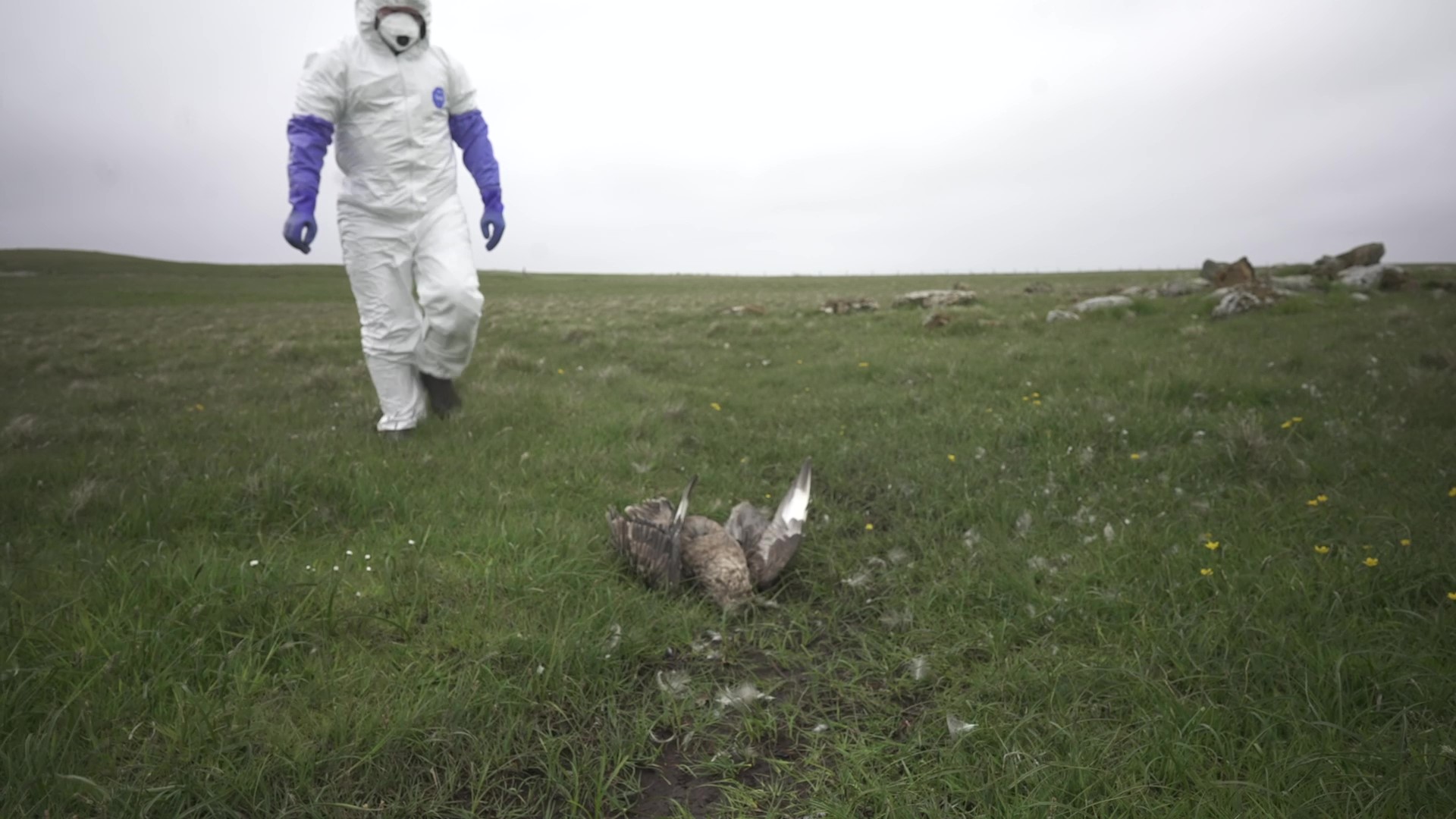
Image of man in hazard suit approaching dead bird.

Conservation charities are calling on the government to take urgent action on bird flu. Image: RSPB Scotland

SHARE

In 1993, when Helen Moncrieff was a young schoolgirl in Shetland, an oil tanker ran aground and spilled 85,000 tonnes of crude oil onto Quendale Bay.

Moncrieff, now the Shetland Islands manager for the RSPB, spent days picking up the carcasses of birds, and remembers the feeling of “total helplessness” that overwhelmed her as she did it.

In recent weeks that feeling has crept back again, only this time, “it’s much worse”.

Over the last few months, across Scotland’s islands and coastlines, seabirds have…

View original post 1,136 more words

Groundhog Hunting Season Underway In Missouri

Exposing the Big Game's avatarCommittee to Abolish Sport Hunting Blog

ByReporter Mike Anthony

NOV 12, 2021

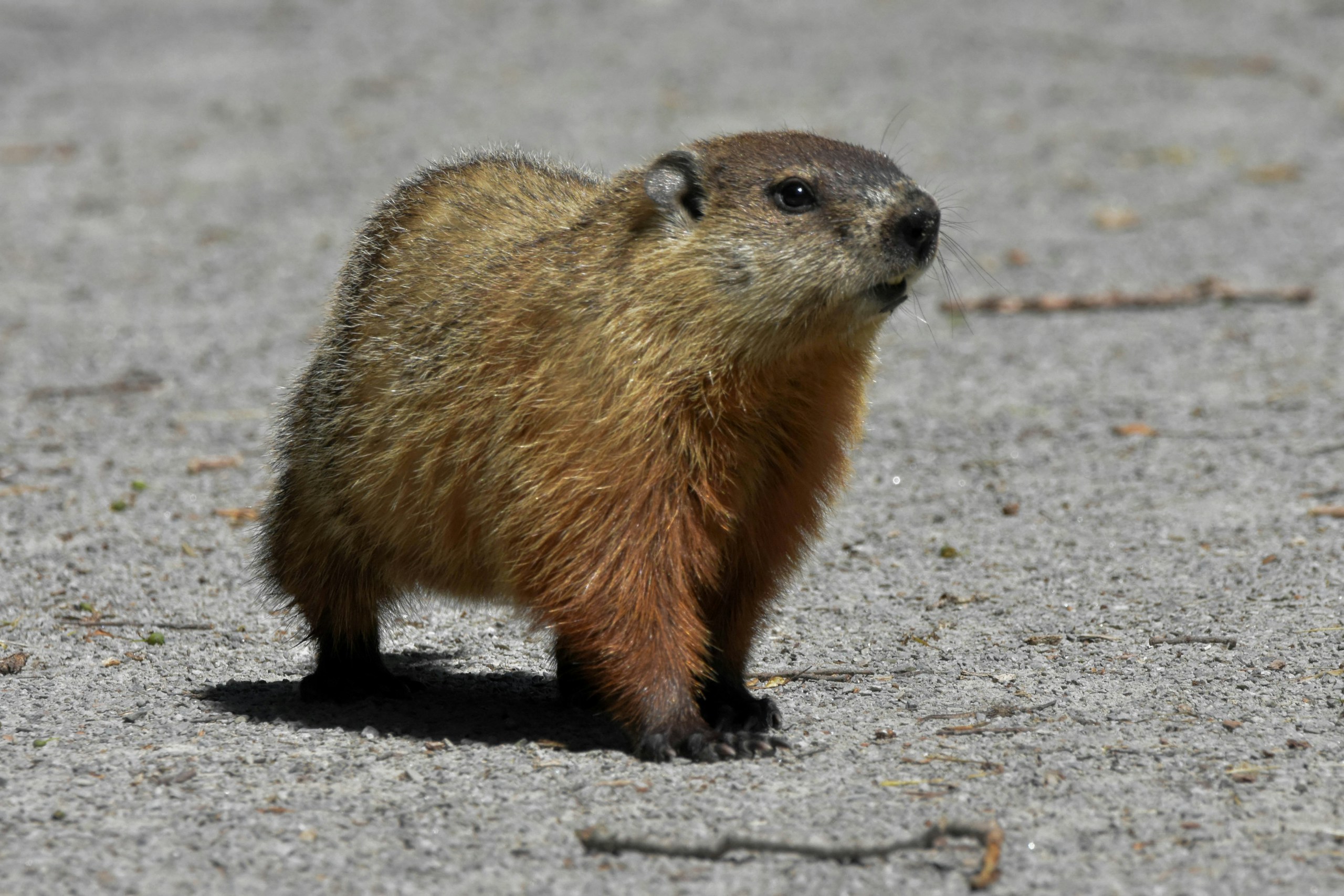
brown rodent on gray sand during daytime

brown rodent on gray sand during daytime
Photo byJack BulmeronUnsplash

A little known hunting season continues all this weekend across the State of Missouri.

The 2021 Groundhog hunting season actually opened up back in May.

In the State of Missouri, groundhog pelts can be possessed and sold throughout the year.

There are several methods that can be used for the harvesting of the coveted groundhog, including archery and firearms.

There are no limits for the groundhog hunting season which comes to an end on December 15th.

View original post

Utah wildlife officials seek increases to hunting and fishing fees, citing inflation

By Carter Williams, KSL.com | Posted – July 12, 2022 at 5:53 p.m.

https://www.ksl.com/article/50438624/wildlife-officials-seek-increases-to-hunting-and-fishing-fees-citing-inflation-

A photo of a mentored youth waterfowl hunt in Utah in 2017. The Utah Division of Wildlife Resources is seeking to raise the cost of resident hunting and fishing licenses because of inflation, though they would not increase the cost of youth permits. (Utah Division of Wildlife Resources)


110


Estimated read time: 4-5 minutes

SALT LAKE CITY — Record levels of inflation have resulted in a number of rising costs across Utah in recent months, most visibly being the state’s record-high gas prices.

However, inflation may also result in rising hunting and fishing permit fees in the near future.

The Utah Division of Wildlife Resources on Tuesday unveiled a plan to raise the cost of most of its resident fees by at least 10%, though the changes would not take effect until 2023. It would be the largest fee increase since 2014, according to Kenny Johnson, the division’s administrative services chief.

“(In) recent years, inflation has begun to outpace our revenue growth,” he said, in a video outlining the fee increase plan.

Under the proposal, most fees will increase:

  • Fishing and hunting licenses would increase from $34 to $40, almost an 18% hike.
  • A general season deer permit would increase from $40 to $46, or 15% more.
  • A general season elk permit would increase from $50 to $56, or 12% more.
  • A turkey hunt permit would increase from $35 to $40, or 14% more. Swan and sandhill crane permits would also be set at $40.
  • A fishing and hunting combination license would jump from $38 to $44, a 16% increase. There would be a $1 discount for all multi-year and extended permits.
  • Most other permits would see an increase ranging from 10% to 12%.
  • No increases are proposed for youth or veterans with disabilities seeking hunting or fishing licenses.

If the plan is approved, some of the largest fee increases would be for nonresidents, though. For instance, nonresidents would have to pay $670 for deer permits at Cooperative Wildlife Management Units, up from the current rate of $398.

Advertise with usReport ad

Johnson explains that 92% of the division’s operations are “self-funded,” so nearly all of its hunting and fishing-related programs depend on licenses to continue. The remaining money comes from the state’s general fund, though that money is typically granted toward projects, or “specific things,” that impact everyone in the state, not just hunters and anglers.

He said that the division’s budget had remained balanced since the last major fee raise in 2014, adding any revenue growth remained close to inflation rates over the course of nearly a decade.

“We’ve been really fortunate to not need a resident fee increase in almost 10 years,” he said.

But that started to change as the U.S. began to experience high levels of inflation starting last year. It increased 7.5% in 2021 and remains a little over 8% this year. The Associated Press reported last month that Mountain West states have been hit particularly hard, as consumer prices jumped to 9.8% in April compared to April 2021, and remained at 9.4% of costs in May.

These rising costs are why the Utah Division of Wildlife Resources is now facing an “ongoing need” for $5 million more in its licensing revenue to help cover expenses for possibly the next four or five years, Johnson said. These include the cost of labor, goods, service, fuel, equipment, credit card fees, ongoing maintenance, fencing, general supplies and technology services.

“We’ve seen all of those steadily increase over (the last few months), as well,” he said. “So, we’re proposing a modest fee increase to help us address our needs now and what we anticipate for several years into the future. … We believe our license structure and fees are fair and help balance participation costs from the public with healthy fish and wildlife populations on the ground.”

But it may take some time before Utah anglers and hunters notice the fee changes. All of the division’s proposed fees will have to go through a complex process before they are approved.

The Utah Wildlife Board must approve it first. It’s then up to the Utah Legislature, including the Natural Resources, Agriculture, and Environmental Quality Appropriations Subcommittee, and Utah Gov. Spencer Cox to approve the changes before anglers and hunters will see the fee increases. Johnson anticipates that any approved changes will likely take effect at the start of the next fiscal year on July 1, 2023.

Utahns will have until the end of Aug. 18 to submit comments online regarding the division’s plan. There are also a series of regional advisory council meetings scheduled between July 26 and Aug. 4, where the proposal will be discussed. The Utah Wildlife Board is scheduled to meet on Aug. 25, where they may vote on the proposal to send it forward to Utah’s elected leaders for final approval.