
Unsustainable human activity putting dugongs, abalone shellfish and pillar coral at risk of disappearing, says latest IUCN update
The age of extinction is supported by

@pgreenfieldukFri 9 Dec 2022 10.34 EST
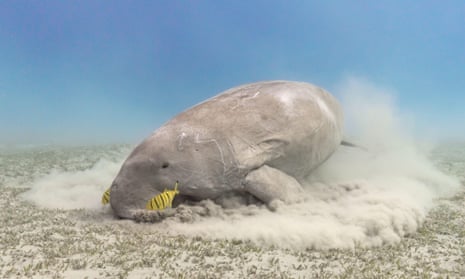
Illegal and unsustainable fishing, fossil fuel exploration, the climate crisis and disease are pushing marine species to the brink of extinction, according to the International Union for Conservation of Nature (IUCN) red list, with populations of dugongs, abalone shellfish and pillar coral at risk of disappearing for ever.
Marine life is facing a “perfect storm” of human overconsumption, threatening the survival of some of the world’s most expensive seafood, according to the conservation organisation, which publishes the most up-to-date information on the health of wildlife populations on Earth.
From South Africa to Australia, 20 of the world’s 54 abalone species are now threatened with extinction, according to the first IUCN scientific assessment of the species group. In east Africa and New Caledonia, dugongs – marine mammals that largely feed on seagrass – are close to extinction, damaged by oil and gas exploration, bottom-trawling, chemical pollution and mining.
The information comes as countries negotiate this decade’s biodiversity targets for protecting the planet at Cop15, with draft proposals to take radical action on species extinction this decade.
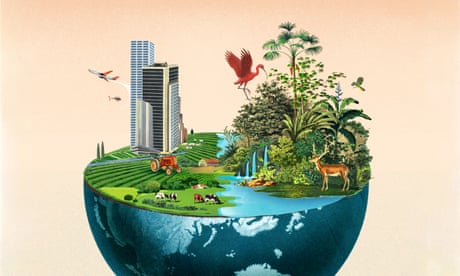
“Today’s IUCN red list update reveals a perfect storm of unsustainable human activity decimating marine life around the globe. As the world looks to the ongoing UN biodiversity conference to set the course for nature recovery, we simply cannot afford to fail,” said Dr Bruno Oberle, IUCN director general. “We urgently need to address the linked climate and biodiversity crises, with profound changes to our economic systems, or we risk losing the crucial benefits the oceans provide us with.”
Those at risk include the endangered Omani abalone, found off the Arabian peninsula, which has disappeared from more than half its range due to pollution from agricultural and industrial runoff, which causes harmful algal blooms. On the west coast of South Africa, poaching by criminal networks, many connected to the international drugs trade, has devastated populations of the perlemoen abalone.
In the western Indian ocean, fewer than 250 mature dugongs are left, with fewer than 900 in New Caledonia.
“Strengthening community-led fisheries governance and expanding work opportunities beyond fishing are key in east Africa, where marine ecosystems are fundamental to people’s food security and livelihoods,” said Evan Trotzuk, who led the east Africa red list assessment of the mammals.
“Further, the creation of additional conserved areas where dugongs live, particularly around Bazaruto Archipelago national park [in Mozambique], would also empower local communities and other stakeholders to find, implement, and benefit from solutions that halt long-term declines in dugong abundance, as well as in seagrass extent and quality,” he said.
Sign up to Global Dispatch
Free newsletter
Get a different world view with a roundup of the best news, features and pictures, curated by our global development team
https://www.google.com/recaptcha/api2/anchor?ar=1&k=6LdzlmsdAAAAALFH63cBVagSFPuuHXQ9OfpIDdMc&co=aHR0cHM6Ly93d3cudGhlZ3VhcmRpYW4uY29tOjQ0Mw..&hl=en&type=image&v=pn3ro1xnhf4yB8qmnrhh9iD2&theme=light&size=invisible&badge=bottomright&cb=5kv6hxly0y7kPrivacy Notice: Newsletters may contain info about charities, online ads, and content funded by outside parties. For more information see our Privacy Policy. We use Google reCaptcha to protect our website and the Google Privacy Policy and Terms of Service apply.
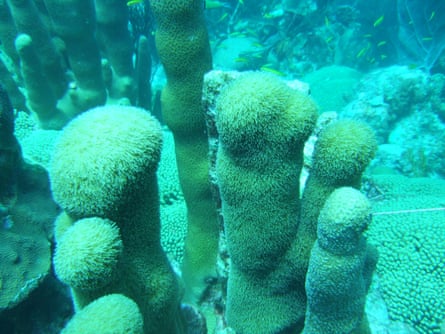
The pillar coral, found from the Caribbean to the Yucatan peninsula, was also part of the most recent round of IUCN red list assessments and has been moved from vulnerable to critically endangered after its population shrank by more than 80% across its range since 1990. The decline was caused by disease, bleaching from the climate crisis and fertiliser runoff.
There are 150,388 species that have been assessed by scientists for the IUCN red list, of which 42,108 are threatened with extinction. More than 1,550 of the 17,903 marine animals and plants analysed are at risk of disappearing for ever, with global heating affecting at least 41% of threatened marine species.
Find more age of extinction coverage here, and follow biodiversity reporters Phoebe Weston and Patrick Greenfield on Twitter for all the latest news and features
 Exposing the Big Game
Reblogged this on The Extinction Chronicles.
Humans are very busy creatures, and they do not seem to be capable of stopping their destructive habits.
And dangerously, we have the ability(?) to convince ourselves and others of falsehoods, that we are doing good.
Ida, you always have such good comments–and how true. These times are difficult, and they are getting worse, but I feel so fortunate to be in such Good Company at these END TIMES. Thank you.