
Reuters
February 7, 20241:58 PM PSTUpdated 2 days ago
https://imasdk.googleapis.com/js/core/bridge3.618.0_en.html#goog_752491984
0 seconds of 0 secondsVolume 0%
BRUSSELS, Feb 7 (Reuters) – Belgium has banned the import of hunting trophies such as lion claw bottle openers and ashtrays made from elephant feet, a move campaigners hope will be followed by other European countries.
Belgium’s parliament voted in late January to ban the imports from a range of rare or threatened animals including alligators, lions, tigers, elephants, rhinoceroses, various turtles, orang-utans, lemurs and northern hairy-nosed wombats.
Advertisement · Scroll to continue
Belgian Environment Minister Zakia Khattabi told Reuters the Belgian ban was more symbolic than significant in itself because licences could in any case be issued by other EU countries.
“It’s a political signal … because we know that today, on a European scale, few countries ban as ambitiously as Belgium,” she said, adding there were bans in Finland and the Netherlands and France was working on one.
Advertisement · Scroll to continueReport this ad
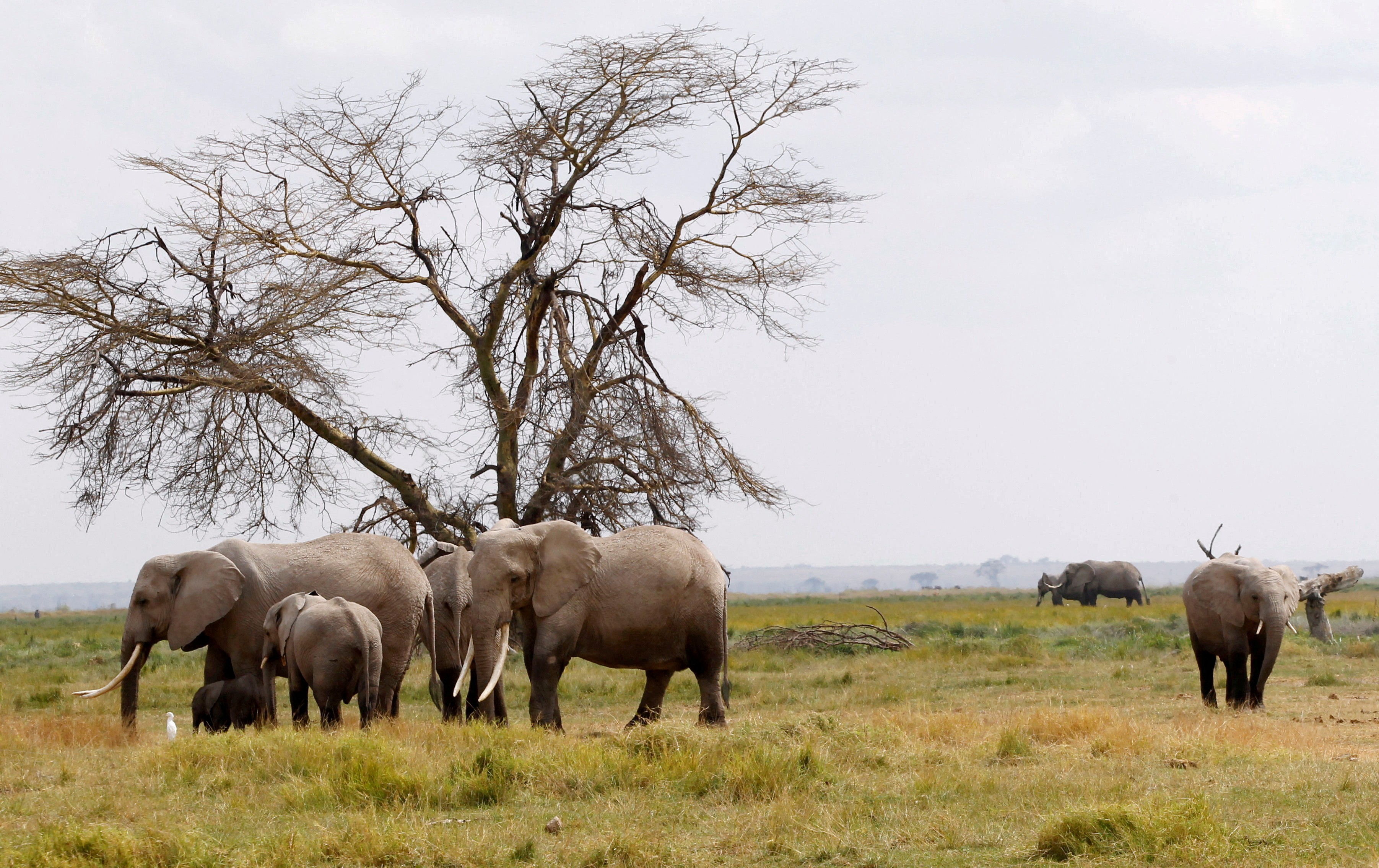
[1/2]Elephants graze at the Amboseli National park, Kenya August 8, 2020. REUTERS/Njeri Mwangi/File Photo Purchase Licensing Rights, opens new tab
The European Parliament called in October 2022 for a ban on the import of trophies derived from species listed by CITES, an international agreement that aims to ensure that trade in wild animals and plants does not threaten their survival.
EU law says an import permit is required for trophies of threatened or rare species, and checks should also be carried out on trophies from a wider range of wild animals.
Advertisement · Scroll to continueReport this ad
Ruud Tombrock, executive director at the Humane Society International, an animal protection organisation, said 25,000 animal trophies had been imported into the European Union from 2014 to 2022, of which about 500 were into Belgium.
“And those were trophies in particular from cheetahs, polar bears and the hippopotamus,” he said.
Tombrock said industry arguments that trophy hunting was essential for the conservation of species and that local communities benefited were wrong. Instead, he said it was often that healthy animals were taken out and the main beneficiaries were foreign nationals organising trips and local elites.

