Bird flu: Andhra Pradesh officials cull more birds, destroy eggs in Nellore

Sandeep Raghavan / TNN / Updated: Feb 18, 2024, 09:09 IST

SHARE https://timesofindia.indiatimes.com/city/amaravati/bird-flu-outbreak-in-nellore-hundreds-of-birds-culled-eggs-destroyed/articleshow/107789379.cms

AA+

TEXT SIZE

  • Small
  • Medium
  • Large

FOLLOW US

New For You

Hundreds of birds culled and eggs destroyed in Nellore due to bird flu. Restaurants instructed not to serve chicken dishes. Special check posts set up to curb transport of poultry birds. Disease successfully contained in Nellore, no reports of outbreak in other areas.

Read More
Bird flu: Andhra Pradesh officials cull more birds, destroy eggs in Nellore

Though no new bird flu cases have been reported in the district, authorities are on high alert to ensure that the flu does not spread to neighbouring districts

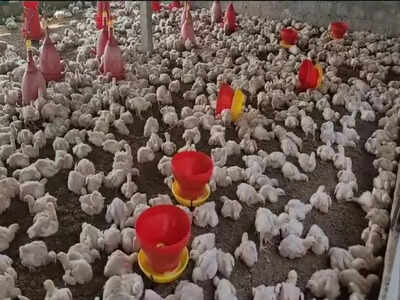
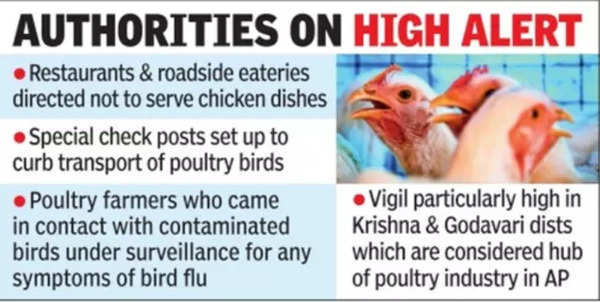
TIRUPATI: Officials culled hundreds of birds and destroyed huge quantity of eggs in the bird flu-affected areas of Nellore on Saturday. Notices have been served to restaurants and roadside eateries not to serve chicken dishes. Special check posts have also been set up to curb the transport of poultry birds.
Andhra Pradesh Bird flu

Though no new bird flu cases have been reported in the district, authorities are on high alert to ensure that the flu does not spread to neighbouring districts.

TOP PICKS FOR YOU

story

Kangana Ranaut appreciates Aishwarya Rai’s ‘divine beauty’; netizens REACT – See post

story
icon

Kangana Ranaut was asked whether she has ‘any plans to become Prime Minister of India’; here’s her reply

While vigil on poultry farms across the state has been intensified, poultry farmers who came in contact with the contaminated birds are also under surveillance for any symptoms as the bird flu variant H5N1, which is currently in circulation, is known to cause human infections too.


BY TABOOLA 

SPONSORED LINKS 

YOU MAY LIKE

Chuck Norris: This Morning Routine Transformed My HealthRoundhouse Provisions

The vigil is particularly high in Krishna and Godavari districts which are considered the hub of poultry industry in the state. Officials told STOI that they could contain the spread of bird flu in Nellore as the disease broke out in backyard poultry farms and not in large commercial farms. More birds have been culled and people warned against venturing into poultry farms as a precautionary measure.
Avian influenza H5N1 cases were reported from Chatagutla in Podalakur and Gummaladibba in Kovur mandals on February 7. Nellore district collector M Harinarayana said the disease has been successfully contained from spreading to other areas.

“We have contained the outbreak in both villages. There have been no reports of outbreak anywhere else in the district. Sanitation measures have been completed. As a precautionary measure, medical teams are visiting all houses to rule out any human infections,” Harinarayana told STOI.
All meat and chicken shops within 1km radius of epicentre shut for 3 months
Poultry industry was established in 1978 in Nellore. Most of the farms are located in Buchireddypalem, Venkatachalam, Kovur, Patur, Kothur, Narukur, Podalakur and Allipuram mandals. Dr B Maheshwarudu, joint director of animal husbandry for Nellore, told STOI that though the outbreak of the bird flu is alarming, the damage done is quite limited as there is no commercial poultry operation in both affected villages. Officials earlier shut down all meat/chicken shops within a 10km radius from the villages for three days and for three months in all villages and towns within 1 km radius of the epicentre.

Bird Flu Crisis Threatens UK Seabirds and Impacts Wildlife Across the Globe

The avian world faces a severe crisis due to HPAI, or bird flu, which is decimating seabird populations. Slow-breeding species are struggling to recover, prompting urgent calls for action from scientists and conservationists. The situation is particularly critical in the UK and South Georgia, where various species, including the wandering albatross and great skuas, are experiencing significant losses.

Mahnoor Jehangir

 20 Feb 2024 06:01 EST

 Updated On 20 Feb 2024 06:03 EST

https://bnnbreaking.com/wildlife/bird-flu-crisis-threatens-uk-seabirds-and-impacts-wildlife-across-the-globe

 Follow Us

Bird Flu Crisis Threatens UK Seabirds and Impacts Wildlife Across the Globe

In a startling revelation, the avian world is facing a severe crisis that could reshape coastal ecosystems in the UK and beyond. The culprit, Highly Pathogenic Avian Influenza (HPAI), commonly known as bird flu, has been decimating seabird populations over the last two years, with slow-breeding species grappling to recover from significant losses. This grim situation has sparked deep concern among scientists and conservationists, who are now calling for immediate action to mitigate the unfolding ecological disaster.

The Unseen Battle of Our Seabirds

The British Antarctic Survey (BAS), in collaboration with the Government of South Georgia and South Sandwich Islands, has been closely monitoring the impact of HPAI on wildlife. Notably, the disease has been detected in various seabird and seal populations on the sub-antarctic islands of South Georgia. Affected species include the wandering albatross, elephant seals, fur seals, brown skuas, kelp gulls, and Antarctic terns. In the UK, a new study produced by the RSPB, in collaboration with other organizations, paints a bleak picture. The study reveals that populations of nine out of 13 surveyed seabird species have decreased by more than ten percent since 2015, with great skuas experiencing a staggering 76 percent population decline in 2023 alone. This loss is largely attributable to bird flu, marking a critical point for the survival of these species.

Global Impact and Conservation Efforts

While the UK and the sub-antarctic islands face the brunt of the HPAI outbreak, the disease’s impact stretches across the globe. In Luxembourg, the common tern, known for its migratory pattern between Europe and the sunny coasts of Africa, has been designated as the bird of the year for 2024 by natur&ëmwelt Asbl. This initiative, supported by collaborations with the National Museum of Natural History and the Ministries of Environment, Climate and Biodiversity, and Education, Children and Youth, aims to promote awareness and appreciation of the common tern among the youth. Efforts to conserve the species, such as providing floating breeding rafts at the Biodiversum nature centre at Haff Réimech since 2017, highlight the importance of maintaining natural habitats for their survival amidst the avian flu pandemic.

The Path Forward: Conservation and Awareness

The ongoing battle against HPAI underscores the critical need for concerted conservation efforts and increased public awareness. As the bird flu crisis continues to threaten biodiversity and disrupt ecosystems, the role of education and community involvement in conservation becomes ever more crucial. By fostering a deeper understanding and appreciation of our feathered friends, especially among the youth, there is hope for not only mitigating the current crisis but also for safeguarding the future of avian populations worldwide. The fight against bird flu is not just a battle for the survival of specific species; it’s a fight to preserve the intricate balance of our natural world.

Bobcat, hawks test positive for avian flu in Cornwall

  • By Cherise Forbes, Manchester Journal
  • Feb 19, 2024 Updated Feb 19, 2024
Avian Influenza
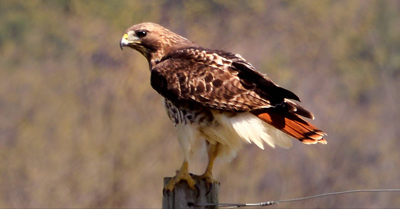
Though three cases of avian influenza were recently detected in Addison county, local Game Warden Kyle Isherwood urges precautions over panic.BANNER FILE PHOTO

Don’t miss the big stories. Like us on Facebook.  

https://www.manchesterjournal.com/health/bobcat-hawks-test-positive-for-avian-flu-in-cornwall/article_df7359ce-cf60-11ee-807c-97e73ad8d1d0.html

https://www.facebook.com/v6.0/plugins/like.php?action=like&app_id=2257877631166536&channel=https%3A%2F%2Fstaticxx.facebook.com%2Fx%2Fconnect%2Fxd_arbiter%2F%3Fversion%3D46%23cb%3Df3818c5f76b84b8%26domain%3Dwww.manchesterjournal.com%26origin%3Dhttps%253A%252F%252Fwww.manchesterjournal.com%252Ff3e3ee6bc18d77%26relation%3Dparent.parent&container_width=709&href=https%3A%2F%2Fwww.facebook.com%2Fmanchesterjournal%2F&layout=button_count&locale=en_US&sdk=joey&share=false&size=small&width=

MANCHESTER — The Vermont Department of Fish and Wildlife announced on Friday that a deceased bobcat and two red-tailed hawks in Cornwall – less than 90 minutes from Manchester Center – tested positive for highly pathogenic avian influenza (HPAI) virus.

According to the Centers for Disease Control and Prevention (CDC), only some strains of avian influenza are considered “highly pathogenic,” marked by severe disease and high mortality in infected poultry.

The lab results showing HPAI were delivered to the Department of Fish and Wildlife on Thursday, Feb. 15. The Department is now anticipating the results of a second test to confirm the results, which could take “several weeks.”

https://22b71f3166b77244bd83e24bf5f21482.safeframe.googlesyndication.com/safeframe/1-0-40/html/container.html

“Our recommendations to Vermonters are the same as they’ve been since HPAI was first detected in our state – mainly, to avoid direct contact with wild birds,” said David Sausville, Wildlife Management Program Manager with the Vermont Fish and Wildlife Department.  “Observe wild birds only from a distance and practice good hygiene around domestic fowl.  Practice good biosecurity by keeping domestic fowl and other pets away from areas where wild birds gather, like bird feeding stations or duck ponds.”

Though HPAI has been circulating in the state since 2022, the infected bobcat is the first case of HPAI virus in a mammal from Vermont. Though transmission to mammals is uncommon according to the Department of Fish and Wildlife, other cases have also been reported in multiple states including New York and Connecticut. 

Within Vermont, HPAI has been detected in both wild and domestic birds over the past two years. As of Monday, Feb. 19 the Department of Fish and Wildlife reported 72 wild birds infected with HPAI in Vermont on its website. Previously infected birds include red tailed hawks like the two found in Cornwall, Canada geese, wood ducks, mallards, black ducks, turkey vultures, and bald eagles. Two outbreaks among domestic fowl have occurred in Caledonia and Lamoille counties, with both flocks being depopulated. 

Game Warden Kyle Isherwood has served the towns of Manchester, Dorset, Peru, Winhall, Stratton, Weston, Landgrove, Londonderry, Jamaica, Andover, Windham and Townshend for seven years. During this time, Isherwood says that he has submitted avian influenza cases for testing, though none have come back positive. 

Even with the first mammal fatality in Vermont, Isherwood said that there is no cause for alarm. 

“Birds have wings and can fly anywhere they want, so I don’t think that this positive case out of Addison County changes much,” he said. “As long as everyone takes some simple precautions, there is a low chance of this affecting humans.”

Cat dies after getting caught in illegal gin trap

1 day agoShare https://www.bbc.com/news/uk-england-lincolnshire-68350768

By David McKennaBBC News

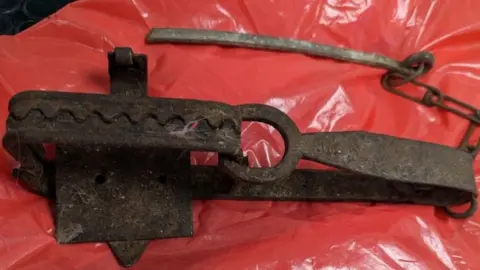
RSPCA TrapRSPCAGin traps have been illegal to use in the UK since 1958, although some are still being set to catch animals such as rabbits and foxes, according to the RSPCA

A cat had to be put down after getting caught in an illegal trap in Lincolnshire, the RSPCA has said.

The animal was found in a garden in Argyle Street, Boston, with a rusted gin trap clamped around her back leg.

The trap had caused such extensive damage it was decided the kindest option was to put the animal to sleep.

The charity, which believes the cat encountered the gin trap in a different garden to where it was found, has launched an investigation.

‘Cruel and barbaric’

RSPCA Inspector Laura Jones said: “The injuries this poor cat sustained by this barbaric illegal gin trap were just horrific and she must have been in so much pain.

“She managed to get into the garden with this trap attached to her leg – and the worried member of the public rushed her straight to a nearby vet.

“Sadly, the injuries she sustained were just too devastating and the independent vet made the decision to put her to sleep to prevent her suffering further.”

https://7fa7aedf802197dacc5f68eec3047b68.safeframe.googlesyndication.com/safeframe/1-0-40/html/container.html

The RSPCA said it was not known who owned the young adult female grey tabby cat as she was not microchipped.

“She had been visiting the homeowner’s garden in recent weeks and they had kindly given her food as they thought she was a stray,” Ms Jones added.

Evie Button, from the RSPCA’s wildlife department, said gin traps were “cruel and barbaric”.

“They are totally indiscriminate in nature, and we are extremely concerned that someone has set one in a residential area,” she added.

https://www.bbc.com/news/uk-england-lincolnshire-68350768