To combat cow flu outbreak, scientists plan to infect cattle with influenza in high-security labs
Reply

Montana Stockgrowers Association seeks to intervene in lawsuit to keep coyote trapping and snaring legal.
by Amanda Eggert05.08.2024
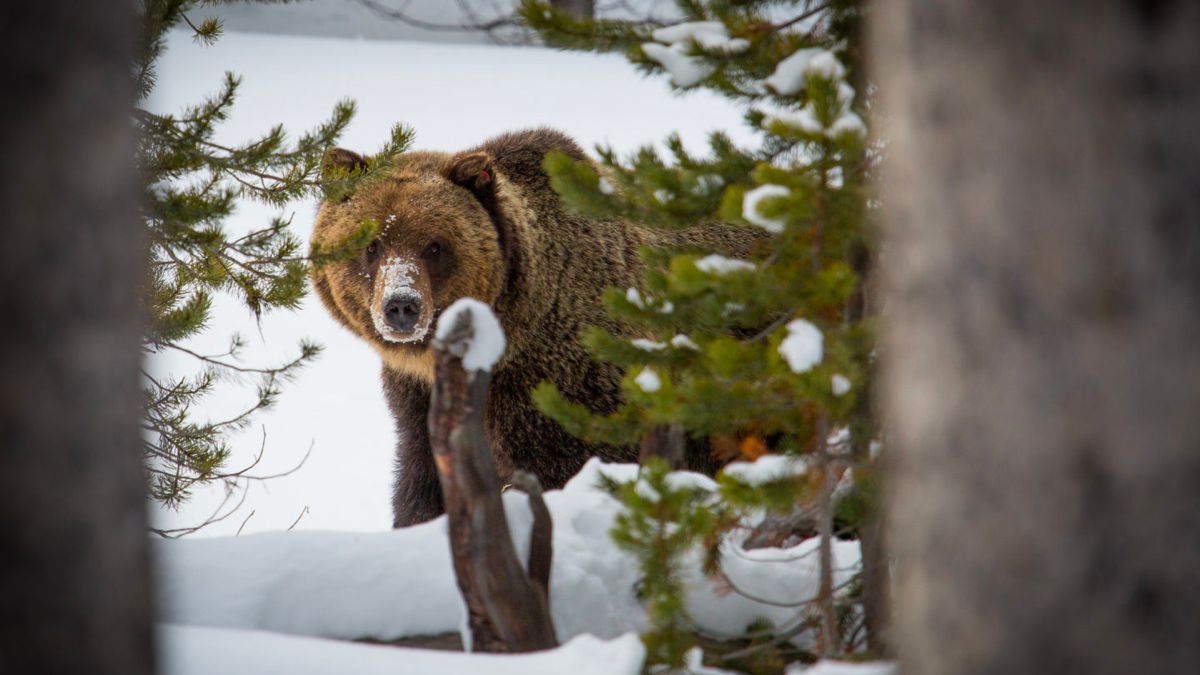
The Montana Stockgrowers Association wants to intervene in a lawsuit that aims to reduce the unintentional trapping and snaring of federally protected grizzly bears.
The Flathead-Lolo-Bitterroot Citizen Task Force and WildEarth Guardians sued the state of Montana and the chair of the Montana Fish and Wildlife Commission in federal court last year to limit trapping and snaring of grizzlies during the months grizzlies are likely to be out of their dens. They argued that traps and snares set for animals have injured, and even killed, grizzly bears on more than 20 occasions since 1988. Grizzly bears are currently protected under the Endangered Species Act, though the U.S. Fish and Wildlife Agency is weighing a petition to delist Northern Continental Divide Ecosystem and Yellowstone grizzlies.
The groups filed a motion for a preliminary injunction to reduce the 2023-2024 wolf trapping and snaring seasons established by the governor-appointed Fish and Wildlife Commission. U.S. District Court Judge Donald Molloy granted the preliminary injunction in November, effectively halving the 2023-2024 wolf-trapping season in occupied grizzly habitat.
MSGA said it filed a motion to intervene this week after the plaintiffs amended their original lawsuit to include restrictions on the trapping and snaring of coyotes.
MSGA, which coordinated its efforts with the Montana Wool Growers Association and the Montana Farm Bureau Federation, argues that restricting coyote trapping and snaring would curb ranchers’ ability to control a particularly lethal predator for cattle and sheep.
“MSGA believes this lawsuit will have implications for livestock producers in Montana and potentially states across the West where grizzly bears exist,” MSGA Executive Vice President Raylee Honeycutt said in a press release. “Coyote trapping and snaring are proven methods for controlling one of the most damaging livestock predators. MSGA believes protecting this management tool is crucial for Montana’s ranching industry to continue to protect their livestock.”

Gov. Greg Gianforte’s office announced today that the state is petitioning the U.S. Fish and Wildlife Service to remove Endangered Species Act protections for grizzly bears in the Northern Continental Divide Ecosystem, citing robust population counts and touting the state’s ability to independently manage Montana’s grizzly bears, which have been federally protected since 1975.
by Amanda Eggert12.06.2021
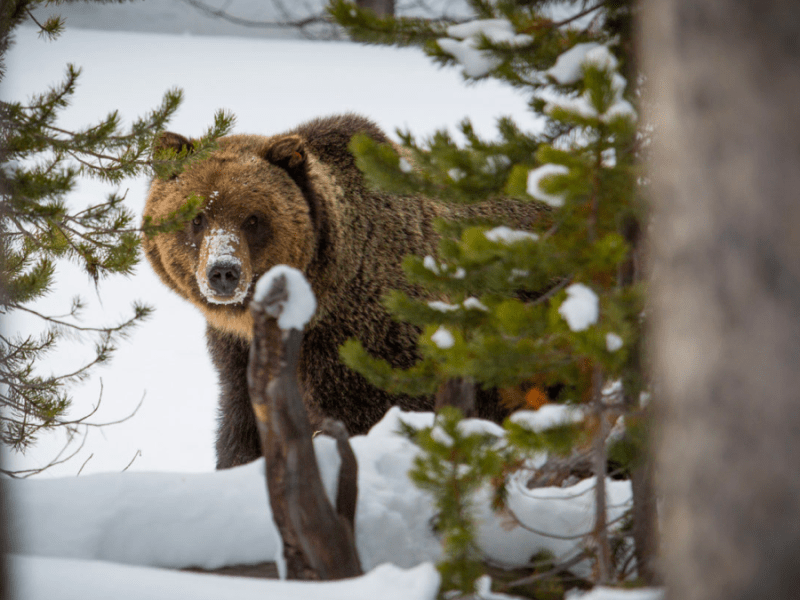
The agency’s announcement was welcomed by Republican officials, who’ve long sought to restore management of grizzly bears to state agencies. Environmentalists questioned whether USFWS is fulfilling the mandates of the Endangered Species Act and cast doubt on Montana’s ability to manage grizzlies sustainably.
by Amanda Eggert02.03.2023

In a 25-page order, U.S. District Court Judge Donald Molloy wrote that the Flathead-Lolo-Bitterroot Citizen Task Force and WildEarth Guardians established “a reasonably certain threat of imminent harm to grizzly bears should Montana’s wolf trapping and snaring seasons proceed as planned.”
by Amanda Eggert11.22.2023
In a declaration filed with the court, Honeycutt said that neck snares and foothold traps are the most prevalent tools used to limit depredation by coyotes, that snares are sized specifically to target coyotes, and that MSGA members use coyote depredation traps that are too small to catch or hold grizzly bears. Honeycutt also said that her organization has never received a report of one of its members capturing a grizzly bear in a snare set for a coyote.
In a request for summary judgment the plaintiffs filed on April 15, the conservation groups argued that traps and snares are by design “indiscriminate” in that they can kill the animals intended as well as those that are not intended. While coyote traps may be smaller, they are “often as powerful as wolf traps and can cause the same or similar injuries to grizzly bears as wolf traps,” the plaintiffs argued. The plaintiffs wrote that there have been six verified instances of grizzly bears caught in coyote traps since 2010, and such incidental captures likely result in bears losing their toes or feet.
Under current regulations, coyote trapping is allowed year-round in Montana.
Other groups that have requested, successfully, to intervene in the lawsuit include the Montana Trappers Association and the Outdoor Heritage Coalition, a nonprofit 501(c)(4) that lobbies on behalf of its members’ interests, such as protecting “consumptive use of our natural resources.”
An oral argument for the lawsuit is scheduled for June 25 in Missoula.

Unlike the rest of modern wildlife management, killing bobcats is unregulated, driven not by science but by fur prices. We’re stuck in the 19th century when market hunters, for example, shot boatloads of waterfowl with 10-foot-long, 100-pound “punt guns.”
Now, there’s a campaign in Colorado — via a November 2024 ballot initiative — to ban hunting and trapping of bobcats, Canadian lynx and mountain lions — though lynx are already listed by the state as endangered and supposedly protected.
As a lifelong hunter and angler, I’m told by a group called the Sportsmen’s Alliance that it’s my duty to defend bobcat trapping and hunting against such “antis” as those pushing the ballot initiative.
But a true sportsmen’s alliance of ethical hunters — Teddy Roosevelt, George Bird Grinnell, William Hornaday, Congressman John Lacey and other Boone and Crockett Club members — got most market hunting banned in 1918.
It persists today as commercial trapping and hunting of bobcats. Ethical hunters eat what they kill. Bobcat trappers and hunters discard the meat and sell the pelts, mostly for export to China and Russia.
Yet the Sportsmen’s Alliance warns me that, after bobcat trapping gets banned, “hunting … and even fishing are the next traditions in the antis’ crosshairs.”

I don’t buy it. I’ve heard this mantra since the 1970s, including from my then-colleagues at the Massachusetts Division of Fisheries and Wildlife who, like me, were fed and clothed by fishing, trapping and hunting license dollars.
This from veteran bobcat researcher Dr. Mark Elbroch of the native cat conservation group Panthera: “Colorado treats bobcats pretty much like they’re treated throughout the West” (except for California where killing is banned without a special permit).
“There are hardly any regulations in any state. There are no bag limits, and no data on how many are out there. The hunting community gets super excited about what it calls the ‘North American Model of Conservation,’ and one of the tenets is you don’t kill for profit or trade,” Elbroch continued. “Trapping violates that model in every way. Bobcat trapping is the extreme — selling fur for luxury items. It’s sickening.”
From December through February, Colorado bobcat hunters and trappers may kill as many bobcats as they please. And hunters are permitted to pursue bobcats with hounds, an inhumane practice for both cats and hounds.
Bobcat traps are also unselective, catching other species such as Canadian lynx, raptors, otters, foxes, martens, badgers, opossums and skunks. “Lynx, a close relative to bobcats, are naturally attracted to bait set for bobcats and are harmed, injured or killed when caught in traps,” said Colorado veterinarian Christine Capaldo.
Colorado Parks and Wildlife attempts to rebut such reports with: “No lynx in Colorado has ever been reported as accidentally trapped by bobcat fur harvesters.” Of course not. What bobcat trapper would jeopardize permissive regulations by filing such a report?
So, in addition to an estimated 2,000 bobcats, how many non-target animals are killed by the roughly 4,000 bobcat traps set annually in Colorado? No one has a clue.
Colorado requires “humane,” live traps. But they’re scarcely more humane than legholds and even less humane than quick-kill conibear traps.
During winter, bobcats keep warm by finding shelter. In live traps they’re immobilized and exposed to cold, rain, snow and wind. Traps must be checked every 24 hours, but there’s virtually no enforcement, so live-trapped bobcats sometimes suffer for days. When traps do get checked bobcats get bludgeoned or strangled.
Before European contact, bobcats prospered throughout what are now the contiguous states. Caucasian immigrants quickly set about rectifying this with an all-out war on the species, behavior that flabbergasted the Indigenous — and for which their only explanation was that the “pale faces” were insane. By the early 20th century, bounties and government control had extirpated bobcats from much of the U.S.
Now bobcats are slowly recovering in every contiguous state, save Delaware. That’s an excellent reason not to kill them.
Bobcats belong to all Americans, the vast majority of whom prefer them alive. But they’re managed for the very few people who kill them for profit. And from a strictly financial perspective, live bobcats are more valuable than dead ones.
A study published in 2017 in the Biodiversity and Conservation journal based on money spent by wildlife photographers, set the value of a single live bobcat at $308,000. Today the average bobcat pelt fetches $100.
May 07, 2024 | 10:14 am ET
By Emma Cotton
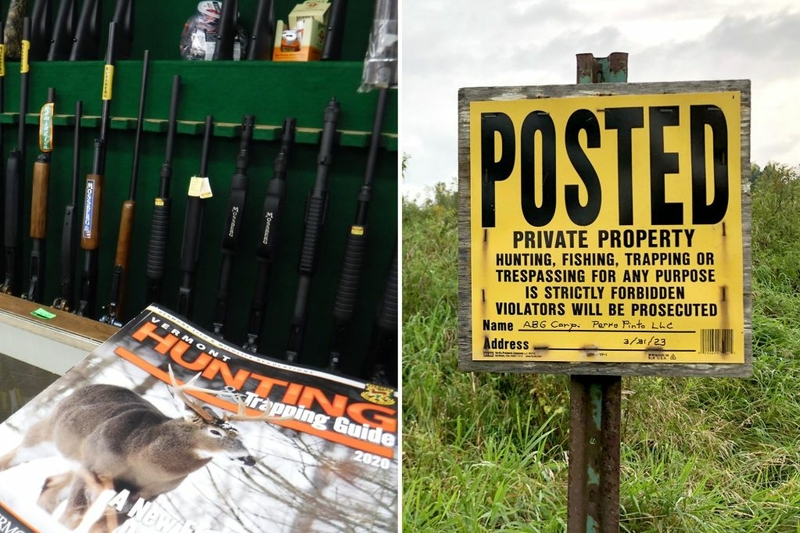
Description
A sporting goods store display, left, and posted sign. Photos by Kevin O’Connor and Natalie Williams/VTDigger
This is the first story in a two-part series that examines the increasingly inflamed debate about wildlife management in Vermont. Part I of the series looks at the voices that are most often heard in the Legislature and in Vermont media. Part II analyzes the opinions of the broader public and asks whether it’s possible to find common ground.

MONTPELIER — In early April, more than a dozen people stood at one end of a carpeted room in the Statehouse holding signs with slogans such as “hunting coyotes with hounds IS legalized dog fighting” and “all voices matter.”
At the other end of the room stood Mike Covey, executive director of the Vermont Traditions Coalition, which advocates for rural interests in the Statehouse. He was observing and sometimes recording video. Two reporters stood in the middle, the only other people in the room.
Brenna Galdenzi, who was standing among the group holding signs, addressed the room.
“I just want to take a minute to say that (we) are not animal rights terrorists, extremists. We are not ‘antis.’ We are not invasive species taking over Vermont,” said Galdenzi, president of Protect Our Wildlife, a Stowe-based organization that has advocated for increased hunting regulations.
Her ad-libbed comments at the press conference, held to support a bill related to wildlife management, show how polarized conversations about wildlife management have become. Across Vermont, people’s experiences and views related to wildlife come in shades of gray. But at the Statehouse and in the press, they often appear in black and white.
In the Legislature, much of the conversation has been focused on the membership of the Fish and Wildlife Board. Currently, its 14 citizen members, appointed by the governor, create and approve all of the hunting, trapping and fishing regulations for Vermont’s game species. The board is typically made up of active hunters, trappers and anglers.
As wildlife adapts to stressors such as climate change and habitat loss, a growing range of people want to see the animals’ needs prioritized over those of hunters. They argue that the board unfairly prioritizes the interests of hunters, who represented about 10% of Vermont’s population in 2023, according to data from the Vermont Fish & Wildlife Department.
In the past few years, the dispute has become increasingly pitched. Some influential lawmakers have moved to address that perceived disparity, along with complaints about the impacts of certain hunting and trapping practices on landowners.
Their proposals have raised the hackles of many hunters and trappers, who defend the current composition of the board and see ongoing debate as a threat to their way of life.
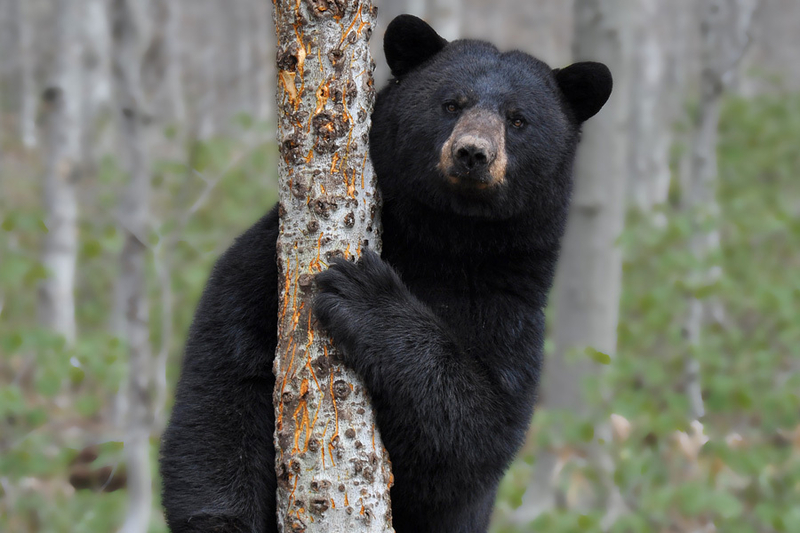
This legislative session, the conversation has focused on S.258, a bill that would significantly tweak Vermont wildlife management by adding two new members to the Vermont Fish and Wildlife Board whose primary backgrounds would not likely be hunting and trapping. The bill would also ban the controversial practice of hunting coyotes with hounds.
Perhaps most significantly, S.258 would shift rulemaking authority from the board to the Vermont Fish & Wildlife Department. Staffed with 150 people, many of whom are wildlife biologists, the department currently provides advice and recommendations to the board, which are largely accepted.
When the bill reached the Senate floor earlier this year, Sen. Russ Ingalls, R-Essex, told lawmakers that the measure is “the biggest anti-hunting bill that’s ever reached the Senate, in my opinion.”
“If this bill passes, this is the end of hunting as we know it in the state of Vermont,” Ingalls said.
Ingalls and other opponents of the bill argue that people who hunt, trap and fish have the appropriate experience to craft regulations related to those activities.
Vermonters who have grown up in a hunting culture often describe the potential for humans to be a healthy part of the ecosystem. Hunting has the capacity not only to provide food for families and protection of people and property, but also to serve as a valuable wildlife conservation tool, they argue.
Additionally, hunters express concern about newcomers to Vermont who have had the resources to buy land that is rapidly growing more expensive. They feel that those new residents are sometimes advocating for change before understanding the cultural nuances of their new home.
“It’s been expressed recently that some folks on that side feel it’s a culture war,” said Covey, of the Vermont Traditions Coalition. “And I would agree with that.”

This framing troubles Sen. Chris Bray, D-Addison, the lead sponsor of S.258. Bray said he’s been concerned “about not wanting this to become so divisive that it would fracture community, because I think that it’s something we have in Vermont still.”
The bill cleared the Senate in March with enough votes to override a likely veto from Gov. Phil Scott, but it appears support is waning in the House, where it’s currently in the hands of the Energy and Environment Committee. On Wednesday, Rep. Amy Sheldon, D-Middlebury and the committee’s chair, indicated that the House may not have enough votes to override a veto.
“We’re not going to move it if it doesn’t look like it has a future,” Sheldon said in an interview on May 1.
In 2022, the Legislature passed a bill that banned wanton waste of wildlife, requiring humans to eat, mount or skin all animals killed through hunting or trapping, except coyotes. It took three years to push that change through, Sheldon said.

“I think we took some very helpful testimony on this — even though we have stopped taking testimony — in terms of, what are the things that people are afraid of in this conversation? And how do we address those the next time we bring it up?” Sheldon said.
The North American Model of Wildlife Conservation, which guides state wildlife agencies in the U.S., is based in part on the Public Trust Doctrine. The legal premise holds that natural resources, including fish and wildlife, are not owned by any particular entity, but rather held in trust for present and future generations by state and federal governments. In short: Wildlife belongs to all people.
But what does it mean to hold wildlife in public trust when the public can’t agree about how to manage it? Vermont is not alone in contemplating this question. Washington, Oregon, Colorado, New Mexico and Arizona are among the states engaged in similar debates.
“These changing attitudes and cultural interests related to wildlife conservation seem to be playing out across the country,” said John Austin, who directs the Wildlife Division at the Vermont Fish & Wildlife Department.
In Washington state, Kim Thorburn, an avid birdwatcher, made headlines in 2023 when Gov. Jay Inslee did not reappoint her to the state’s Fish and Wildlife Commission. He had expected her to advocate against certain hunting policies, but Thorburn surprised him when she defended them, she told VTDigger. She served on the commission for eight years, but in the last two, the panel became “absolutely packed and overrun” with animal welfare advocates, she said.
The opposite situation appears to have occurred in Colorado. Gary Skiba, who was appointed to that state’s commission by Gov. Jared Polis in July 2023, relinquished his seat in March after it looked unlikely that the Colorado Senate would approve his appointment. A former wildlife program manager for an environmental group and state wildlife biologist, he was opposed by “a growing chorus of recreation and hunting groups — along with commissioners in the hunter-reliant counties of Grand and Teller,” according to the Colorado Sun.
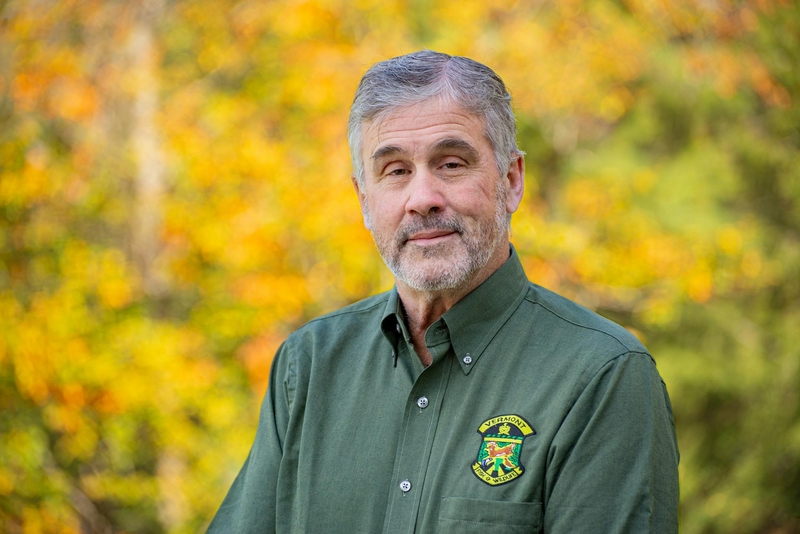
In Vermont, staff at the Fish & Wildlife Department said that they often feel caught in the middle between people who want to protect the right to hunt and people who argue for more hunting regulations. Asked what the department’s mission might say about the divide, Commissioner Chris Herrick referenced the Public Trust Doctrine.
“We hold all wildlife in trust for everyone, and for future generations,” he said. “That’s it.”
Galdenzi, from Protect Our Wildlife, is far from the only person in Vermont who wants to see more restrictions on hunting and trapping. Organizations such as Vermont Wildlife Patrol, Animal Wellness Action, the Humane Society and Project Coyote are all active in advocating for updated wildlife policies in the Green Mountain State.
But when hunters speak about the animal welfare movement — and when reporters in Vermont document it — Galdenzi’s name is often the one that surfaces.
A photo of a trapped bobcat, its paw crushed and bloody, sparked the fire for Galdenzi, she said. She was volunteering for a group called Green Mountain Animal Defenders in 2010, which was focused on banning trapping, she said. Soon after, she founded Protect Our Wildlife.
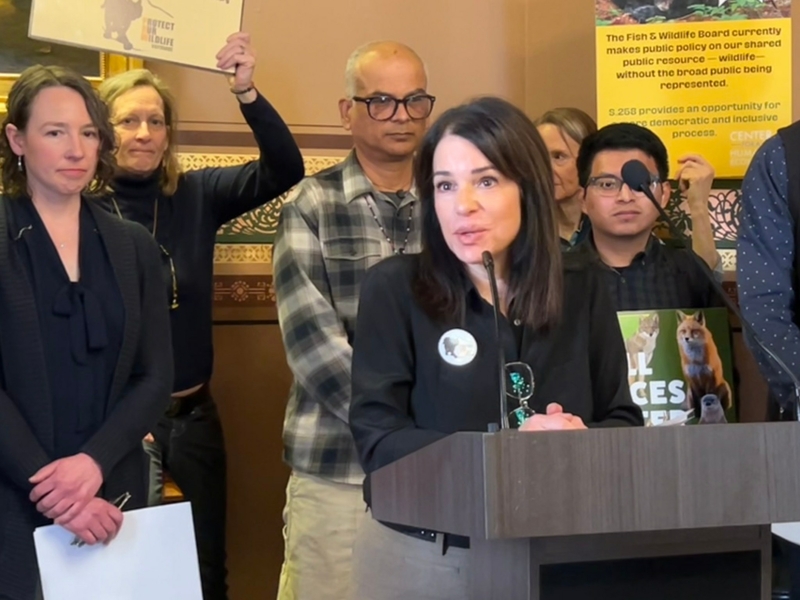
“It caused me to go on this path of like — no, this is inflicting prolonged suffering to an animal. This is not hunting. This is animal cruelty,” she told VTDigger in an interview.
People have become proponents for change in Vermont’s wildlife management for a variety of reasons.
Some are concerned about non-target species and pets that have been killed in traps (though at least some of these instances have occurred because of traps that were set illegally). Others are fed up with the behavior of hunting dogs, who have traversed onto posted property. Collectively, they feel the board is not open to addressing their concerns.
“I have seen folks excited to get involved with wildlife management, and to share their knowledge and experience with the board, and then give up and not attend meetings in the future because they feel that their voices are not heard, and their perspectives are not valued by the current system,” said Bob Galvin, the Vermont state director for the nonprofit Animal Wellness Action and the Center for a Humane Economy, at the April press conference.
Over time, as Galdenzi and other advocates have taken their concerns to the Vermont Fish and Wildlife Board, they describe meeting repeated obstacles.
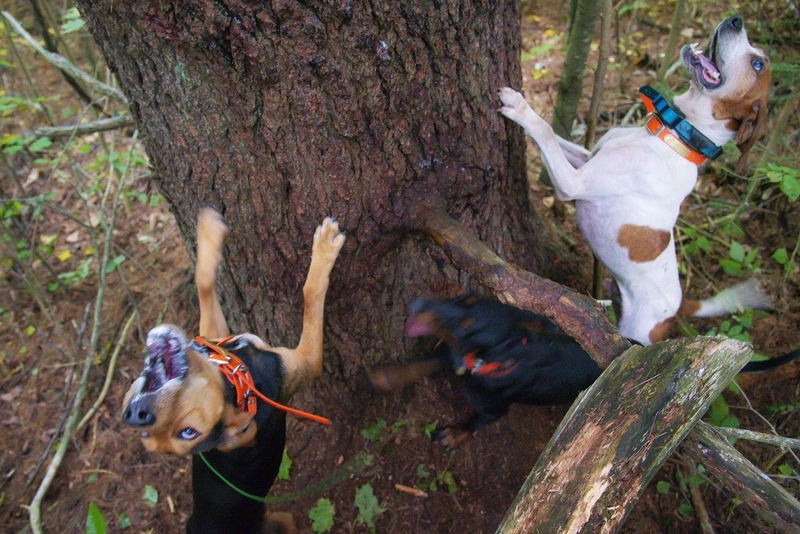
Galdenzi said she has petitioned the board twice for regulated coyote seasons — currently, the animals can be hunted every day of the year. She pointed to studies that show that coyote populations stay stable even when humans try to manage them. Nothing came of the efforts, she said.
“The system right now is just impenetrable,” she said.
Asked about the petition for coyote seasons, Herrick, the commissioner of the Vermont Fish & Wildlife Department, said the internal conversation about how to advise the board on petitions “always ends up being a serious discussion.”
Staff at the department look at a number of factors, including the impacts on both the wildlife and on humans. “It’s not a 10-minute meeting with a few people. Oftentimes, we’ll say we’re gonna take a month, maybe two months to really dig into this,” he said.
Those who are frustrated with the system feel that the department, despite its deliberations, still does not consider the merits of their arguments.
Indeed, Herrick himself told lawmakers at a Senate Natural Resources and Energy Committee hearing in February that “hearing every voice does not mean doing everything they say.”
“I’ve used this example, and I don’t mean it to be condescending in any way, but I have kids that are grown up now,” he said. “I certainly listened to them growing up, but I didn’t do what they said every time because they weren’t always right.”
Galdenzi and others said that feeling unheard is what led them to bring their ideas to lawmakers in the Statehouse, who were more receptive.
Bray, who chairs the Senate Natural Resources and Energy Committee, told VTDigger that “folks who are oriented to animal welfare have been the folks who have come forward” to talk about a variety of issues since he started in the Legislature in 2007.
“It made me think about things I hadn’t thought about before,” he said.
Bray has also adjusted bills based on feedback from the hunting community, he said. He used an example from 2022, when lawmakers in Bray’s committee introduced a trio of bills that, together, would have banned leghold traps and hunting coyotes with hounds while stripping the board of its authority to make regulations, leaving it with only advisory power.
After hearing a large volume of testimony from hunters and trappers, lawmakers rolled the bills back. The version that became law required the board to create new rules for coyote hounding and trapping.
Last summer, the Fish and Wildlife Board completed that process, submitting the new rules to the Legislative Committee on Administrative Rules (LCAR), which is charged with approving state regulations created by the executive branch.
Then came more controversy: Members of LCAR, including Bray, made four objections to the rules, saying they didn’t meet the law’s intent. For example, they argued that a new rule to require GPS collars on hunting hounds still wouldn’t give hunters enough control over their dogs to effectively avoid conflicts with landowners.
Members of the Fish and Wildlife Board voted to pass the rules anyway — prompting a lawsuit from Protect Our Wildlife. While a judge denied the organization’s request for immediate action, the case remains pending.
With his concerns still unresolved after the yearslong process, Bray responded with S.258.
In practice, the bill would alter the makeup and authority of the Fish and Wildlife Board, establish criteria for board members and ban coyote hunting with hounds. But both parties see a larger meaning in the bill: evidence that the other side was unwilling to compromise.
To Bray, it feels like “a Rorschach test, in that what people see in it is what they bring to it.”
Many of the concerns that hunters and trappers have brought to him aren’t directly related to his proposal, he said.
“The response to the bill is not an entirely rational response. It’s an emotional response,” he said. “And the chief emotion I sense is fear. And I think that the fear part is a fear of loss of something.”
A strong early spring sun shone on the day of the bill supporters’ press conference, drawing people outside to bask on the front steps of the Statehouse, including Bray, who sat to take a rest amid a packed meeting schedule. Covey, with the Vermont Traditions Coalition, eyed Bray warily as Covey sat to answer a reporter’s questions.
MIT CSAIL and Project CETI researchers reveal complex communication patterns in sperm whales, deepening our understanding of animal language systems.
Rachel Gordon | MIT CSAIL
https://news.mit.edu/2024/csail-ceti-explores-sperm-whale-alphabet-0507
Publication Date:
May 7, 2024
Caption:
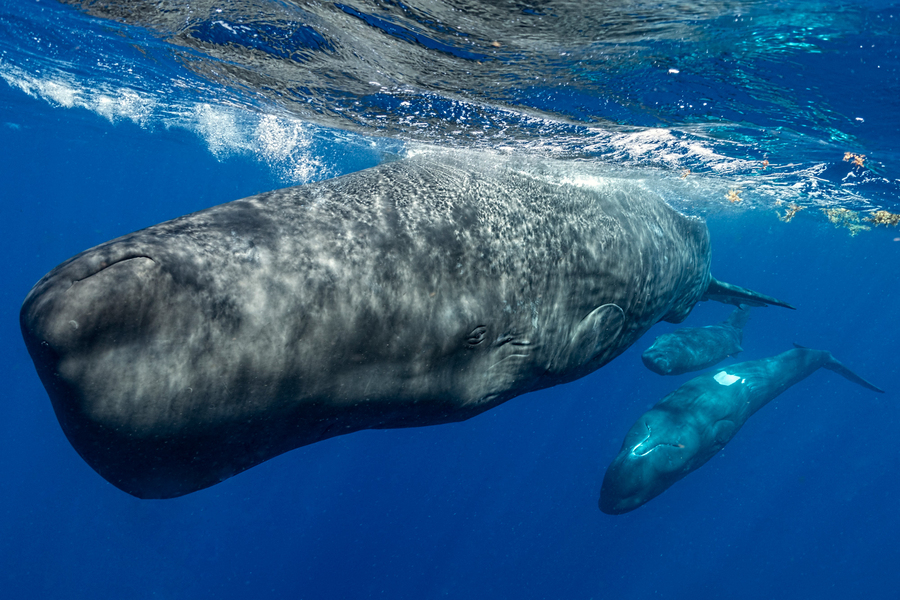
Using machine learning, MIT CSAIL and Project CETI researchers revealed complex, language-like structure in sperm whale communication with context-sensitive and combinatorial elements.
Credits:
Photo: Amanda Cotton

Caption:
“Our findings indicate the presence of structured information content and also challenges the prevailing belief among many linguists that complex communication is unique to humans,” says Daniela Rus. “Our next steps aim to decipher the meaning behind these communications and explore the societal-level correlations between what is being said and group actions.”
Credits:
Image: Alex Shipps/MIT CSAIL
Previous image Next image
The allure of whales has stoked human consciousness for millennia, casting these ocean giants as enigmatic residents of the deep seas. From the biblical Leviathan to Herman Melville’s formidable Moby Dick, whales have been central to mythologies and folklore. And while cetology, or whale science, has improved our knowledge of these marine mammals in the past century in particular, studying whales has remained a formidable a challenge.
Now, thanks to machine learning, we’re a little closer to understanding these gentle giants. Researchers from the MIT Computer Science and Artificial Intelligence Laboratory (CSAIL) and Project CETI (Cetacean Translation Initiative) recently used algorithms to decode the “sperm whale phonetic alphabet,” revealing sophisticated structures in sperm whale communication akin to human phonetics and communication systems in other animal species.
In a new open-access study published in Nature Communications, the research shows that sperm whales codas, or short bursts of clicks that they use to communicate, vary significantly in structure depending on the conversational context, revealing a communication system far more intricate than previously understood.
The Secret Language of Sperm Whales, Decoded
Video: MIT CSAIL
Nine thousand codas, collected from Eastern Caribbean sperm whale families observed by the Dominica Sperm Whale Project, proved an instrumental starting point in uncovering the creatures’ complex communication system. Alongside the data gold mine, the team used a mix of algorithms for pattern recognition and classification, as well as on-body recording equipment. It turned out that sperm whale communications were indeed not random or simplistic, but rather structured in a complex, combinatorial manner.
The researchers identified something of a “sperm whale phonetic alphabet,” where various elements that researchers call “rhythm,” “tempo,” “rubato,” and “ornamentation” interplay to form a vast array of distinguishable codas. For example, the whales would systematically modulate certain aspects of their codas based on the conversational context, such as smoothly varying the duration of the calls — rubato — or adding extra ornamental clicks. But even more remarkably, they found that the basic building blocks of these codas could be combined in a combinatorial fashion, allowing the whales to construct a vast repertoire of distinct vocalizations.
The experiments were conducted using acoustic bio-logging tags (specifically something called “D-tags”) deployed on whales from the Eastern Caribbean clan. These tags captured the intricate details of the whales’ vocal patterns. By developing new visualization and data analysis techniques, the CSAIL researchers found that individual sperm whales could emit various coda patterns in long exchanges, not just repeats of the same coda. These patterns, they say, are nuanced, and include fine-grained variations that other whales also produce and recognize.
“We are venturing into the unknown, to decipher the mysteries of sperm whale communication without any pre-existing ground truth data,” says Daniela Rus, CSAIL director and professor of electrical engineering and computer science (EECS) at MIT. “Using machine learning is important for identifying the features of their communications and predicting what they say next. Our findings indicate the presence of structured information content and also challenges the prevailing belief among many linguists that complex communication is unique to humans. This is a step toward showing that other species have levels of communication complexity that have not been identified so far, deeply connected to behavior. Our next steps aim to decipher the meaning behind these communications and explore the societal-level correlations between what is being said and group actions.”
Whaling around
Sperm whales have the largest brains among all known animals. This is accompanied by very complex social behaviors between families and cultural groups, necessitating strong communication for coordination, especially in pressurized environments like deep sea hunting.
Whales owe much to Roger Payne, former Project CETI advisor, whale biologist, conservationist, and MacArthur Fellow who was a major figure in elucidating their musical careers. In the noted 1971 Science article “Songs of Humpback Whales,” Payne documented how whales can sing. His work later catalyzed the “Save the Whales” movement, a successful and timely conservation initiative.
“Roger’s research highlights the impact science can have on society. His finding that whales sing led to the marine mammal protection act and helped save several whale species from extinction. This interdisciplinary research now brings us one step closer to knowing what sperm whales are saying,” says David Gruber, lead and founder of Project CETI and distinguished professor of biology at the City University of New York.
Today, CETI’s upcoming research aims to discern whether elements like rhythm, tempo, ornamentation, and rubato carry specific communicative intents, potentially providing insights into the “duality of patterning” — a linguistic phenomenon where simple elements combine to convey complex meanings previously thought unique to human language.
Aliens among us
“One of the intriguing aspects of our research is that it parallels the hypothetical scenario of contacting alien species. It’s about understanding a species with a completely different environment and communication protocols, where their interactions are distinctly different from human norms,” says Pratyusha Sharma, an MIT PhD student in EECS, CSAIL affiliate, and the study’s lead author. “We’re exploring how to interpret the basic units of meaning in their communication. This isn’t just about teaching animals a subset of human language, but decoding a naturally evolved communication system within their unique biological and environmental constraints. Essentially, our work could lay the groundwork for deciphering how an ‘alien civilization’ might communicate, providing insights into creating algorithms or systems to understand entirely unfamiliar forms of communication.”
“Many animal species have repertoires of several distinct signals, but we are only beginning to uncover the extent to which they combine these signals to create new messages,” says Robert Seyfarth, a University of Pennsylvania professor emeritus of psychology who was not involved in the research. “Scientists are particularly interested in whether signal combinations vary according to the social or ecological context in which they are given, and the extent to which signal combinations follow discernible ‘rules’ that are recognized by listeners. The problem is particularly challenging in the case of marine mammals, because scientists usually cannot see their subjects or identify in complete detail the context of communication. Nonetheless, this paper offers new, tantalizing details of call combinations and the rules that underlie them in sperm whales.”
Joining Sharma, Rus, and Gruber are two others from MIT, both CSAIL principal investigators and professors in EECS: Jacob Andreas and Antonio Torralba. They join Shane Gero, biology lead at CETI, founder of the Dominica Sperm Whale Project, and scientist-in residence at Carleton University. The paper was funded by Project CETI via Dalio Philanthropies and Ocean X, Sea Grape Foundation, Rosamund Zander/Hansjorg Wyss, and Chris Anderson/Jacqueline Novogratz through The Audacious Project: a collaborative funding initiative housed at TED, with further support from the J.H. and E.V. Wade Fund at MIT.
By Reuters
May 6, 20242:56 PM PDTUpdated a day ago
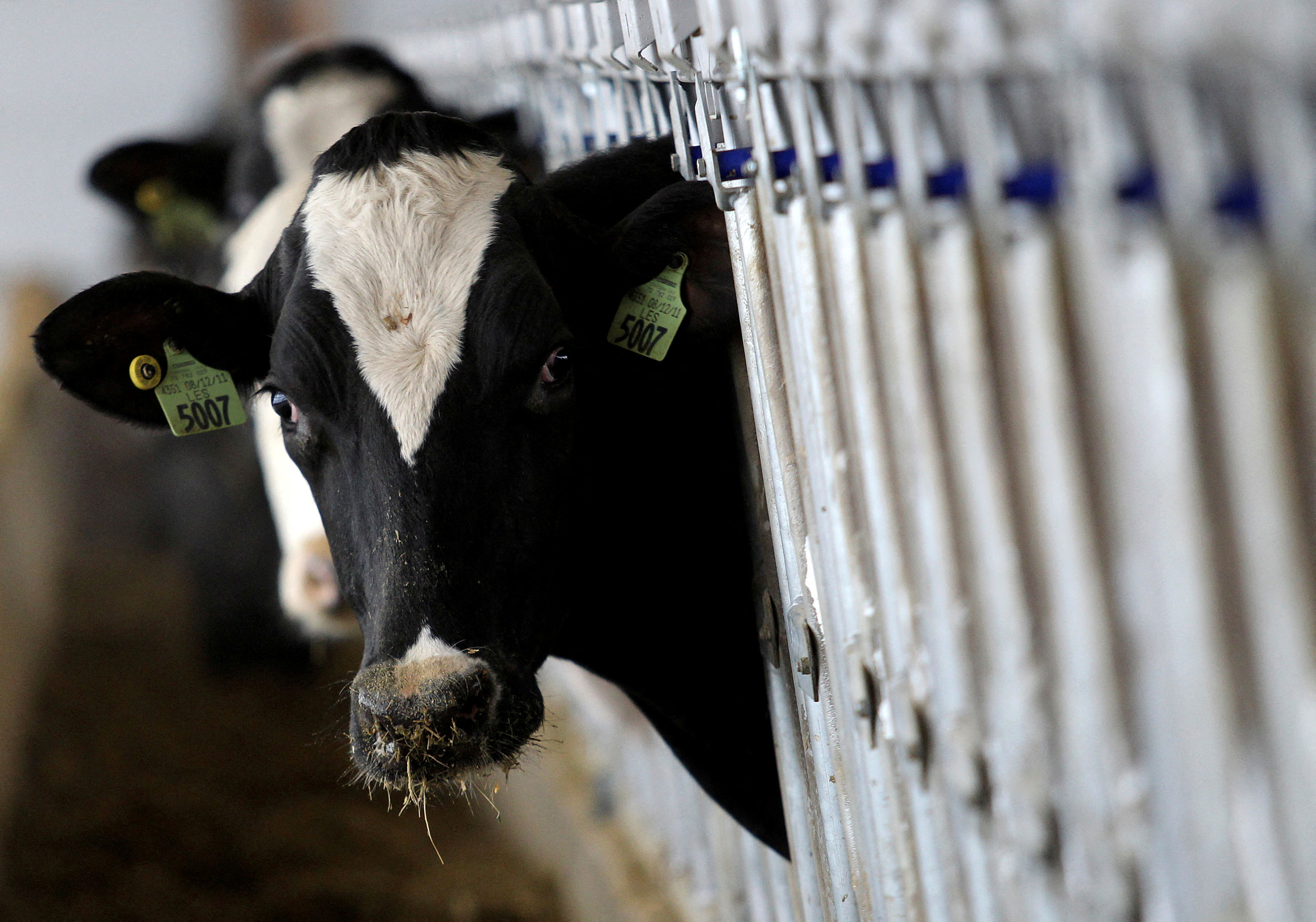
May 6 (Reuters) – The U.S. Centers for Disease Control and Prevention (CDC) said on Monday it had met with state health officials and asked them to facilitate distribution of protective gear for farm workers to avoid infection against H5N1 bird flu.
The CDC said it asked state health departments to work with their agriculture department counterparts and partners in communities to prioritize the distribution of personal protective equipment from their stockpile to workers on farms where dairy herds have been known to be infected with bird flu.
Advertisement · Scroll to continueReport this ad
Principal Deputy Director Nirav Shah said while the risk to the U.S. public remains low, states should act to protect people with work exposures including people on dairy farms, poultry farms and in slaughterhouses.
The CDC urged farmers, workers and emergency responders last week to wear appropriate protective gear when in direct or close physical contact with sick birds, livestock, feces, raw milk or contaminated surfaces.
Advertisement · Scroll to continueReport this ad
An analysis of the outbreak released on Thursday by the U.S. Department of Agriculture suggests the virus has been circulating in the country’s dairy cows for about four months before being reported on March 25.
Preliminary tests of milk, baby formula and other dairy products suggests they are safe to consume, according to the U.S. Food and Drug Administration.And his keynote address for the U.S. Holocaust Memorial Museum’s annual commemoration of the genocide came seven months to the day after the Palestinian militant group Hamas attacked Israel on Oct. 7, killing 1,200 by Israeli tallies.
https://imasdk.googleapis.com/js/core/bridge3.640.0_en.html#goog_494389616
https://imasdk.googleapis.com/js/core/bridge3.640.0_en.html#goog_494389617
https://imasdk.googleapis.com/js/core/bridge3.640.0_en.html#goog_494389618
https://imasdk.googleapis.com/js/core/bridge3.640.0_en.html#goog_494389619
https://cds.elements.video/p/plugins/cnx.bridge-1.0.5.html
https://cds.elements.video/p/plugins/cnx.bridge-1.0.5.html
https://cds.elements.video/p/plugins/cnx.bridge-1.0.5.html
https://imasdk.googleapis.com/js/core/bridge3.640.0_en.html#goog_494389636
Get weekly news and analysis on the U.S. elections and how it matters to the world with the newsletter On the Campaign Trail. Sign up here.
May 6, 2024
News
Article
The Department of Agriculture has initiated proactive measures, collaborating with federal agencies, to ensure the safety of the nation’s meat supply.
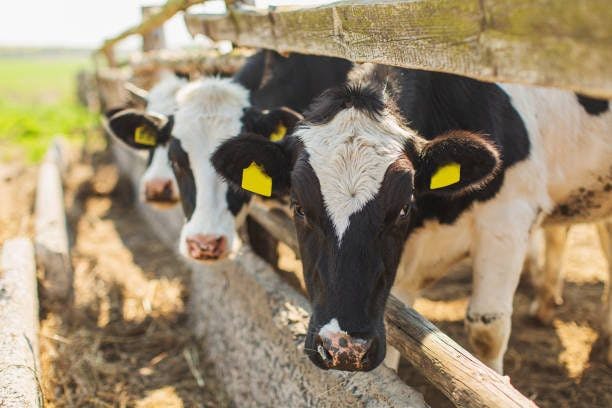
Cattle.
Image credits: Unsplash
Since late March, outbreaks of the H5N1 virus have been confirmed in 34 dairy cattle herds across nine states, with an additional case reported in a person from Texas. In response, federal officials have launched a campaign involving the collection of ground beef samples from retail stores in affected states for rigorous testing. Despite expressing confidence in the safety of the meat supply, authorities are determined to verify the absence of viral contamination.
Andy Pekosz PhD a professor of microbiology at the Johns Hopkins Bloomberg School of Public Health, provided valuable insights into the matter, emphasizing the evolving nature of highly pathogenic avian influenza and its potential implications for human health.
Pekosz stated, “Highly pathogenic avian influenza was something for many years was just a concern of people interested in live in poultry, in wild animals and migratory birds. Since around 2000, there have been a few human infections with these highly pathogenic avian influenza viruses. And so that brought up the concern.”
The US Centers for Disease Control and Prevention (CDC) and the World Health Organization (WHO) have emphasized a low overall public health risk from the outbreak. However, individuals with potential exposure to infected animals face a higher risk. Studies have indicated a wider prevalence of the virus among cows than officially reported, with approximately 20% of milk samples showing traces of H5N1 particles.
Recent announcements by the US Food and Drug Administration (FDA) regarding the efficacy of pasteurization in eliminating the bird flu virus from milk have reassured consumers. Pekosz elaborated, “Pasteurization is an incredibly useful tool that essentially involves heating a sample to a high temperature then cooling it down quickly. It was unfortunate that avian flu got into some of the commercial milk supply, but this process of pasteurization has ensured that any traces of it in the milk are just traces of a dead virus particle.”
The USDA has implemented stringent measures, including analyzing ground beef samples using PCR tests to detect any viral presence. Additionally, 2 other safety studies will be conducted to ensure comprehensive protection of public health.
Furthermore, the USDA has mandated testing for lactating dairy cows before interstate movement as part of containment efforts. However, cows destined for immediate slaughter are exempt from this requirement, needing only documentation of veterinary inspection.
Pekosz highlighted the significance of efforts by regulatory agencies to assess the prevalence of avian influenza on dairy farms and implement control measures,
“Other agencies are looking at the dairy farms, and trying to get a handle on how many dairy farms are infected with this avian influenza virus. How extensive are those infections on a particular farm, really to try to then from the I’ll say the epidemiology approach to try to limit the number of infections identify the infected cows now and remove them from the system so that we can control the source of the infection because while pasteurization is great to provide a safe food supply, it would be great if we also identified the infected cows and took them out of the system in terms of providing milk to provide that that extra layer of protection to the general public.”
Stringent inspection protocols are in place at slaughter facilities, with each animal inspected before slaughter and carcasses subject to post-slaughter inspection to ascertain compliance with food safety standards. Furthermore, the USDA is collecting beef muscle samples from condemned dairy cattle at slaughter facilities to assess the presence of viral particles.
In the event of positive PCR tests from retail or slaughter samples, further evaluation for live virus will be conducted, underscoring the government’s commitment to ensuring the integrity of the meat supply and safeguarding public health.
Reference
Polansek T. US to test ground beef in states with bird-flu outbreaks in dairy cows. Published April 29, 2024. Accessed May 6, 2024. https://www.reuters.com/business/healthcare-pharmaceuticals/usda-test-ground-beef-us-states-with-outbreaks-bird-flu-dairy-cows-2024-04-29/
 Exposing the Big Game