
[Heaven forbid!]
The recent news about bird flu and its detection in milk highlights serious concerns about the safety of raw milk and its use in holiday traditions like eggnog.
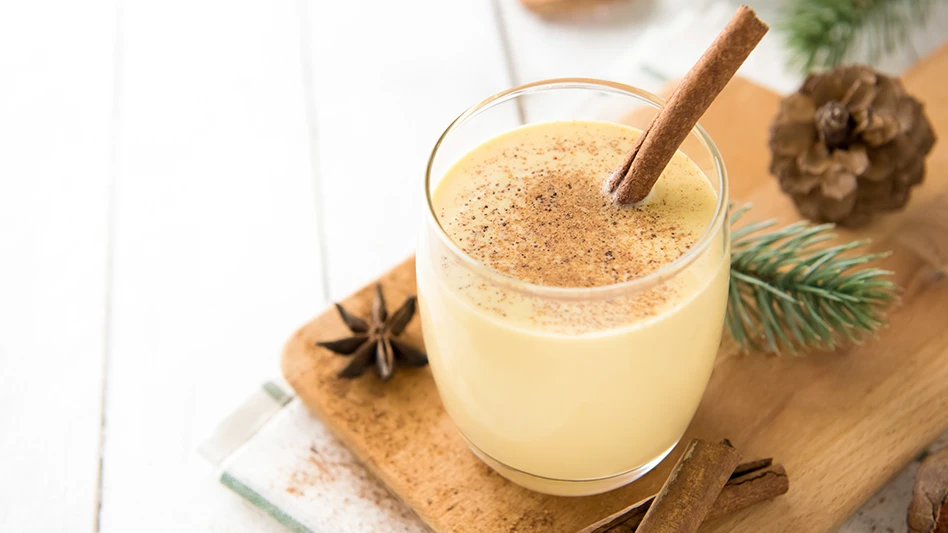
Adobe Stock | Atstock Productions
Posted by Jackie MitchellPublished December 23, 2024
Eggnog is a beloved holiday tradition, conjuring images of festive gatherings and mugs filled with creamy, spiced goodness. But recent concerns about bird flu, or avian influenza, and its detection in milk have cast a shadow over this cherished drink. These developments raise important questions about the safety of raw milk and raw eggs, key ingredients in traditional eggnog recipes.
“Food safety risks tied to raw ingredients aren’t new, but the context of bird flu elevates the concerns,” said Dr. Darin Detwiler, associate professor at Northeastern University. “For families gathering during the holidays, understanding these risks and making safer choices is essential to preserving both traditions and health.”
BIRD FLU AND ITS CONNECTION TO MILK. Avian influenza, commonly referred to as bird flu, is a viral infection that primarily affects birds but can occasionally spread to humans and other animals. Recent reports of bird flu being detected in milk have heightened concerns about the safety of raw, unpasteurized dairy products.
“Bird flu underscores the vulnerabilities in our food systems,” Detwiler explained. “While the virus’s primary route is through birds, the detection of avian influenza in milk highlights the broader risks of raw, unpasteurized products.”
Raw milk, which hasn’t undergone pasteurization to kill harmful pathogens, has long been associated with foodborne illnesses, including those caused by Listeria monocytogenes, E. coli, and Salmonella. These risks are compounded by the potential for cross-contamination during milking or handling.
RAW EGGS: ANOTHER RISKY INGREDIENT. Eggnog traditionally includes raw or lightly cooked eggs, which can pose their own safety concerns. Raw eggs are a known source of Salmonella, a bacterium that causes symptoms such as diarrhea, fever, and abdominal cramps. While pasteurized eggs—eggs that have been heated to kill bacteria—offer a safer alternative, many home cooks may not be aware of this option.
“Raw eggs in eggnog are a classic example of how tradition can sometimes overlook modern food safety risks,” said Detwiler. “Fortunately, pasteurized eggs allow us to enjoy this holiday favorite without sacrificing safety.”
THE VULNERABLE AMONG US. Foodborne illnesses pose significant risks to vulnerable populations, including pregnant women, young children, the elderly and individuals with compromised immune systems. For these groups, exposure to pathogens like Salmonella or Listeria can lead to severe complications, including hospitalization or even death.
“The holidays should be a time of celebration, not a time of worry about who might get sick from a traditional drink,” Detwiler emphasized. “By choosing pasteurized ingredients and taking proper precautions, we can protect our loved ones and still enjoy the foods we love.”
THREE TIPS FOR MAKING SAFER EGGNOG. For those who can’t imagine the holidays without eggnog, there are several ways to enjoy it safely:
- Use Pasteurized Ingredients: Opt for pasteurized milk and eggs when making homemade eggnog. Pasteurized products undergo a heating process that kills harmful bacteria without compromising flavor or texture.
- Consider Cooked Eggnog Recipes: Heat the egg mixture to at least 160°F while stirring constantly to kill bacteria. Use a food thermometer to ensure the correct temperature is reached.
- Choose Store-Bought Eggnog: Commercially prepared eggnog is typically made with pasteurized ingredients and undergoes processing that eliminates harmful pathogens, making it a safer option for all.
RAW MILK: A RISK NOT WORTH TAKING. Raw milk has become a point of contention in recent years, with some proponents claiming it offers health benefits or a superior taste. However, the risks far outweigh the rewards.
“Raw milk carries a real and significant risk of harmful bacteria,” said Detwiler. “These pathogens don’t just cause mild illness—they can lead to severe outcomes, especially in vulnerable populations.”
In the context of bird flu, the detection of the virus in milk adds another layer of concern. Pasteurization remains the most effective method for ensuring the safety of milk and milk-based products, including eggnog.
PRESERVING TRADITIONS WHILE PRIORITIZING SAFETY. Holiday traditions like eggnog are worth preserving, but they must be adapted to prioritize modern food safety practices. Awareness and education are key to maintaining these traditions without compromising health.
“The good news is that we don’t have to choose between tradition and safety,” said Detwiler. “With a few adjustments — like using pasteurized eggs and milk or trying a cooked recipe — we can enjoy eggnog while ensuring it’s safe for everyone at the table.”
While bird flu and concerns about raw ingredients may seem daunting, they also present an opportunity to revisit how we prepare and consume traditional holiday favorites. By choosing safer alternatives and educating ourselves about food safety, we can continue to celebrate without unnecessary risks.
“Food traditions are part of what makes the holidays special,” Detwiler said. “We can keep the spirit of the season alive without sacrificing safety. When we adapt those traditions with safety in mind, we’re not just protecting our health — we’re ensuring those traditions can be passed down for generations to come.”

 Exposing the Big Game