Indiana opens second comment period for bobcat trapping season

Karl Schneider

Indianapolis Star

0:14

1:01

The Indiana Natural Resources Commission opened its second public comment period for the upcoming bobcat trapping season, which is set to begin next year.

The season, which has been welcomed by some and condemned by others, would allow Hoosiers to trap in 40 southern counties. Each trapper would be allowed one bobcat per season and the rule would limit the statewide season quota to 250 bobcats total.

State legislators this year passed the legislation mandating DNR establish bobcat trapping rules by July 2025.

The open comment period is the second of two, with the first ending with a public hearing in Butlerville in November.

During the November meeting, opponents argued that bobcats are crucial for ecosystem balance and current population data is not sufficient to support opening a season. Supporters at the meeting said the season is needed to protect livestock from being killed by bobcats.

Previous coverage:Trapping plan for Indiana bobcats, once listed as endangered, moving forward for 2025

Bobcats, once nearly gone from the state, have been recovering since first placed on Indiana’s endangered species list in 1969. The state removed them from the list in 2005 after reported roadkill and other mortalities increased in the early 2000s, according to a former furbearer biologist for DNR.

Indiana has about 4,000 Hoosiers holding trapping licenses, and state officials estimate half of them would apply for a bobcat permit.

How to participate

The public comment period is open through Jan. 16 when a public meeting will be held at the Johnson County Fairgrounds from 5:30-8 p.m. Hoosiers can attend the meeting in person or online.

The public meeting will be in the fairgrounds’ Scott Hall at 250 Fairgrounds Street in Franklin. The live webcast will be streaming at in.gov/nrc/rules/rulemaking-docket.

Comments can be made online at in.gov/nrc/rules/rulemaking-docket and by clicking on “Submit Comments Here” in the Rulemaking Docket for the Proposed Bobcat Amendments.

Handwritten comments can be sent to: Natural Resources Commission – Division of Hearings, Indiana Government Center North, 100 North Senate Ave. – Room N103, Indianapolis, IN 46204.
Louisiana patient has first severe bird flu case in US: health officials

by: Trinity Velazquez

Posted: Dec 18, 2024 / 12:14 PM EST

Updated: Dec 18, 2024 / 12:24 PM EST

SHARE

BATON ROUGE, La. (WVLA) — A person in Louisiana has the first severe illness caused by bird flu in the U.S., health officials said Wednesday.

The Louisiana Department of Health first reported the case of bird flu, H5N1, on Friday, saying a resident from the southwestern portion of the state had been hospitalized after exposure to sick and dead birds suspected of having the virus.

The Centers for Disease Control and Prevention confirmed Wednesday that this is the first severe illness among humans.

Previous illnesses in the U.S. had been mild and the vast majority had been among farmworkers exposed to sick poultry or dairy cows.

“While the current public health risk for the general public is low, people who work with birds, poultry or cows, or have recreational exposure to them, are at higher risk,” Louisiana health officials said.

H5N1 is a virus that causes severe respiratory illness in birds. Outbreaks in wild birds and poultry have been reported since 2022 in the U.S. This year, more than 60 bird flu infections have been reported, more than half of them in California. In two — an adult in Missouri and a child in California — health officials have not determined how they caught it.

No human-to-human transmission has occurred in the U.S.

“The best way to protect yourself and your family from H5N1 is to avoid sources of exposure. That means avoiding direct contact with wild birds and other animals infected with or suspected to be infected with bird flu viruses,” LDH said.

To reduce your risk of becoming ill, health officials recommend staying away from sick or dead birds or animals, and avoiding raw or unpasteurized dairy products from infected animals. All poultry, eggs, and animal products should be cooked thoroughly.

If you develop respiratory issues or eye irritation within 10 days of being around potentially ill birds or animals, you should inform your doctor.

Health officials said dead or sick birds or animals can be reported to the USDA toll-free at 1-866-536-7593.

The Associated Press contributed to this report.

Virginia father of 5 hit by bear falling from tree during hunting accident dies

By WTVR CBS 6 Web Staff,18 hours ago

https://img.particlenews.com/image.php?url=3KlAkP_0xSCXLay00

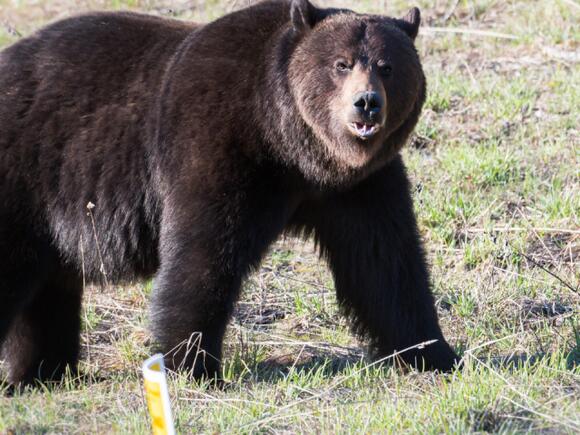
LUNENBURG COUNTY, Va. — A Virginia father of five has died after being struck by a bear falling from a tree in Lunenburg County, according to state wildlife officials.

An investigation by the Virginia Department of Wildlife Resources, which was notified of the incident around 9:50 a.m. Monday, suggests that a group of hunters chased a bear into a tree.

Then as the group retreated from the bottom of the tree, one of the hunters shot the bear, according to officials.

As the animal fell, it hit 58-year-old Lester C. Harvey Jr. , of Phenix, Virginia, who was standing about 10 feet from the bottom of the tree, officials said.

One of the hunters provided first aid until local fire and EMS arrived, according to officials.

Harvey, who had been in serious but stable condition after being transported from VCU South Hill to VCU Medical Center in Richmond, died of his injuries on Friday, Dec. 13, officials confirmed Sunday.

Harvey was a self-employed contractor and avid outdoorsman who “was a friend to all and never met a stranger,” according to his obituary.

He is survived by his wife, three sons, two daughters and eight grandchildren.

Harvey’s funeral will take place on Thursday, Dec. 19 at 2 p.m. at Mt. Carmel United Methodist Church on Mt. Carmel Road in Brookneal.

“The Department is not currently seeking any charges related to this incident,” an official with the agency said Sunday.