Child hospitalised as bird flu cases climb in Cambodia
Reply

By Sterling Miller, John Schoen, Charles Schwartz and Jim Faro
Published: 1 day ago

The attention focused on the spectacle of state wildlife biologists flying around in helicopters shooting every grizzly bear they can find (186 killed so far plus 5 black bears and 20 wolves) on the calving grounds of the Mulchatna Caribou Herd in Southwest Alaska should not obscure the geographically much larger campaign against grizzly bears being conducted by the Alaska Department of Fish and Game and the Alaska Board of Game.
This war, often termed “intensive management,” is being conducted through decades of liberalized bear hunting regulations motivated by the desire to reduce bear numbers in the hope this will result in more moose and caribou for harvest by hunters (most of whom live in urban areas).
The Mulchatna program is officially defined as being “predator control” because it involves aerial shooting of bears by Fish and Game staff. The geographically much larger effort to reduce bear abundance using regulation liberalizations is not defined as predator control. This lawyerly sleight-of-hand by definition allows Fish and Game to misleadingly claim that predator control on bears (and wolves) is occurring only in the relatively small portions of Alaska where aerial shooting of bears is ongoing. The opposite is true using a commonsense definition of predator control, which is to achieve declines in predator numbers.
We are four retired Alaska Department of Fish and Game biologists who have published one or more peer-reviewed papers documenting this effort to reduce grizzly abundance through regulation liberalizations. We documented this in an area that represents approximately 76% of Alaska; the area where liberalizations of bear hunting regulations are most aggressive. This is everywhere except in Southeast Alaska, Kodiak, Prince William Sound and the Alaska Peninsula, where bears are large and are still managed for sustainable trophy harvests. It includes all areas where moose and/or caribou are common. Some elements of the liberalizations in this area include:
• Liberalized regulations in a Game Management Subunit a total of 253 times and made more conservative only six times. This contrasts dramatically with the pattern prior to passage of the Intensive Management law in 1994, when regulation changes were equally balanced between small tweaks in either direction.
• Increasing the bag limit from one bear every 4 years (everywhere in 1980) to one or two bears per year. In 2005, 5% of the area had an annual bag limit of two per year but this increased to 45% by 2020 and to 67% by 2025.
• Longer open hunting seasons to include periods when hides are in poor condition and bears are in dens. The whole area had hunting seasons totaling less than 100 days in 1975; by 2015, 100% of the area had seasons longer than 300 days (20% longer than 350 days).
These two go together like peas and carrots!

By Kathryn Bell
Jul 7, 2025 9:45 PM EDT
Everyone knows the signature song from the Toy Story movies, “You’ve Got a Friend in Me” and those are the exact words that played in my head as I watched a recent video posted by the Sheldrick Wildlife Trust.
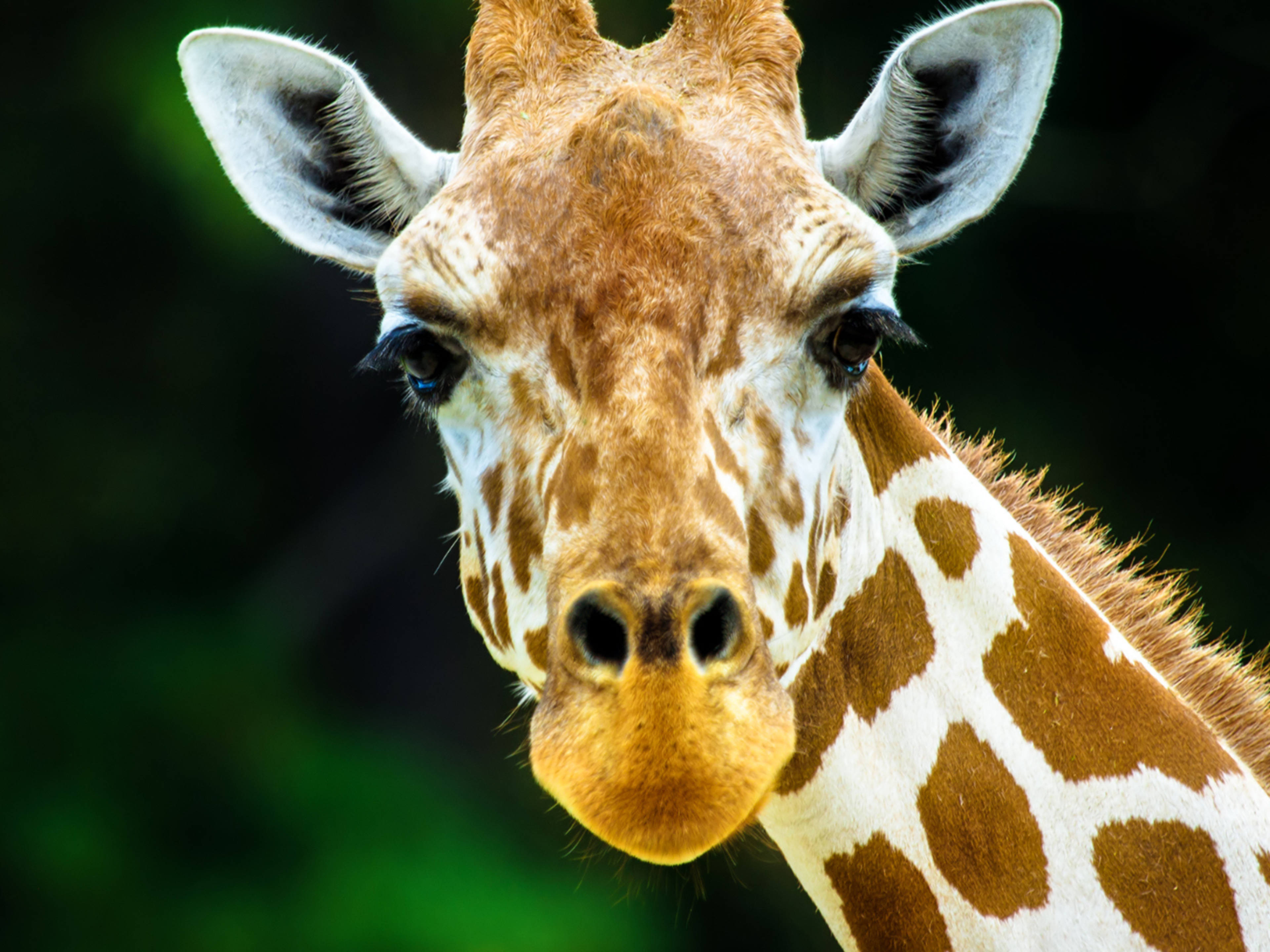
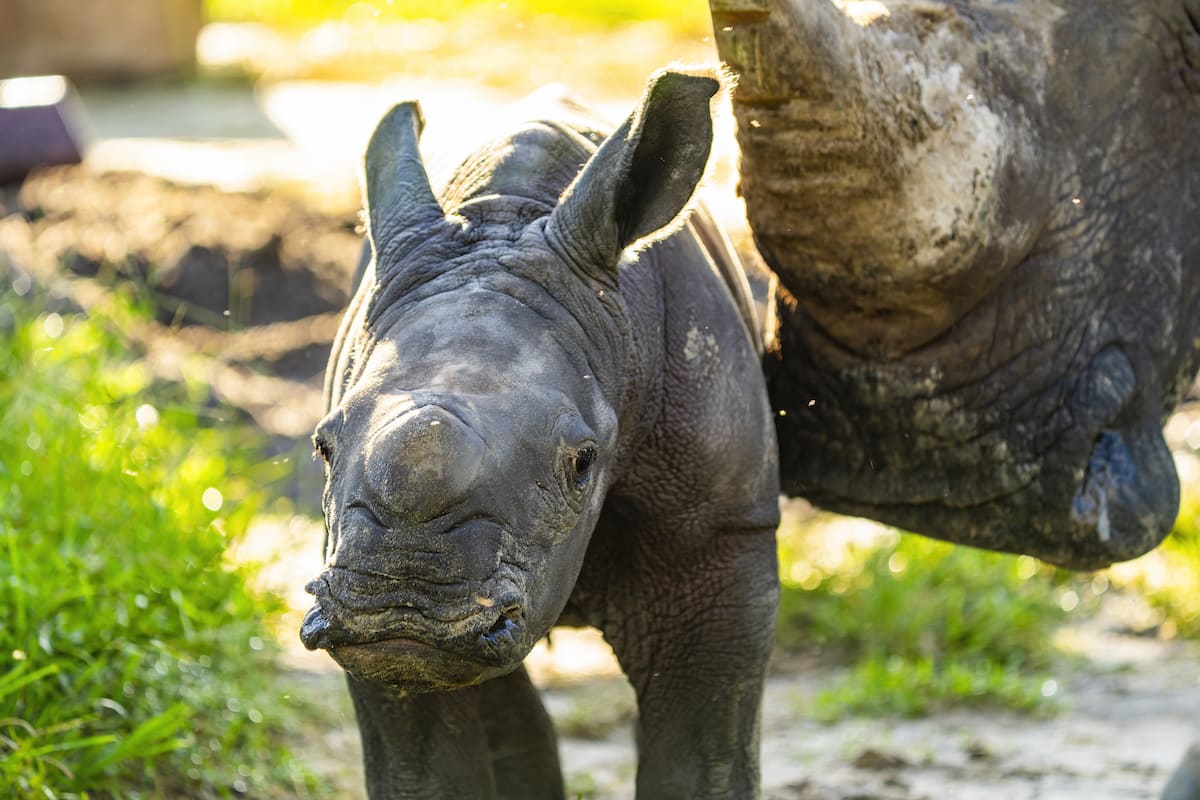
As the TikTok video starts, we are introduced to Twiggy the giraffe and Chamboi the rhinoceros. Apparently, despite their obvious differences, these two go together like peas and carrots.
16-Year-Old Orange Cat’s Final Kiss With His Mom Is Sure to Bring On the Tears16-Year-Old Orange Cat’s Final Kiss With His Mom Is Sure to Bring On the Tears
Read More
This adorable pair enjoy each other’s company immensely and every evening they take a stroll with their keepers at the Kaluku Unit in Nairobi. As two of the youngest members of the herd, they have gravitated toward each other and now go looking for one another when they aren’t together.
Twiggy was orphaned for unknown reasons. She was found wandering with a herd of zebras, however, there were no other giraffes in sight. She is now a thriving 3-year-old busybody who likes to visit all of the animals in the nursery unit—just to see what they are up to!
Chamboi is also nearly 3-years-old and was rescued from a watering hole where he appeared abandoned. He was alone and a tiny newborn but now he is a curious full-sized rhino who generally keeps to himself with the exception of his time with Twiggy!
Related Story
As the clip continues, we notice that Twiggy is slowing her pace to allow Chamboi to keep up with her in the most endearing way. Fans of the Sheldrick Wildlife Trust love this pair just as much as we do and here are a few of the comments they left:
“It’s heartwarming to see such a beautiful bond between Chamboi and Twiggy. This friendship shows the true spirit of care and conservation!”
“Totally amazing but not surprised! Size, weight, skin color, tall or short, or whatever should not diminish the love we have for each individual!”
“How neat to see two animals enjoying the same land from different viewpoints. A special friendship indeed.”
Having lifelong friends is extremely important to humans and it makes sense that it is important to extra-large mammals as well. The friendship level of these two is truly the goal that we all have for ourselves!
 Exposing the Big Game