Nuclear winter would bring mass starvation and death for years post-war, startling new study reveals: ‘We must be prepared’
Reply

In July, the Town of Bonnyville released an advisory informing the public that it was made aware of concerns regarding Canada Geese found deceased and acting ill in the area of Jessie Lake.
Chris McGarry
about 9 hours ago
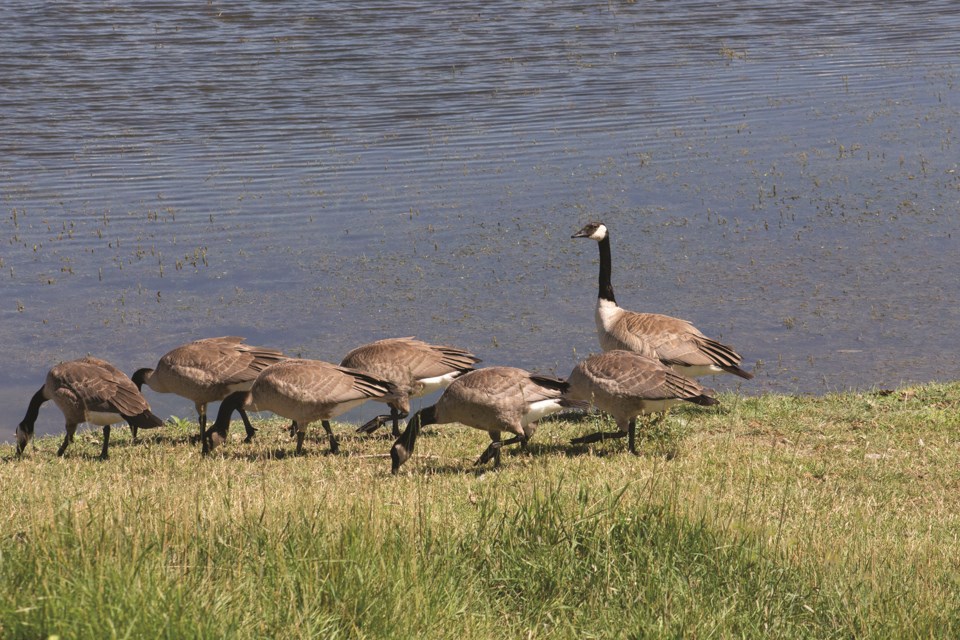
BONNYVILLE – Avian influenza has been confirmed to be the cause of death of several Canada Geese and other birds found along Jessie Lake in July.
On July 23, The Town of Bonnyville released an advisory informing the public that it was made aware of concerns regarding Canada Geese found deceased and acting ill in the area of Jessie Lake.
At the time, the cause was unknown. Provincial Fish and Wildlife authorities had been notified and were assisting municipal officials with the investigation.
“Alberta Fish and Wildlife was contacted and confirmed Avian Influenza was the cause,” stated the Town of Bonnyville on Aug. 8. “Clean-up efforts by Public Works are still underway and are being addressed as time permits.”
As explained in information released by the Town of Bonnyville, Avian Influenza, also known as avian flu, is a contagious viral disease that affects various domestic and wild bird species.
The disease mostly impacts waterfowl such as ducks and geese, and can also spread to poultry animals, including turkeys, ducks, and chickens.
“According to the Government of Alberta, the risk to the public from the current strains of avian flu is low,” said the Town of Bonnyville, adding that people who notice clusters or groups of dead waterfowl can report them toll-free at 310-0000.
According to Town of Bonnyville CAO Quinton Wintfley, the municipality contacted Alberta Environment and Fish and Wildlife to report the issues observed at Jessie Lake.
“The relevant authorities collected bird specimens for testing. During this period, the Town followed guidance provided by Alberta Fish and Wildlife in collecting deceased birds along the shoreline and supported the testing process by supplying specimens as requested,” Wintfley told Lakeland This Week.
The Town was not leading the overall investigation and was providing support, primarily through cleanup efforts.
The Town of Bonnyville remains committed to supporting its provincial partners in addressing this matter, and will continue to follow their guidance, as needed, said Wintfley.
“We thank Alberta Environment, Alberta Health, and Alberta Fish and Wildlife for their leadership and expertise,” he said, explaining that residents with concerns are encouraged to contact the appropriate authorities for the most accurate and up-to-date information.
“The health and safety of our community remains our top priority.”
Members of the public are being advised not to handle live or dead wild birds.
For those who must handle birds, it is recommended to wear disposable gloves or cover their hands with a plastic bag before touching any bird. People are also advised to use a stick or similar tool to move the bird into a bag to be placed into their garbage bin for disposal.
“Wash your hands thoroughly with soap and water afterward,” recommends the Town of Bonnyville. “Disinfect any surfaces that may have come into contact with the bird using alcohol, diluted bleach, or a commercial disinfectant.”
10 August 2025 | by FarmingUK Team | Animal Health, Finance, News, Poultry
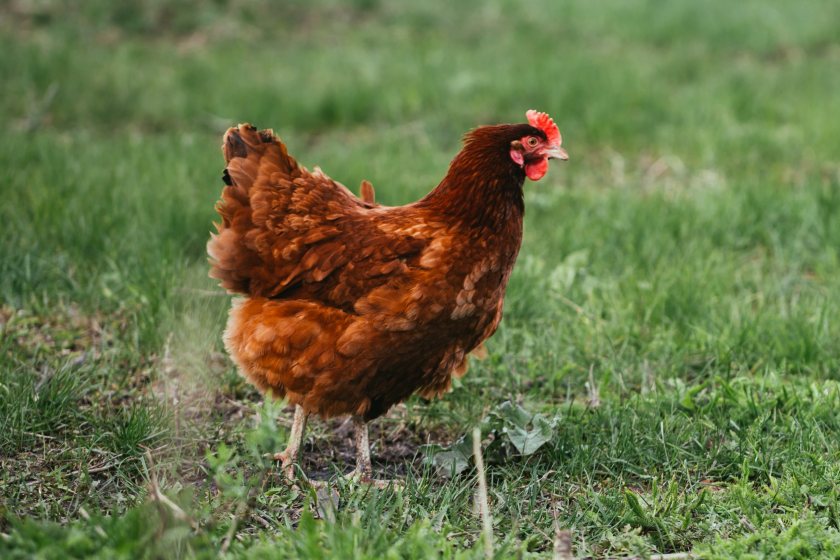
Delaying action could leave farms exposed during the months of highest bird flu risk
Poultry farmers have just weeks left to secure rare avian influenza insurance, as NFU Mutual warns its books will close at the beginning of next month.
Producers are being urged to act quickly as the rural insurer’s avian insurance cover will once again shut to new applicants, on 1 September.
Earlier this year, following collaboration with the NFU, NFU Mutual temporarily reopened its AI insurance offering to new customers.
This move came after growing concerns that poultry businesses faced the peak risk season without any form of cover.
As one of the very few insurers still providing AI policies in the UK, NFU Mutual’s decision offers a crucial — but limited — opportunity for farms to protect themselves against outbreaks.
Adam Williams, NFU Mutual’s animal disease portfolio manager, explained: “To maintain the sustainability and viability of our AI insurance offering, NFU Mutual reopened general new business outside our scheme for the first time in three years last April.
“The book has since reopened for 2025 and is scheduled to close again on 1 September 2025, ahead of the high-risk period – subject to outbreak developments.”
Producers interested in securing cover are encouraged to contact their local NFU Mutual agency as soon as possible.
It comes amid a notable surge in bird flu cases across the UK this summer, with several outbreaks reported in commercial and wild bird populations.
Just this weekend, two outbreaks of highly pathogenic avian influenza were confirmed in Devon, with further suspected cases under investigation in Wales and Suffolk.
NFU Poultry Board chair James Mottershead highlighted the urgency, warning that the UK was entering a critical period for poultry producers.
“As the risk of avian influenza ramps up, then so does the vital need to ensure adequate insurance cover and protection,” he said.
“Any producers who are affected can contact NFU CallFirst for advice and support.”
 Exposing the Big Game