Health expert warns hunters about lead ammunition risks ahead of gun deer opener
Reply

News brief
November 17, 2025
Topics
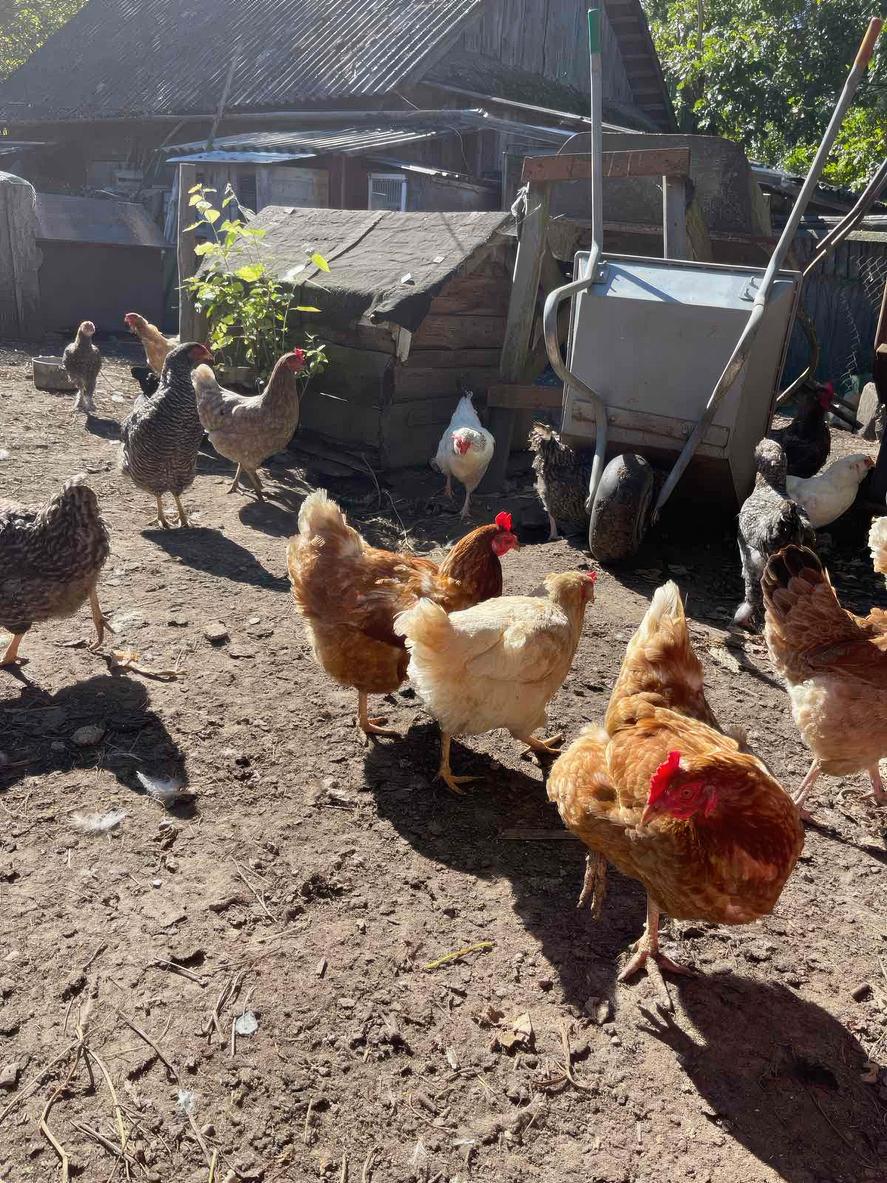
The health department in Washington state has confirmed that a resident of Grays Harbor County is the first person to be diagnosed as having avian flu in the United States since February, and the first human ever known to be infected with the H5N5 strain.
The person had underlying conditions, officials said.
Previous human detections in the United States have involved the H5N1 strain, which infected thousands of cattle, as well as commercial poultry and wild birds, in the past two years. Most human cases involving H5N1 have been mild, but one man died in January in Louisiana.
During a briefing over the weekend, the patient was described as an older person who is severely ill and remains hospitalized after developing a high fever, confusion, and difficulty breathing.
“The affected person has a mixed backyard flock of domestic poultry at home that had exposure to wild birds. The domestic poultry or wild birds are the most likely source of virus exposure; however, public health investigation is ongoing,” the health department said in a press release. “The Washington State Department of Health is working with the local health department and the Washington State Department of Agriculture to complete exposure and animal health investigations.”
So far, no other people in the state have been identified as having H5N5. Human-to-human transmission of avian flu has not been documented.
Washington state has had dozens of detections of avian flu in wild birds, waterfowl, and backyard poultry in the past weeks, mirroring a national spike in activity.
| With just two months to prepare the Bandero for Operation Krill Wars, we find ourselves amid a daunting endeavor: breathing life back into a frigid vessel so she can sail bravely into danger.We still need a crane. Two RIBs. Parts, tools, hands, heat, and time, elements that rarely come easily. Sparks erupt from grinders on deck, the resonating echo of hammers fills the hull, while the aroma of Emerson’s cooking saturates the galley, a reminder of life’s vibrancy even in the coldest moments. One truth remains clear:We will be ready.For our crew sought not the comforts of home, but rather the noble task of defending the Antarctic.BANDERO WISH LIST Follow us |

MONDAY, Nov. 17, 2025 (HealthDay News) — A Washington state resident has become the first person in the United States to test positive for a rare bird flu strain that has never before been found in humans.


HomeBuddy

peoasis
![Top Tree Trends: Woodland Critters [See More]](https://images.revcontent.com/revcontent/image/fetch/f_jpg,q_auto,h_150,w_225,c_fill,g_faces:auto/pg_1/https://media.revcontent.com/content/images/69146ede76fcf8-85350711.png)
peoasis
FootRenew

Peoasis

Glosrity
The older adult, who has underlying health problems, was hospitalized in early November after developing a high fever, confusion and trouble breathing.
“This is a severely ill patient,” state epidemiologist Dr. Scott Lindquist told The Washington Post.
Experts stress that the public health risk remains low.
Testing by the Washington State Department of Health and the U.S. Centers for Disease Control and Prevention (CDC) showed the patient was infected with H5N5, a type of avian influenza seen in wild birds in the U.S. and Canada, but never before in a human.
Officials said the person cares for a mixed backyard flock and two birds had died weeks earlier. Wild birds also had access to the property, making poultry or wild birds the most likely source of exposure.
While H5N5 is different from the more common H5N1 strain that has spread widely among animals and people worldwide, experts say the two strains behave similarly.
“The H5N5 viruses we have looked at behave similarly to H5N1 viruses in our models to assess human risk,” Richard Webby, a virologist at St. Jude Children’s Research Hospital, told The Post.
More than 100 health care workers who interacted with the patient have been monitored, and some were tested for flu-like symptoms.
“We have identified no additional individuals other than the patient who is infected with H5N5,” state health officer Dr. Tao Kwan-Gett, said to The Post.
Default Mono Sans Mono Serif Sans Serif Comic Fancy Small CapsDefault X-Small Small Medium Large X-Large XX-LargeDefault Outline Dark Outline Light Outline Dark Bold Outline Light Bold Shadow Dark Shadow Light Shadow Dark Bold Shadow Light BoldDefault Black Silver Gray White Maroon Red Purple Fuchsia Green Lime Olive Yellow Navy Blue Teal Aqua OrangeDefault 100% 75% 50% 25% 0%Default Black Silver Gray White Maroon Red Purple Fuchsia Green Lime Olive Yellow Navy Blue Teal Aqua OrangeDefault 100% 75% 50% 25% 0%
By KTTC Staff
Published: Nov. 17, 2025 at 11:15 AM PST|Updated: 3 hours ago
ROCHESTER, Minn. (KTTC) – Deer hunting season is underway in Minnesota, and the DNR is asking hunters to help in the fight against a deadly disease.
Chronic wasting disease (CWD) is a contagious fatal brain condition that affects deer. It’s not harmful to humans, and there is no known cure.
Transmission happens primarily through direct contact between animals, but also through environmental contamination.
The DNR says CWD is prominent among deer in the southeast part of the state. Multiple management actions, designed to help mitigate disease spread, are in place in 32 counties, including Dodge, Fillmore, Goodhue, Houston, Mower, Olmsted, Steele, Wabasha, and Winona.
Hunters in affected areas must provide CWD samples if it’s in a mandatory sample requirement area, follow carcass movement restrictions, and comply with deer feeding or attractant bans in place.
The DNR will directly notify any hunter who harvests a deer that tests positive.
According to the DNR, nearly 100 cases of CWD were documented in Minnesota deer last year — the highest number on record.
Visit the Minnesota DNR website for more information.
Find stories like this and more, in our apps.
 Exposing the Big Game