
News brief
May 15, 2026
Topics
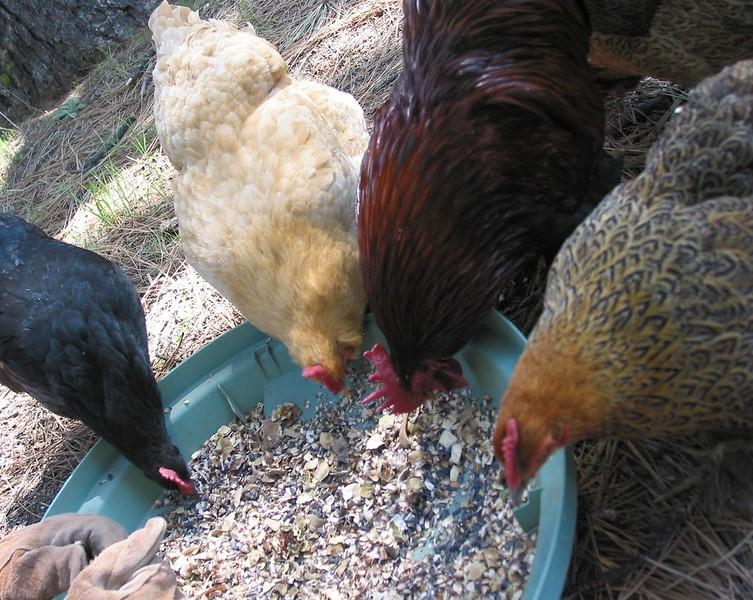
While most respondents to a survey of US backyard flock owners had heard of avian influenza, about one third didn’t know the signs or symptoms of infection in birds or people, highlighting the need for risk messaging and educational resources.
The online survey was conducted by the Centers for Disease Control and Prevention (CDC) in collaboration with state and agricultural officials from July to December 2025. The aim was to learn more about flock owners and their knowledge, attitudes, and practices surrounding the H5 strain of avian flu that has affected millions of US poultry. Of 638 respondents, about half had an advanced degree.
Since 2024, three avian flu cases have been confirmed in people in the United States who own backyard birds, the authors noted.
The findings were published yesterday in Morbidity and Mortality Weekly Report.
58% said someone in their home is high-risk
In total, 69% of respondents kept small flocks of mainly chickens, 71% indicated that they had no veterinarian to consult about their flock, and 54% said that wild birds could access their flock or its food or water. Respondents were generally experienced flock owners, with 29% having owned their flocks for at least 10 years, and 48% for three to 10 years.
Education of backyard flock owners by health partners regarding signs and symptoms of avian influenza can help flock owners keep their flocks, themselves, and their families healthy.
Although 94% of owners were aware of avian flu, one third didn’t know the signs or symptoms in birds or people. About 90% knew the recommended precautions to take when handling sick or dead birds and said they were willing to use some types of personal protective equipment (PPE). A higher level of knowledge about avian flu was tied to increased intent to use PPE.
In total, 58% of respondents said that at least one person in their household was at increased risk for flu complications because of age, pregnancy, or underlying conditions.
“Education of backyard flock owners by health partners regarding signs and symptoms of avian influenza can help flock owners keep their flocks, themselves, and their families healthy,” the researchers wrote.

