
MDARD said HPAI is a highly contagious virus that can spread in various ways between animals.
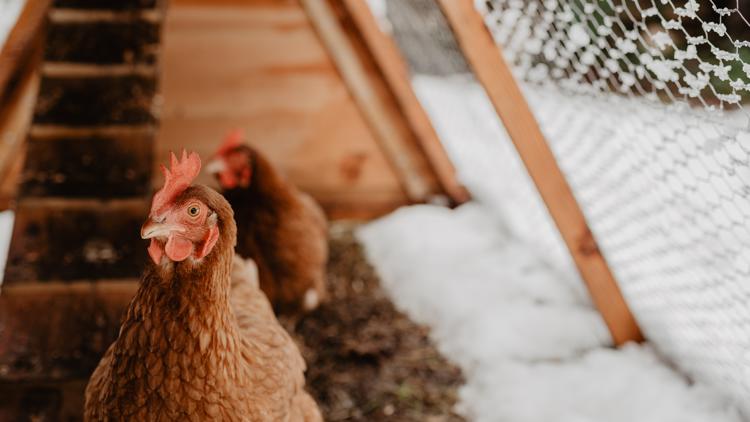
Credit: janaland – stock.adobe.com
Author: Mary Dupuis
Published: 12:39 PM EDT September 14, 2026
Updated: 12:39 PM EDT September 14, 2026

MICHIGAN, USA — Officials are encouraging animal owners to stay vigilant and take preventive measures against avian influenza (HPAI) as wild birds begin their fall migration.
The Michigan Department of Agriculture and Rural Development (MDARD) said that although HPAI hasn’t been detected in Michigan’s domestic animals since March 2026, it’s still important to take precautions.
“Since the current outbreak of HPAI began in February 2022, wild birds have been prominent carriers of this virus, serving as the most common cause for the spread of this disease. As wild birds have started to migrate this year, the virus is already being detected in poultry in Idaho, Minnesota, and South Dakota,” said State Veterinarian Dr. Nora Wineland, DVM, MS, DACVPM. “HPAI still poses a threat to Michigan’s domestic animals, and taking measures to prevent animals from being exposed to wild birds and their germs is the best way to protect against this disease.”
MDARD said HPAI is a highly contagious virus that can spread in various ways between animals, including through wild birds, contact with infected animals, by equipment and on the clothes and shoes of caretakers.
The disease is classified as being zoonotic, which means it can affect both animals and people.
According to the U.S. Centers for Disease Control and Prevention, the public health risk associated with the disease is low.
However, people should continue to properly handle and cook all meat and eggs to the correct internal temperature and avoid consuming raw milk.
Generally, MDARD said, every year cases are detected when the spring migration of wild birds starts, followed by a lull in the summer months, and then an increase when the fall migration begins.
In 2025, there were 22 detections of HPAI in Michigan, including 10 detections in commercial poultry flocks and 12 detections in backyard flocks. Of those 22 cases, 13 of them were recorded in the fall.
In 2026, the virus was found in two commercial flocks and one backyard flock in the spring.
MDARD said that while it’s difficult to predict the impact of HPAI this fall, keeping wild birds away from domestic animals will help to reduce the risk of disease.
Owners can protect their domestic animals by:
- Preventing contact between domestic animals and wild birds.
- Limiting non-essential visitors to your farm.
- Washing your hands before and after caring for animals.
- Not sharing equipment or other supplies between farms.
- Cleaning and disinfecting clothing, footwear and equipment worn/used around sick animals.
- Use an EPA-registered disinfectant effective against avian influenza.
- Keeping feed secure to ensure there is no contact between the feed/feed ingredients and wild birds or rodents.
- Allowing sufficient downtime between visits to poultry and dairy operations so the virus is not being carried between facilities.
- Contacting your veterinarian if there are ever any animal health-related concerns.
In Michigan, HPAI is reportable in all species of domestic animals. If the disease is suspected, contact MDARD at (800) 292-3939 during the day, or (517) 373-0440 after-hours.
If you notice what appears to be unusual or unexplained behaviors or deaths among wild birds or other wildlife, you should report it to the Michigan Department of Natural Resources (DNR) through the Eyes in the Field app or by calling (517) 336-5030.Close Ad

