
Mink farms are the latest in animal agriculture to be hit by highly-contagious virus, with seven confirmed cases in Utah
By Hope Kirwan
Threat of avian flu returns to Wisconsin with new species at risk – WPR
September 17, 2026
Updated September 17, 2026 at 8:30 am
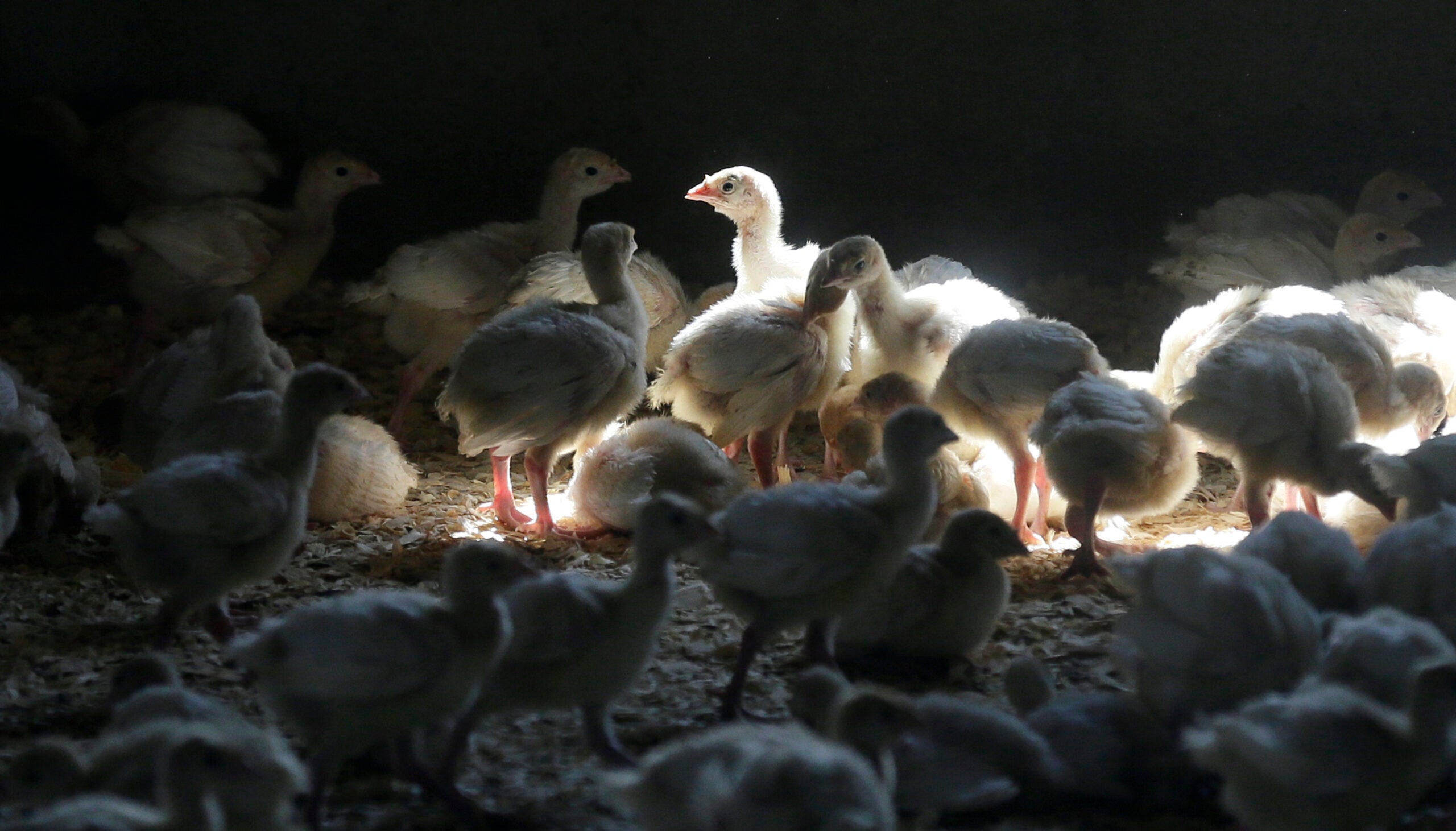
State agriculture officials are urging farms to tighten protective measures after the highly contagious avian flu virus has once again been found in the state.
The Wisconsin Department of Agriculture, Trade and Consumer Protection confirmed the virus was found on a commercial poultry farm in Barron County.
State Veterinarian Dr. Darlene Konkle said they were notified right away when the farm began seeing increased mortality among its roughly 79,000 birds.
Understanding Wisconsin, Together.
WPR’s “Wisconsin Today” newsletter keeps you connected to the state you love without feeling overwhelmed. No paywall. No agenda. No corporate filter.EmailSubscribe
“We have been seeing detections in other areas of the country, in the upper Midwest over the past two to three weeks,” she said. “A little bit of an increase in detections in the Dakotas and Minnesota, so we were watching really closely.”
Konkle said the affected flock has already been culled and the farm is working with state officials to dispose of the birds.
The virus was last detected in the state in late February and early March, when four poultry farms were affected. Wisconsin has only found the virus on one dairy farm last December.
The H5N1 flu virus devastated U.S. poultry farms when it was first detected in 2022 and has continued to affect the industry ever since. Cases are often found during the spring and fall, when wild birds carrying the virus are actively migrating.
Konkle said that’s because the virus continues to circulate among birds in North America and has yet to mutate enough to be less contagious.
“I think a lot of cases are prevented, though, that otherwise we would be seeing,” she said. “People are really doing a good job of training employees and working on their own to increase biosecurity for their flocks, especially in these months where we see higher risk.”
But the threat of avian flu is not just isolated to poultry and dairy farms. Utah recently reported the first instances of the virus in captive mink, with seven cases confirmed by the U.S. Department of Agriculture.
A spokesperson for the Utah Department of Agriculture and Food told WPR all of the cases are related to each other, but declined to say whether they were all located on the same farm. Utah animal health officials and USDA officials are working closely with any affected producer, the spokesperson said.
Utah is the second-largest producer of mink pelts in the country behind Wisconsin. But federal data shows Wisconsin produced more than four times Utah’s annual pelt production in 2024, making up more than half of U.S. production for the year.
Keith Poulsen, head of Wisconsin’s State Veterinary Diagnostics Laboratory, said it’s not a real surprise to find avian flu on an American mink farm. The H5N1 virus strain was found on mink farms in Spain and Finland in 2023.
Along with exposure to wild birds, Poulsen said the cases in mink may be related to outbreaks on other types of farms. Utah reported cases of avian flu on both poultry and dairy farms as recently as late July.
“Mink are obligate carnivores, so they could be eating rendered meat product from the poultry industry,” Poulsen said, pointing to previous cases of dogs and cats becoming infected after consuming contaminated raw pet food.
Neither USDA or Utah officials have released much information about the affected mink farm in Utah.
Poulsen worries that could be because the agency is primarily focused on preventing the spread of New World screwworm in livestock along the southern U.S. border, or it is simply understaffed due to the Trump administration’s efforts to reduce the federal workforce.
In Wisconsin, mink are not considered livestock and the state’s estimate 32 mink farms are not regulated by DATCP.
But Konkle said her agency developed a “good working relationship” with the industry’s veterinarians during the COVID-19 pandemic, which also affected captive mink.
If the virus were to be found on a Wisconsin mink farm, Konkle said state and federal officials would work with the farm and their veterinarian to monitor the situation.
Wisconsin Public Radio, © Copyright 2026, Board of Regents of the University of Wisconsin System and Wisconsin Educational Communications Board.

