
Orangutans take nine hour journey by car and boat to ‘have a chance to return to living naturally’
Shweta SharmaMonday 12 October 2026 06:35 BST
- Eight Borneo orangutans freed back into the wild after devastating wild fires | The Independent
- 1Comment
Bookmark popover
Removed from bookmarksClose popover
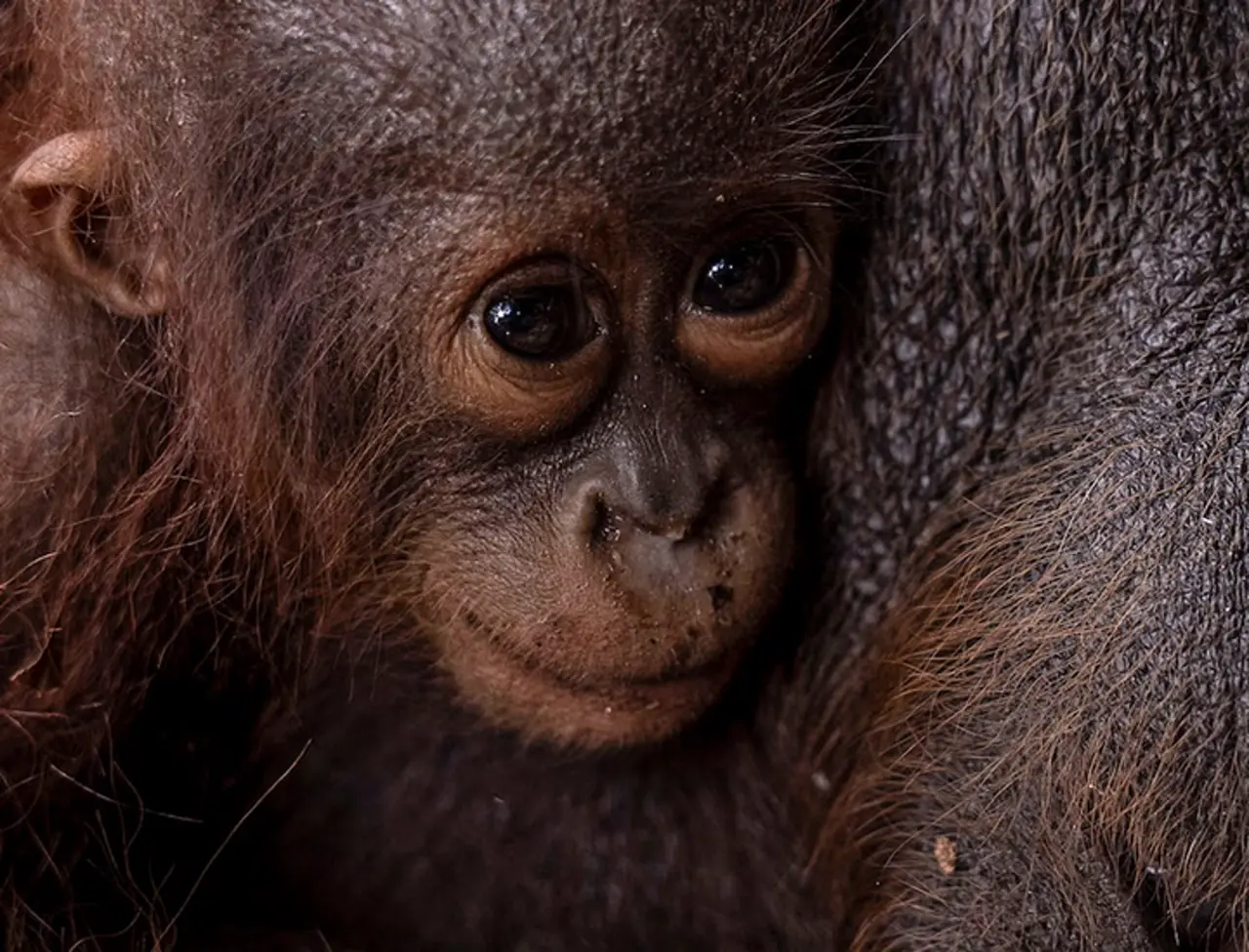
Authorities in Borneo have released eight orangutans back into the wild after they were taken into captivity for their safety when wildfires raged through the region in the summer.
Three mothers, their three offspring, and two juvenile males were released into the Batu Nyambu protected forest reserve in the west of the island on Friday, International Animal Rescue Indonesia (Yiari) and the forestry ministry said.
The relocation operation involved six hours by car, one hour by boat, and two hours on foot to free the orangutans, which were carried in cages on bamboo poles, it said.
Conservationists checked their health before the journey and declared them fit for release.
“Their relocation to Batu Nyambu protected forest is expected to give the eight orangutans a chance to return to living naturally,” Yiari said in a statement.
RECOMMENDED
Katie Zacharia’s first White House press briefing was a disaster of her own making
Questions surround Trump’s new press secretary’s legal background
Shoulder Pain is Not From Sleeping Wrong. Meet The Real EnemyRejuvaCare|
Drivers In Washington With 20+ Years Of Licensure Did Not See This ComingConsumer Auto Alerts|
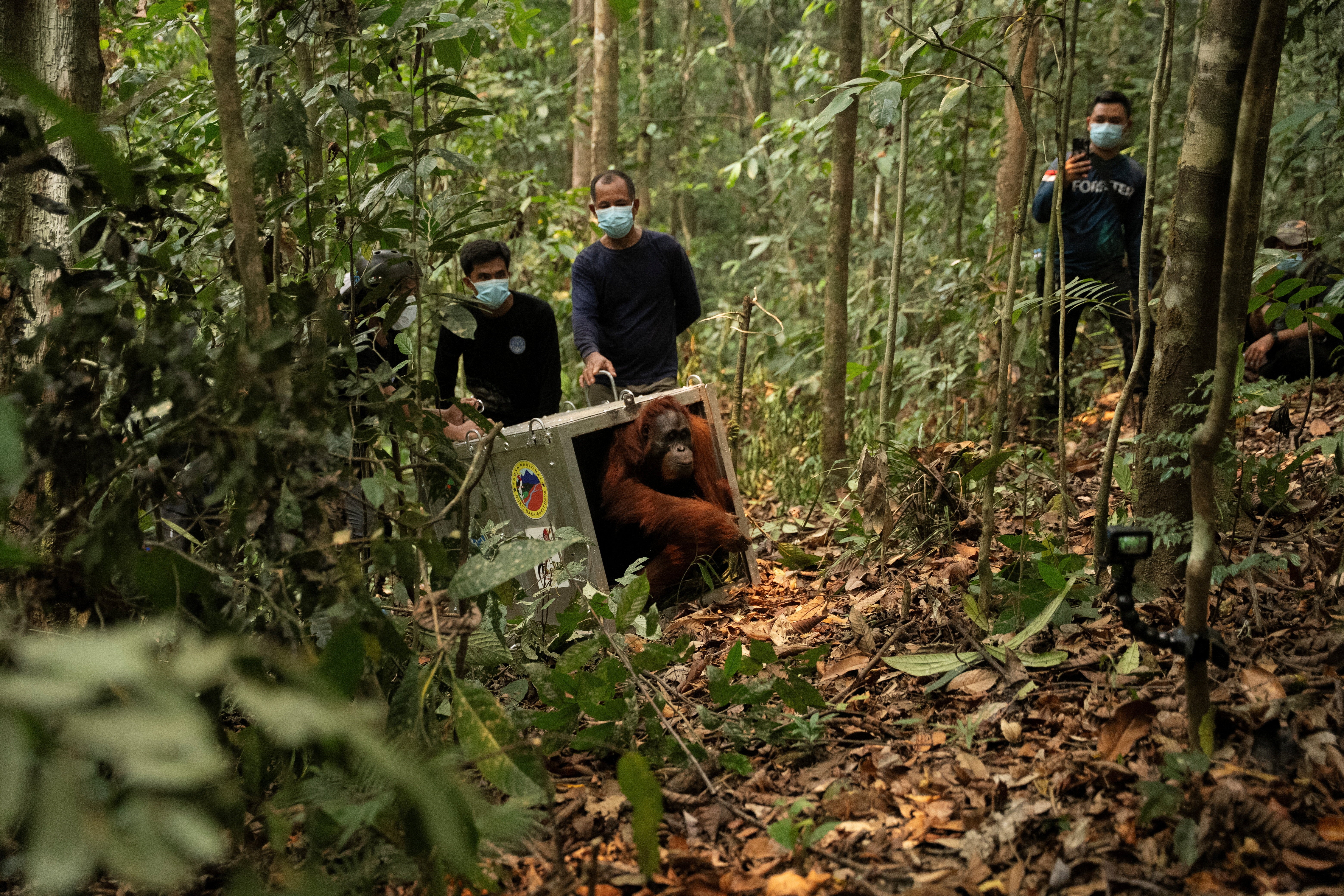
Indonesian authorities rescued 46 critically endangered great apes from wildfires between August and September this year. The wildfires exposed Bornean orangutan habitats to extremely high levels of risk, with forest fires aggravated by the El Niño ocean-warming phenomenon.
Orangutans are critically endangered great apes found in the wild only on the Southeast Asian islands of Borneo and Sumatra, with Indonesia home to all three recognised species, according to the World Wildlife Fund.
Some 104,000 orangutans remain in Borneo and Sumatra, with their populations declining from more than 230,000 a century ago due to deforestation, wildfires and poaching.
Yiari CEO Karmele Llano Sanchez called the relocation of the orangutans a “necessary step”.
Mama Lifa and her offspring, Lifa, were rescued in mid-September after their habitat was degraded by wildfires and a lack of food sources.
They were found in a patch of acacia trees entirely surrounded by oil palm plantations.
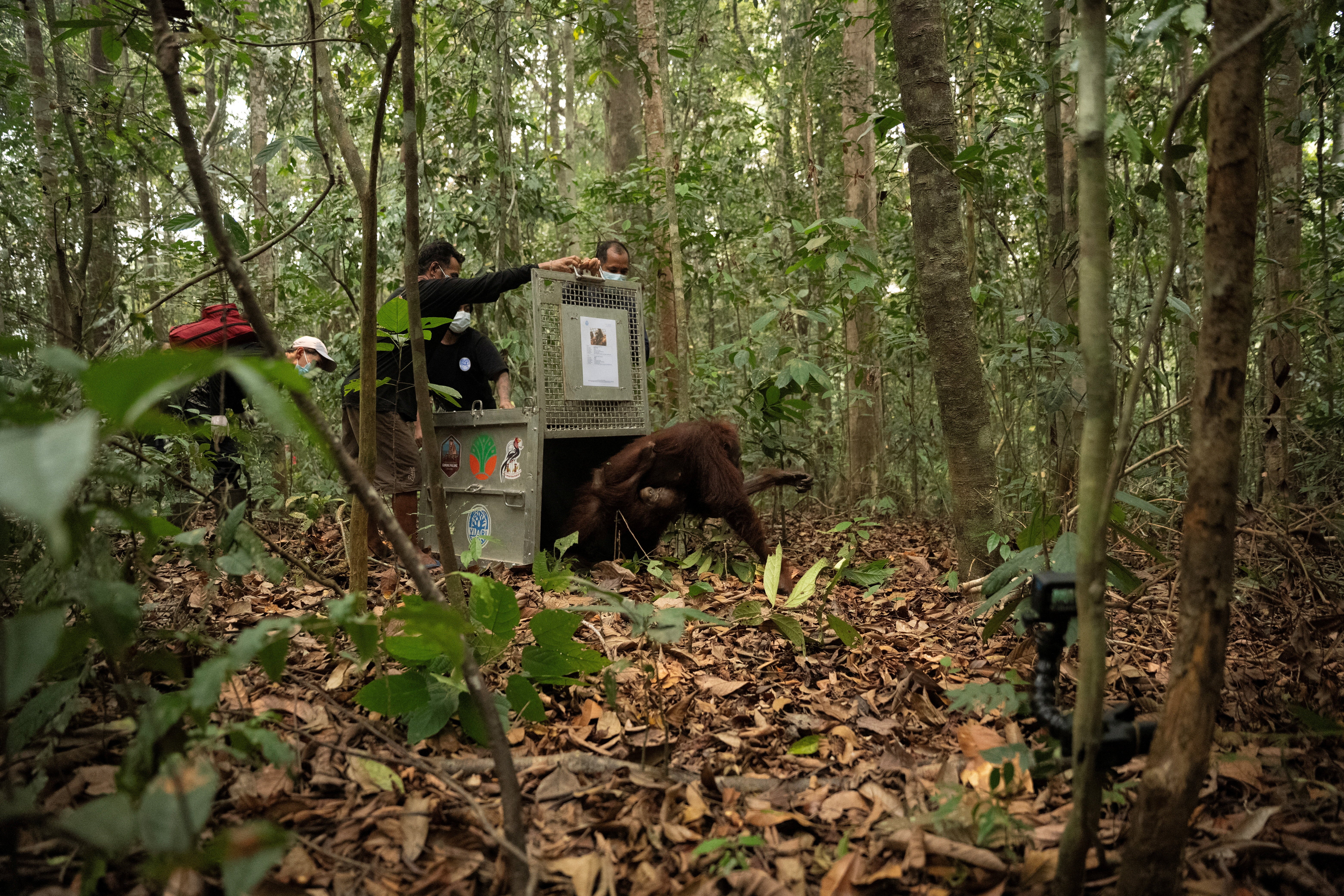
Another mother-and-daughter pair, Mama Nopi and her offspring, Nopi, as well as Naufal and Nopan, two juvenile male orangutans, were rescued in early September from a coconut and rubber plantation.
Fires had restricted their access to food, threatening their lives, it said.
Mama Man and her baby, Man, were being monitored after they were found living in a plantation area adjacent to a small patch of forest.
Yiari said the fires had spread to the site, restricting their movement in the area and leaving them without a safe route to other forested areas. They were evacuated after facing the threat of exposure to the blazes.
It said the orangutans were released into an area chosen for its abundant food and water sources and its connectivity to other forest areas.
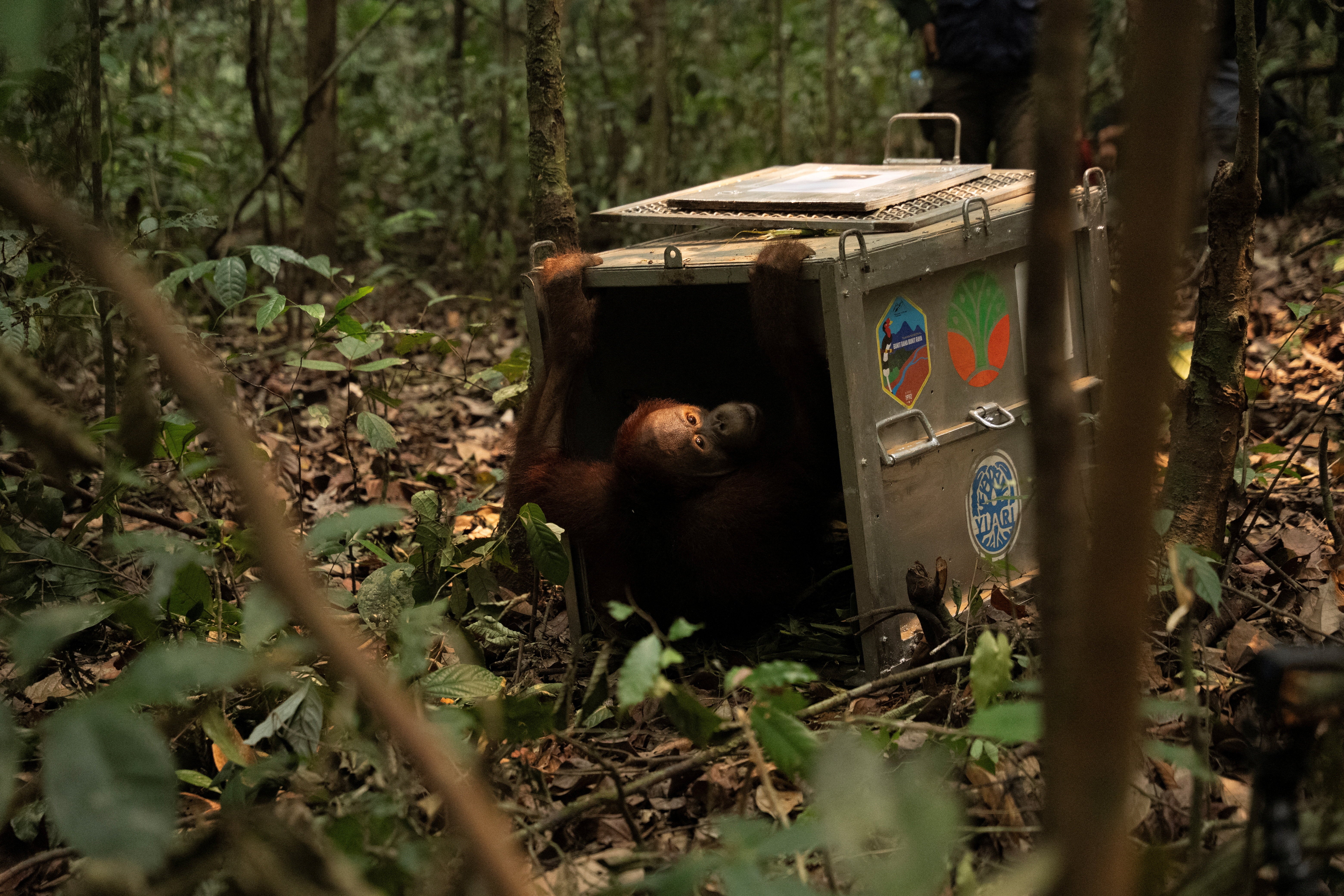
“We want to ensure that rescued orangutans are not simply moved from one place to another, but actually have a chance to survive in their natural habitat,” Yiari’s Argitoe Ranting said.
Some orangutans have also suffered injuries due to the wildfires.
A female Bornean orangutan nicknamed Novita was found clinging to a nearly leafless tree as dense smoke billowed across the scorched landscape in the Katune forest in Central Kalimantan province, said Jamartin Sihite, chairman of the Borneo Orangutan Survival Foundation.
“The palms of her hands and the soles of her feet suffered burns that were likely sustained when Novita crossed a burned area while trying to reach a tree,” Mr Sihite said.
Others were not so lucky. A male orangutan named Sampurna, believed to be around 20 years old, was found struggling to breathe by residents and died after being rescued.
RECOMMENDED
William Chapman’s family slam offensive viral videos after Trump tiger AI post
Trump’s new press secretary has a history of pushing banana conspiracy theories
Sleep Apnea is Linked to This Household Item (Stop Using It)derila-ergo-official.com|
Squirt Some Honey On Your Dog’s Tongue, Here’s What HappensDaily Pets Health|
Between January and July, more than 202,000 hectares of land burned in wildfires, according to government data. However, data from the independent Nusantara Atlas project showed that some 896,000 hectares had burned by the end of August.
This year’s El Niño has become the strongest on record, with sea surface temperatures in the Niño 3.4 monitoring region hitting historic highs and projected to peak around December 2026.

