
According to the Indiana State Board of Animal Health, the H5N1 influenza virus was detected in two Newton County herds in late October.
Credit: littlewolf1989 – stock.adobe.com
Author: Olivia Oliver
Published: 12:48 PM EST November 2, 2026
Updated: 12:57 PM EST November 2, 2026
Bird flu detected in two Indiana dairy cow herds | wthr.com

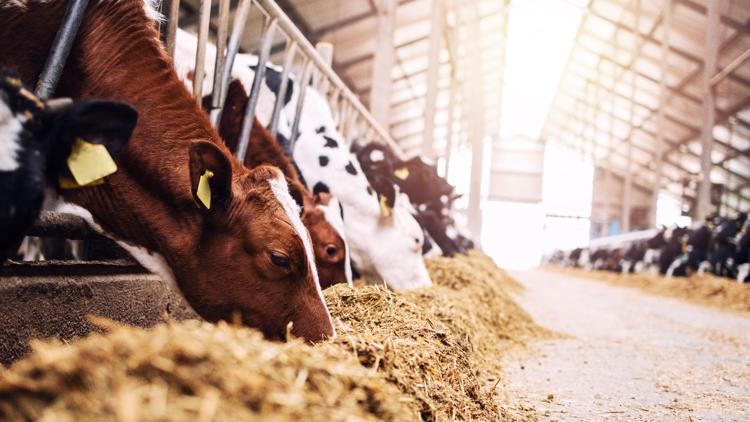
NEWTON COUNTY, Ind. — Two Indiana dairy cows herds have tested positive for the H5N1 influenza virus, otherwise known as bird flu.
According to the Indiana State Board of Animal Health, the virus was detected in two Newton County herds in late October as part of regular National Milk Testing Strategy surveillance. The BOAH says it was found at a dairy processing facility in another state, and the BOAH has collected samples at the affected farms for follow-up testing.
Newton County is about 115 miles northwest of Indianapolis.
The two dairies impacted are connected operationally, BOAH confirmed, and no other dairy cattle have tested positive yet in Indiana. Regular monthly surveillance at dairy processing facilities’ storage silos will also continue.
Now, under USDA requirement, all lactating dairy cows, including dairy-beef crosses, must have a negative H5N1 test before leaving the state.
For farms regularly shipping lactating cows, producers can enroll voluntarily in the Dairy Herd Status Program by working with their private herd veterinarian and contacting BOAH at animalhealth@boah.in.gov.
Nationwide impacts
The avian influenza virus has been identified on more than 2,200 poultry premises in all 50 states since February 2022, according to BOAH. The virus has also been identified in various wild species of mammals and birds, which were the initial source of infection when dairy cows in Texas tested positive in March 2024, BOAH says. Since then, BOAH says H5N1 has been identified on more than 1,100 dairy farms in 21 states.
The current outbreak event is the United States’ largest animal health emergency in the nation’s history.

