Peregrine falcon numbers plummet despite rewilding drive
Reply


1.9M Followers
Story by Vishwam Sankaran
• 3mo •
2 min read
Rainbow trout© AFP via Getty
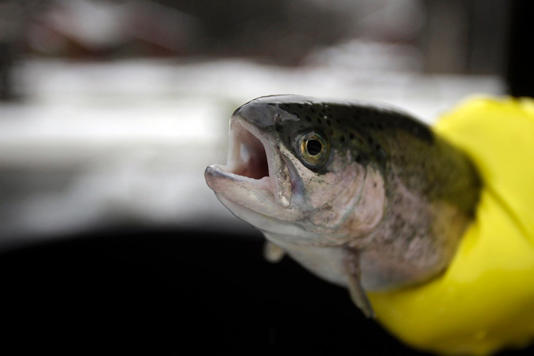
Fish like the rainbow trout suffer 2 to 20 minutes of excruciating pain while they are harvested and killed for food, according to a new study.
The research, published in Scientific Reports, reveals the hidden pain of fish during slaughter and offers solutions to improve their welfare.
Make Your Everyday Easy – All-New Charging Experience – See Customer Ratings & Reviews


Researchers hope the findings can help improve the welfare of up to 2.2 trillion wild and 171 billion farmed fish killed every year for human consumption.
In the study, scientists focussed on a common method of slaughtering fish called air asphyxiation. Animal welfare groups have flagged this method, which involves depriving fish of oxygen, as inhumane given the significant amount of time they take to lose consciousness in this process.
about:blank
Current Time 0:03
/
Duration 0:22

Freaky fish
0
Researchers found that rainbow trout endured an average of 10 minutes of intense pain during this process, with estimates ranging from 2 to 22 minutes depending on factors like fish size and water temperature.
“Based on a review of research on stress responses during asphyxiation, we estimate 10 min of moderate to intense pain per trout,” they wrote.
Only $39 To Get All TV Channels?
The study cautioned that chilling fish in ice slurry after being caught could cause an even greater burden of pain. “By slowing down metabolic processes, lower temperatures may extend the time to unconsciousness,” it noted.
Looking at other interventions, researchers found that if implemented properly, electrical stunning could avert 1 to 20 hours of moderate to extreme pain experienced by fish for every US dollar spent on slaughtering them.
Another method called percussive stunning, which involves dealing a blow to an animal’s head with special devices, could kill fish quickly without much suffering but faced “implementation challenges”, researchers said, adding that other pre-slaughter practices like fish crowding during transport might cause even greater suffering.
The study also highlights the use of the Welfare Footprint Framework, a method to quantify animal welfare by estimating the total time they spend in various states of suffering or well-being.
Worst Car Insurance Companies for Overcharging (Is Yours On The List?)
It uses time-based values to subjective experiences for direct comparisons between different animal welfare interventions.
“The Welfare Footprint Framework provides a rigorous and transparent evidence-based approach to measuring animal welfare and enables informed decisions about where to allocate resources for the greatest impact,” Wladimir Alonso, an author of the study, said.
“These findings provide transparent, evidence-grounded and comparable metrics to guide cost–benefit decisions and inform slaughter regulations and practices in trout.”
The Independent is the world’s most free-thinking news brand, providing global news, commentary and analysis for the independently-minded. We have grown a huge, global readership of independently minded individuals, who value our trusted voice and commitment to positive change. Our mission, making change happen, has never been as important as it is today.
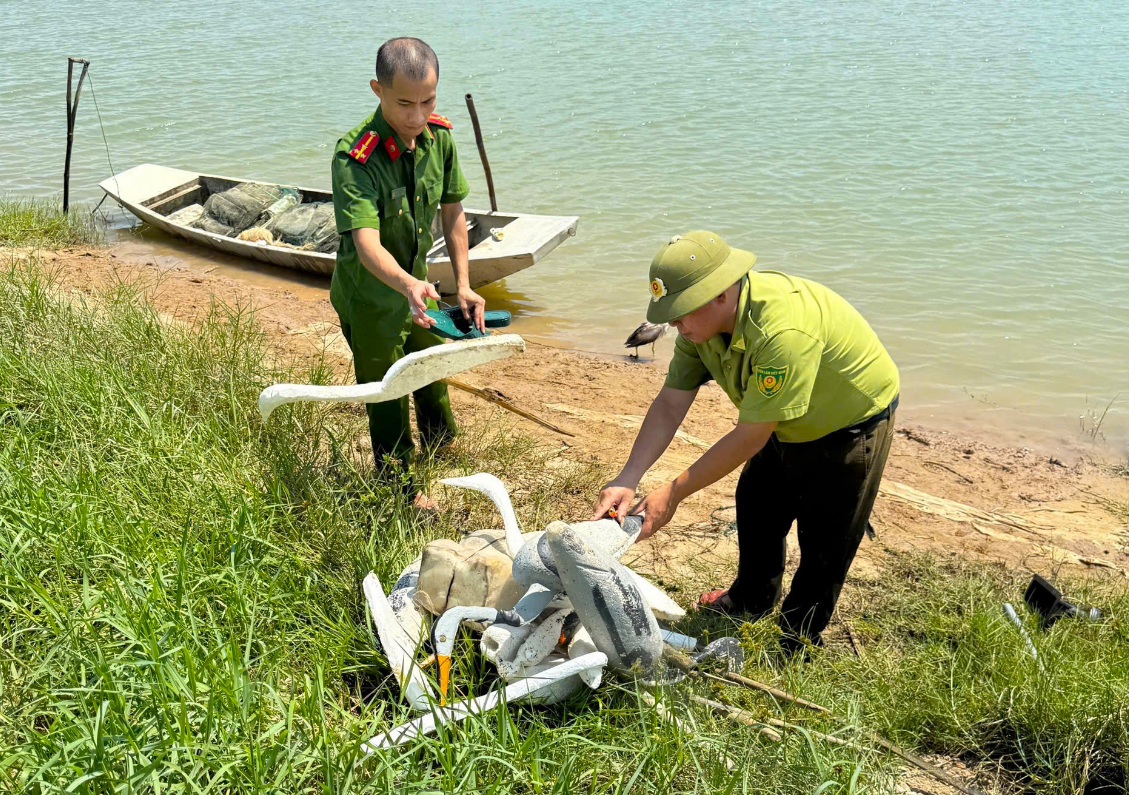
In an ongoing effort to protect migratory birds, forest rangers in Ha Tinh Province, north-central Vietnam, in coordination with local authorities, have launched extensive inspections and confiscated thousands of illegal bird-hunting tools and decoys.
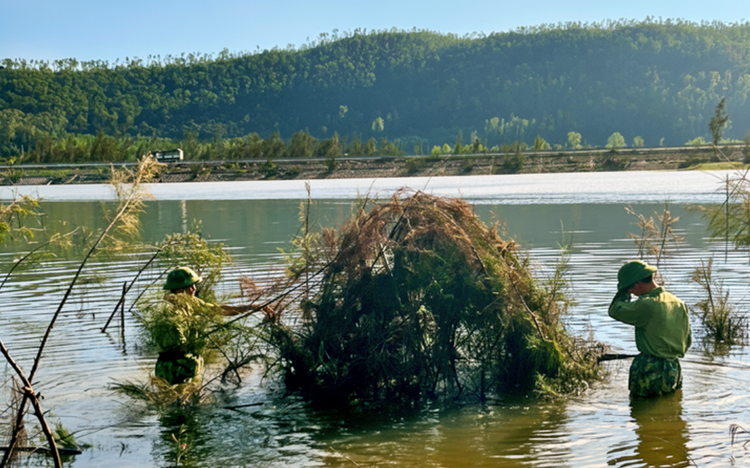
Since the migratory bird season began in early September, patrols have reported many illegal bird hunting cases in several coastal communes of the province.
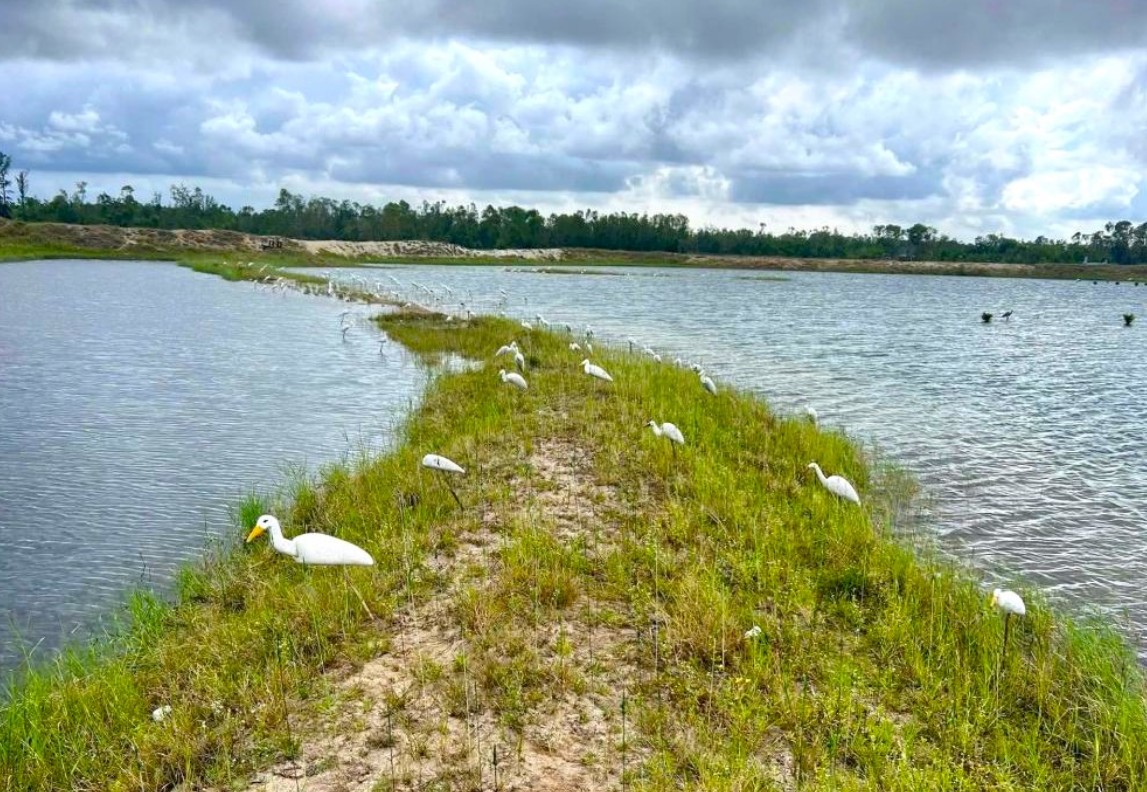
In Co Dam Commune, rangers observed locals setting up foam stork decoys, building makeshift bushes along the coast, and planting adhesive sticks to trap migratory birds flying along the coastline.
This illegal activity persists each year, when migratory birds seek refuge in coastal areas.
Kieu Dinh Linh, head of the Hong Linh-Nghi Xuan Forest Protection Unit, said that the issue remains widespread despite consistent enforcement.
Since early August, forest rangers have tightened control over migratory bird hunting and purchase, he said.
So far, rangers and taskforces have confiscated 596 foam stork decoys, 800 adhesive sticks, and eight kilograms of bird-trapping glue, while destroying over 7,300 illegal trapping tools.
Moreover, dozens of live birds have been rescued and released back into nature.
In parallel with enforcement, local officials are ramping up public education campaigns to raise awareness of conservation laws and the ecological importance of migratory birds.
In Thach Khe Commune, local police have been conducting regular patrols and reminding residents of the legal ban on hunting, trapping, and purchasing wild birds.

 Exposing the Big Game